Böttstein Castle: A Swiss Castle and Chapel Complex
Site at a Glance
- Popularity
- Medium
- Country
- Switzerland
- Primary era
- Early Modern
- Eras represented
- Medieval, Early Modern
- Civilizations
- Holy Roman Empire, Swiss
- Site type
- Domestic
- Remains
- Castle
On this page6 sections
History
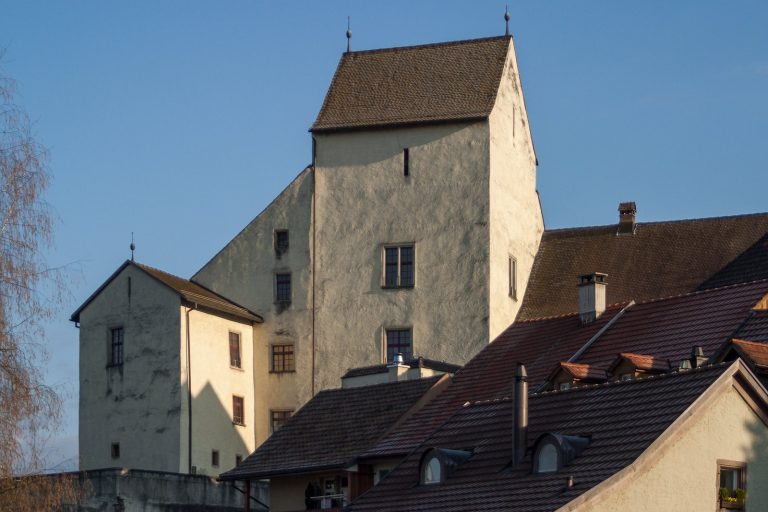
Böttstein Castle is a 12th-century castle in Böttstein, Switzerland, built for the Barons of Böttstein. The family is first mentioned in 1087 and lived at the castle until its line ended in the early 13th century.
The barons and medieval transfers
The barons held their lands from the Count of Frickgau, a medieval territory in what is now northern Switzerland. The countship was held by the Homberg-Tierstein family and, after 1231, by the Habsburgs, a European ruling dynasty with extensive lands in Central Europe. In 1218, Luthold von Böttstein transferred church-patronage rights at Beuggen, the Hardt forest, and new meadows to Mangold Chelhalda of Rheinfelden and his sons Johannes and Mangold. The grant was a fief, meaning land or rights held under feudal obligations, and was connected with a debt. The recipients may later have taken the name Beuggen.
After the Böttstein family died out, the castle passed to the Lords of Tiefenstein. In 1239, Hugo I, the eldest of three Tiefenstein brothers, sold the associated property to the Knights Hospitaller at Bubikon. This religious order cared for pilgrims and later also had a military role.
Changing overlords and the von Roll rebuilding
In 1361, Duke Rudolf of Austria granted the castle and nearby villages as a fief to the Lords of Wessenberg. The Old Swiss Confederacy, a pre-modern alliance of Swiss communities, conquered Aargau in 1415. Local rulers and their jurisdiction remained, though the powers above them changed. The castle and villages then passed through several owners before the Lords of Hallwil bought them in 1563.
On 5 June 1606, Johann Peter, Johann Walter, and Karl Emanuel von Roll purchased Böttstein and its communal territory for 1,800 florins, a historical currency. Johann Ludwig von Roll joined them in 1615. That year, the brothers demolished parts of the old castle and began building a replacement residence and chapel. Work on the complex continued through 1617. Their father had left them an inheritance of 574,000 florins, but construction and lavish spending reduced it to 35,000 florins by 1674.
The Schmid family and political change
The von Roll estate was divided in 1654, and Johann Peter inherited the castle. It passed to his son Karl Ernst and then to Karl Ernst’s daughter, Anna Maria Magdalena. Her marriage in 1674 to Johann Martin Schmid von Bellikon brought the property into the Schmid family. The family supported residents’ welfare and provided employment. Castle work was the village’s main livelihood, with 30 to 40 people employed throughout the year. A male servant earned 50 to 60 francs annually and a maid 30 to 40 francs. A day laborer received 60 rappen, a subdivision of the Swiss franc, when eating at home, or 30 rappen when the castle provided meals. Two francs equaled one florin.
Joseph von Schmid, known as Captain von Schmid, promoted crop rotation in the region. Farmers initially mocked the practice, but after he expanded his herd from six cows to 22, they accepted his advice. Karl von Schmid, regarded as the castle’s best-known lord, served in both the National Council and the Council of States, the two chambers of the Swiss Federal Assembly.
The family’s authority over nearby villages ended with the French invasion of 1798 and the creation of the Helvetic Republic, a short-lived centralized Swiss state established under French influence that curtailed much of the nobility’s power. Böttstein became part of the Republic’s Canton of Baden. After the Republic collapsed, the 1803 Act of Mediation reorganized Switzerland and established the Canton of Aargau. The Schmid family retained the castle until 1893.
Monastery and later uses
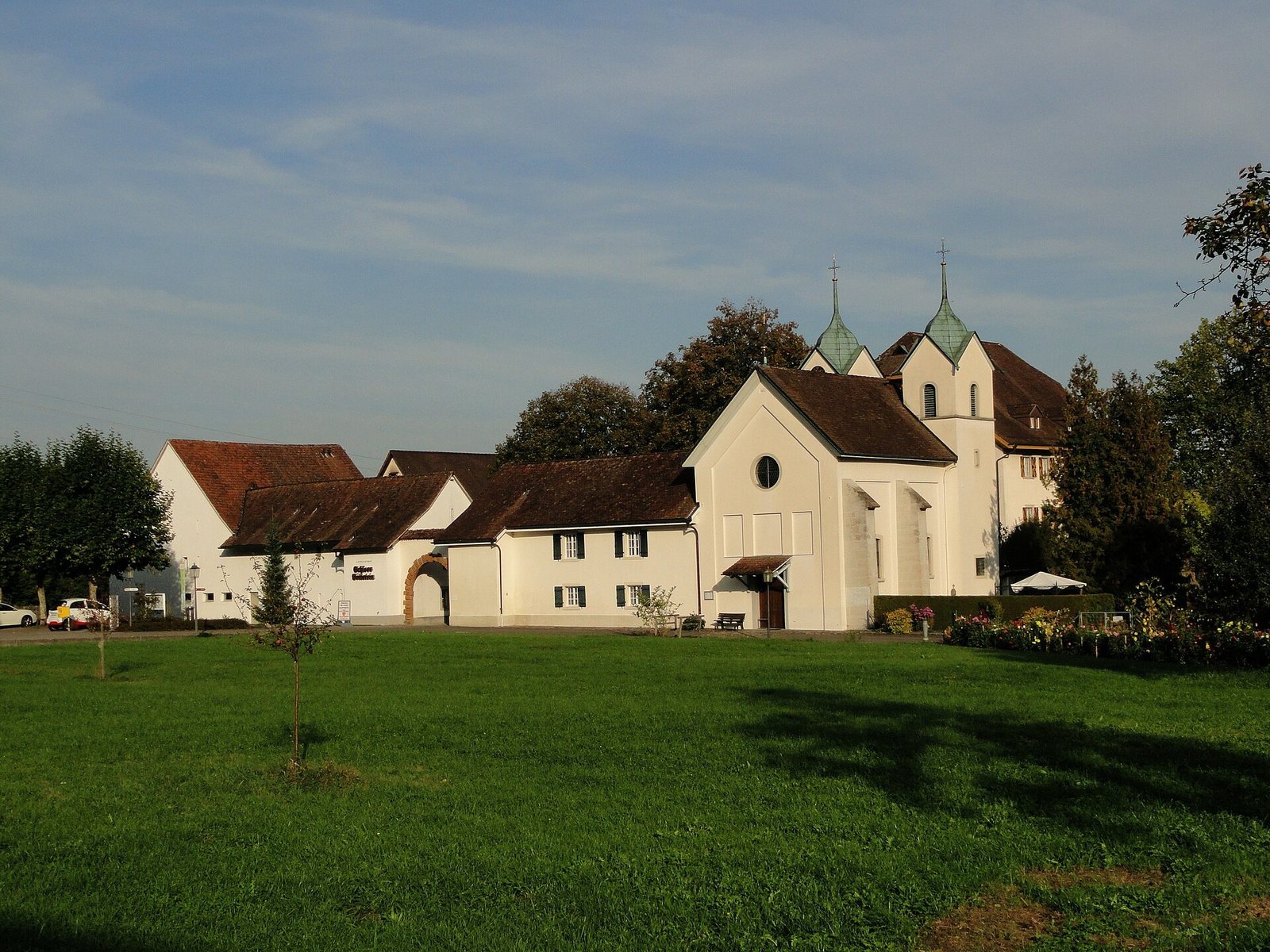
In 1894, the castle became a monastery associated with the International Daughter’s Institute, a spiritual organization that soon disbanded. The property subsequently changed hands several times. Nordostschweizerische Kraftwerke AG, now Axpo Holding, acquired it in 1965 and used it for technical staff during construction of the Beznau Nuclear Power Plant from 1965 to 1972. Renovation between 1971 and 1974 adapted the castle as a hotel and restaurant, which opened in 1974. The castle and chapel are protected as historic monuments.
Remains
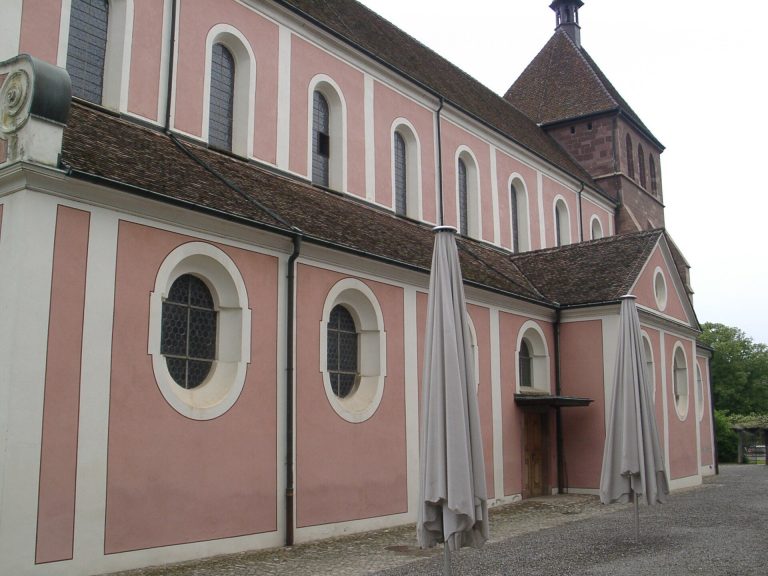
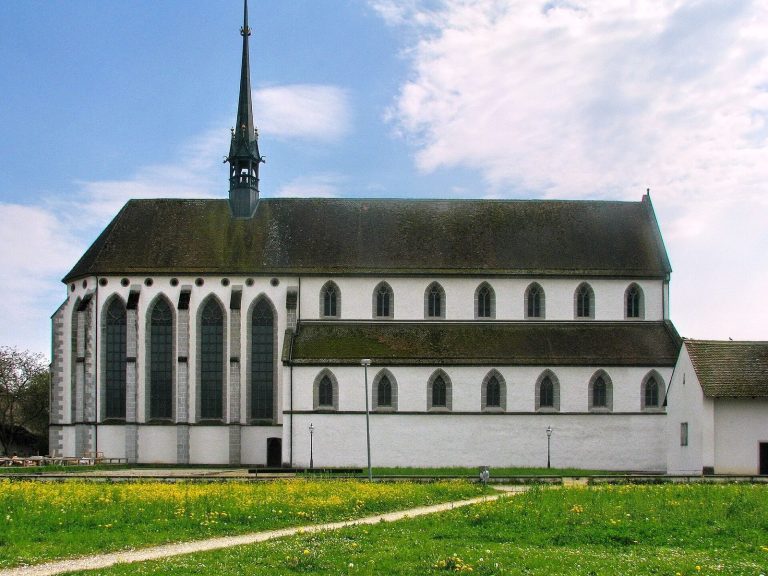
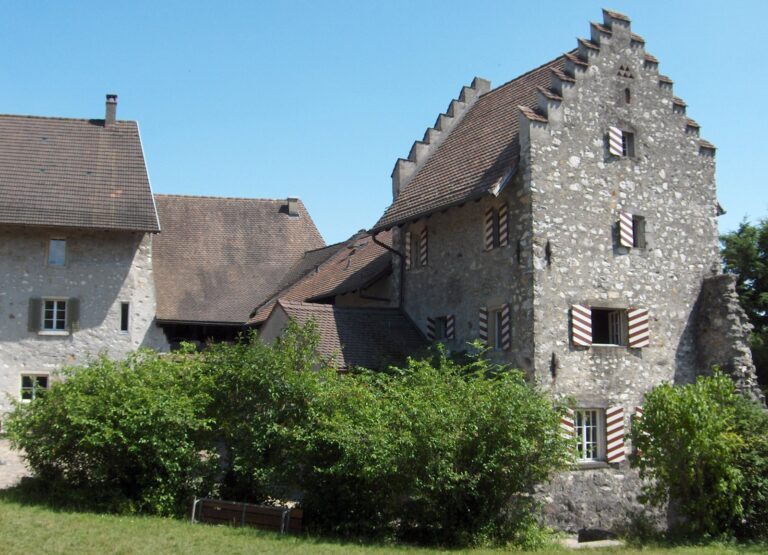
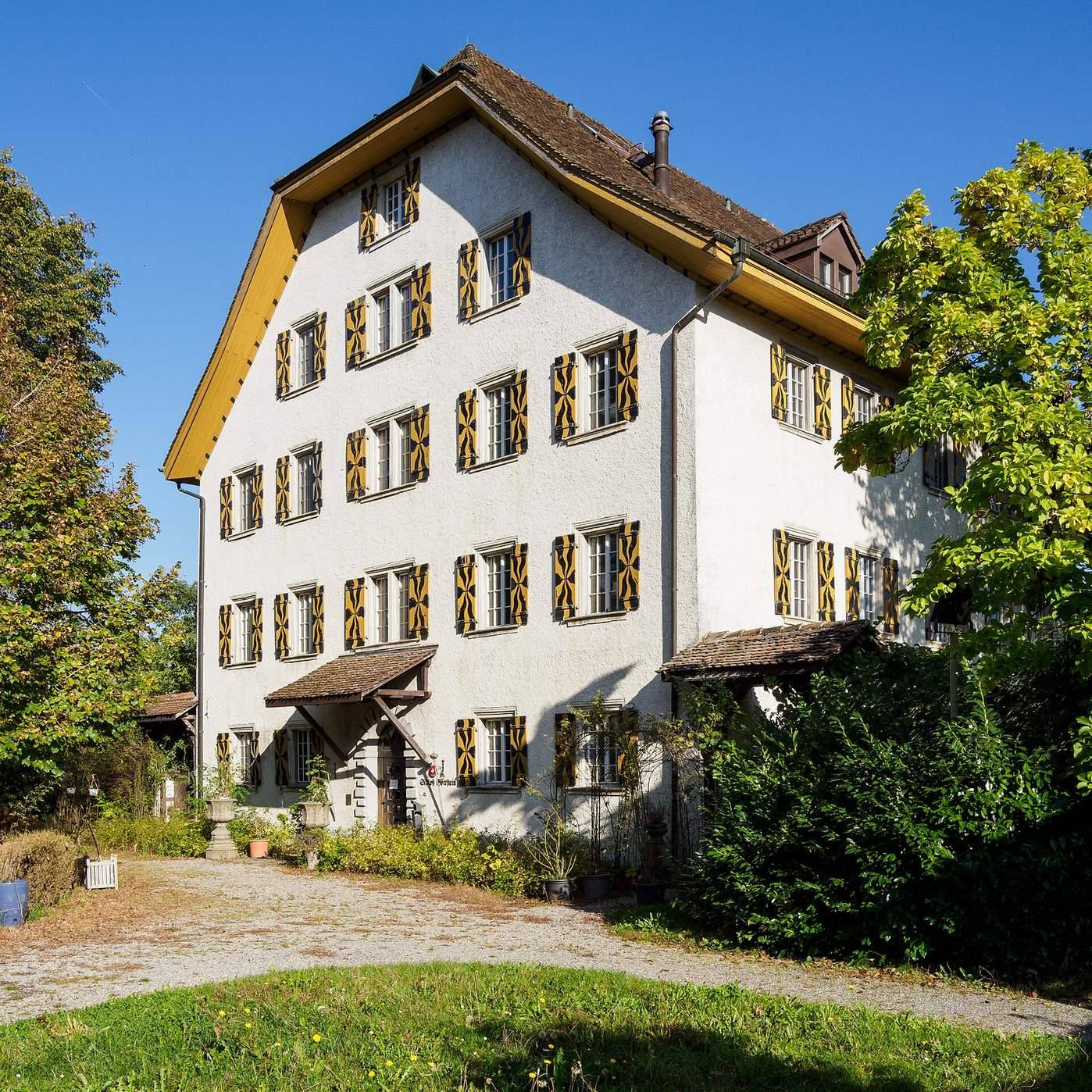
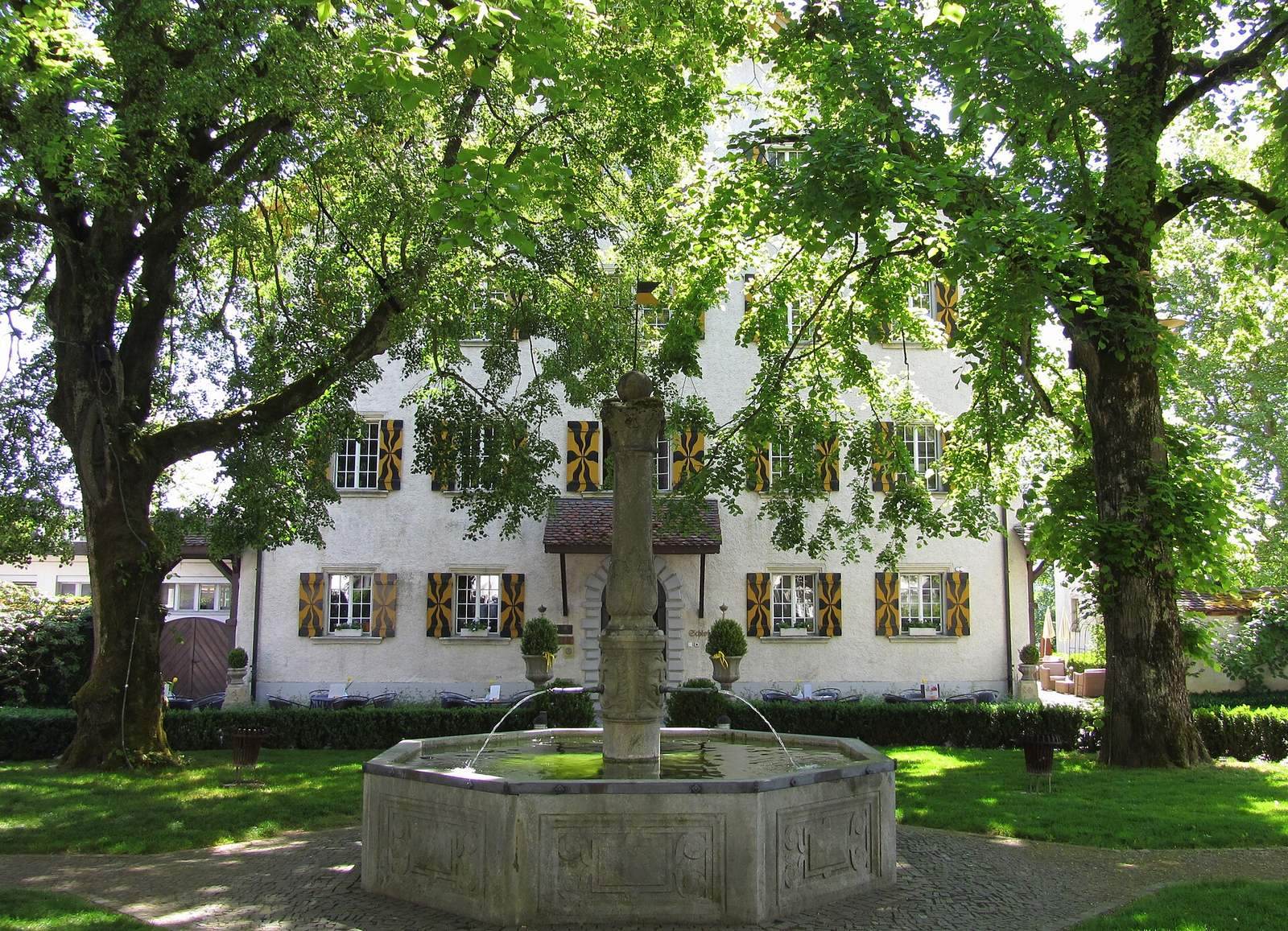
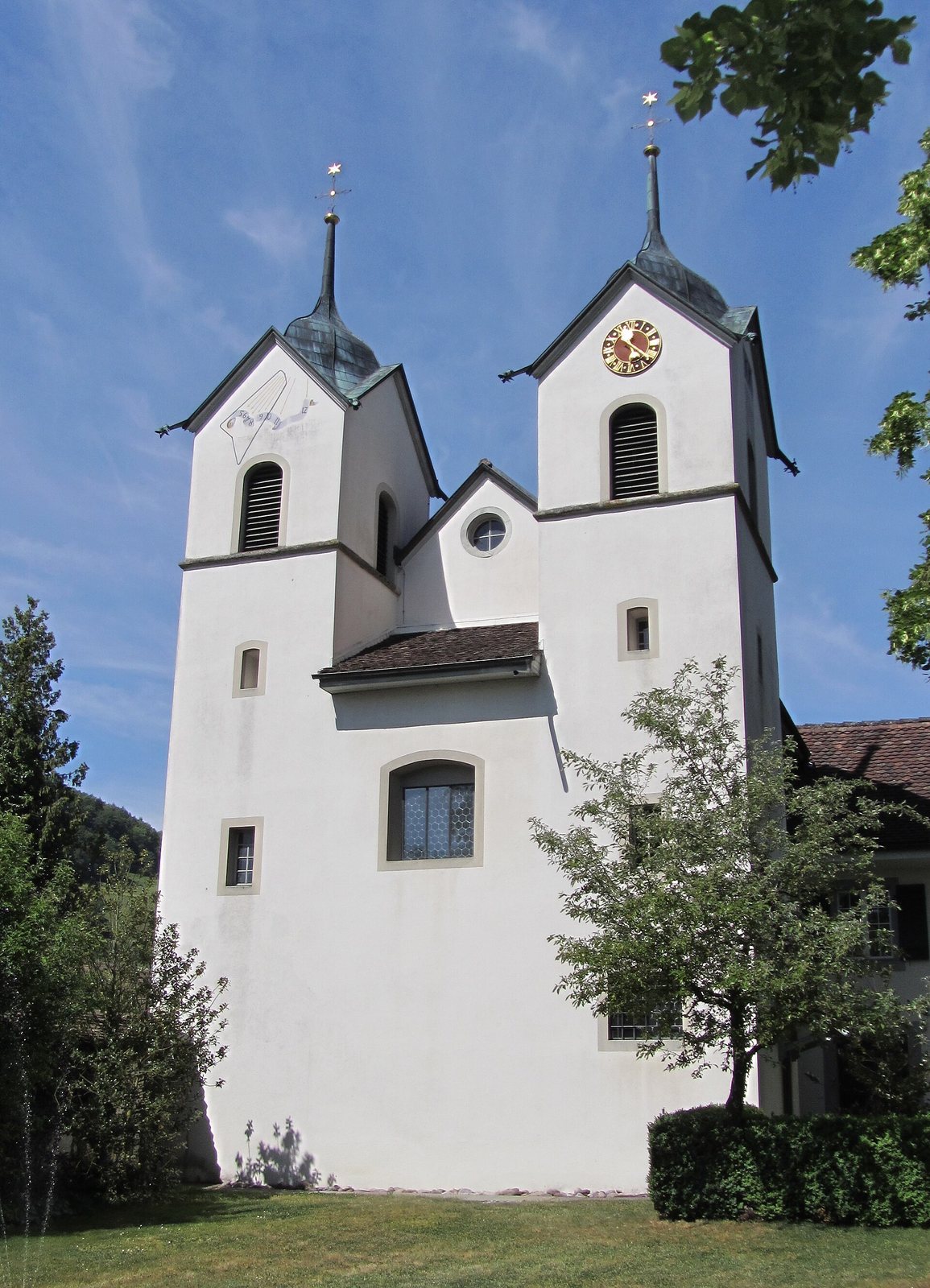
At the edge of Böttstein village, beside the left bank of the Aare River, the preserved complex consists of a manor house and a chapel.