Bibury Court: A Jacobean Country House in Gloucestershire
Site at a Glance
- Popularity
- High
- Country
- United Kingdom
- Primary era
- Early Modern
- Eras represented
- Early Modern
- Civilizations
- British, English
- Site type
- Domestic
- Remains
- Manor House
On this page7 sections
History
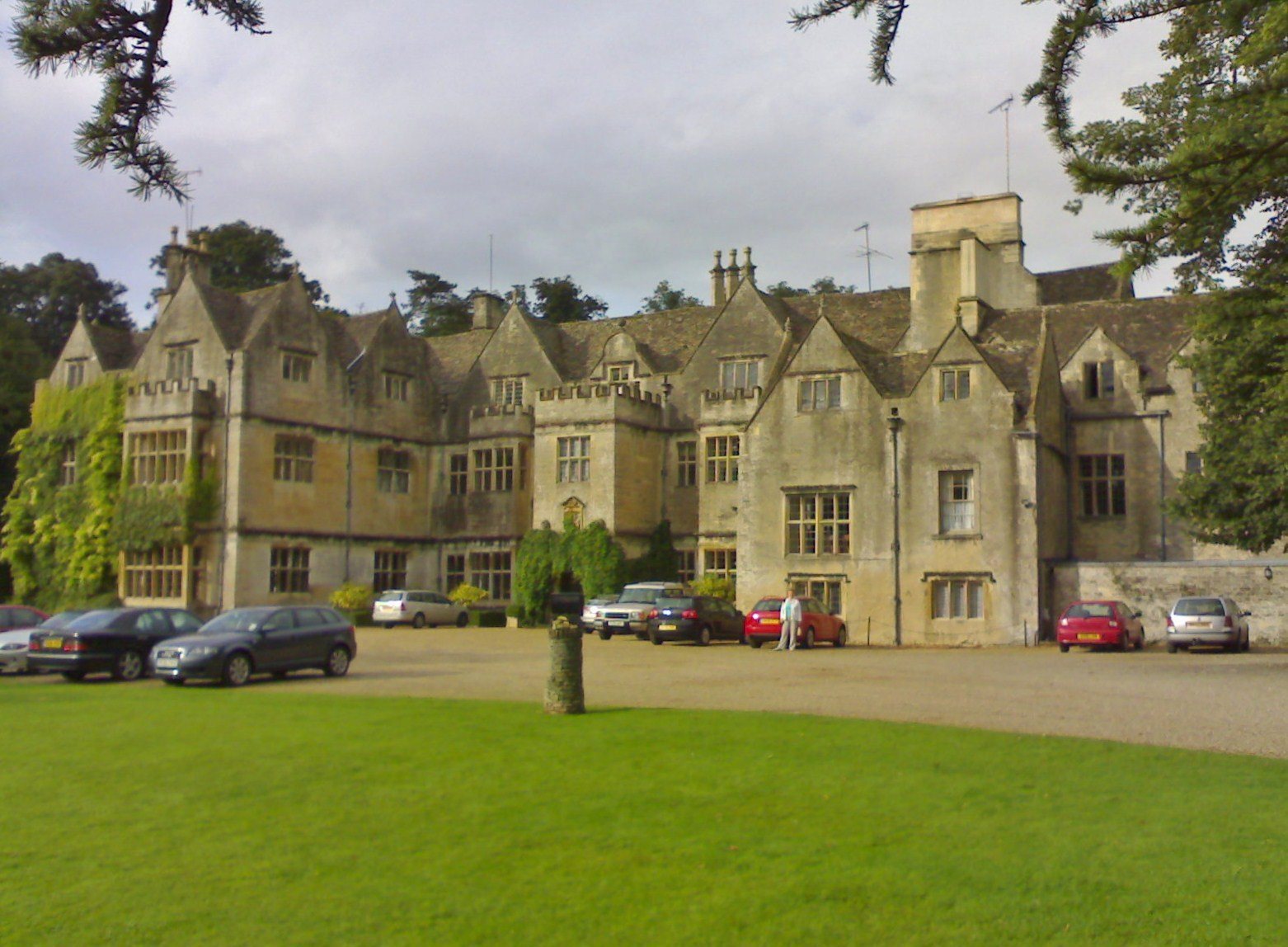
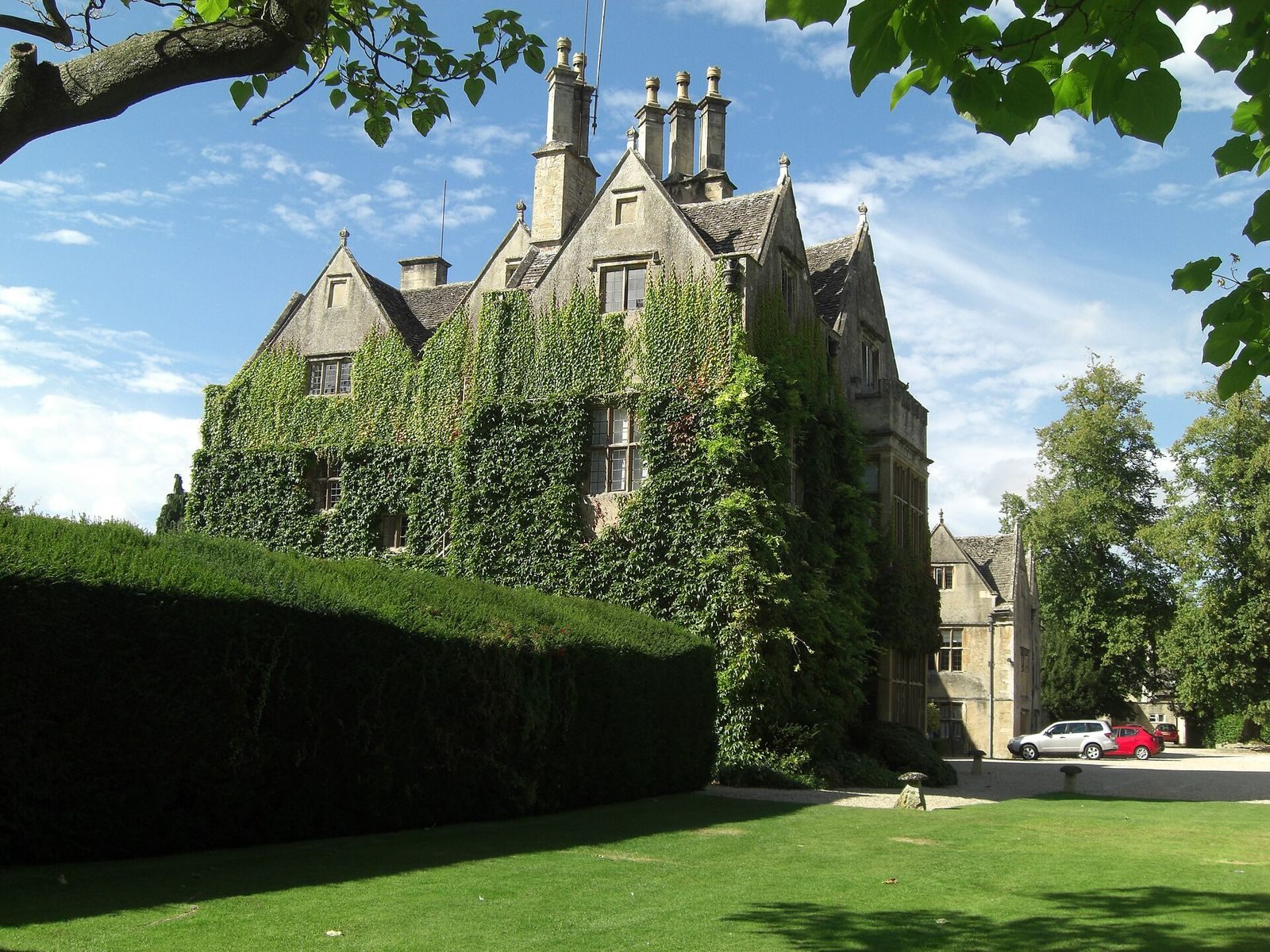
Bibury Court is a Jacobean country house in Bibury, Gloucestershire, United Kingdom, built between 1560 and 1599. Jacobean architecture is associated with James I’s reign (1603–1625) and blends Renaissance features with earlier English forms. The house is described as the largest building in the village.
Sackville and Cresswell ownership
The house was extended in 1633 for Sir Thomas Sackville. Around 1759, Thomas Estcourt Cresswell remodelled its interior, and further additions followed. The Sackville family and their Cresswell heirs owned Bibury Court until 1816, when it was sold to Lord Sherborne.
The Clarke family
In the 1920s, Sir Orme Clarke bought the house and most of the surrounding Bibury estate from the Lords Sherborne. He lived there with his wife, Elfrida, née Roosevelt. After his mother’s death, Sir Humphrey Clarke sold the house in 1963, while he and, later, his son Sir Tobias retained the Court Estate until the 1980s. The estate’s northern portion, Kilkenny Farm, was sold to S. J. Phillips & Sons (Kemble) Ltd, which had farmed there as tenants of the Clarkes.
Hotel use and return to private life
Bibury Court became a hotel in 1968. Organic flour miller John Lister acquired the estate in 2008. In 2015, designer Marc Newson and fashion stylist Charlotte Stockdale bought and renovated the house for use as a private home.
The house received Grade I listed-building status on 23 January 1952, under the name Bibury Court Hotel. Grade I is England’s highest listed-building category, for buildings of exceptional architectural or historic interest.
Remains
House and wings
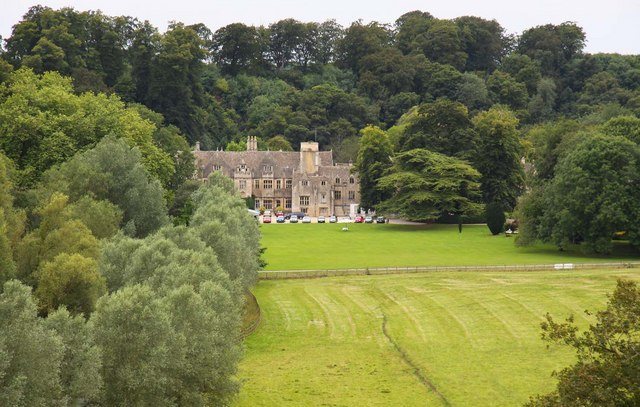
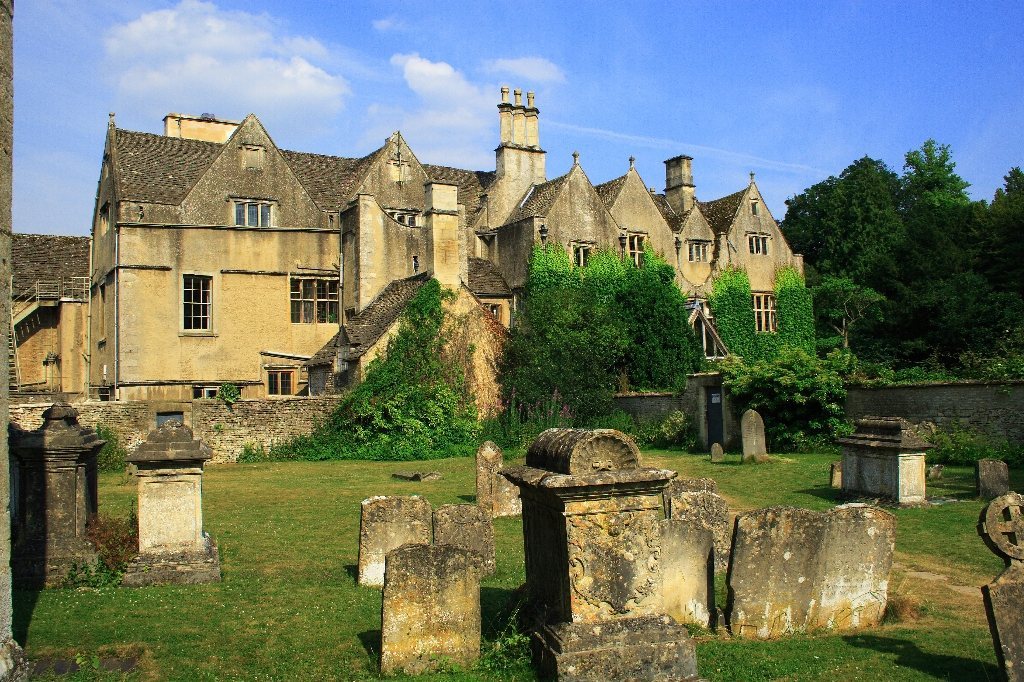
The 16th-century house forms the north wing, while the east front has a symmetrical centre flanked by north and south wings. The house and its outbuildings are built of Cotswold stone, the limestone characteristic of the Cotswolds.
Entrance and setting
The entrance walls and gateway date from the early 18th century. The River Coln flows south of the property.