Bemersyde House: Historic Seat of Clan Haig in the Scottish Borders
Site at a Glance
- Rating
- 4.6
- Popularity
- Very Low
- Country
- United Kingdom
- Primary era
- Early Modern
- Eras represented
- Early Modern
- Civilizations
- Kingdom of Scotland
- Site type
- Domestic
- Remains
- Manor House
On this page7 sections
History
Clan Haig and the Border Tower
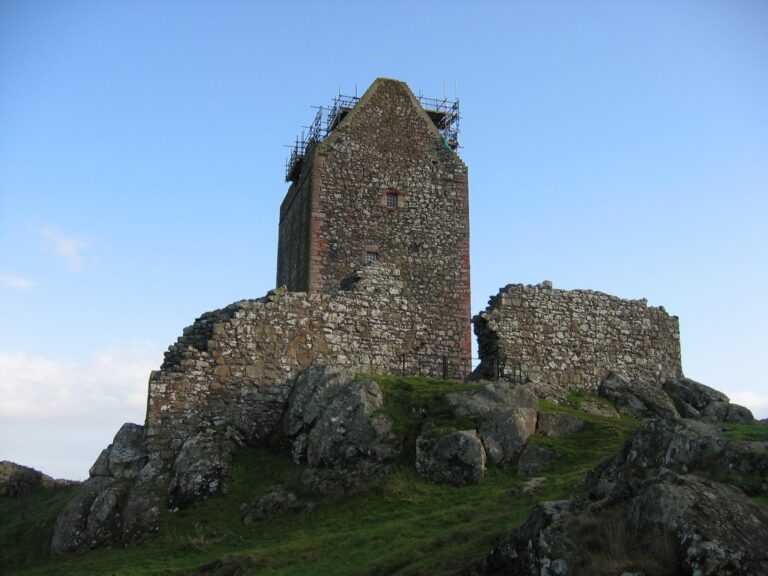
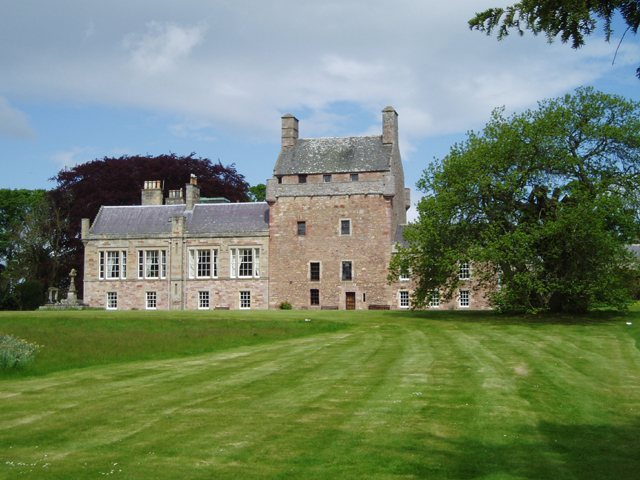
Bemersyde House stands at the western edge of Bemersyde village in the Scottish Borders, United Kingdom. Its earliest core was a peel tower, a fortified tower common on the Scottish-English border, built in the early 16th century. The lands were probably held by Clan Haig from the 12th century, and the house is the seat of the clan chief.
The tower was probably built in response to a 1535 decision by the Scottish Parliament to fortify the border with England. It burned down about a decade later and was rebuilt. At least its upper storeys were rebuilt during the 17th century.
Manor House and the Earls Haig
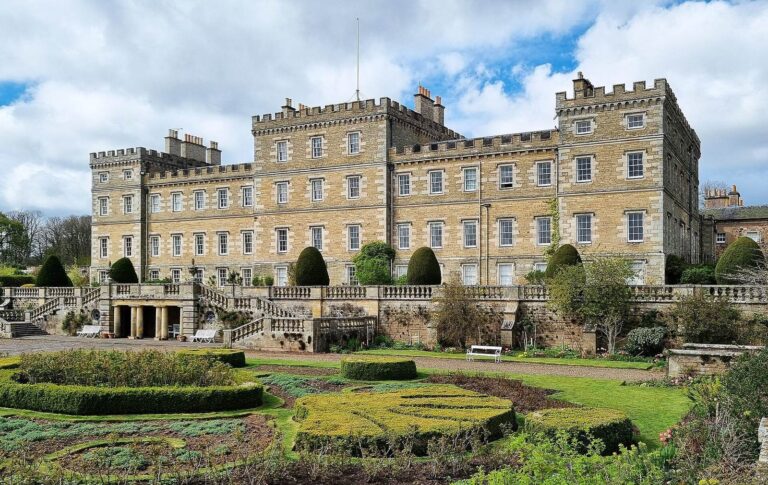
In the 18th century, the defensive tower was enlarged into a manor house. Scottish novelist and poet Walter Scott was among its regular guests.
In 1921, the British Government bought the house and surrounding lands and presented them to Douglas Haig, 1st Earl Haig, when he received a hereditary peerage, a noble title passed down through a family. Haig had commanded the British forces on the Western Front during the First World War.
Bemersyde House is the seat of the chief of Clan Haig, identified as Alexander Douglas Derrick Haig, 3rd Earl Haig. The Earls Haig use the motto “Tyde what may,” drawn from a 13th-century poem attributed to Thomas the Rhymer, a medieval Scottish poet and prophetic figure. The poem predicts that a Haig will remain at Bemersyde: “Tyde what may betyde Haig shall be Haig of Bemersyde.”
In 1971, the house was listed in Category A, Scotland’s highest category for listed buildings. The grounds are included in the Inventory of Gardens and Designed Landscapes in Scotland.
Remains
House and Estate
The house stands at the western edge of Bemersyde village, near the left bank of the River Tweed. Its surviving form brings together the original tower core and the later manor-house enlargement.
Bemersyde House
The original fortified tower forms the core of the house, which was enlarged to create the manor house. The building’s development preserves the relationship between its defensive beginnings and its later domestic form.
Estate Features
Scott’s View, a viewpoint associated with Walter Scott, lies a few hundred metres north of the house. A statue of William Wallace, a Scottish leader in the Wars of Scottish Independence, is also located on the Bemersyde Estate.