Bat, Al-Khutm and Al-Ayn: Bronze Age Archaeological Sites in Oman
Site at a Glance
- Country
- Oman
- Primary era
- Bronze Age
- Eras represented
- Bronze Age
- Civilizations
- Umm an-Nar
- Site type
- Burial
- Remains
- Necropolis
On this page11 sections
History
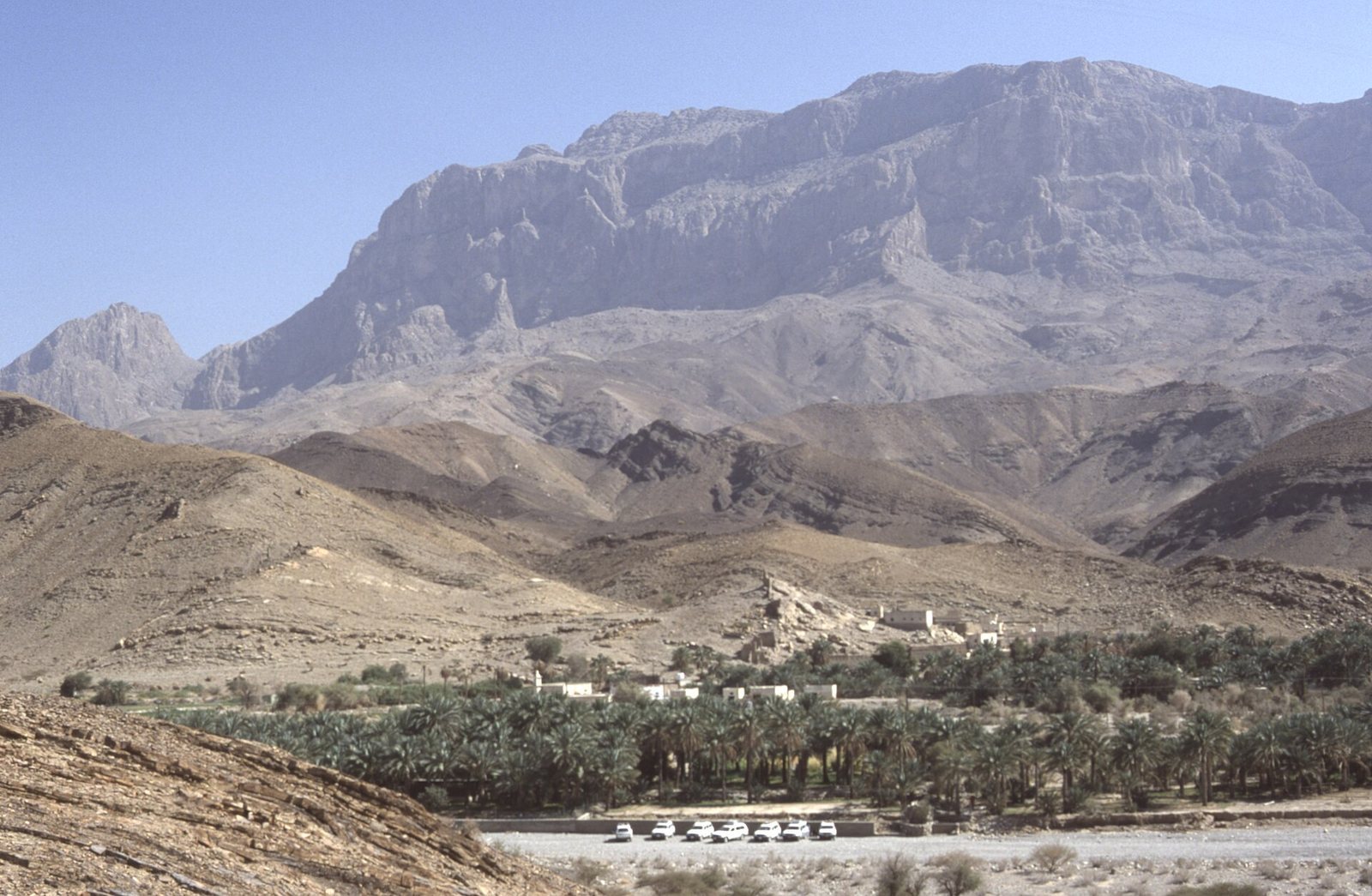
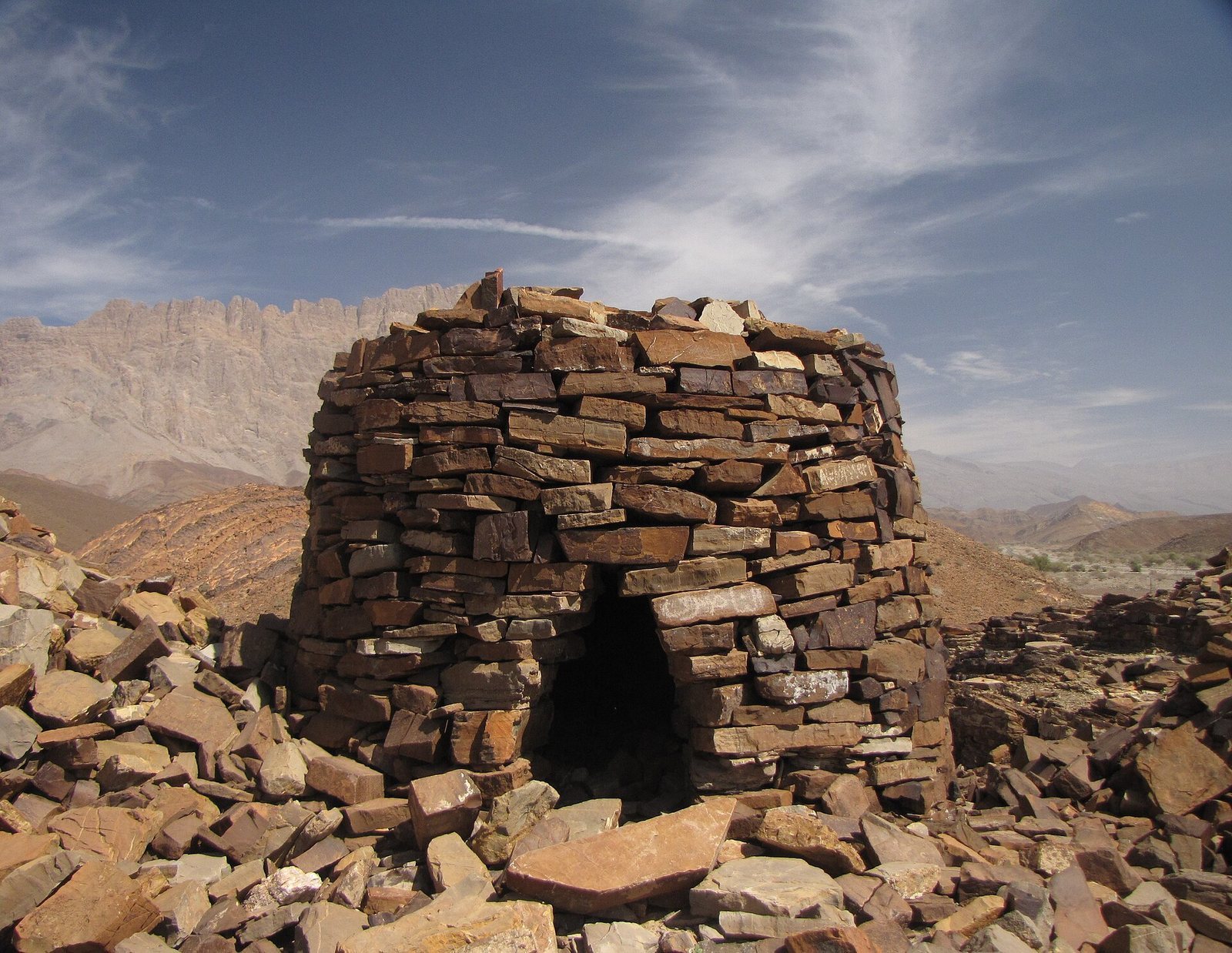
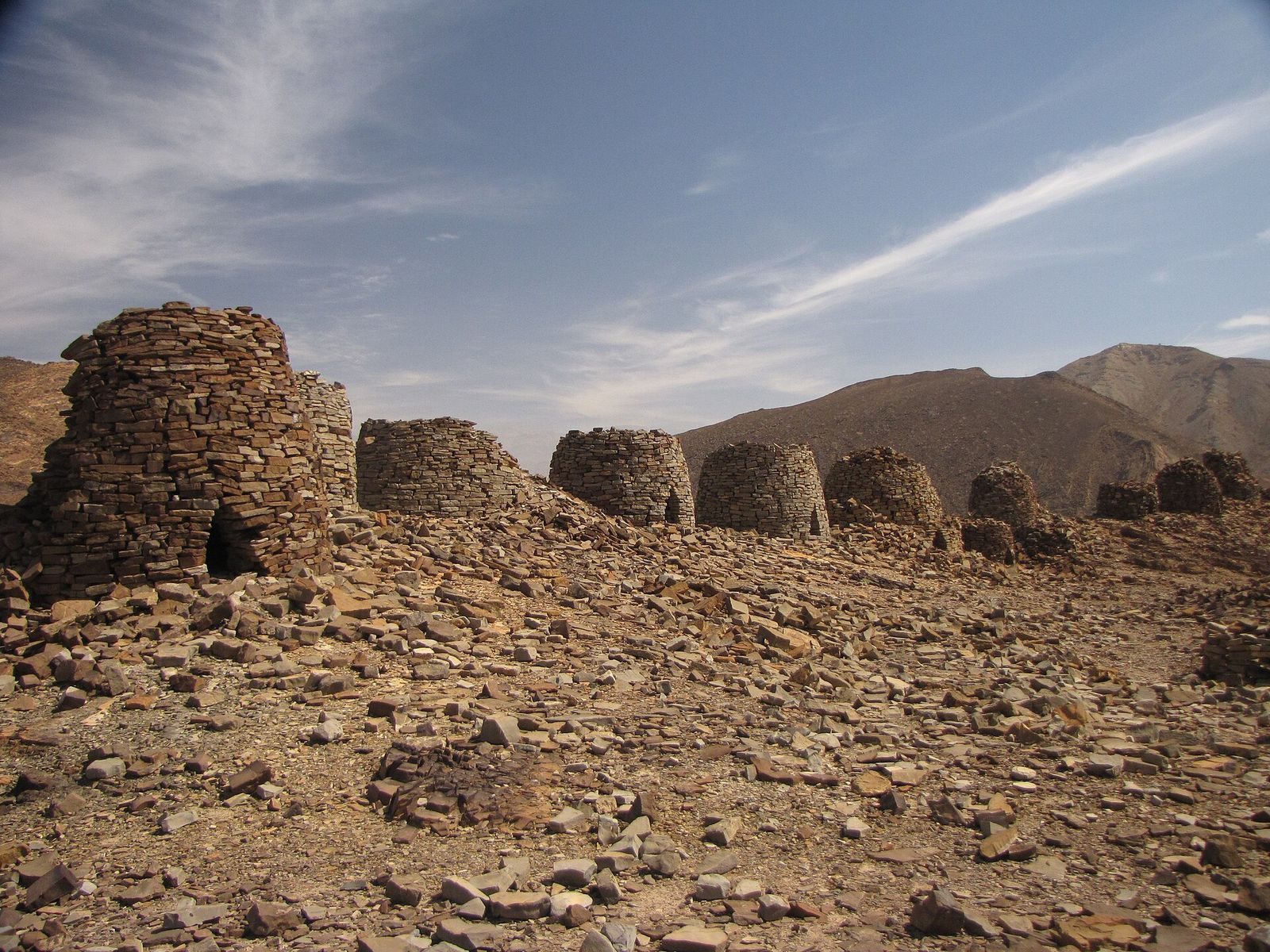
The Bat, Al-Khutm and Al-Ayn archaeological sites are a group of Bronze Age settlements and cemeteries in the Hajar Mountains of northwestern Oman, with remains dating to the third millennium BC. Their burial traditions include the Hafit period, an archaeological phase of Bronze Age southeastern Arabia, while Bat also has tombs of the Umm an-Nar period, another cultural phase of the region.
Bronze Age settlements and exchange
Around 3000 BC, Bat was involved in intensive trade with the Sumerians, an ancient civilization of southern Mesopotamia. Locally extracted copper and stone, probably diorite, were traded there.
Excavation and World Heritage recognition
Bat was discovered in 1972. Excavations that year, led by Danish archaeologist Karen Frifelt, indicated that the area had been continuously inhabited for 4,000 years. In 1988, UNESCO added Bat, Al-Khutm and Al-Ayn to its World Heritage List. The inscription recognized their evidence of a cultural tradition or civilization and their illustration of an important stage in human history. They became Oman’s second World Heritage property, after Bahla Fort was inscribed in 1987.
Before the inscription, the sites had not undergone restoration or other conservation, and their isolation was their only protection. The removal of stone for building by local people threatened their preservation.
Remains
The group occupies a landscape in the Hajar Mountains and includes circular stone tombs, beehive-shaped graves and large circular structures. Bat lies in a palm grove north of Bat village, about 30 km east of Ibri. Its burials extend from a central cemetery to scattered groups farther east and west.
Bat
Tombs and burial areas
Bat’s central cemetery has about 100 stone tombs along the eastern side of a valley. The oldest are beehive-shaped, with one entrance leading to a burial chamber. Beehive tombs occur in the north; those in the southern part are more monumental, with two entrances and between two and four chambers. This southern area includes tombs of the Umm an-Nar type.
Another 200 to 300 tombs lie east and west of the central burial area, as far as 2 km away. Across Bat, roughly 400 circular tombs are built from hard, squared stone, and tomb heights are given as about 4 m. The central stone cemetery is also described as having tombs about 8 m high.
Circular structures
Five large circular structures, described as towers, stand southeast of the burial area. Dating to 2595–2465 BC, they reach about 20 m in diameter and have no external openings. Each contains two parallel rows of rooms, with a stone-paved courtyard and a well between them. Their purpose is uncertain; suggested interpretations include lookout or guard towers, ritual buildings, tanks, silos and granaries.
Pottery
Finds from Bat include red pottery resembling material from Jemdet Nasr, an archaeological site in Iraq associated with an early Mesopotamian cultural phase. Other pottery is decorated with fine horizontal black lines, and some fragments have handles for suspension.
Al-Khutm and Al-Ayn
Al-Khutm
About 2 km west of Bat, Al-Khutm contains ruins thought to be the remains of a stone fort. The site includes a stone tower about 20 m in diameter.
Al-Ayn
About 22 km from Bat, Al-Ayn is a small cemetery and the best-preserved of the three sites. Its burial structures are beehive-shaped.