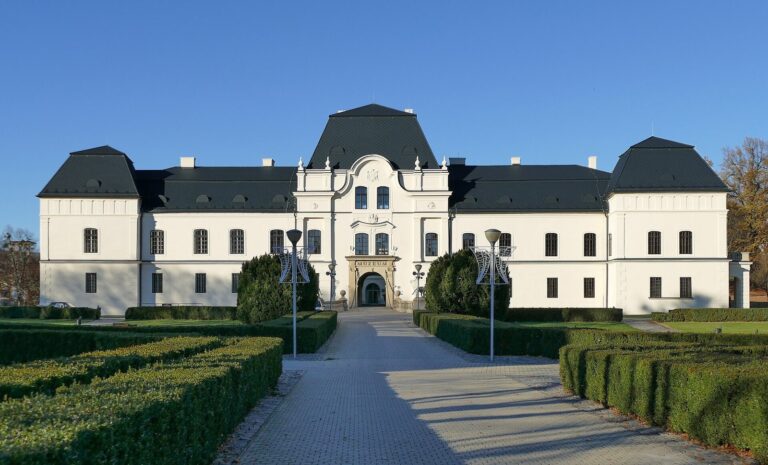
Basilica of the Birth of the Virgin Mary: A Roman Catholic Pilgrimage Church in Vranov nad Topľou
Site at a Glance
- Popularity
- Medium
- Country
- Slovakia
- Primary era
- Medieval
- Eras represented
- Medieval, Early Modern
- Civilizations
- Habsburg, Hungarian
- Site type
- Religious
- Remains
- Basilica
On this page8 sections
History
Foundation and changing administration
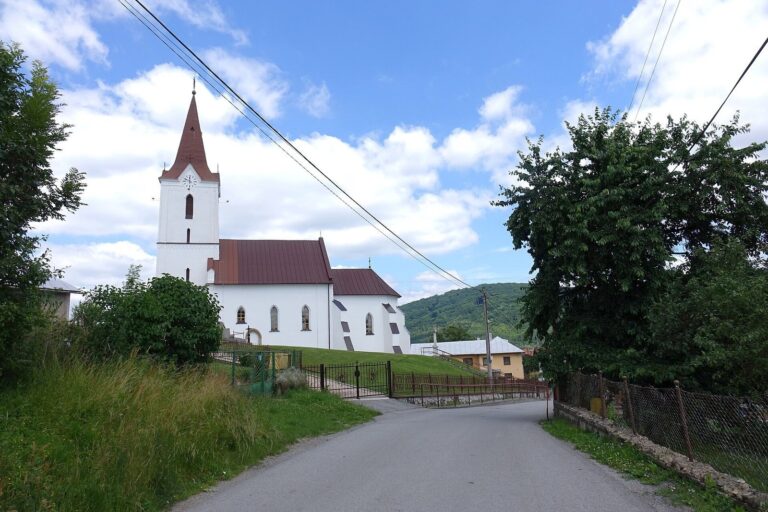
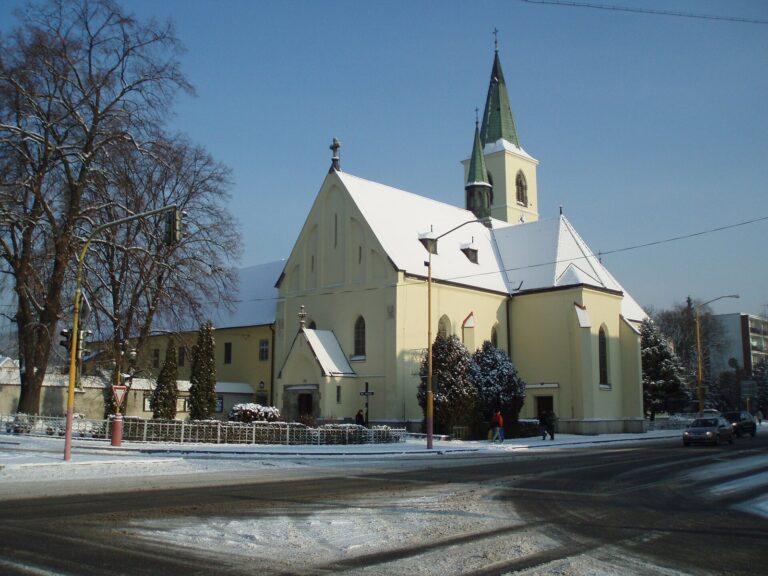
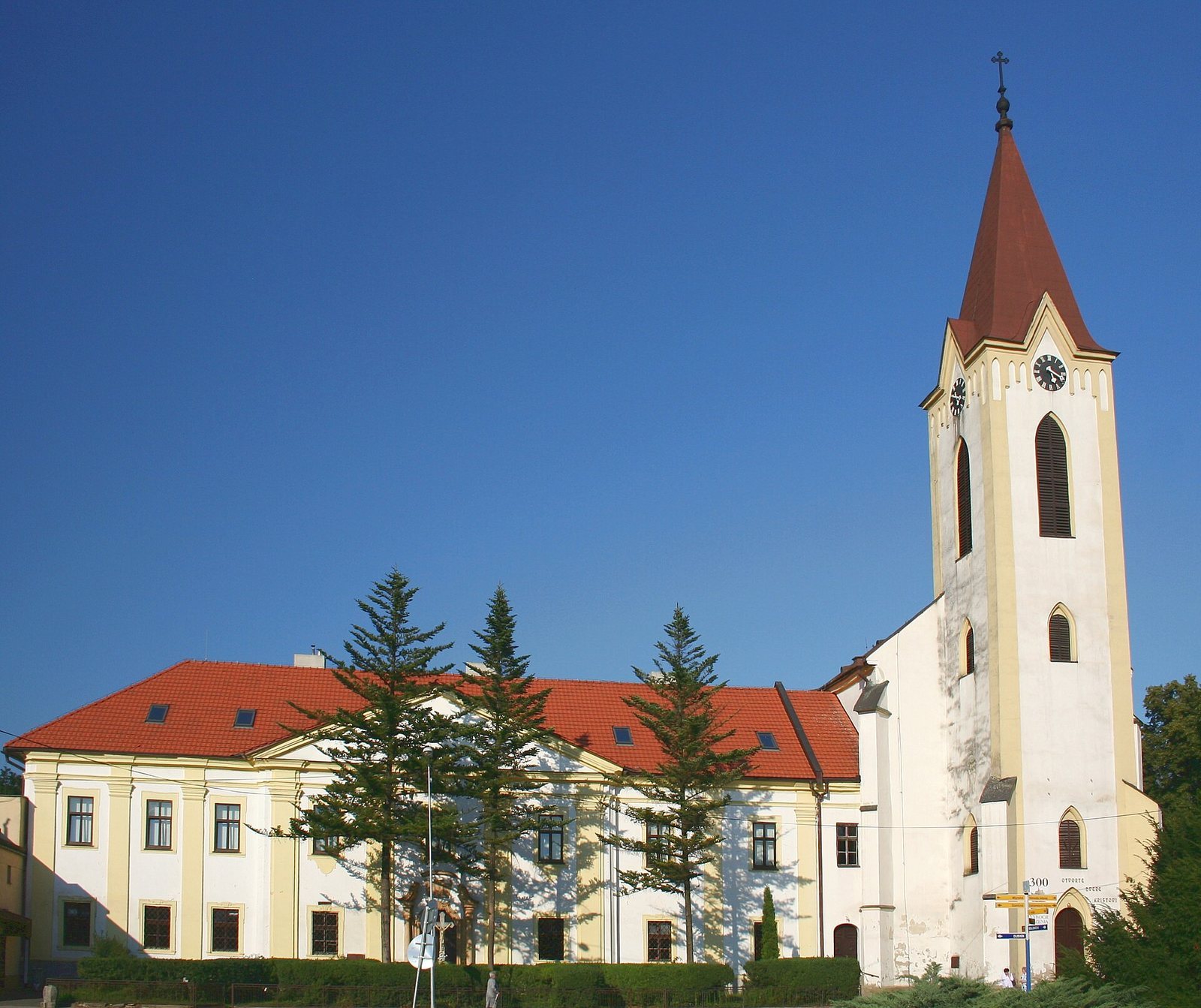
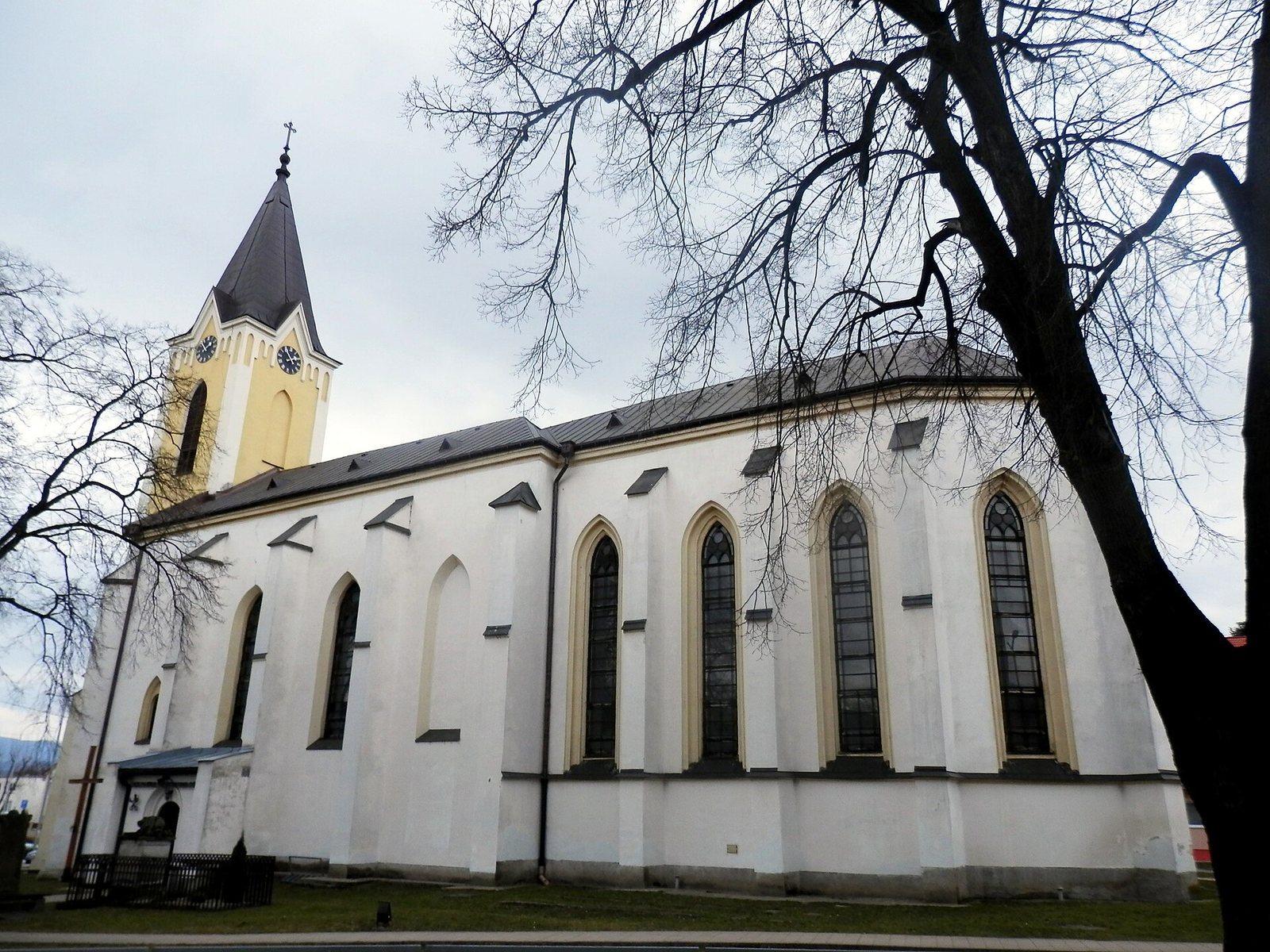
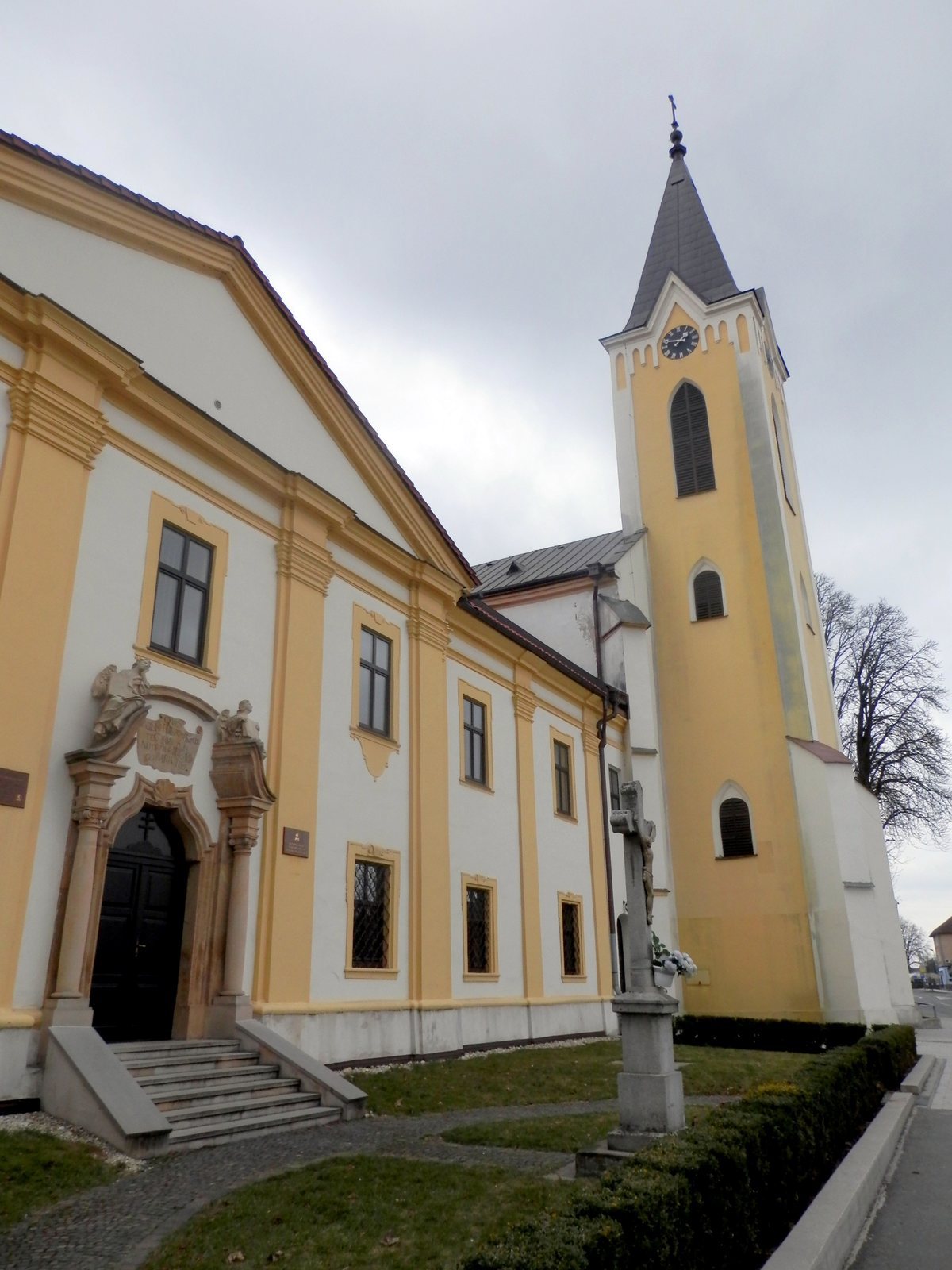
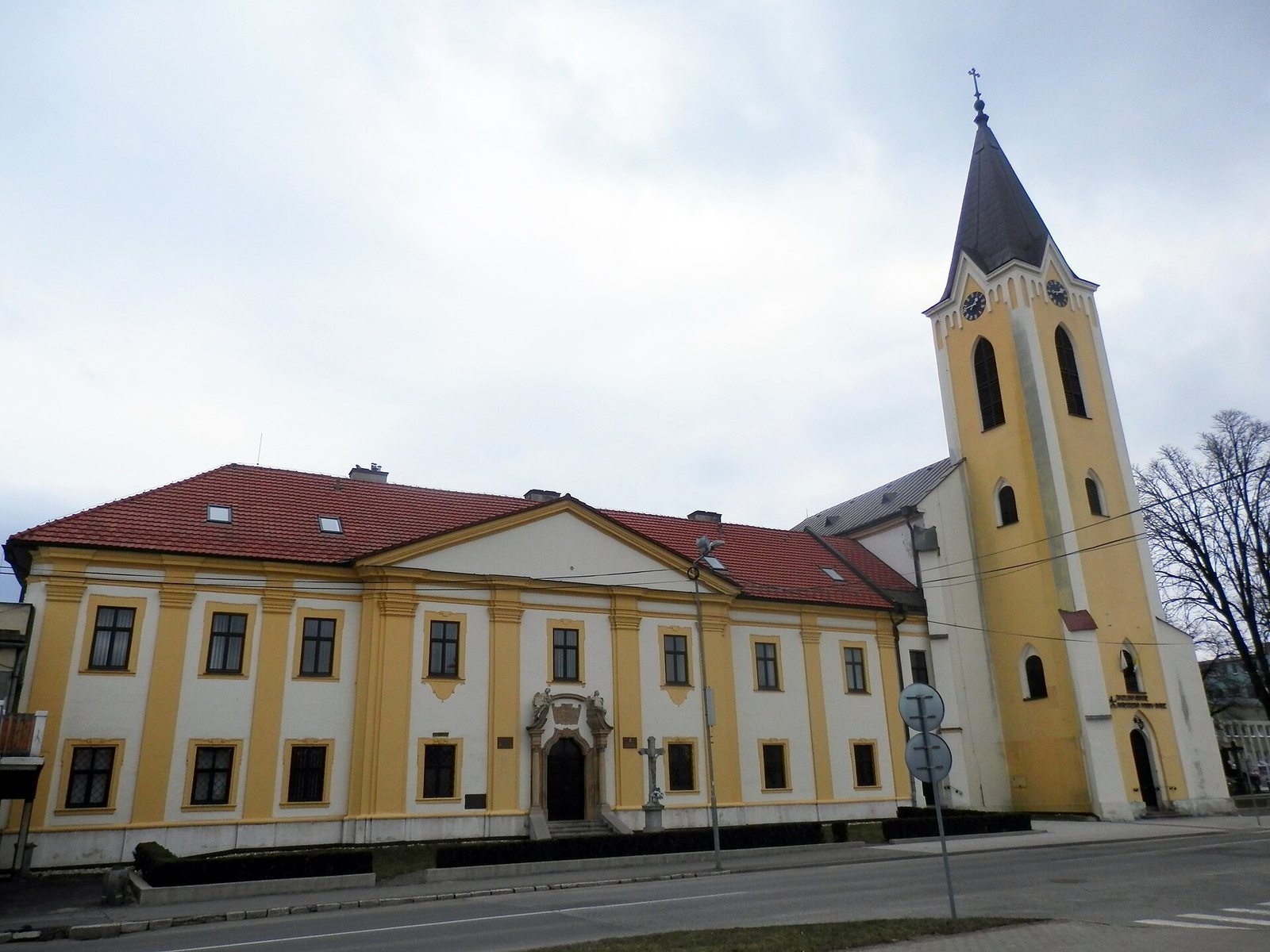
The Basilica of the Birth of the Virgin Mary in Vranov nad Topľou, Slovakia, is a Roman Catholic pilgrimage church constructed around 1441, when a Franciscan monastery was built. The Franciscans belong to a Catholic religious order founded in the thirteenth century. The church is Neo-Baroque in style and is Vranov nad Topľou’s oldest historic monument.
During the Reformation, Evangelicals administered the church from 1540 to 1580. The Paulines, a Catholic monastic order formally known as the Order of Saint Paul the First Hermit, took responsibility for its spiritual administration in 1672.
The Marian image and Pauline administration
In 1708, a painting of the Virgin Mary, whom Christians regard as Jesus’s mother, was brought to the church. Its dedication was changed to the Birth of the Virgin Mary. The image was said to have shed bloody tears in public on 27 August and 2 September that year. Mária Esterháziová was the monastery’s donor. A fire damaged the church and monastery in 1718, but the image survived unharmed.
The Paulines continued to administer the church until Joseph II, a Habsburg ruler and Holy Roman Emperor, suppressed their order in Hungary in 1786. They resumed administration in 1990.
Modern recognition and protection
In 1963, the monastery, church, and a tombstone beside the church were designated Slovak national cultural monuments. On 19 July 2008, Pope Benedict XVI granted the church the title of basilica minor, an honorary designation awarded by the pope. The elevation coincided with the 300th anniversary of the image’s reported weeping. The pilgrimage church is associated with the Archdiocese of Košice and the Vranov nad Topľou-Sever parish, within the Vranov nad Topľou deanery and Eastern Province.
Remains
Church and devotional features
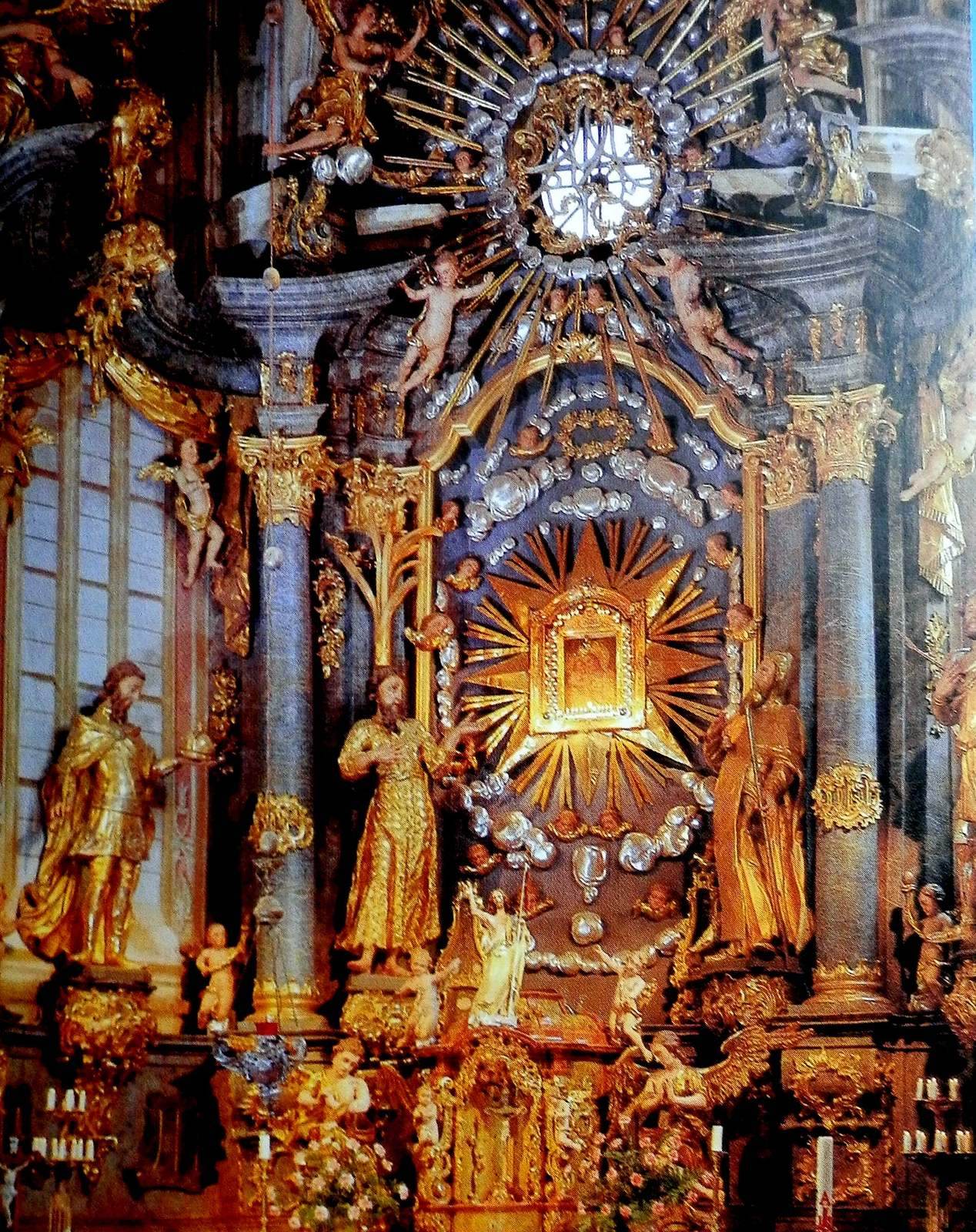
The stone basilica forms part of the Pauline monastery complex, and its interior has Baroque decoration. Johann Lucas Kracker, an eighteenth-century painter associated with the Baroque tradition in Central Europe, painted frescoes inside the church. The main altar is dedicated to the Virgin Mary. Side altars honor Saint Paul the Hermit, an early Christian ascetic, and Saint Clement of Rome, venerated as an early pope. Another altar near the north-side entrance to the main worship space is dedicated to Saint John of Nepomuk, a martyr associated with the seal of confession. The altars and pulpit display finely worked Baroque sculpture, and the church also holds a valuable liturgical set. A reliquary, a container for sacred remains, holds remains of Saint John; a sculptural group of the saint stands outside. A tombstone is situated beside the church.
The Marian image
Painted in oil on canvas, the image depicts the Virgin Mary holding the infant Jesus on her right forearm. It became known as the image of the Virgin Mary of Vranov.
Monastery architecture and painting
The monastery’s original Baroque façade was altered in the Neoclassical style. Its entrance has two columns topped with sandstone Corinthian capitals, the carved upper sections of columns in a classical style. Kracker’s frescoes once decorated the monastery walls. Above the staircase, a surviving vault painting shows Saint Paul the Hermit ascending to heaven in a chariot drawn by two lions.