Barrage Vauban: Strasbourg’s Defensive Bridge-Lock
Site at a Glance
- Rating
- 4.6
- Popularity
- Very High
- Country
- France
- Primary era
- Early Modern
- External website
- Open
- Eras represented
- Early Modern, Modern
- Civilizations
- French, German
- Site type
- Military
- Remains
- Fortified Bridge
On this page8 sections
History
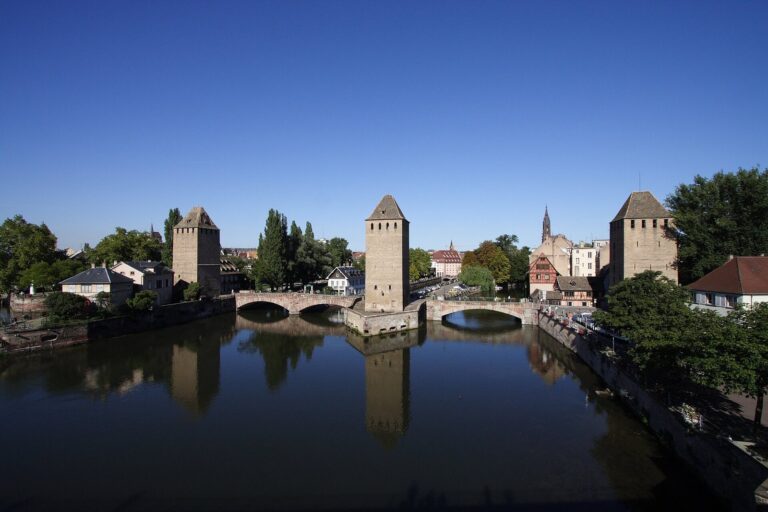
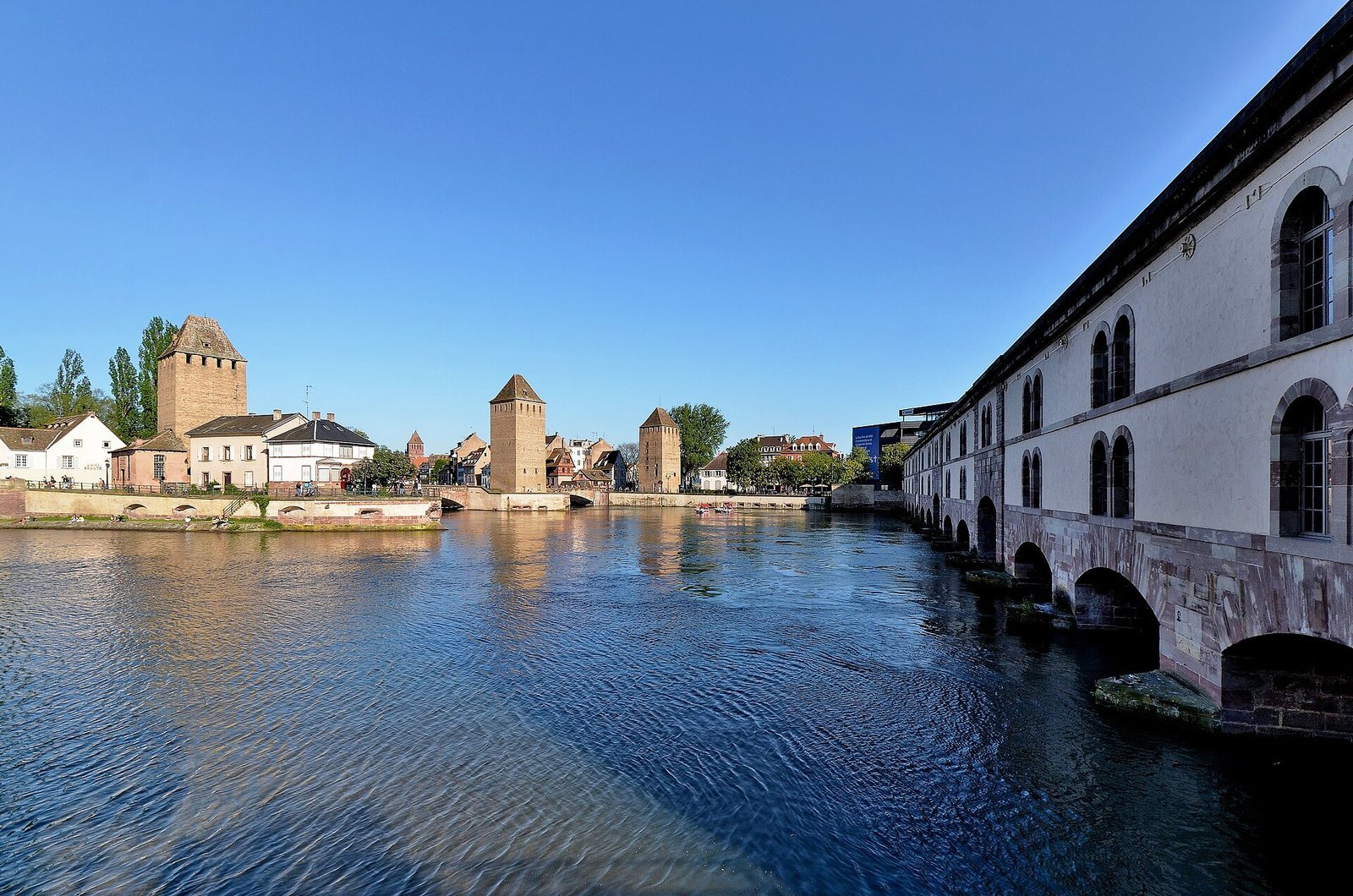
Barrage Vauban is a fortified bridge-lock spanning the Ill in Strasbourg, France, combining a river crossing with a controllable water barrier. French engineer Jacques Tarade built it from 1686 to 1690 to plans by Sébastien Le Prestre de Vauban, a French military engineer and marshal known for his fortification designs. It addressed a weakness in the city’s southern defenses, where the river entered the historic center. Advances in artillery had made the medieval Covered Bridges inadequate protection for that approach.
A defensive flood barrier
Known at the time as the Great Lock, the structure was intended to block the river arches with gates, raise the Ill’s level, and flood land south of the city. Fields and orchards in the largely agricultural area would become marshland that attackers could not cross. This was a defensive flood-control work, not a lock for routine navigation.
Siege and alteration
During the 1870 siege of Strasbourg, Prussian forces faced a defense that flooded areas upstream and inundated northern Neudorf. The siege took place during the Franco-Prussian War, the 1870–71 conflict between France and Prussia and its German allies. After the siege, German authorities added a storey to the barrage.
Public use and preservation
The roof was rebuilt in 1965–66 to create a panoramic terrace, which Strasbourg arranged in 1966. Restoration and safety work between 2010 and 2012 renewed the structure. Barrage Vauban has been listed as a French historic monument since 1971; a further listing in 1995 covered walls belonging to the water-gate defenses.
Remains
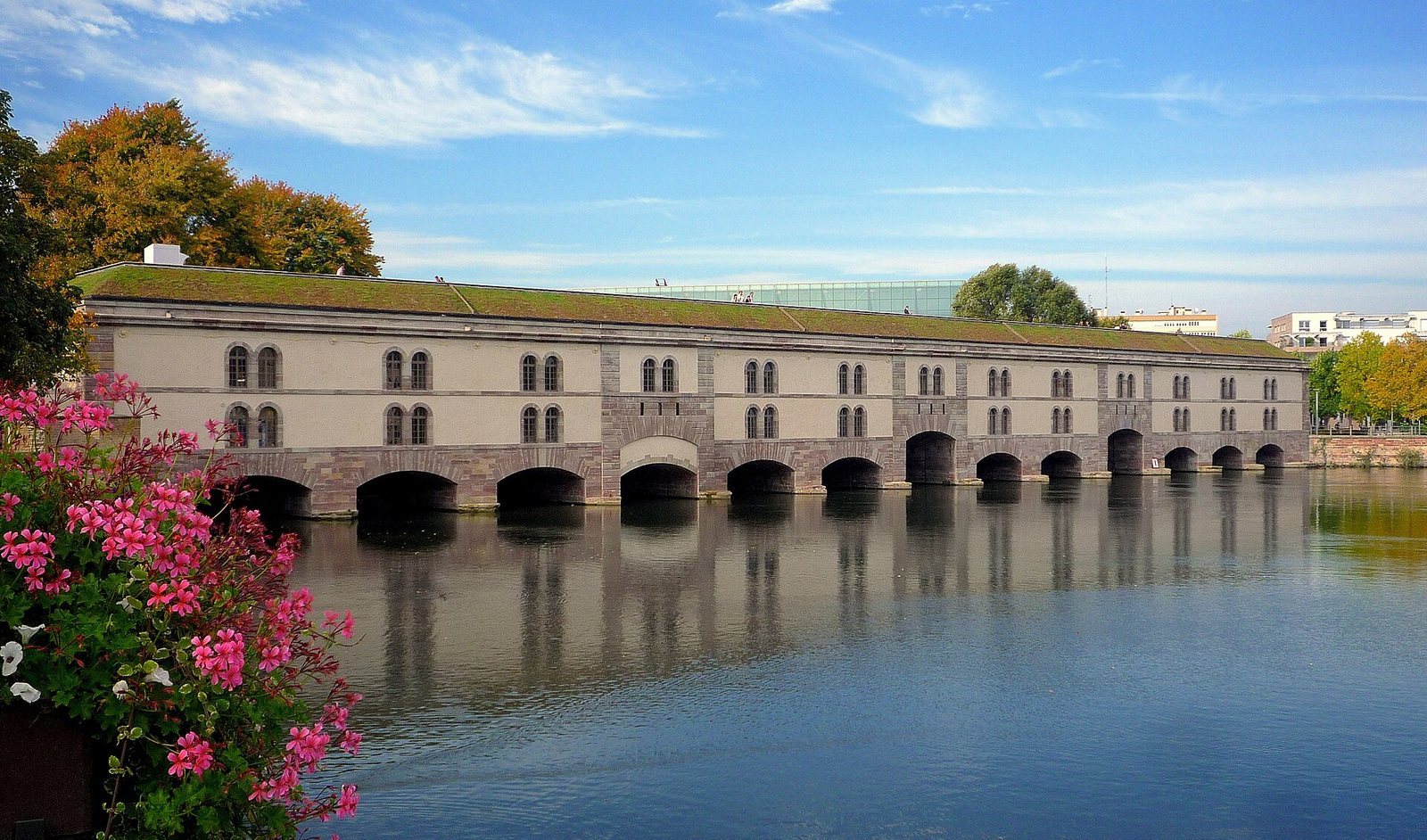
The 120-metre-long structure spans the Ill, built of pink Vosges sandstone. It stands upstream of the Petite France quarter and links Place Hans-Jean-Arp with Place du Quartier-Blanc. The barrage once formed a connection between parts of Strasbourg’s fortifications.
Arches, passage, and terrace
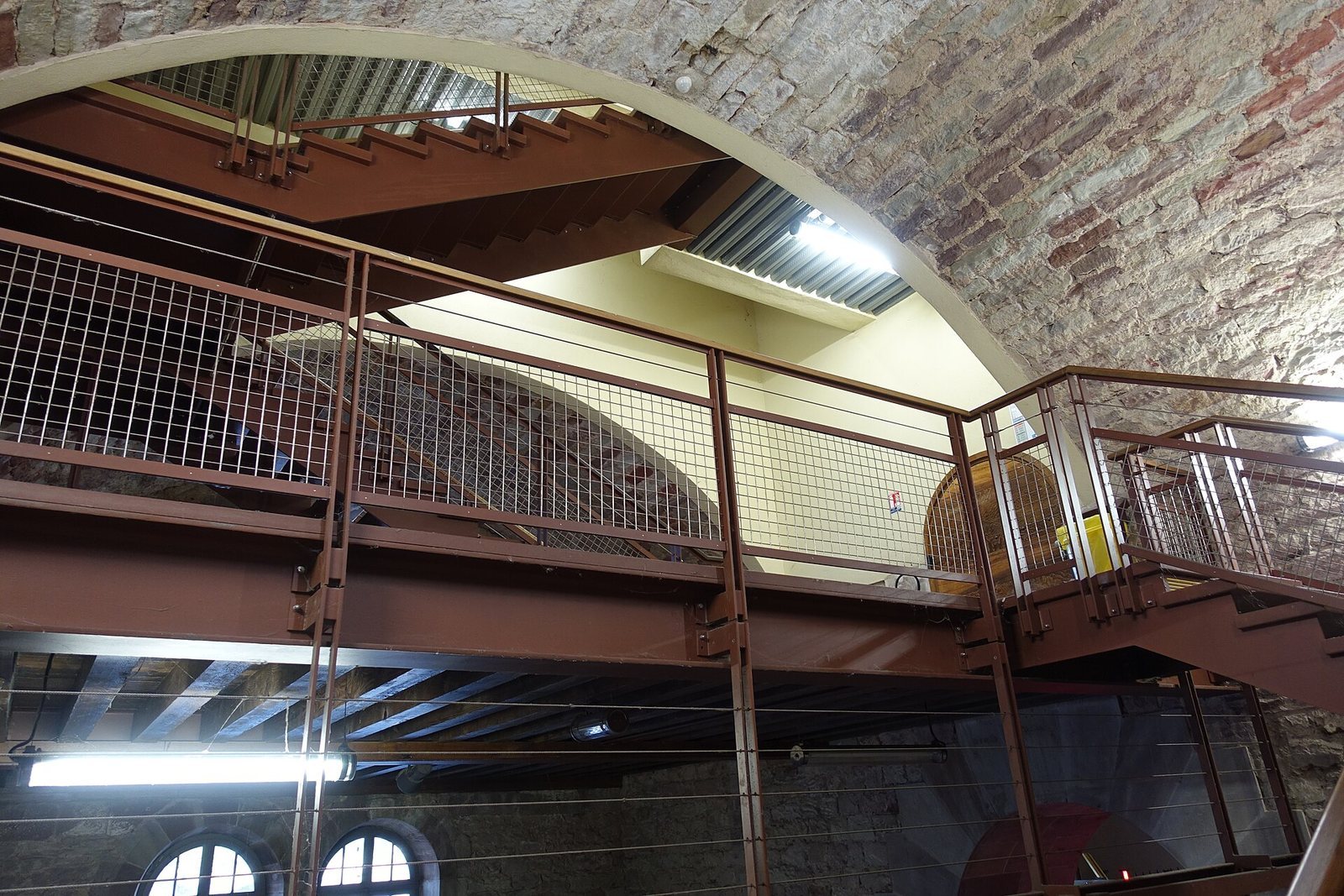
Thirteen arches cross the river. Gates could close them with movable iron panels, while vertically sliding grilles prevented boats from passing. The grilles were raised at the three higher arches used for navigation. Three drawbridges carry the enclosed passage across those arches, and the passage runs from one bank to the other. Two staircases and an elevator connect it to the roof terrace. The roof, once covered with protective earth and later soil and grass, now has a vegetated surface.
Riverbank defenses
Downstream, near the towers of the Covered Bridges, two series of gun embrasures sit close to the water level. They were very likely comparable to batteries at fortified seaports, intended to sink vessels attempting to enter the city. Other elements of the former defenses include an advance post and sections of fortified wall on the right bank, with a connecting wall and bastion on the left, as well as the sluice.
Sculpture display
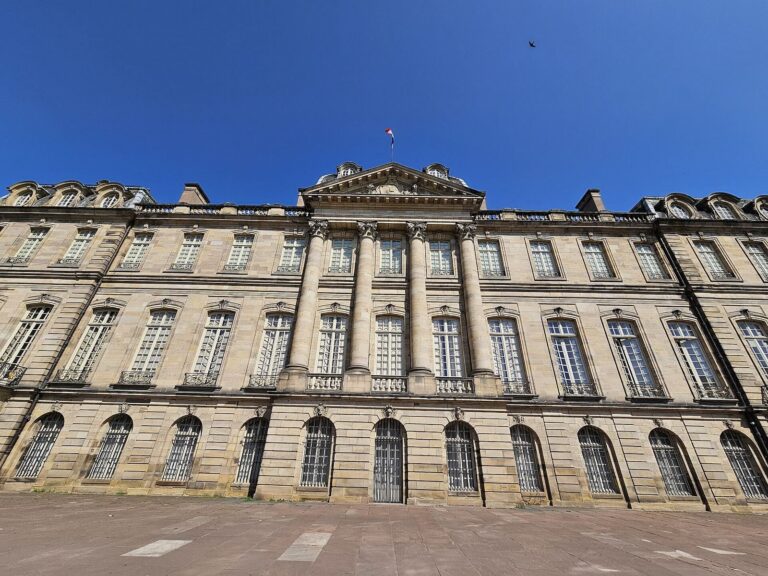
A display in the passage brings together sculptures and plaster casts or copies of statues and gargoyles associated with Strasbourg Cathedral and the Palais Rohan, an eighteenth-century palace in Strasbourg.