Babičko Monastery: A Serbian Orthodox Monastic Complex in Serbia
Site at a Glance
- Rating
- 4.8
- Popularity
- Very Low
- Country
- Serbia
- Primary era
- Modern
- Eras represented
- Early Modern, Modern
- Civilizations
- Ottoman, Serbian
- Site type
- Religious
- Remains
- Monastery
On this page7 sections
History
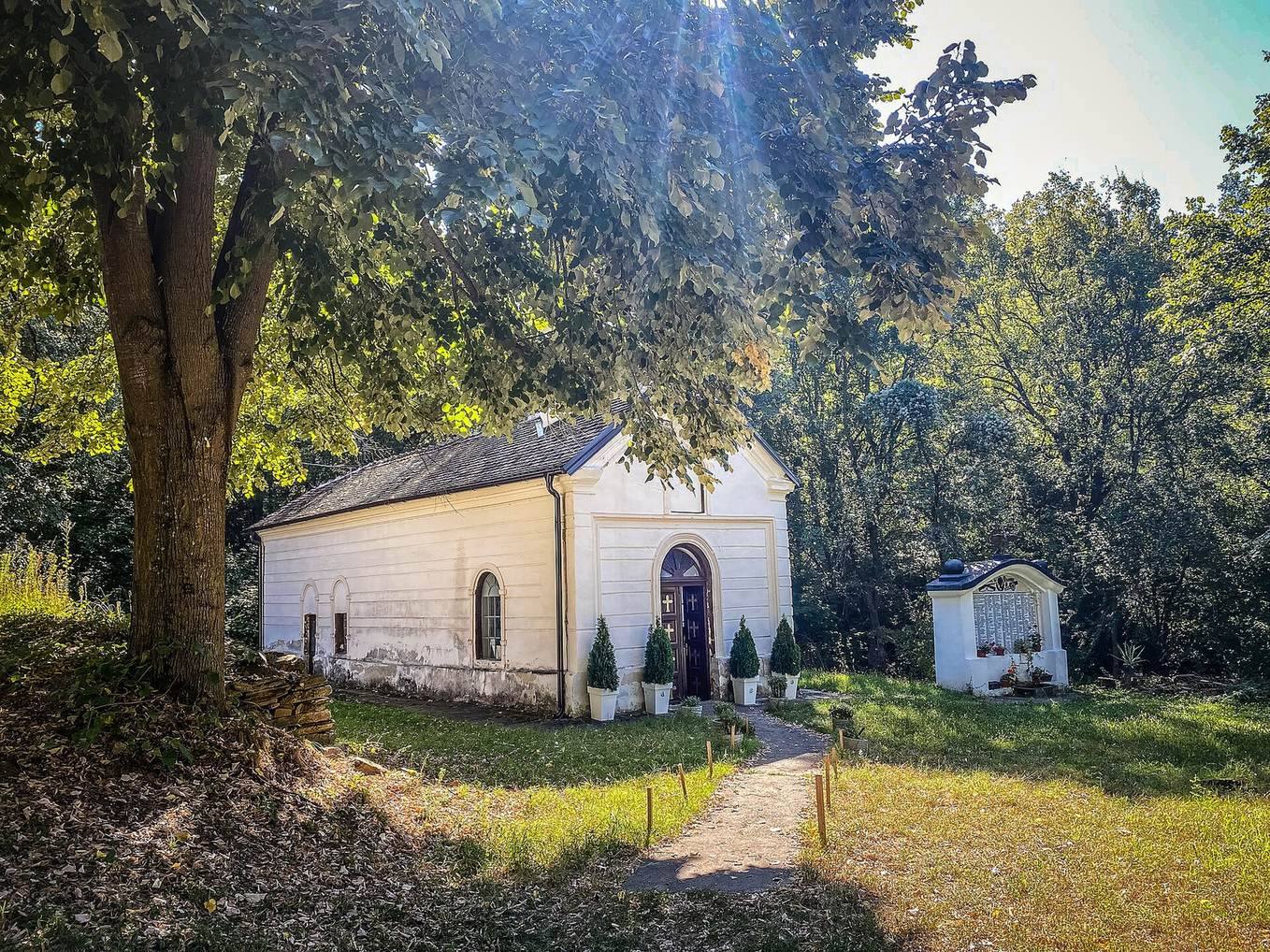
Babičko Monastery is a Serbian Orthodox monastery in Serbia, near Babičko village within the territory of Leskovac. Established in the sixteenth century, it belongs to the Eparchy of Niš, a territorial administrative district of the Orthodox Church generally headed by a bishop. The monastery is consecrated to the Dormition of the Mother of God, while its church, built in 1838, is dedicated to the Descent of the Holy Spirit upon the Apostles.
Foundation and Religious History
The monastery’s founder or benefactor is unknown. Its existence is mentioned in an Ottoman census of 1536, which records the monastery together with the nearby village. This reference places Babičko within the religious landscape of the region during the sixteenth century.
The Monastic School
During the nineteenth century, Babičko Monastery became home to a teachers’ and theological school established in 1868. Accommodation was provided for both the teacher and the pupils. The school was regarded as one of the oldest monastic schools in the Leskovac region, giving the monastery an educational role alongside its religious function.
Memorial and Later Changes
A memorial fountain was erected beside the monastery in honour of soldiers who died in connection with the ideals of sacred Kosovo, liberation, and Serbian unification during 1912–1920. Its marble plaque bears the names of the fallen.
The church was altered in 1926, when its western wall was demolished and a narthex, an entrance or vestibule space attached to a church, was added. Further minor interventions took place in 1971. Babičko Monastery is protected as an immovable cultural property and monument of culture under the responsibility of the relevant institute for the protection of cultural monuments.
Remains
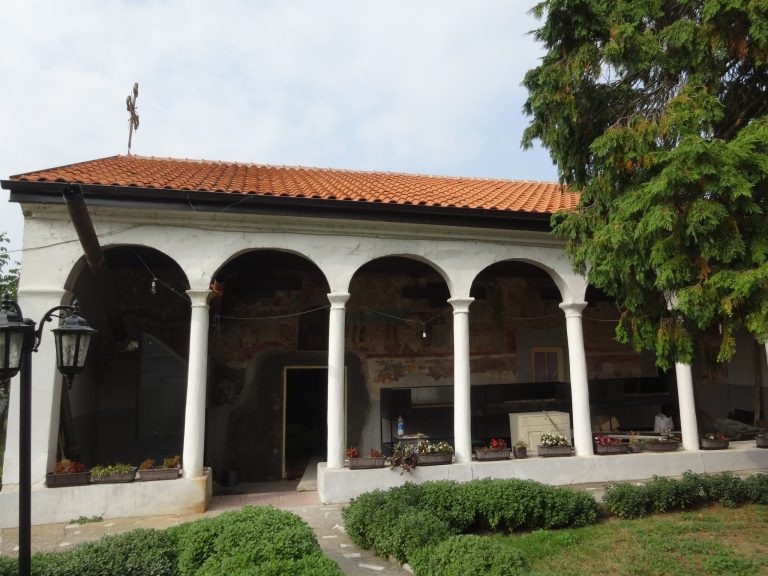
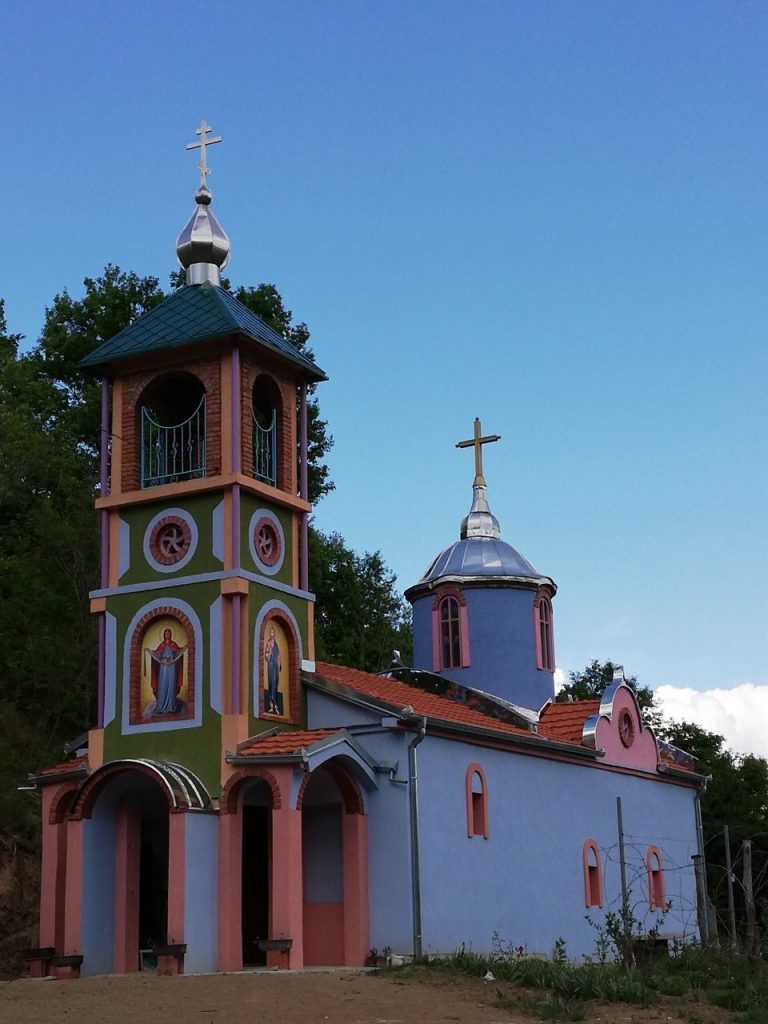
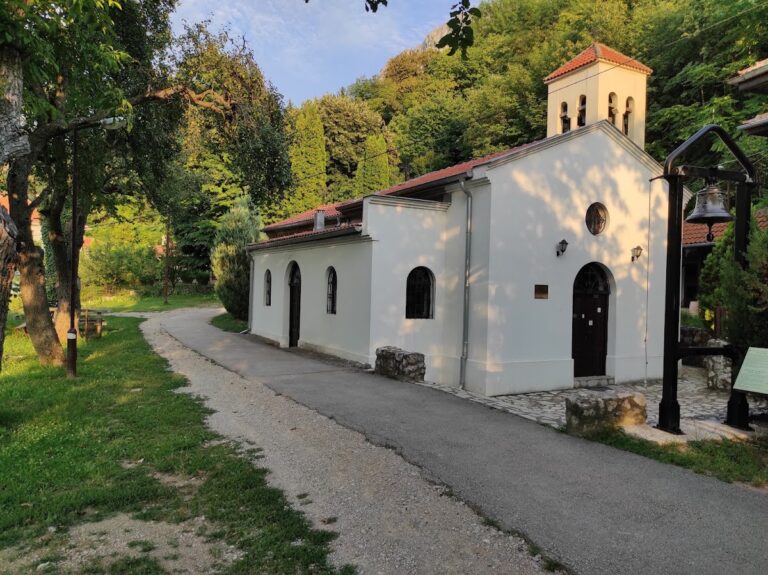
The surviving complex includes a single-nave church with a semicircular apse, the rounded end of a church that often contains the sanctuary. A bell tower, an old nineteenth-century monastery residence, and a new residence built in 2006 stand in front of the church. The narthex added to the west in 1926 has a six-sided dome. It was constructed from rubble stone set in lime mortar and was formerly covered with stone slabs.
Church Interior
Pilasters divide the nave, the principal interior space for worship, into four unequal bays connected by lateral wall arches. Beneath the plain whitewash, traces of older wall painting survive in several places. The north wall preserves four standing saints, including Saint Athanasius and Saint Alexius, while the composition above them can be only faintly discerned. The south wall contains partially visible standing figures of Saint Varlaam and Saint Joasaph.
A standing figure of Saint Nestor appears on a pilaster of the north wall, with Saint Simeon Stylites above it on a column. The soffit of a lateral wall arch contains a standing figure of Saint Athanasius the Great. Above this figure, the arch is decorated with medallions containing busts of saints, and a medallion with busts of hierarchs appears on the east wall.
The church paintings date to around the middle of the sixteenth century and are attributed to a talented artist. Their fresco decoration, meaning wall painting executed on plaster or another wall surface, has exceptional artistic value comparable to that of the Church of Saint John in Jašunje, a locality in the Leskovac area associated with historic Orthodox religious monuments.
Iconostasis and Memorial Fountain
The nineteenth-century iconostasis, the screen separating the sanctuary from the nave in an Orthodox church, has a simple structure and carved wooden Royal Doors. Above the icons in the principal tier is a row of saints shown from approximately the waist upward. These images were painted in tempera, a technique using pigment bound with an adhesive medium, on wood. The iconostasis was produced by an unidentified group of icon painters. Metal fittings on the principal icons bear the incised dates 1838 and 1857.
The memorial fountain beside the monastery incorporates a marble plaque inscribed with the names of the soldiers commemorated for their deaths during 1912–1920. Together with the church, residences, bell tower, and surviving interior paintings, it forms part of the material record of Babičko’s religious, educational, and memorial history.