Avinganya: A Trinitarian Monastery in Spain
Site at a Glance
- Rating
- 4.3
- Popularity
- Very Low
- Country
- Spain
- Primary era
- Medieval
- External website
- Open
- Eras represented
- Medieval, Early Modern
- Civilizations
- Crown of Aragon, Spanish
- Site type
- Religious
- Remains
- Monastery
On this page8 sections
History
Avinganya is a former Trinitarian monastery in Spain, near Seròs on the Segre River, founded in 1201 by John de Matha on the site of an earlier Islamic farm. The Catholic monastery was the first house of the Trinitarian Order in the Hispanic lands, an order traditionally dedicated to the redemption of captives.
Islamic origins and Trinitarian foundation
The name Avinganya derives from Arabic and is associated with Yahya ibn Ali ibn Ghaniya, an Almoravid governor to whom the land was apparently ceded. The Almoravids were a medieval Islamic dynasty that ruled parts of North Africa and the Iberian Peninsula. After Pere de Bellvís was freed from Muslim captivity, he gave the land to John de Matha, who established the monastery in 1201. The bishop of Lleida consecrated its church in 1202.
A female monastery and later transformation
Economic decline led Constance of Aragon to establish and endow a female community at Avinganya in 1250. Constance was an illegitimate daughter of King Peter II of Aragon. The monastery then became the Trinitarian Order’s only female monastery until the sixteenth century. Sibila de Moncada, the sister of Queen Elisenda, served as one of its prioresses, while members of the Moncada family acted as patrons and commissioned a large funerary chapel during the sixteenth century.
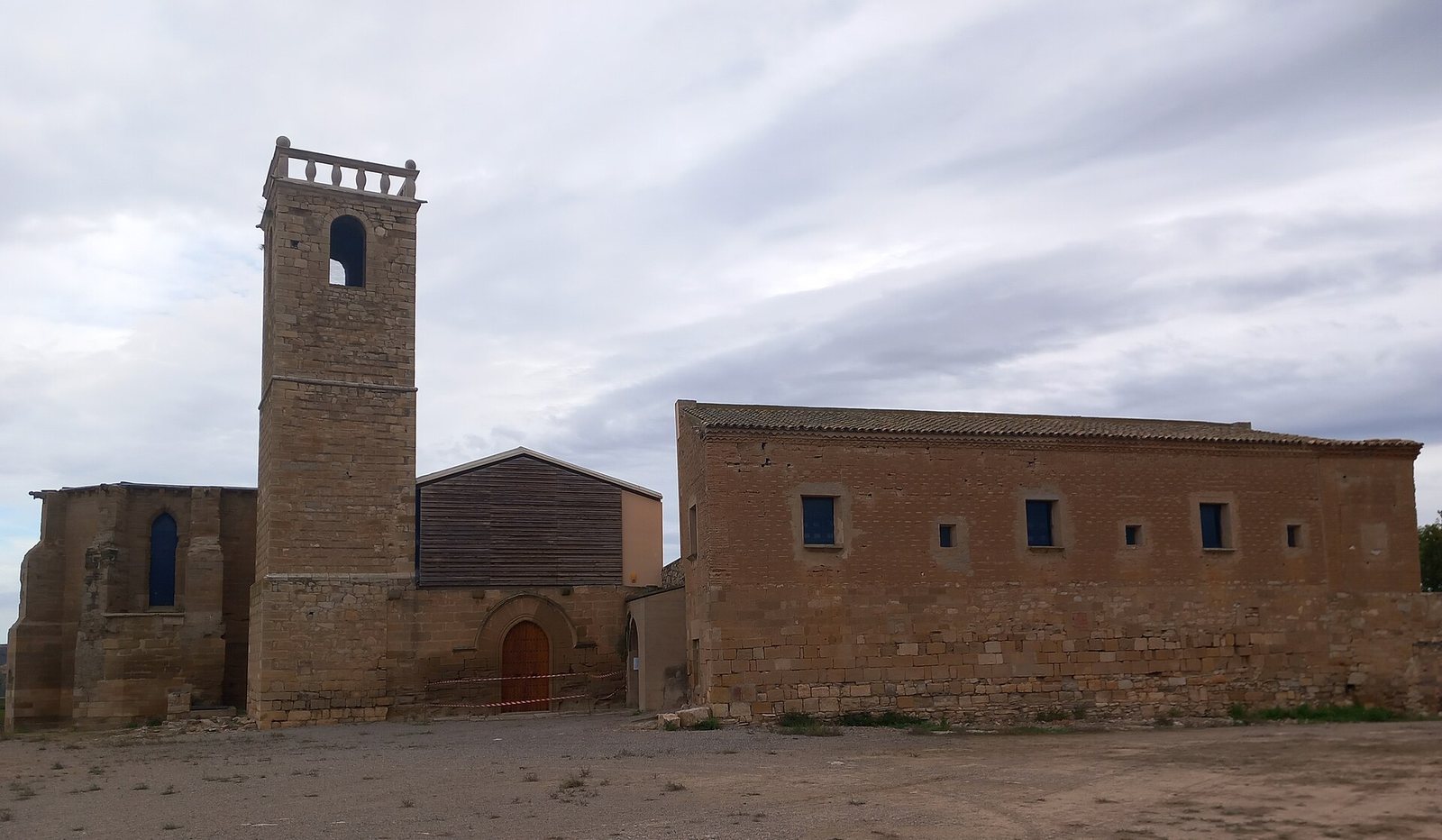
After a severe crisis, Avinganya became a male monastery again in 1529. Its church was rebuilt during the Gothic period, a medieval architectural era associated with pointed arches, ribbed vaults, and greater vertical emphasis, and the building was enlarged in the sixteenth century.
Looting, abandonment, and archaeological work
Avinganya was looted during the Peninsular War, the early nineteenth-century conflict associated with the struggle against Napoleonic rule in the Iberian Peninsula. In 1835 the monastery passed into private ownership. After abandonment, it suffered further looting and damage. Restoration and archaeological excavation have taken place since 1986, including several interventions in the surrounding area. In 2009, the Institute of Ilerdan Studies excavated a cemetery.
The remains are owned by the Provincial Council of Lleida and are registered as a Local Cultural Asset of Interest in the Catalan Cultural Heritage Inventory under code IPA-14663.
Remains
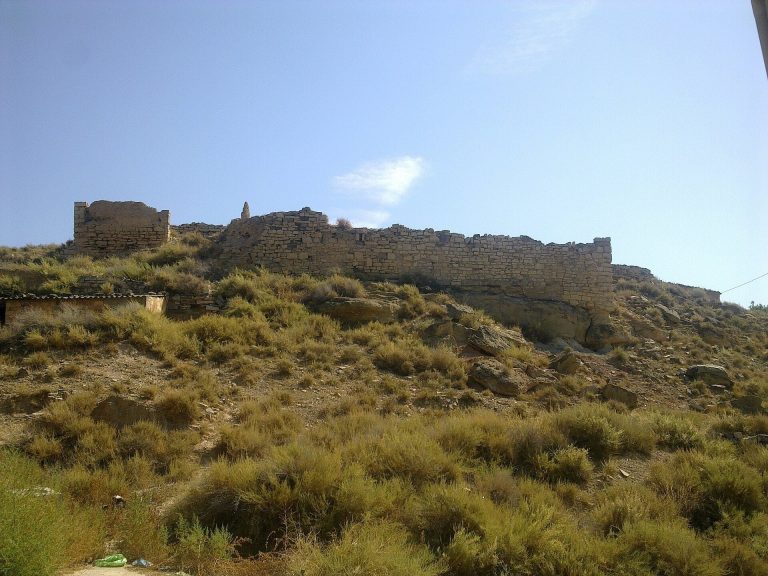
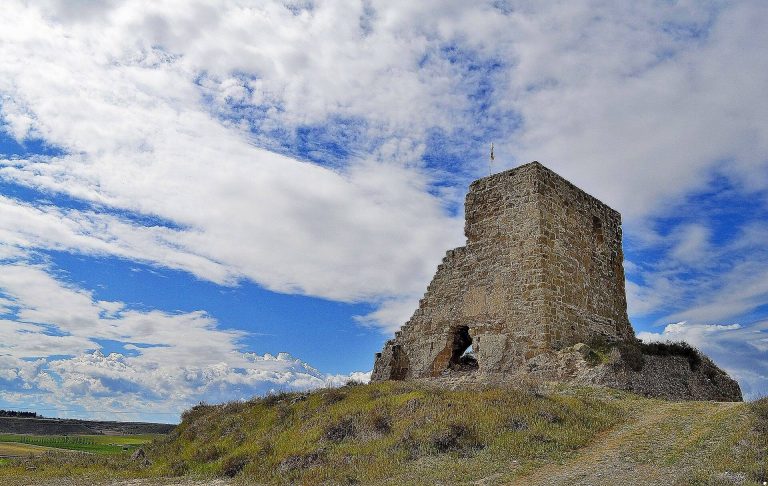
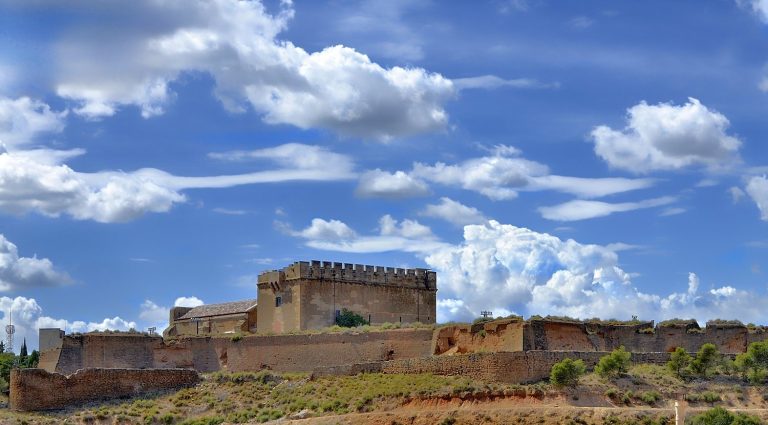
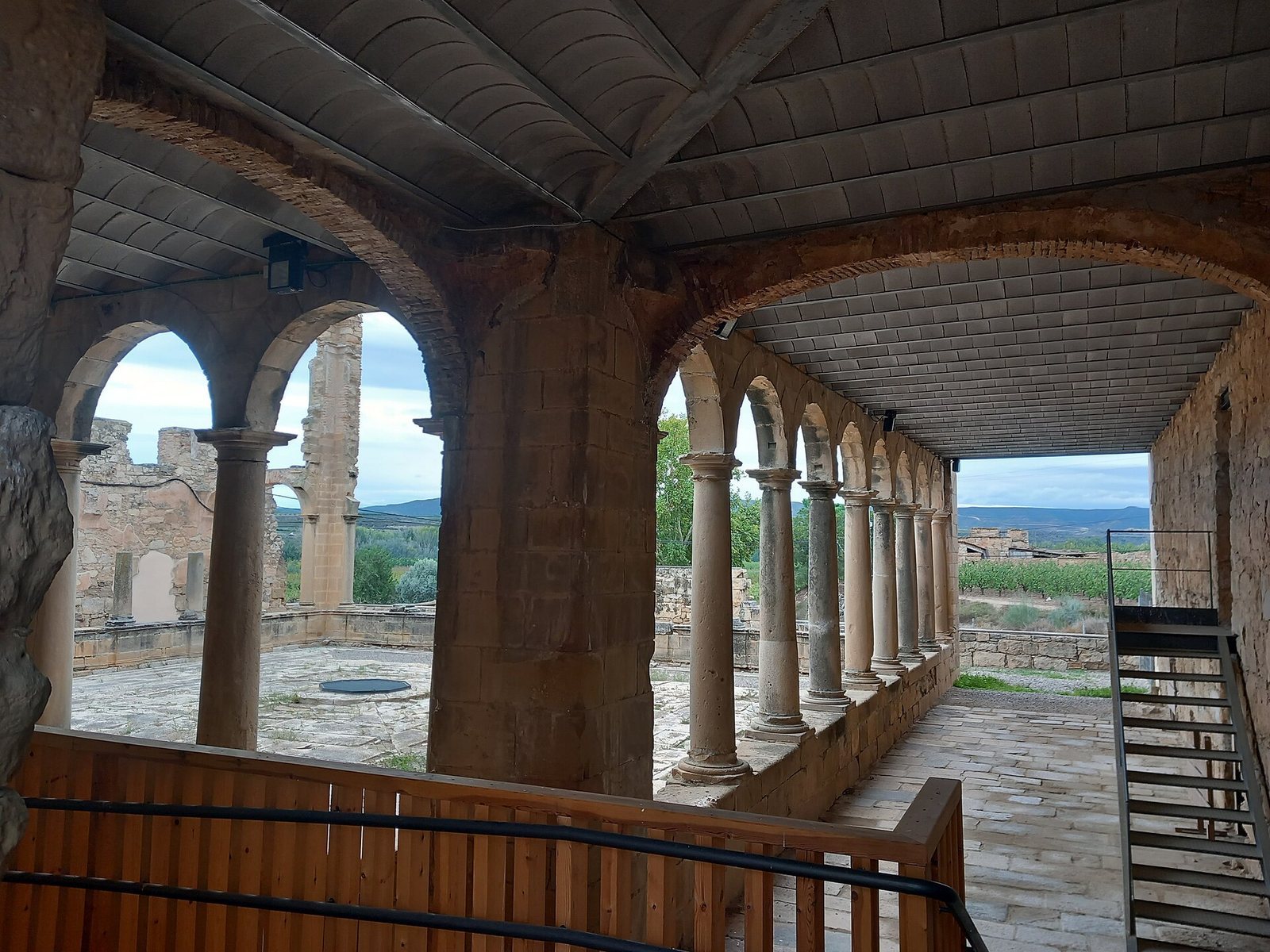
Avinganya stands about two kilometres south of Seròs, on the right bank of the Segre River near the road to La Granja d’Escarp. The monastery was constructed over an earlier Islamic farm, and the foundation of a square tower survives within the complex. The church belongs to the Gothic rebuilding phase and was enlarged in the sixteenth century, when the monastery also included the large funerary chapel commissioned by the Moncada family.
Burial areas
Northeastern cemetery
Four burial or cemetery zones have been identified around the monastery. The northeastern cemetery is the most extensively studied and is considered the oldest cemetery associated with the complex, dating approximately from the eighth to the fourteenth century. It contained 49 graves, representing an estimated 30 percent of the original cemetery. The burials were mainly civilian and included both men and women.
Estimated survival in this population was broadly comparable to that of other rural medieval communities, at approximately 21 to 40 years for both sexes. One man lived beyond 60. At least 34 individuals displayed pathological conditions, particularly joint disease and osteoarthritis. Osteoarthritis was more common in the back among men and in the hands among women, a distribution that may reflect different kinds of physical labor.
The cemetery also contained an adult man with diffuse idiopathic skeletal hyperostosis, or Forestier disease, which involves abnormal calcification and stiffening around the spine. An adult woman had hypertrophic osteoarthropathy, an uncommon condition affecting the bones and soft tissues of the limbs. Other individuals showed congenital conditions, trauma, and infections that followed traumatic injuries.
Other cemetery zones
The remaining burial areas lie inside the church, west of the church at the present monument entrance, and in a small space between the church and the cloister. Together, these zones show that burial took place in several parts of the monastery complex, including both the church and spaces around it.