Asheri Fort: A Historic Hill Fort in Maharashtra
Site at a Glance
- Popularity
- Medium
- Country
- India
- Primary era
- Medieval
- Eras represented
- Medieval
- Civilizations
- Unclassified
- Site type
- Military
- Remains
- Fort
On this page7 sections
History
Asheri Fort is a stone hill fort in Palghar district, Maharashtra, India, built about 800 years ago by Bhojraja of the Shilahara dynasty, a medieval ruling house in western India. Its later history reflects changing regional control, and under Portuguese rule it marked the northern boundary of Portuguese territory.
Shilahara and regional rule
After its construction, Bimb Raja of Mahim in Palghar captured the fort from the Kolis, a community historically associated with western India’s coastal livelihoods. It later came under the Gujarat Sultanate, a medieval Muslim kingdom based in Gujarat.
Portuguese control
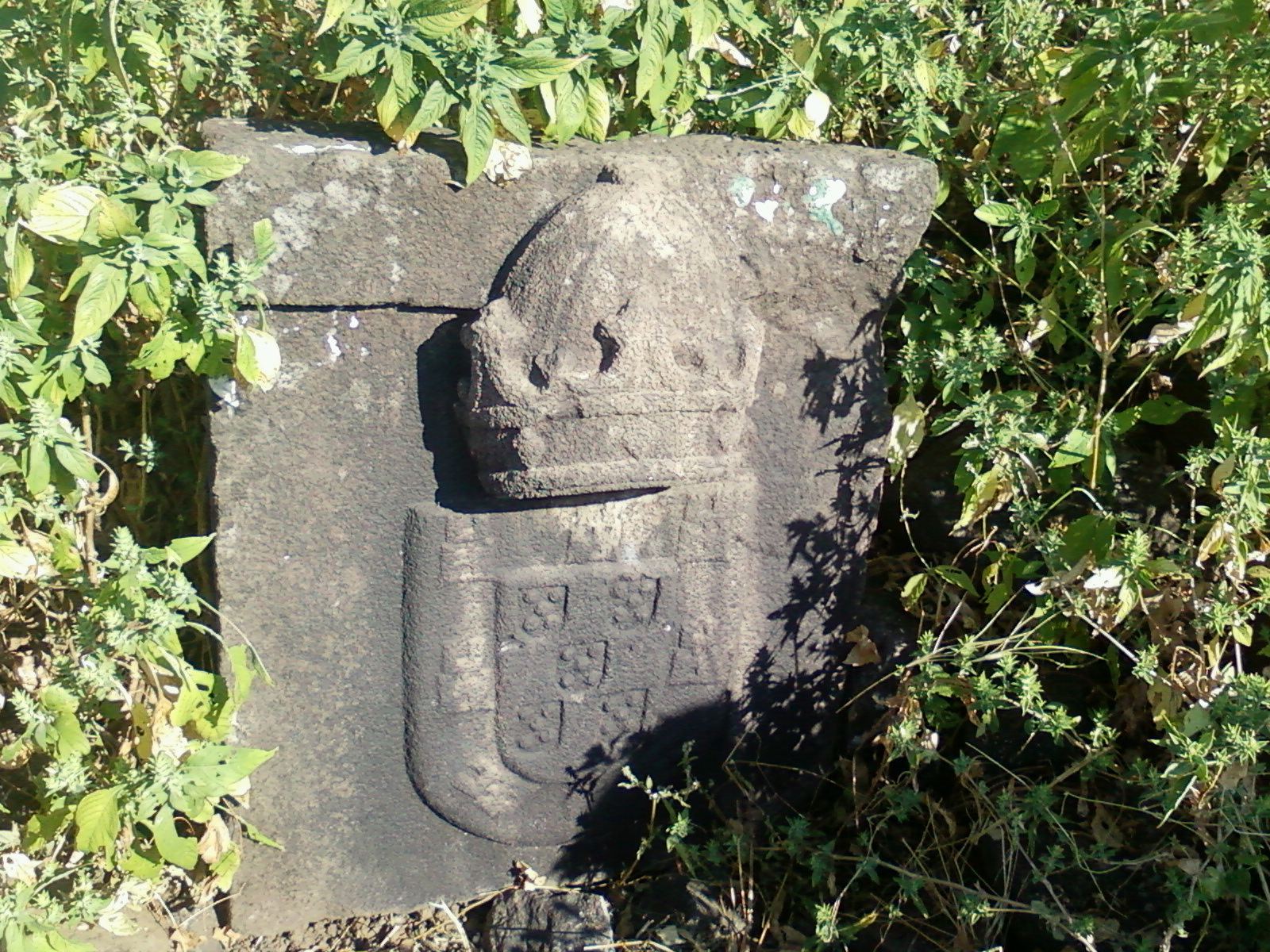
In 1556, Antonio Moniz Barreto, the Portuguese captain of Bassein, annexed Asheri after bribing its commander, who came from Abyssinia, the historical name for Ethiopia and its surrounding highlands. The fort then marked the northern limit of Portuguese territory and became the administrative center for 38 villages and six parishes, or local church districts.
Maratha and British rule
In 1737, Maratha forces led by Chimaji Appa captured the fort during a campaign against the Portuguese Northern Province in India. Antonio Cardim de Frois, newly appointed General of the North, regained it in a counterattack. In February 1739, the fort passed definitively to the Marathas.
Captain Dickinson captured Asheri in 1818, bringing it under the British East India Company, an English trading company that had acquired governing power in India. Local villagers have carried out restoration work at the fort.
Remains
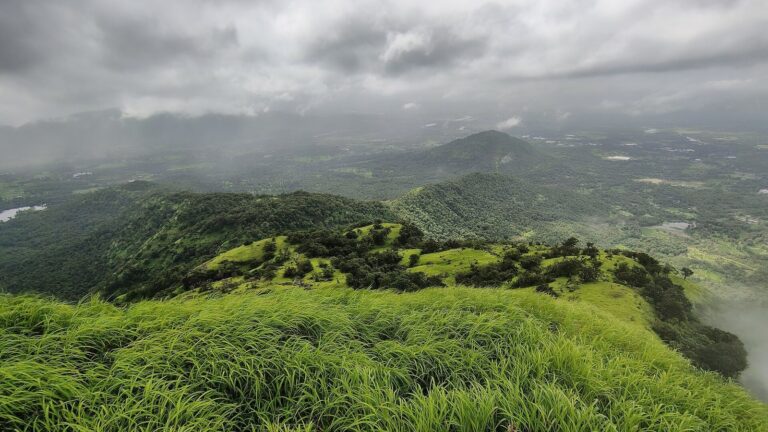
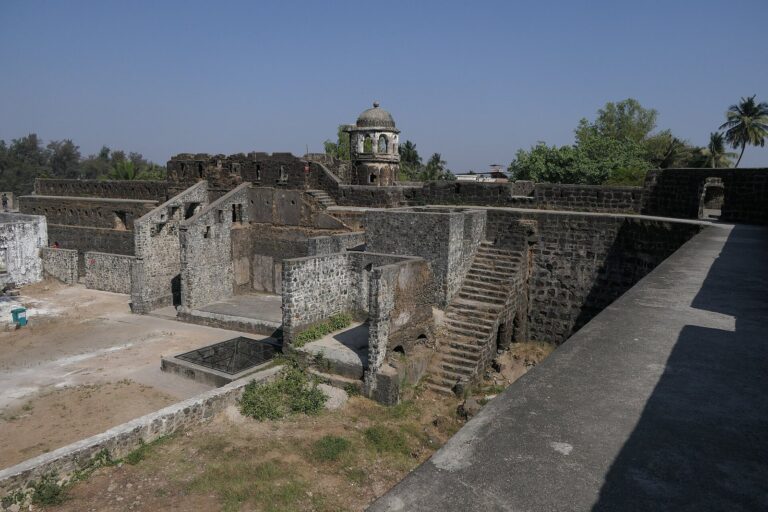
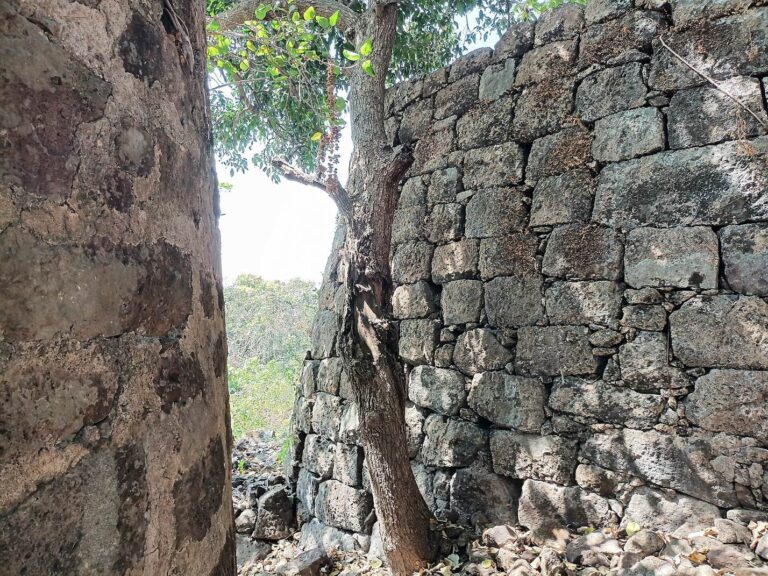
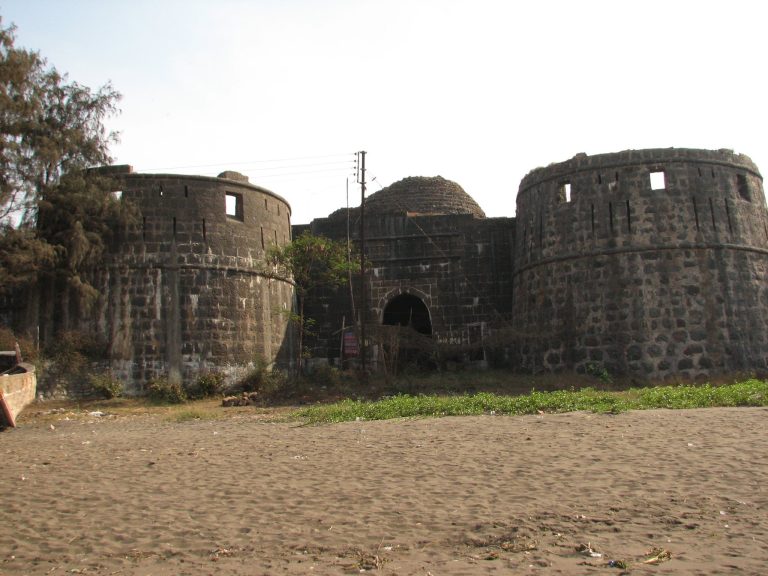
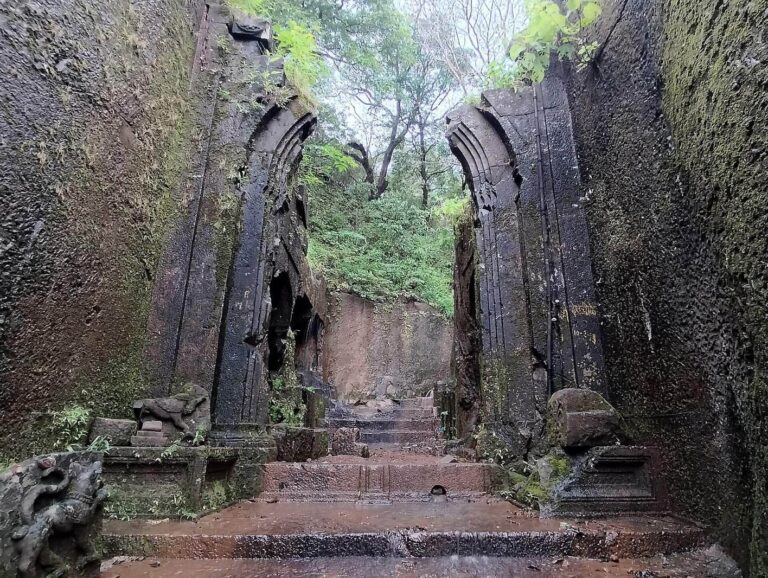
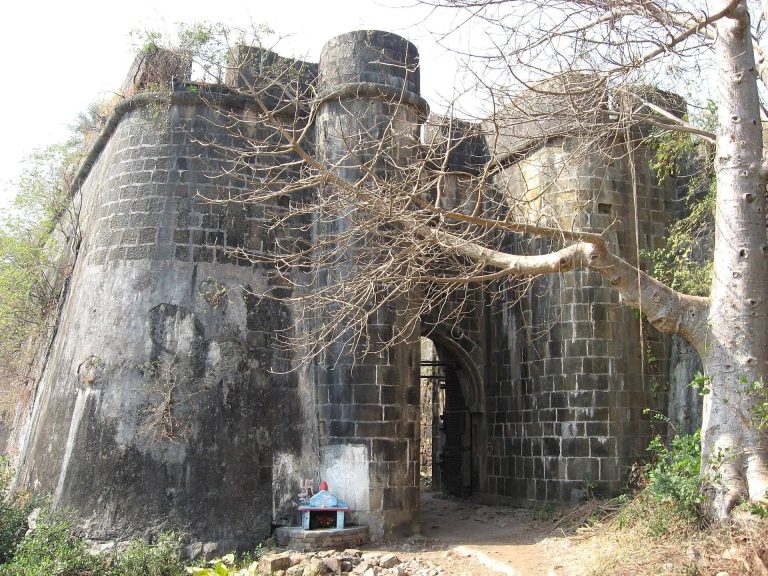
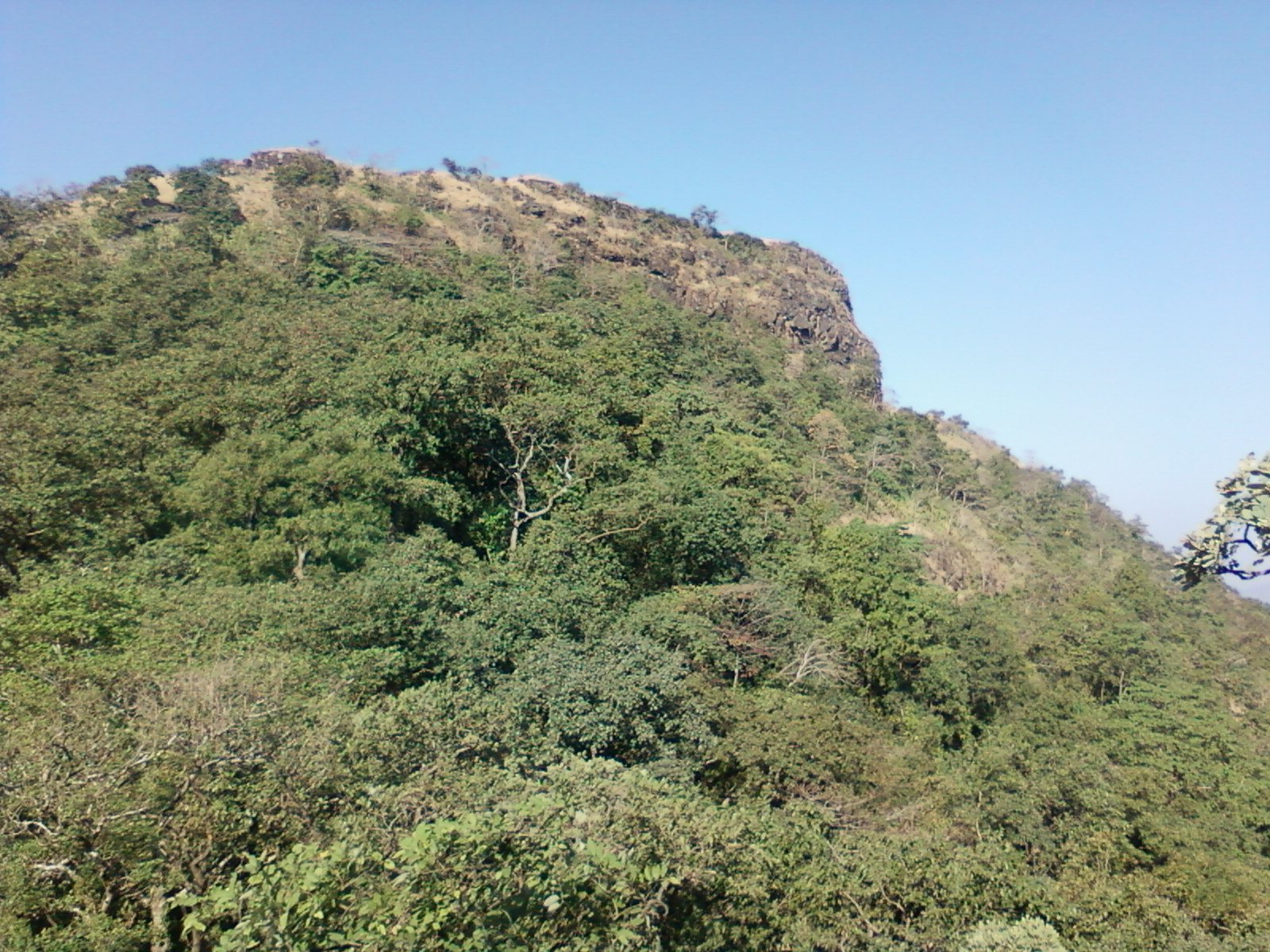
Asheri Fort stands on hills near Mendhavan Khind and the Mumbai-Ahmedabad highway. Its recorded height is 1,680 feet (510 metres). Built of stone, the fort is now in ruins.
Water features
The fort had twenty water cisterns and two ponds. A rock-cut pond is among its noted features and is described as full of lotus flowers.
Cave
A cave on the fort is inhabited by a sadhu, a Hindu religious ascetic.