Amouda: A Medieval Castle in Cilicia, Turkey
Site at a Glance
- Rating
- 4.5
- Popularity
- Medium
- Country
- Turkey
- Primary era
- Medieval
- Eras represented
- Medieval
- Civilizations
- Crusader, Kingdom of Cilicia, Teutonic Order
- Site type
- Military
- Remains
- Castle
On this page8 sections
History
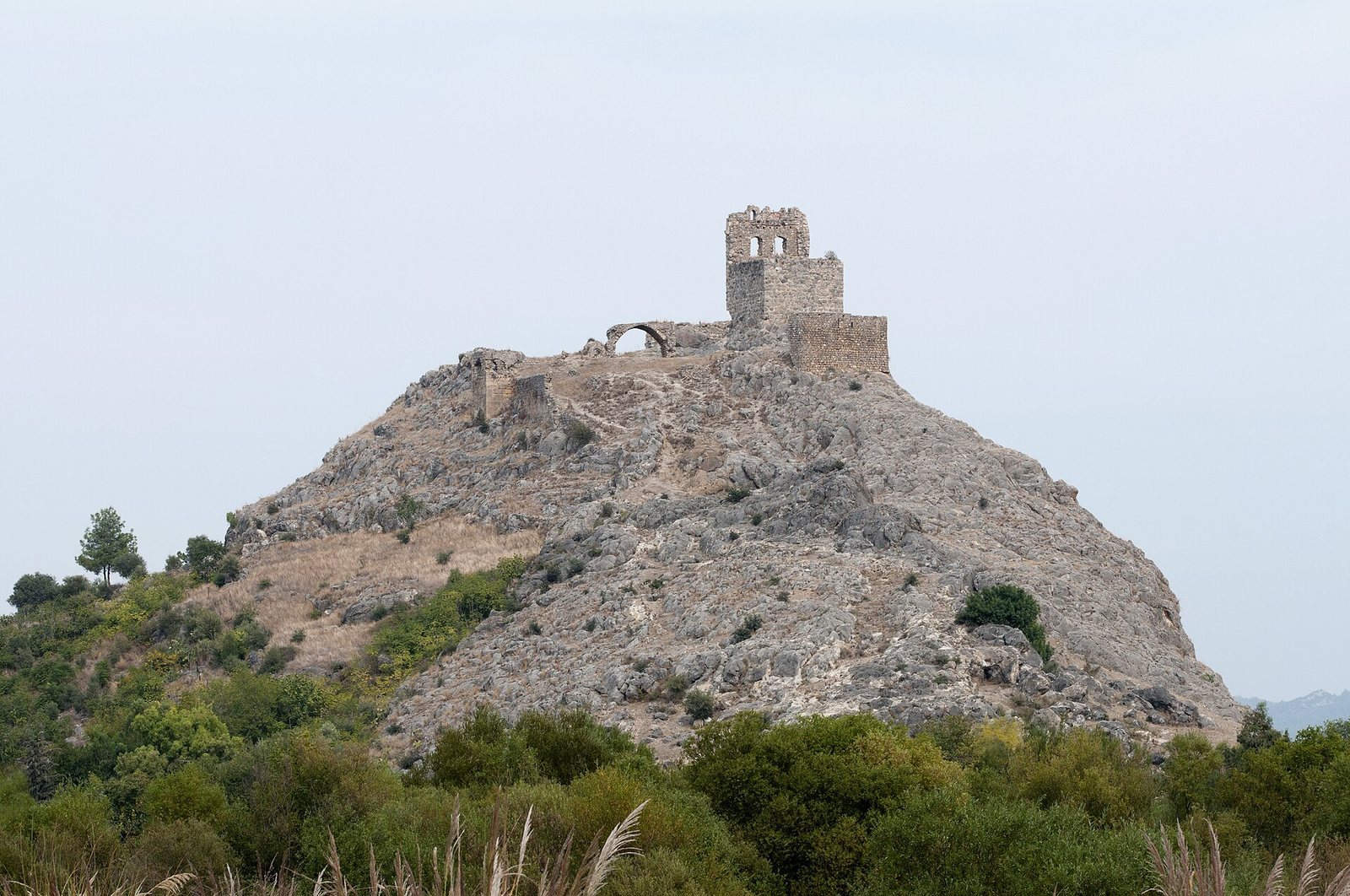
Amouda is a ruined castle at Gökçedam in present-day Turkey, in the historic region of Cilicia. It existed before 1145, although its builders are unknown, and belonged to the Armenian Kingdom of Cilicia, a medieval Armenian kingdom in southeastern Asia Minor, before becoming a Crusader castle.
Early Armenian rule
The castle has also been attributed to pirates, but who built it is not known. In 1145, Thoros II, ruler of the Armenian Kingdom of Cilicia, captured Amouda.
The Teutonic Knights
In 1212, King Levon I, also known as Leo II, granted Amouda to the Teutonic Knights, a medieval military religious order, during a visit by the order’s leader, Hermann von Salza. The Knights used the castle as their local headquarters in Cilicia and drew revenue from the surrounding land.
Mamluk capture and later study
In 1266, Mamluk forces captured and plundered Amouda during an invasion. The Mamluks were a military ruling class whose sultanate governed Egypt and, at various times, neighboring regions. The castle reportedly sheltered about 2,000 people during the attack. A historical and archaeological assessment of Amouda, including a surveyed plan, was published in 1987.
Remains
Site position and plan
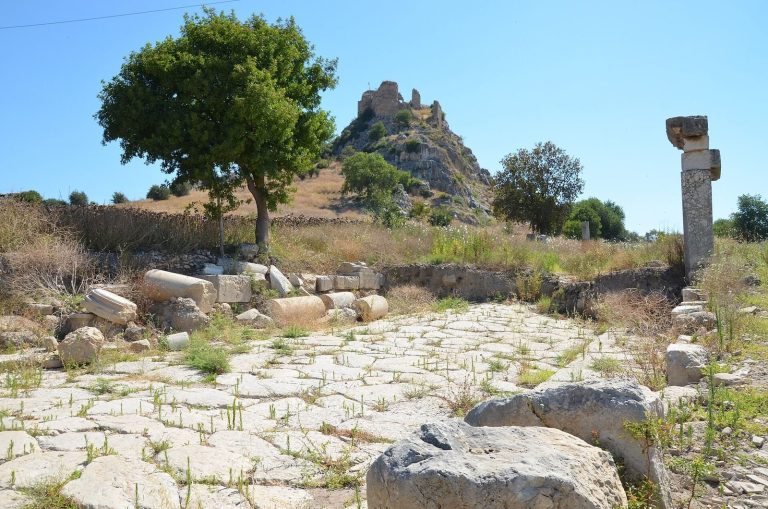
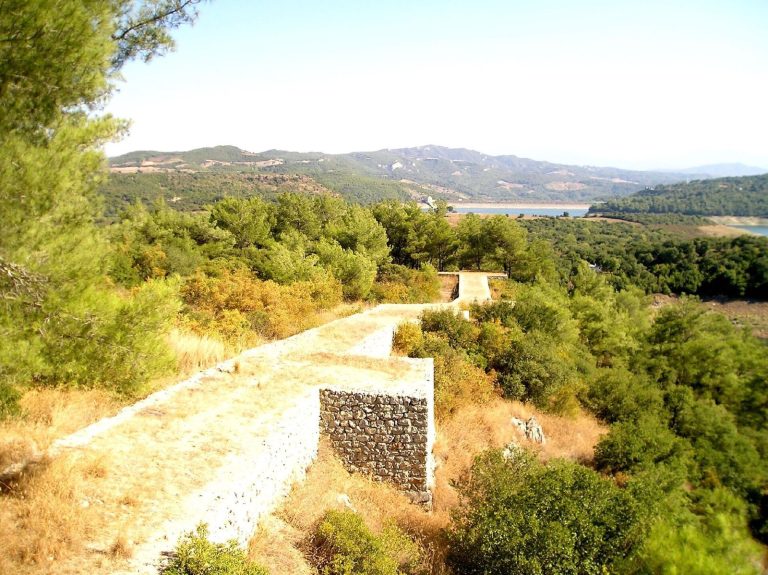
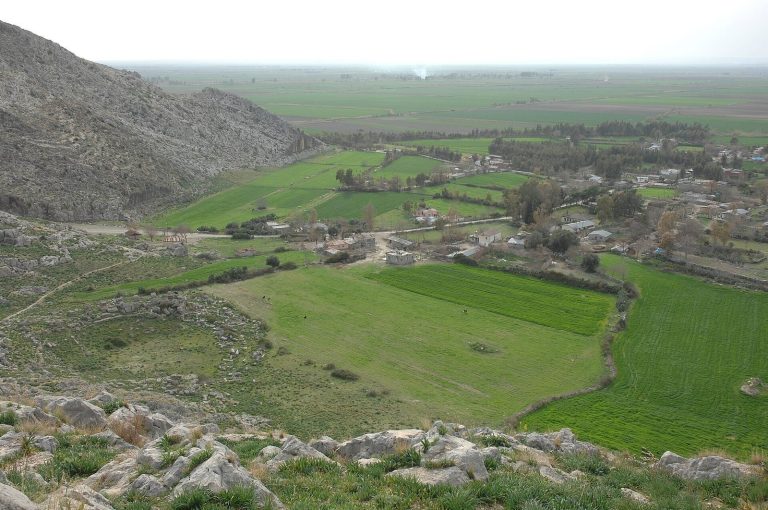
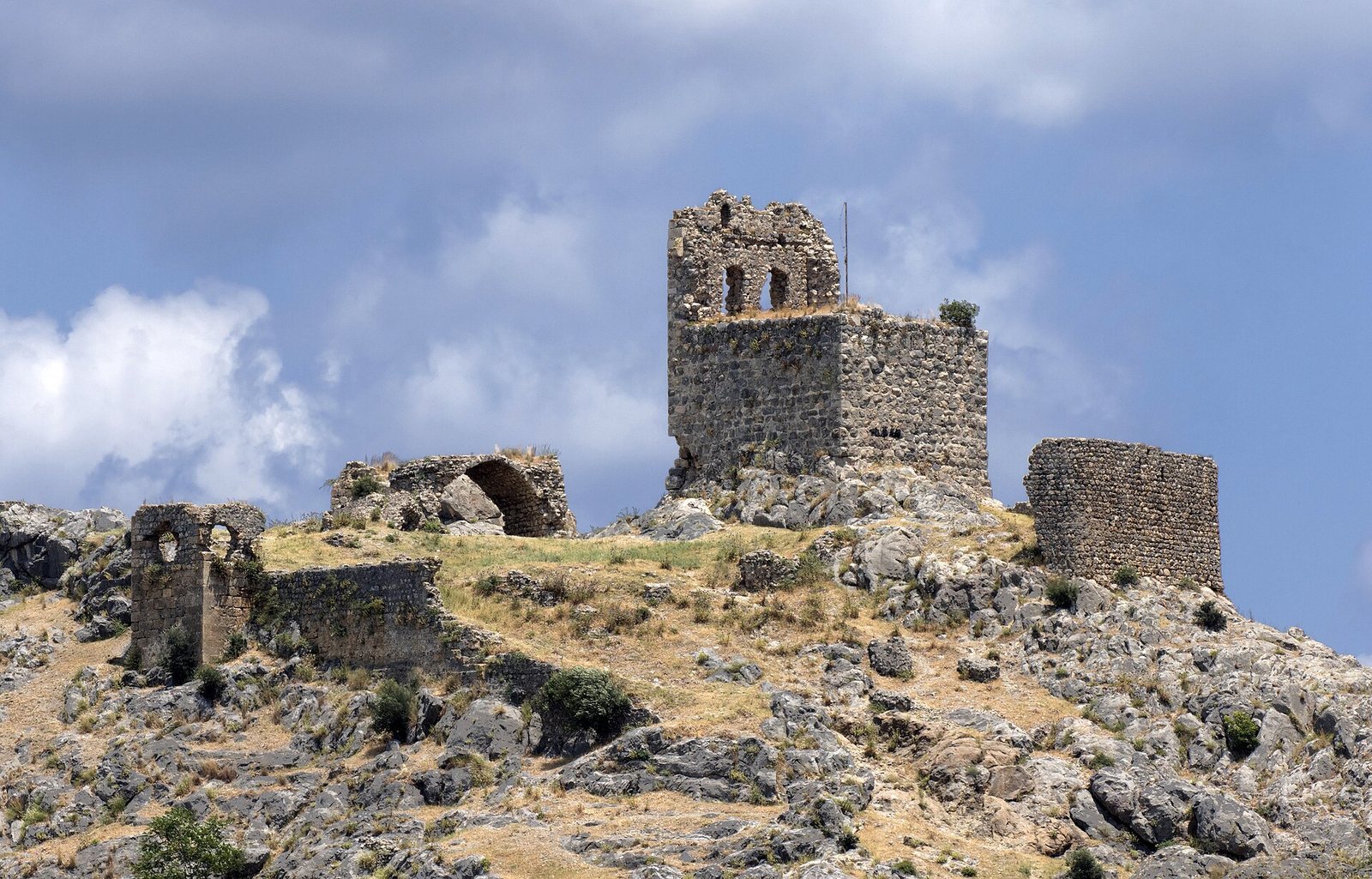
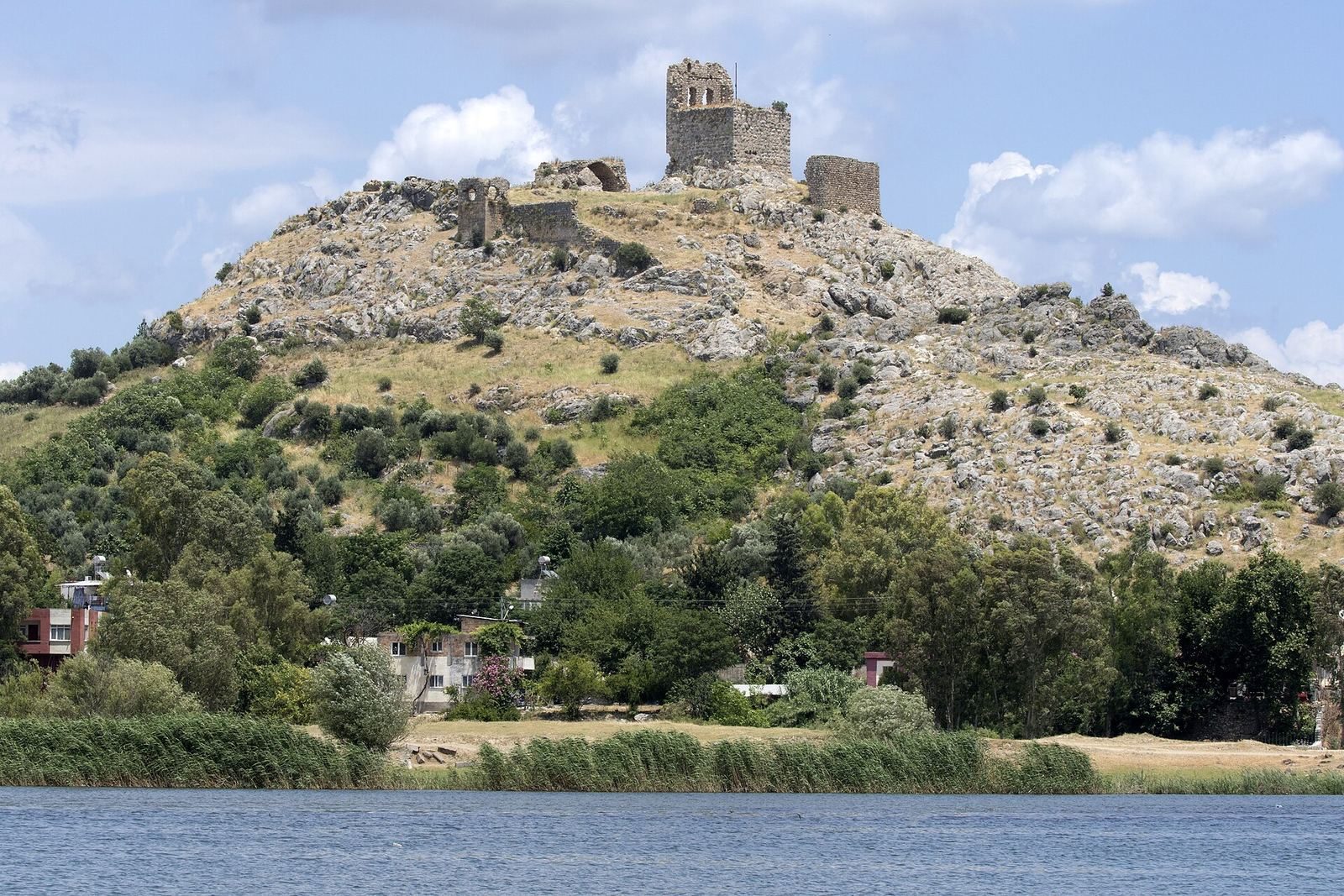
Amouda stands east of Gökçedam on a rocky outcrop about 40 metres above the plain and approximately 300 metres northwest of the Ceyhan River. The castle has a simple rectangular plan in the Çukurova Plain, within the region of Cilicia. In antiquity, routes from the north across the Antitaurus toward Syria crossed here with routes linking Cilicia and eastern Anatolia. A Hittite rock relief on the nearby riverbank also points to the importance of this crossing. From the outcrop, the castle has clear lines of sight to at least five other forts.
The keep
A four-storey keep, the castle’s principal fortified tower, dominates the southwest side and guards the entrance. Cisterns, storage tanks for water, occupy its lowest level.
Masonry and design
Masonry indicates at least three major periods of construction or repair, with the most prominent contribution dating to the Crusader occupation. The castle’s design has been compared with the Teutonic Knights’ castle at Montfort, particularly its keep defending the entrance, and differs from the Armenian designs used for comparison.