Altenhohenau: A Dominican Nuns’ Monastery and Pilgrimage Church in Bavaria
Site at a Glance
- Popularity
- Medium
- Country
- Germany
- Primary era
- Early Modern
- Eras represented
- Medieval, Early Modern, Modern
- Civilizations
- Duchy of Bavaria, Electorate of Bavaria, German, Holy Roman Empire
- Site type
- Religious
- Remains
- Monastery
On this page13 sections
History
Altenhohenau was a Dominican nuns’ monastery in Griesstätt, Bavaria, Germany, on the Inn River. Founded in 1235 by Count Konrad von Wasserburg and his wife Kunigunde, the monastery developed around an earlier church and became known as a pilgrimage church. Its church’s history spans medieval and later architectural periods, including a Rococo interior.
A church and a new community
A charter for Wasserburg from 1137 refers to a church at Hohenoue. The nearby ford carried a salt-transport route from Salzburg and Reichenhall toward Munich and Regensburg. The church that stood at the site before the monastery was dedicated to Saint Peter.
Konrad and Kunigunde founded a community of Dominican nuns in 1235. The Dominican Order is a Catholic religious order with distinct communities of friars and nuns. Holy Roman Emperor Frederick II placed the monastery under his protection on 8 June that year. Its church, dedicated to the apostles Peter and Paul, was consecrated in 1239 by an auxiliary bishop of Osnabrück, a bishop who assists a diocese’s bishop and who belonged to the Dominican Order. In the community’s early years, Dominican men lived alongside the nuns, creating a double monastery, a religious house shared by male and female communities. The men remained through 1270.
A fire in the early fourteenth century led to the church being consecrated again. The monastery continued to support a community whose livelihood combined religious life with productive work.
Resources and river disputes
The monastery’s economy included farming and livestock, as well as a brickworks and a mill. Hemp was grown and its fibers made into rope for ships built in the region. The nuns were known for baking and sold preserves made from peaches and quinces. A brewery was part of the monastery by 1507. During the eighteenth century, the monastery was repeatedly fined for serving beer to church visitors, pilgrims, and local workers.
Floods on the Inn made protection of the monastery’s riverbank an ongoing expense. Erosion on the opposite bank, where Attel Monastery stood, prompted a dispute over the riverbank beginning in 1419. The dispute was especially intense between 1550 and 1585. Maps produced as evidence are now held by the Bavarian Main State Archive.
Secularization and revival
By the early seventeenth century, the community included 25 nuns and 10 lay sisters, women religious whose duties were mainly practical. In 1803, Bavaria’s secularization, the suppression of religious institutions and transfer of their property to secular control, dissolved the monastery. It then sheltered Dominican nuns from nearby houses that had also been closed. Altenhohenau’s own nuns stayed until 1822. Private individuals later acquired the church and monastery buildings, and many were demolished.
In 1881, brothers Josef and Hubert Soyer of Griesstätt bought the monastery, recognizing its historical value. Josef’s widow, Katharina Soyer, sold the church back to the Dominican nuns in 1922, and the monastery was re-established in 1926.
Twentieth-century use and transition
After the Second World War, the monastery took in children from areas where food was inadequate under Kinderlandverschickung, a German child-relocation program. The Dominicans also ran a boarding school offering primary and lower-secondary education until the 1990s.
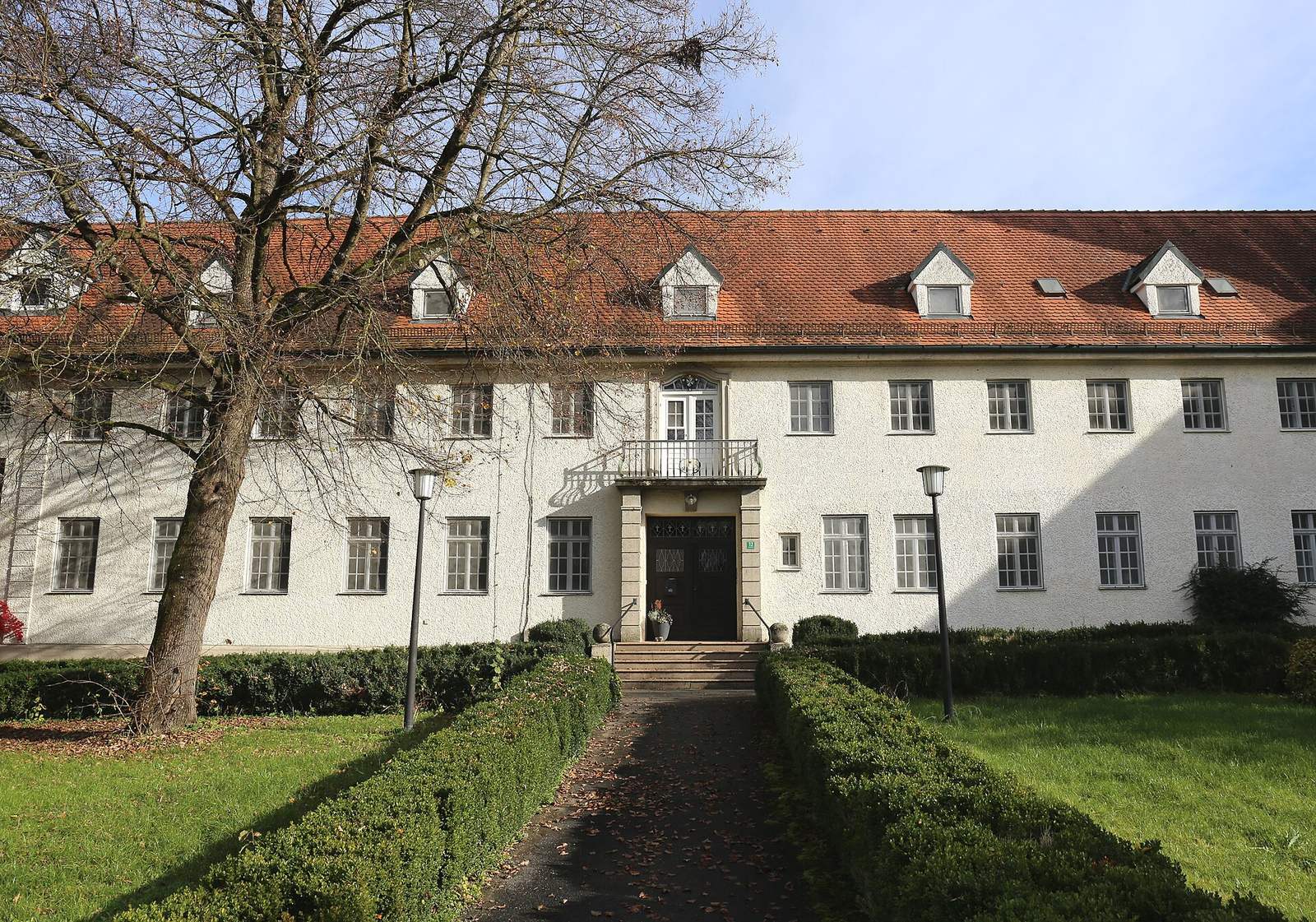
The remaining nuns moved to their congregation’s principal house in California in mid-2013. The order relinquished Altenhohenau in 2014. The archdiocesan administration in Munich took over the church, which became a branch church of Griesstätt parish. The former monastery now serves as the Father’s House for all Nations, an international center devoted to Christian unity. Under a lease agreed with the new owners, the Teresa of Avila vocational school for geriatric nursing and technical schools for special-needs care and special-needs care assistance continue to operate at the site.
Remains
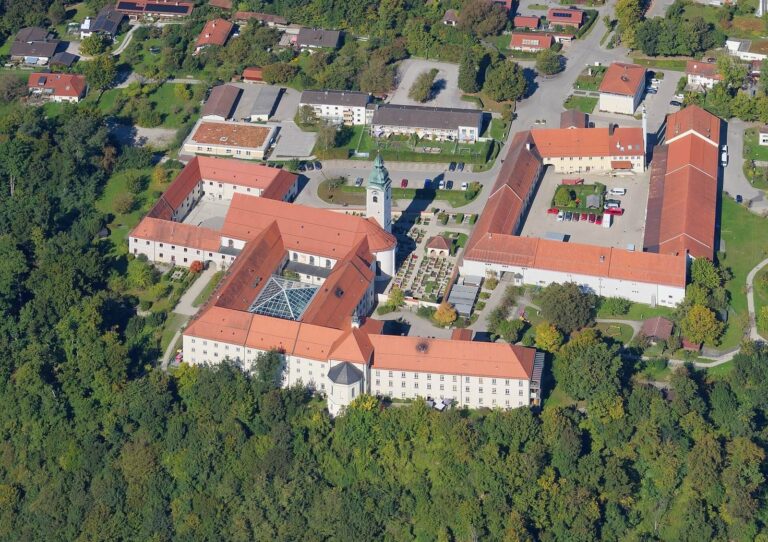
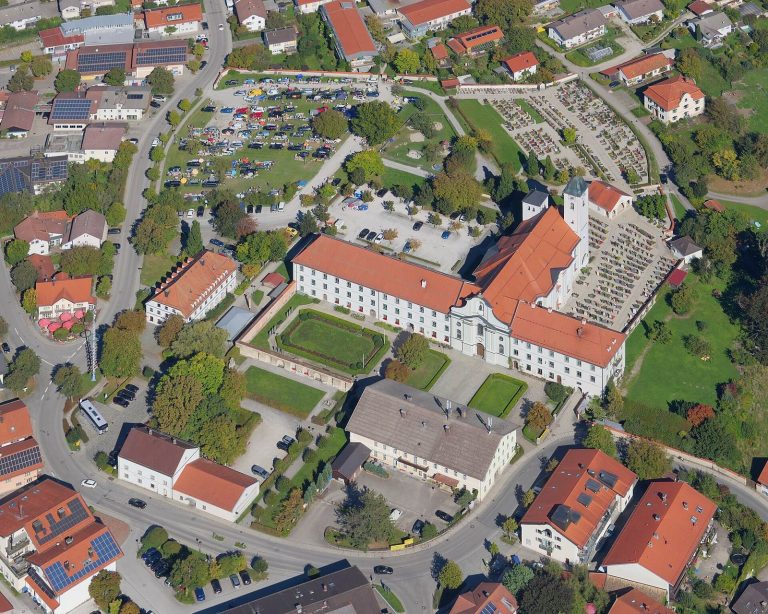
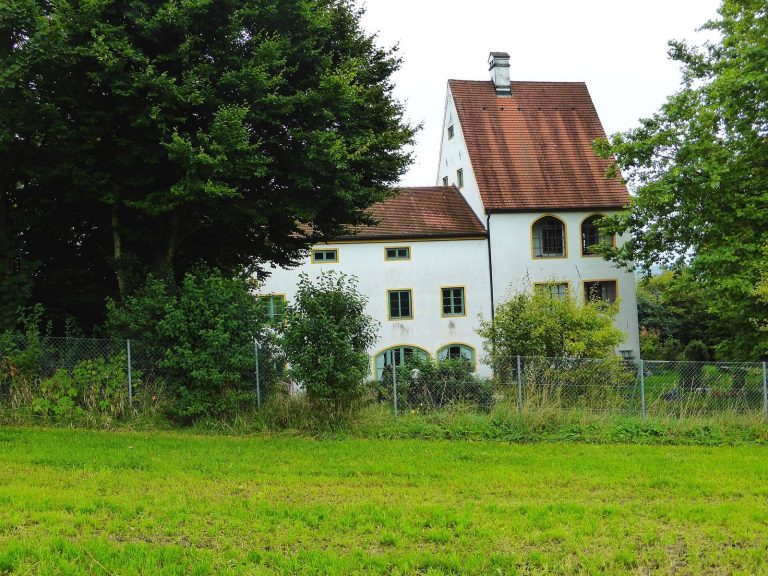
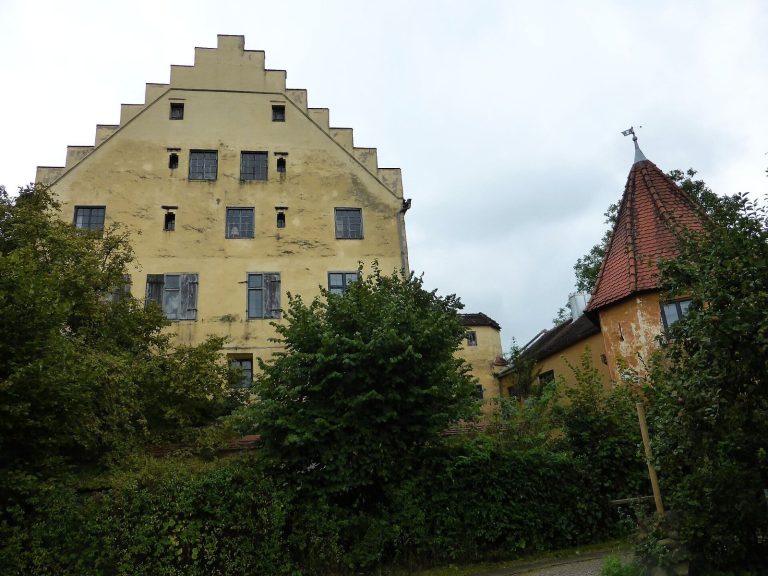
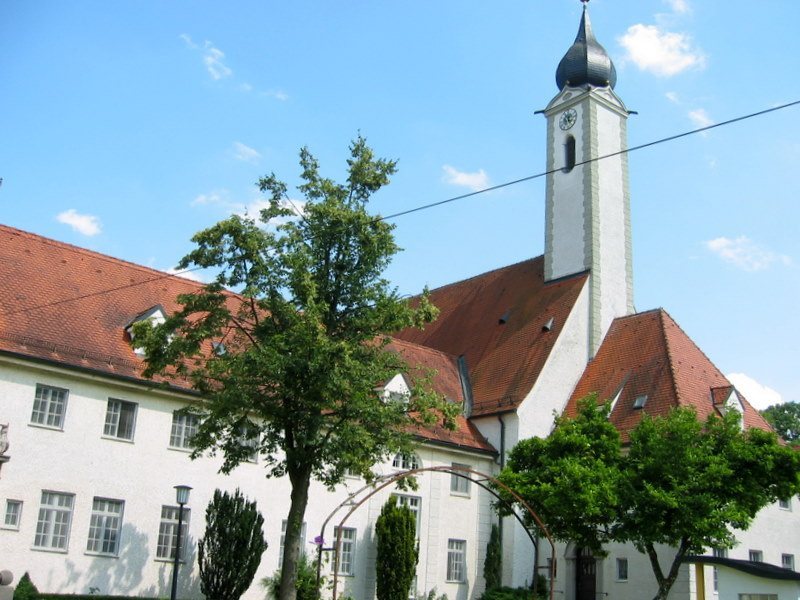
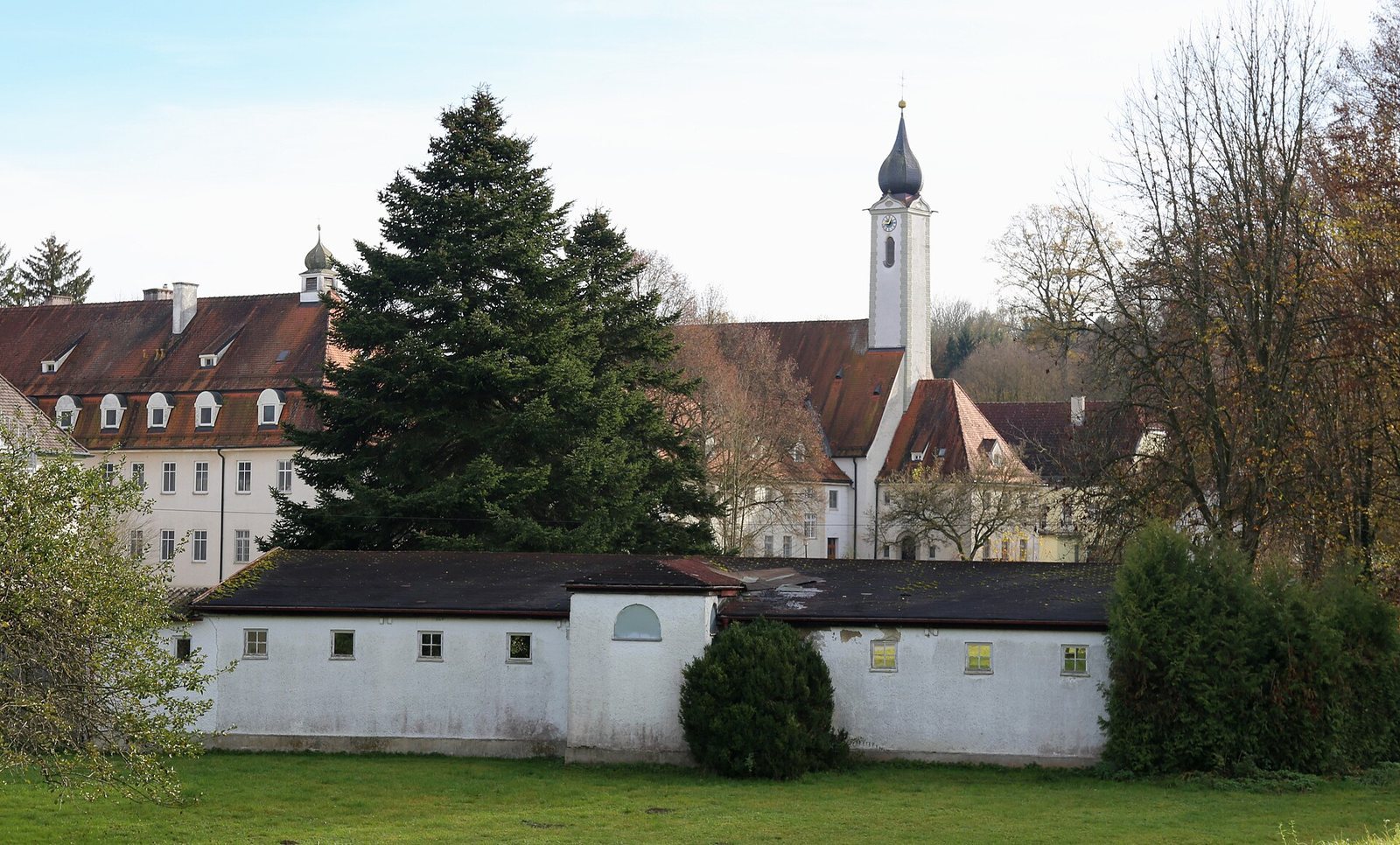
The surviving complex is organized around the church, with former monastic buildings beside it and a separate group of buildings for the renewed community. The church preserves Romanesque and Gothic fabric alongside a later Rococo interior.
The church
Medieval fabric
The earliest Romanesque masonry survives in the presbytery, the area around the altar, and the eastern apse, a projecting, rounded end of the church. Rebuilding after the 1379 fire gave the church its Gothic phase. A figure from its Gothic furnishings remains on the high altar.
Interior and high altar
Major remodeling took place between 1660 and 1680. From 1761 to 1774, the church received interior furnishings designed by Bavarian sculptor Ignaz Günther. These give the interior its Rococo character, a highly decorative later style. The church is regarded as one of Germany’s notable Rococo churches. Restoration of the high altar was completed in 2025.
Buildings beside the church
Storage and administration
Two granaries and the former monastic judge’s house stand among the surviving buildings beside the church. A monastic judge was a judicial official associated with a monastery.
Residential and communal buildings
The monastery’s residential building and refectory, its communal dining hall, also survive. Both remain owned by the Soyer family.
Buildings of the renewed community
The convent, school, and agricultural buildings were constructed in 1923 for the renewed community. They were sold to private individuals in 2014.