All Saints Church, Maidstone: A Medieval Collegiate and Parish Church
Site at a Glance
- Rating
- 4.4
- Popularity
- Medium
- Country
- United Kingdom
- Primary era
- Medieval
- Eras represented
- Medieval, Modern
- Civilizations
- British, English
- Site type
- Religious
- Remains
- Church
On this page10 sections
History
All Saints Church, Maidstone, is an Anglican parish church in the United Kingdom, founded in 1395 in the Perpendicular style, a form of late English Gothic architecture marked by strong vertical lines. Archbishop William Courtenay established it as part of a new college, a community of clergy attached to a church. It replaced an earlier church dedicated to St Mary. Courtenay died in 1396, and his successor, Thomas Arundel, completed the church and college between 1396 and 1398.
The college and its endowment
Richard II endowed the college with land and income from Maidstone’s Hospital of St Peter and St Paul and from the parishes of Linton, Farleigh, Sutton, and Crundale. The college also received the advowsons, or rights to present candidates for parish appointments, in those parishes. To help meet construction costs, Courtenay obtained authorization in a papal bull to levy fourpence for every pound of ecclesiastical income within his archbishopric.
Dissolution and later ownership
The college closed in 1546 under the Chantries Act, which suppressed chantries and their religious endowments. Its annual income was then valued at £208 6s 2d. The church and college were separated, and the church became the parish church for all Maidstone. The former college estate was granted to George Brooke, Baron Cobham, but returned to the Crown in 1603 after his grandson Henry Brooke, 11th Baron Cobham, was charged with high treason for involvement in the Main Plot, a conspiracy against James I. During Charles I’s reign, the property passed to Sir Edward Henden and later to the family of the Earls of Romney.
Later changes and present status
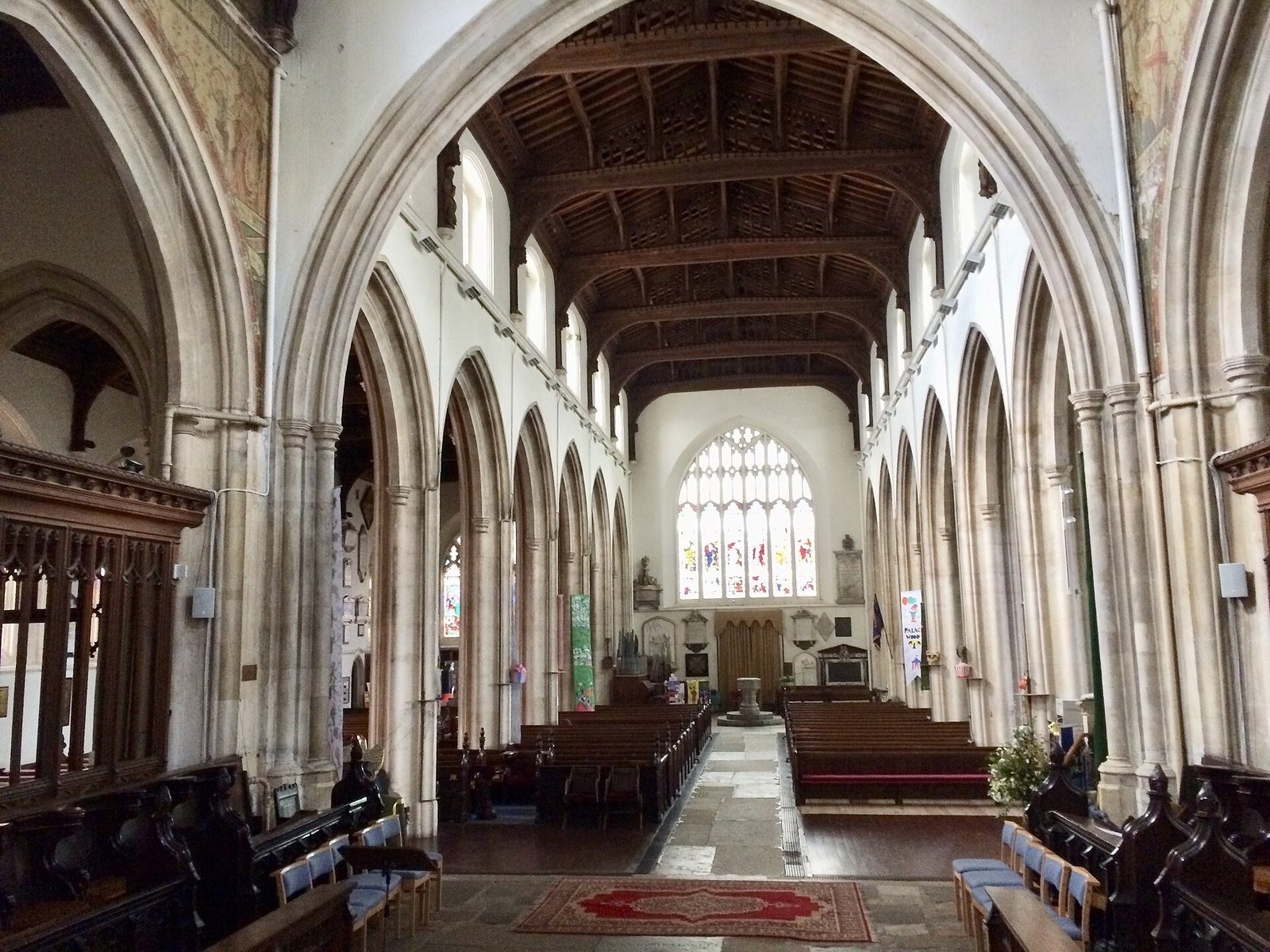
Lightning destroyed the church tower’s spire in 1730. In 1886, architect John Loughborough Pearson designed a replacement timber roof, as well as the church’s screens and reredos. The clock was refurbished in 2007. All Saints remains an active Anglican parish church within the Diocese and Province of Canterbury, in the Maidstone Archdeaconry and Deanery. Its parish is Maidstone, All Saints with St Philip and St Stephen, Tovil. The church has been Grade I listed, England’s highest category for listed buildings, since 30 July 1951, and is included on Historic England’s Heritage at Risk Register, which identifies heritage assets considered at risk.
Remains
Churchyard and setting
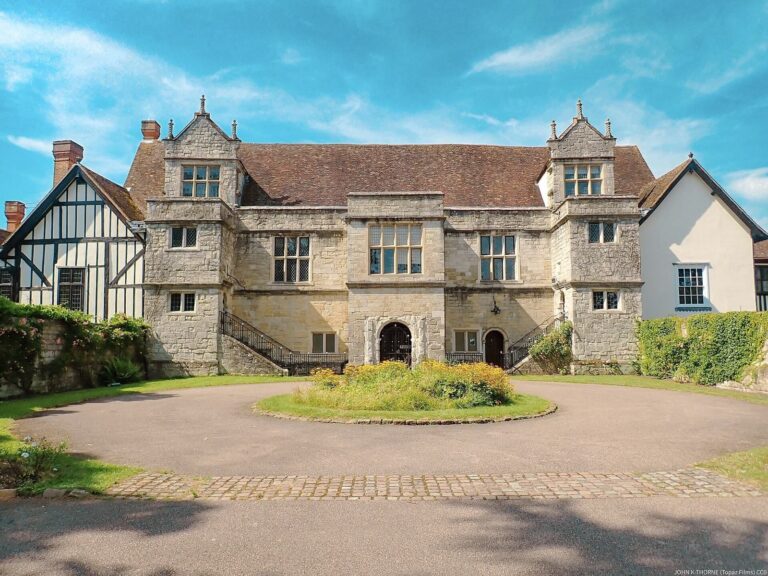
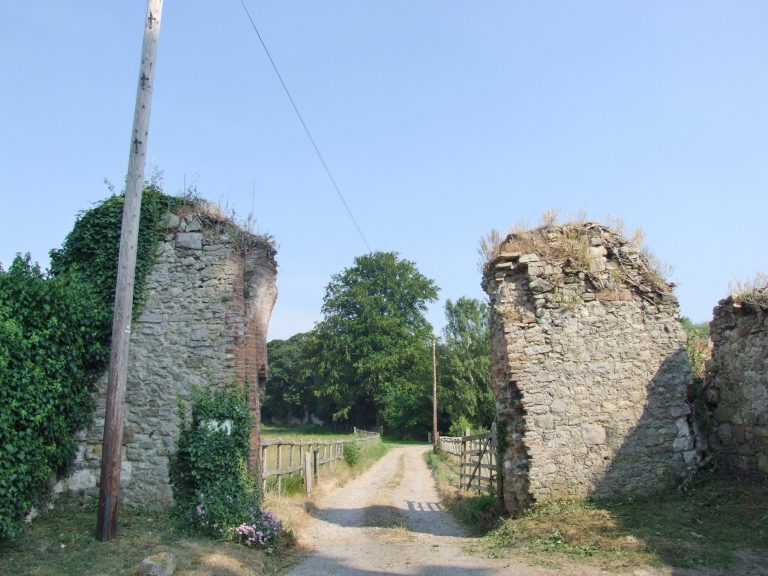
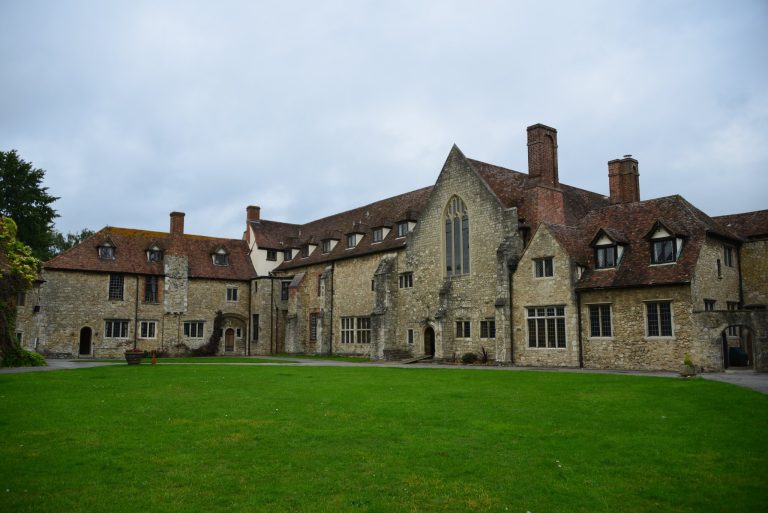
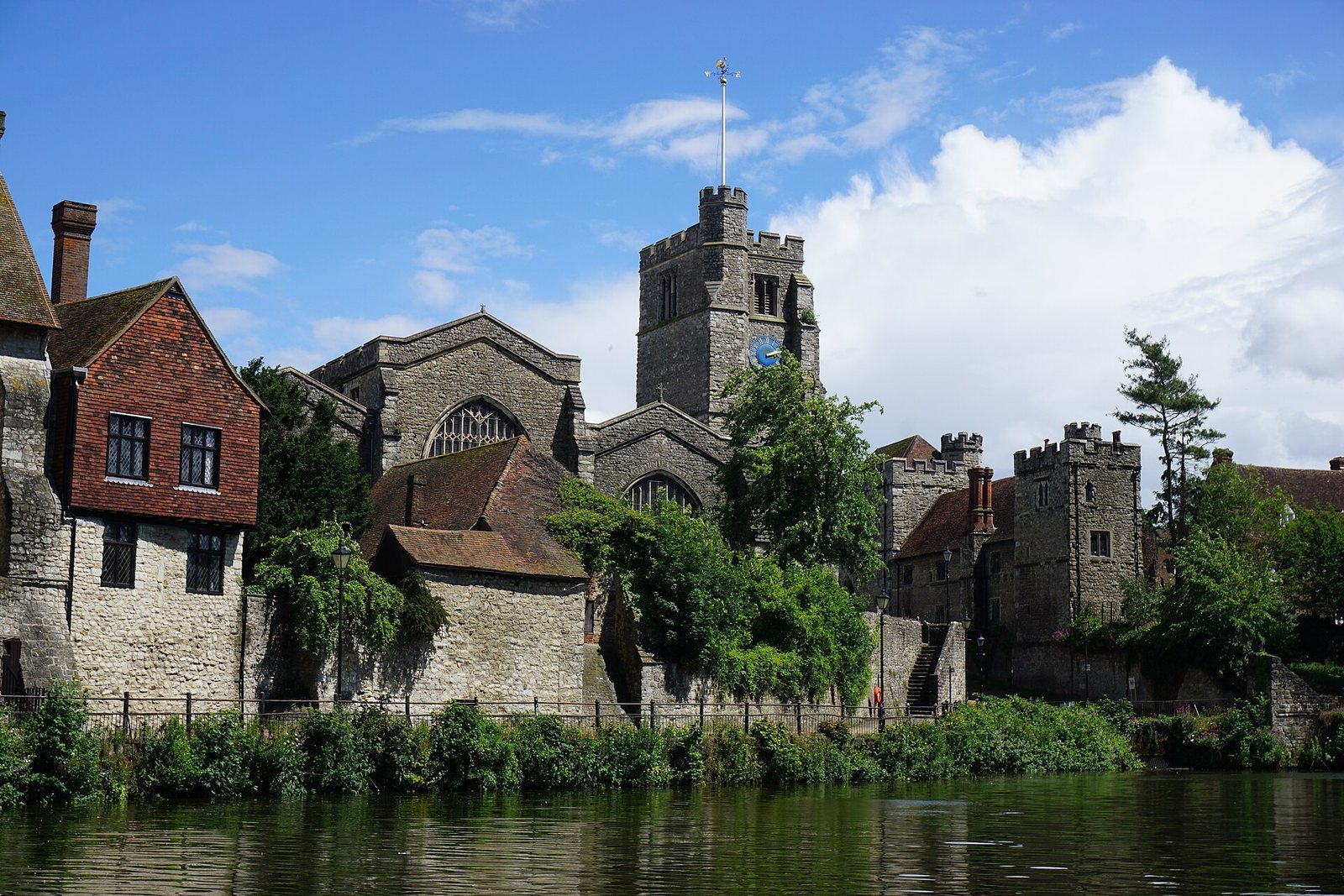
The church stands in a small churchyard with the River Medway to the west. Medieval walls border its north and west sides, and the Monckton War Memorial is within the churchyard. Remains of the college, including its gateway, lie to the south. The Archbishop’s Palace is to the north-west and its tithe barn, a traditional store for payments of produce or income due to the church, is to the north-east.
Exterior and plan
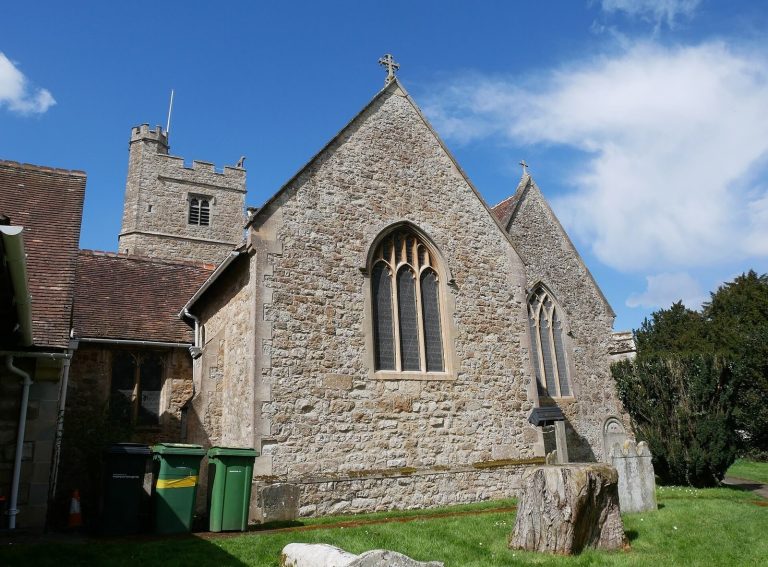
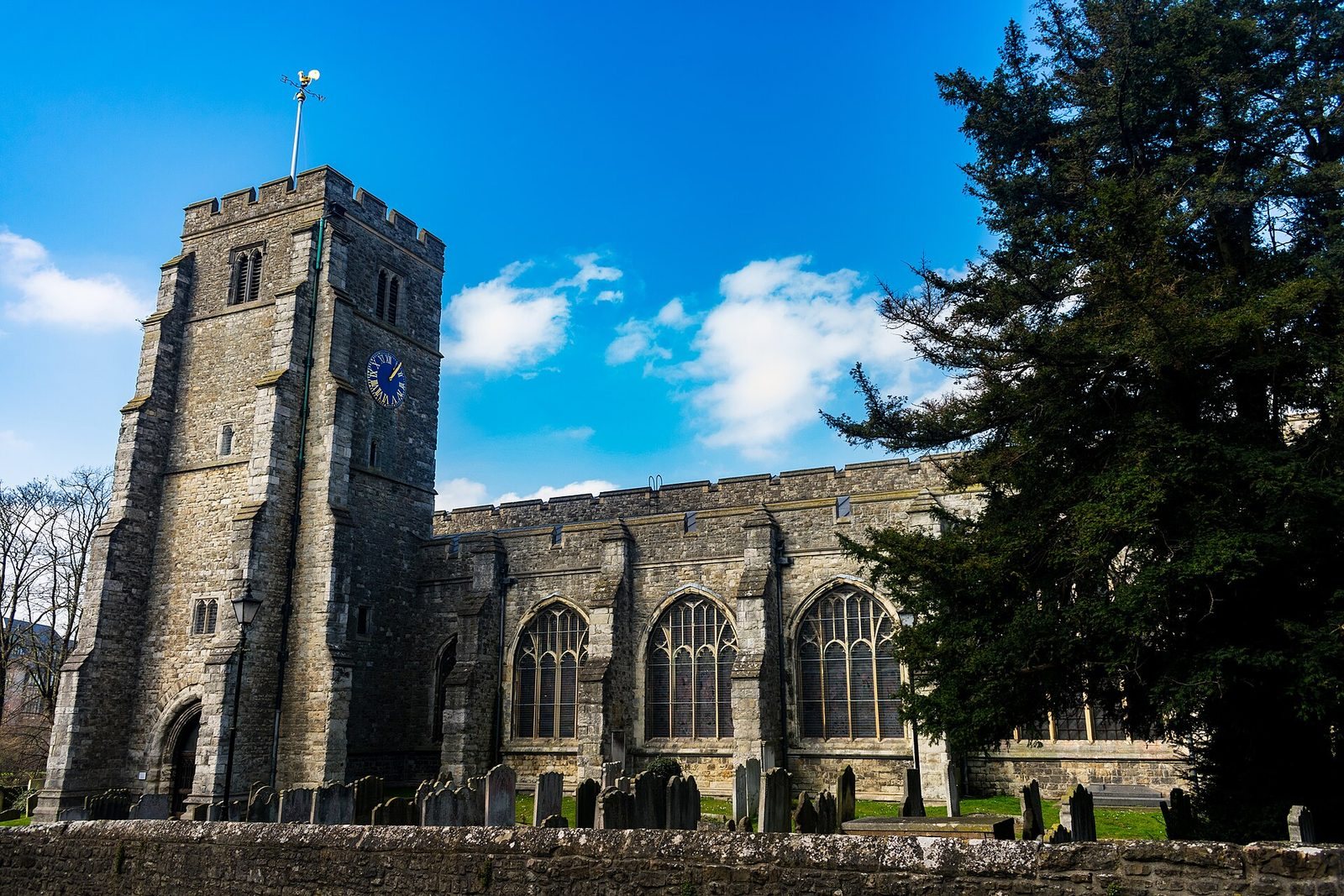
Built of ragstone, a hard limestone widely used in Kent, the church has buttressed walls and a crenellated parapet. Its tower rises at the south-west corner. Inside, the six-bay nave is flanked by north and south aisles, while a clerestory, an upper row of windows above the aisle roofs, runs along the church’s length. A chapel on the south side was originally used by the local lay Fraternity of Corpus Christi, a religious association connected with the Christian feast commemorating the Eucharist.
Interior and furnishings
Roof, fittings, and memorials
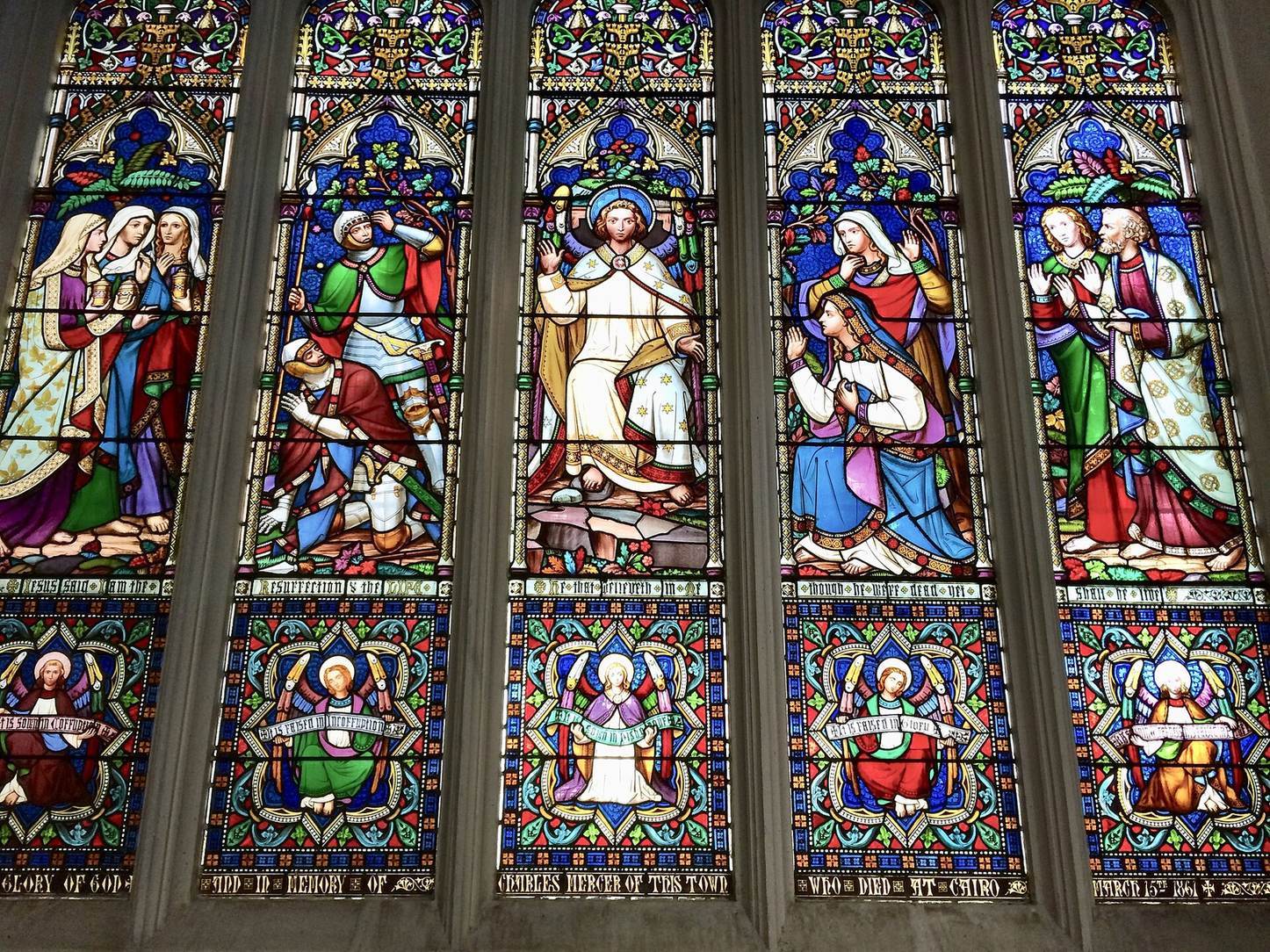
The interior includes the timber roof, screens, and reredos, a decorated panel behind the altar. An early seventeenth-century font, the basin used for Christian baptism, and choir stalls with medieval misericords, projecting supports beneath folding seats, also survive. A credence, or small table for service vessels, and four-seat sedilia, seats for clergy, incorporate a memorial to John Wotton, the college’s first master, who died in 1417. Other church monuments commemorate Courtenay; Lawrence Washington, who died in 1619; John Davy, who died in 1631; and John Astley, who died around 1595, his son Sir John Astley, who died in 1639, and their wives. Burials include members of the Astley and Washington families, three Barons Astley of Reading, and the scholar William Grocyn. William Shipley, founder of the Royal Society of Arts, is buried in the churchyard.
Tower and clock
The tower is 78 feet (24 metres) high and contains ten bells. Their weights range from a 266-kilogram treble to a 1,635-kilogram tenor. The clock, made by Gillett & Johnston in 1899, strikes the quarter hours and hours with Westminster chimes.