Al-Aqiser: A Third-Century Christian Church in Iraq
Site at a Glance
- Rating
- 4.4
- Popularity
- Medium
- Country
- Iraq
- Primary era
- Classical
- Eras represented
- Classical
- Civilizations
- Sassanid
- Site type
- Religious
- Remains
- Church
On this page7 sections
History
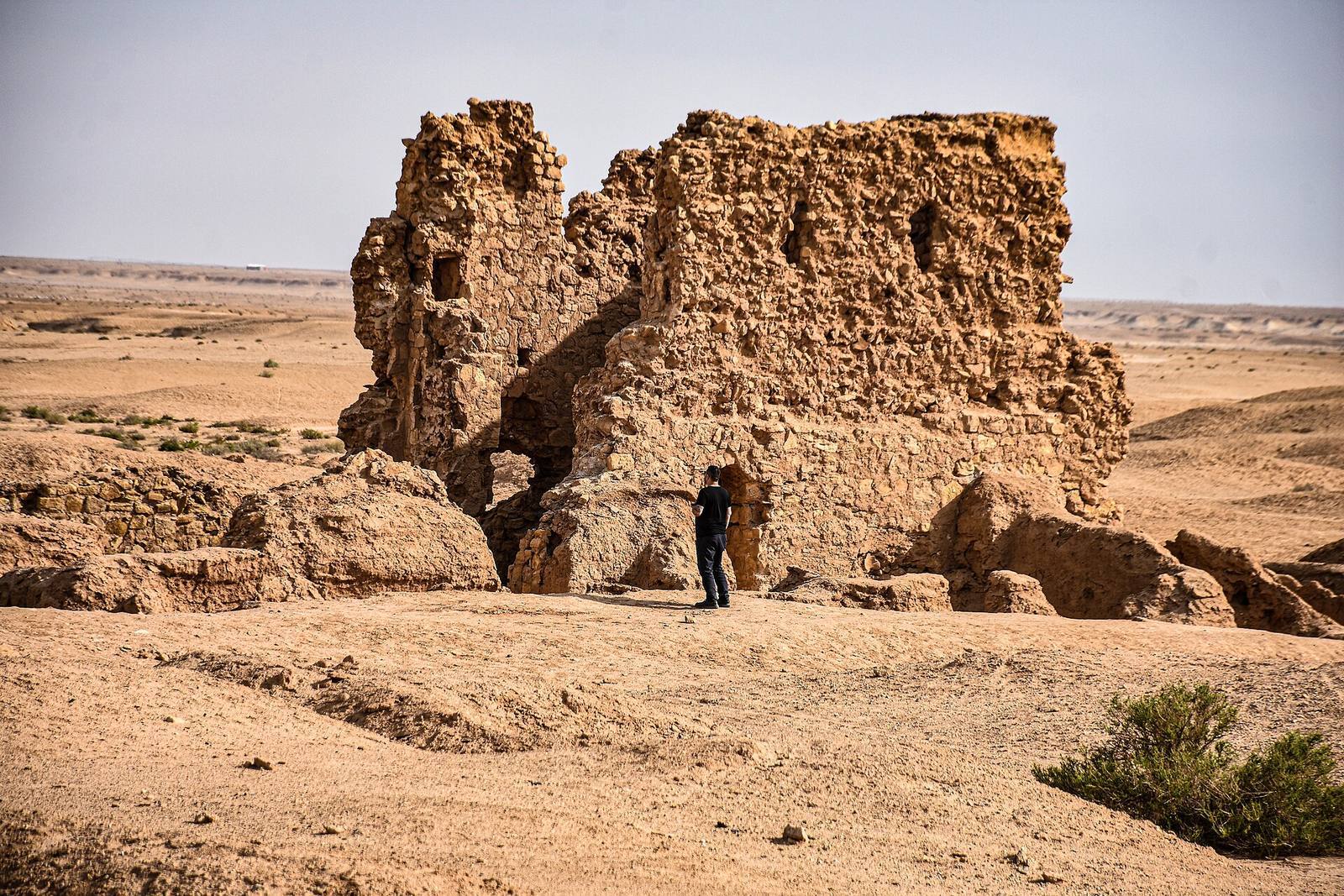
Al-Aqiser is a third-century Christian church at Ayn al-Tamr in Iraq, built during the reign of the Lakhmid ruler Amr ibn Adi (268–295). It is attributed to Christians of the Nestorian tradition, a historical label associated with the Church of the East.
Christianity under the Lakhmids
The name Al-Aqiser is understood as a diminutive of “palace.” Local people applied it because the area was known for prominent buildings called palaces, while some interpret the name more specifically as “the small palace.”
The Lakhmid state (268–633) was an Arab realm under Sasanian authority. Christians associated with Al-Aqiser found security and freedom to worship there. Their tradition opposed the Byzantine Church, the Christian church of the eastern Roman Empire. During conflicts between the Sasanians and Rome, Sasanian rulers welcomed the community, and Nestorian Christianity flourished.
Later use and discovery
An archaeological expedition found a second church beyond Al-Aqiser’s enclosure. After its discovery, Christians made annual Christmas visits to Al-Aqiser to celebrate Mass. Assyrians belonging to the Chaldean Catholic Church continued to use the church until recently. The site is now neglected and eroding.
Remains
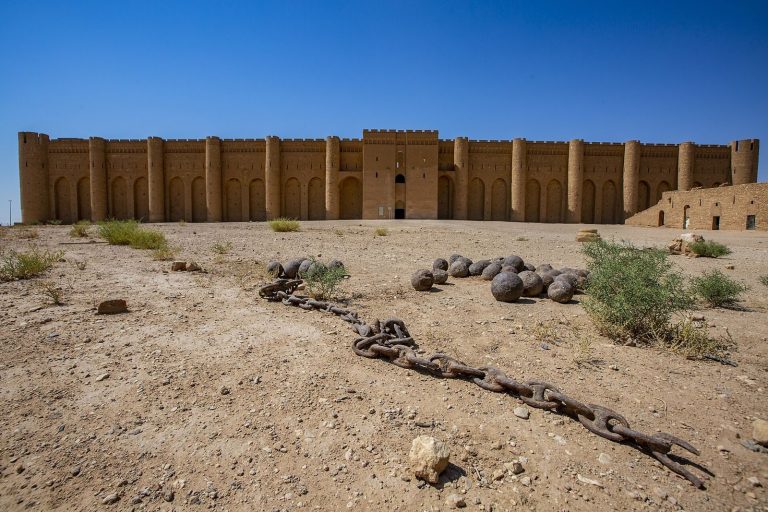
The site covers about 4,000 square metres and includes churches, cemeteries, towers, monasteries, and storehouses. Mounds nearby have been interpreted as signs of a substantial settlement in the area.
Churches and burial remains
Main church
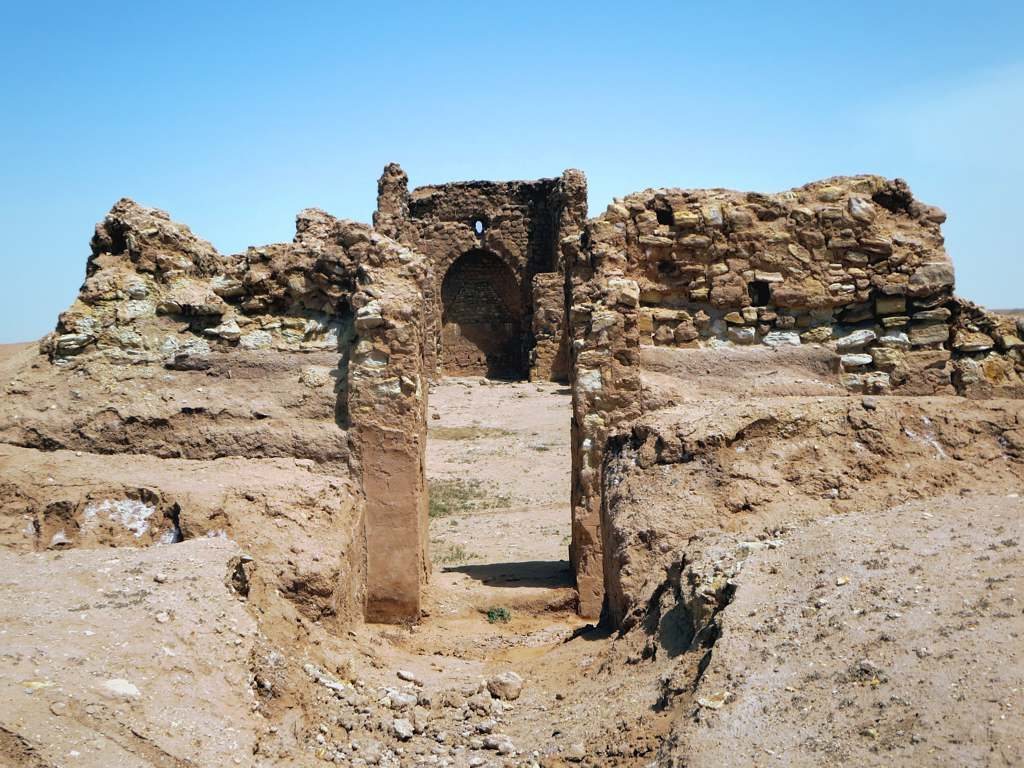
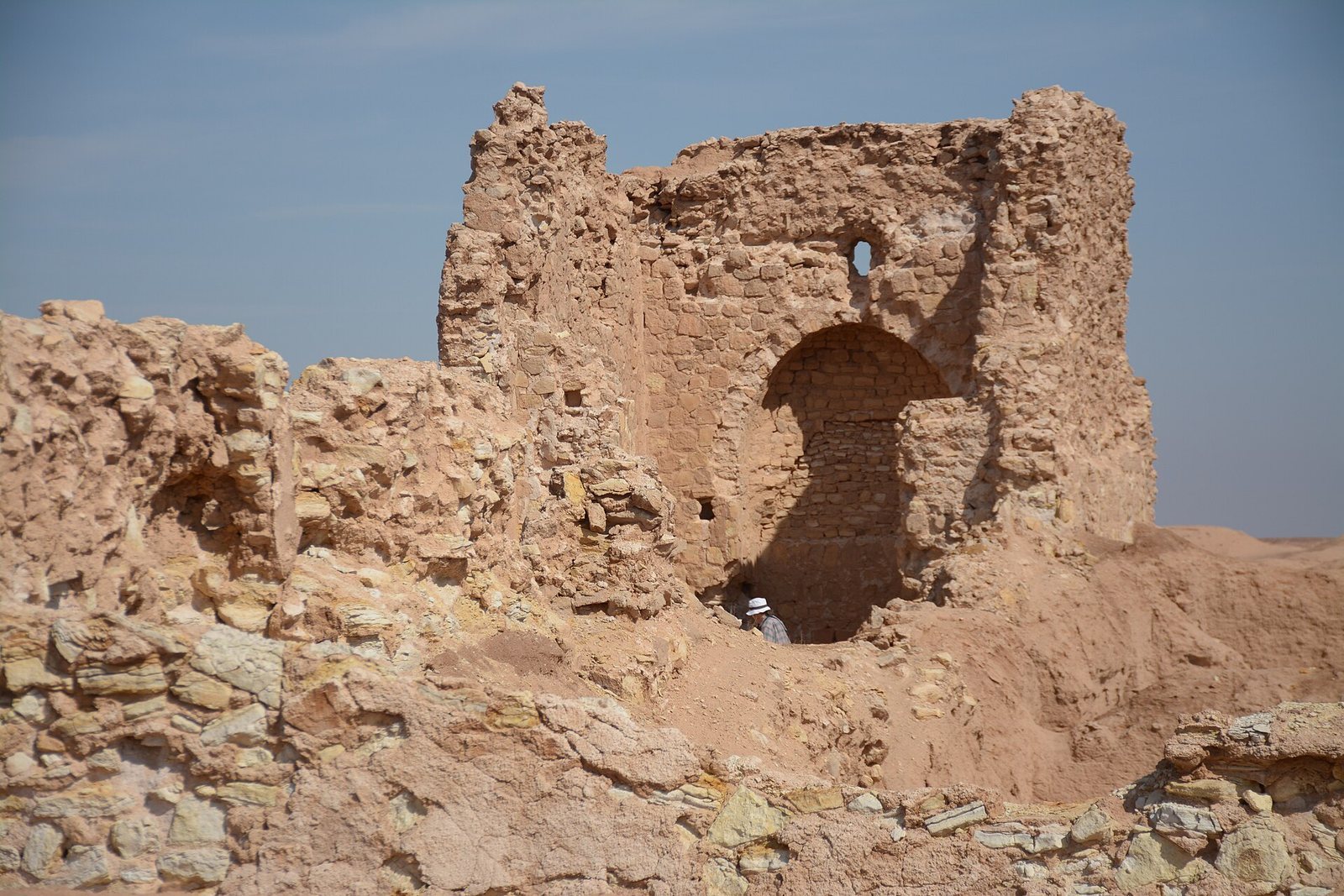
The main church has a rectangular plan and a western entrance. On its eastern side, a room was formerly topped by a dome. A smaller entrance on the south opens into three rooms: one was used for baptism, and another served as the deacon’s chamber, where priests and monks put on their religious clothing. Aramaic inscriptions remain on the walls. The altar faces Jerusalem and stands above the level of the rest of the floor. The church has lost its roof, but its walls and ruins remain standing.
Church outside the enclosure and graves
The second church stands outside the enclosure and was used for Christian burial rites. Dozens of graves were found nearby, with their head ends oriented toward Jerusalem.