Abbey of Saint-Père-en-Vallée: A Benedictine Monastery in Chartres
Site at a Glance
- Popularity
- Medium
- Country
- France
- Primary era
- Medieval
- Eras represented
- Medieval, Early Modern
- Civilizations
- French
- Site type
- Religious
- Remains
- Monastery
On this page12 sections
History
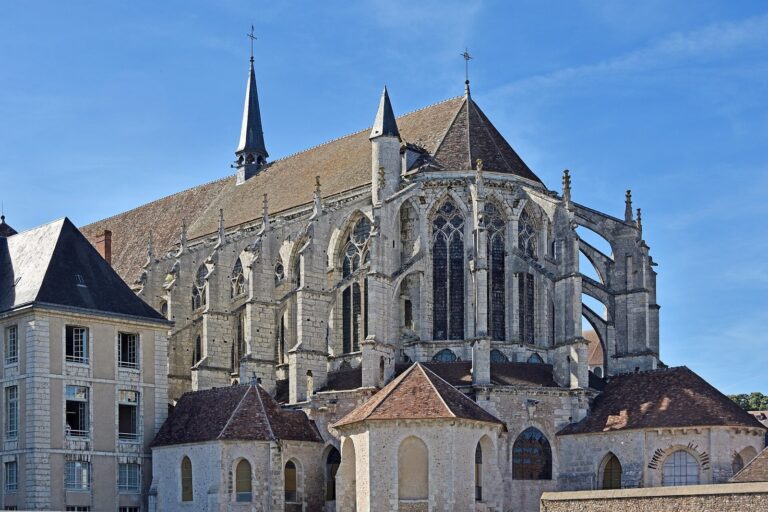
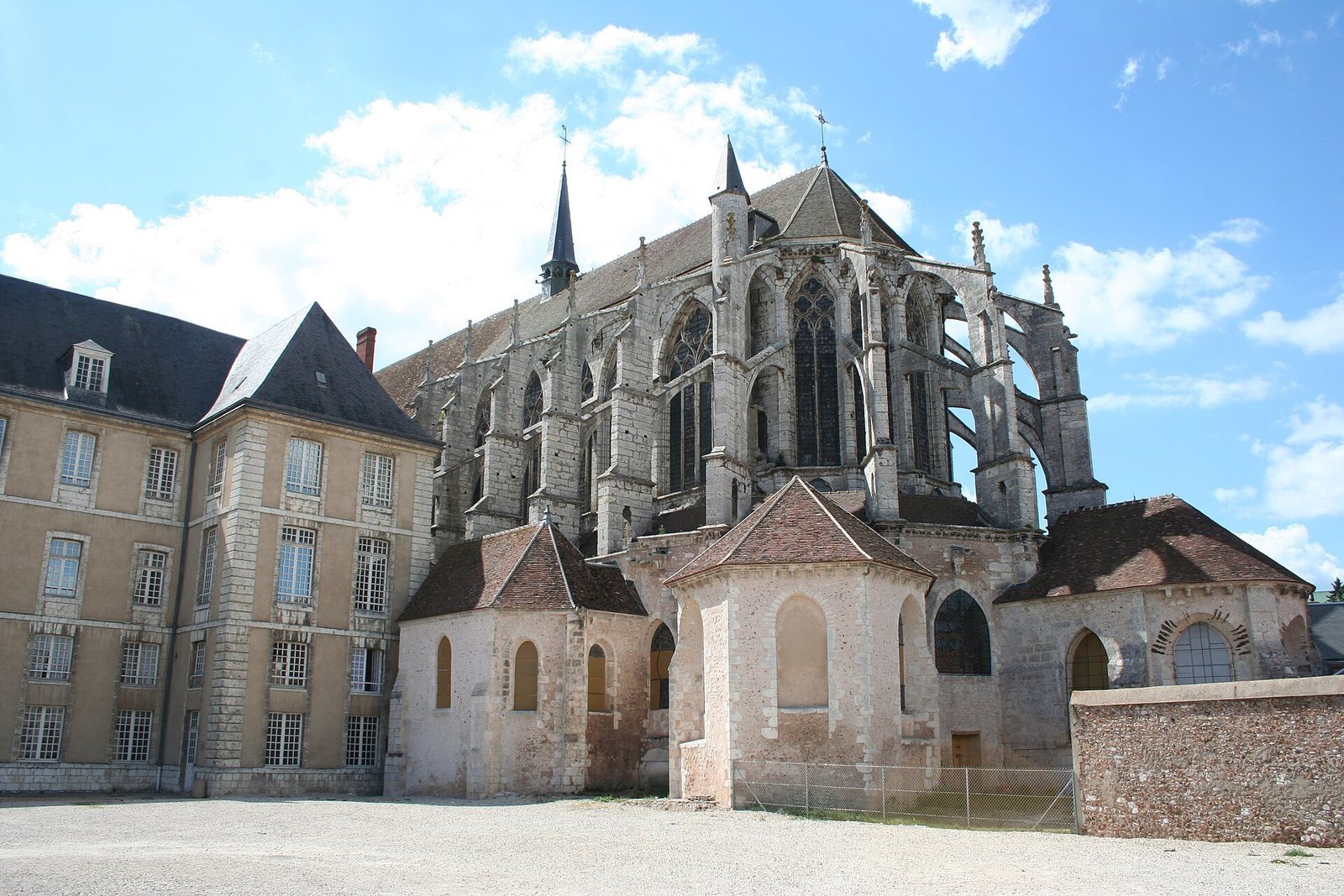
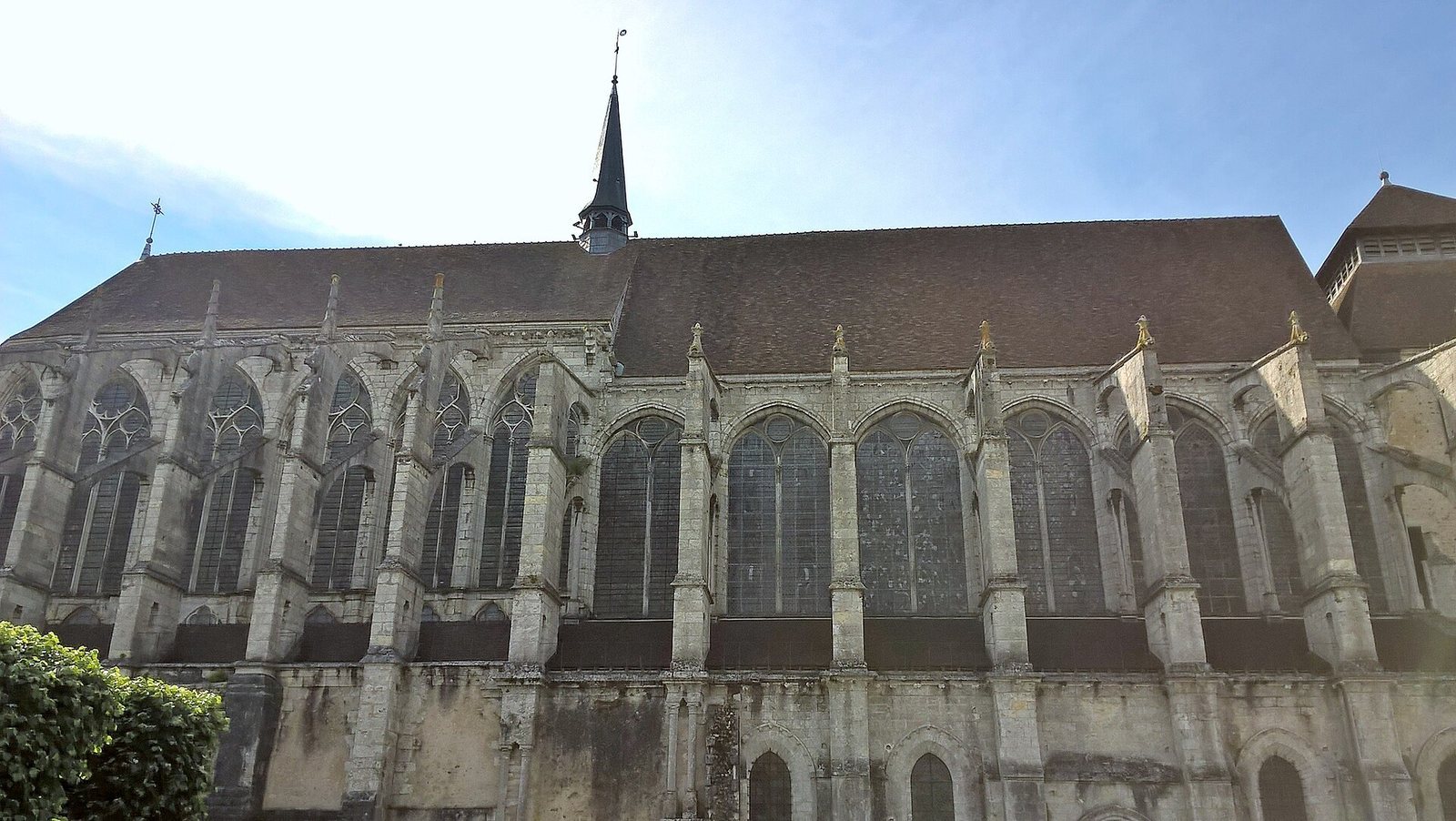
The Abbey of Saint-Père-en-Vallée is a former Benedictine abbey in Chartres, France, traditionally founded or endowed in the mid-seventh century by the Frankish queen Balthild. Its surviving church was built in the twelfth and thirteenth centuries in the Gothic style, a medieval architectural tradition commonly associated with pointed arches and ribbed vaults. The abbey’s history includes early royal patronage, repeated attacks, monastic reform, and a wide network of religious dependencies.
Foundation and medieval upheavals
A record from 646 names Balthild and a nobleman, Hilary, among those who granted property to clergy. In the 840s, a violent dispute with Elias, bishop of Chartres, drove the monks to seek refuge at Saint-Germain d’Auxerre. Vikings sacked the abbey in 858, and the bishop of Chartres plundered it afterward. Vikings under the Norse leader Rollo attacked it again in 911.
Bishop Haganon restored and fortified the abbey around 930. His successor, Bishop Ragenfred, gave it privileges and endowments, and established permanent observance of the Rule of Saint Benedict in 954. Earlier, Ragenfred had sent the canon Alveus to Saint-Benoît-sur-Loire. Alveus returned three years later with twelve monks and became abbot, but died before 954.
Monastic life and the growth of Bourg Saint-Père
In the early eleventh century, Count Theobald II of Blois installed Magenard as abbot without an election. The monks, led by Herbert, a former member of their community, temporarily withdrew to Saint-Pierre de Lagny. They reconciled with Magenard and returned two or three years later.
During the second quarter of the eleventh century, Abbot Landry began enclosing Bourg Saint-Père, a separate suburb that had grown around the abbey. By the late twelfth century, Chartres had brought both the abbey and the suburb within the city.
Abbey administration and suppression
From the time of Philip II de La Chapelle, the abbots held their titles and revenues without necessarily governing the monastic community in person. Pierre de Brisay converted to Protestantism and relinquished the abbey in 1571. By the seventeenth century, the abbey oversaw 24 priories and 80 parish benefices across the dioceses of Chartres, Orléans, Évreux, Rouen, Sées, and Coutances. It joined the Congregation of Saint-Maur, a French Benedictine congregation, in 1650.
Joseph-Alphonse de Véri was the last abbot listed, through 1781, after which the title was discontinued. Only eight monks remained by 1789. The abbey was suppressed in 1790. In 1803, its former church became a parish church. Some parts of the former abbey were classified as Historic Monuments in 1916, and others were registered in 1929.
In 1944, a bombing struck Chartres’s municipal library and caused a fire. The library held 1,687 manuscripts, about 500 of them dating from before 1500; 138 had come from Saint-Père’s former library, and many manuscripts from the abbey were lost. Among them were Manuscript 65, an eleventh-century catalogue listing 94 books, and the Liber comitis, a work written and illustrated around 820 at the basilica of Saint Martin in Tours. Its creator, Audradus Modicus, was a ninth-century writer and illustrator, and the manuscript had been kept at Saint-Père for centuries.
Remains
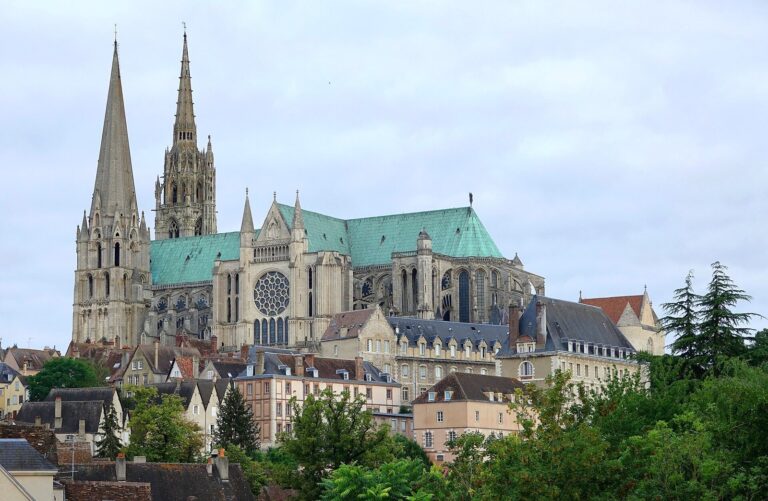
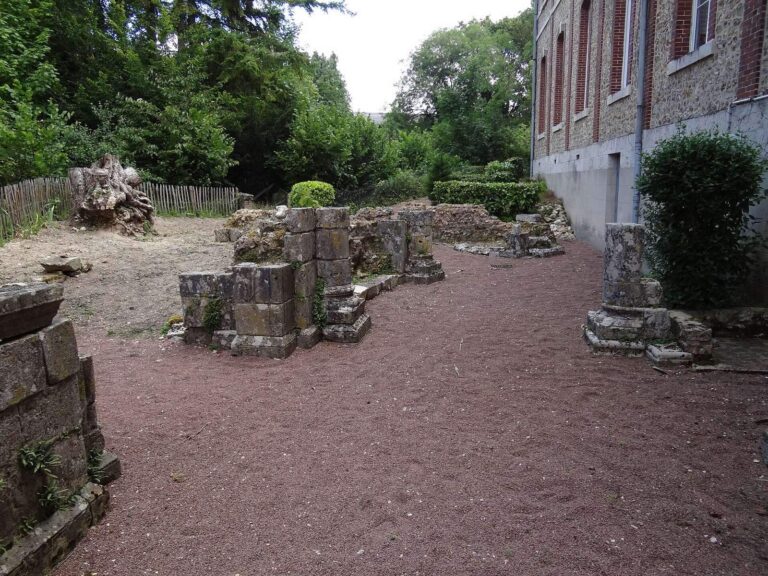
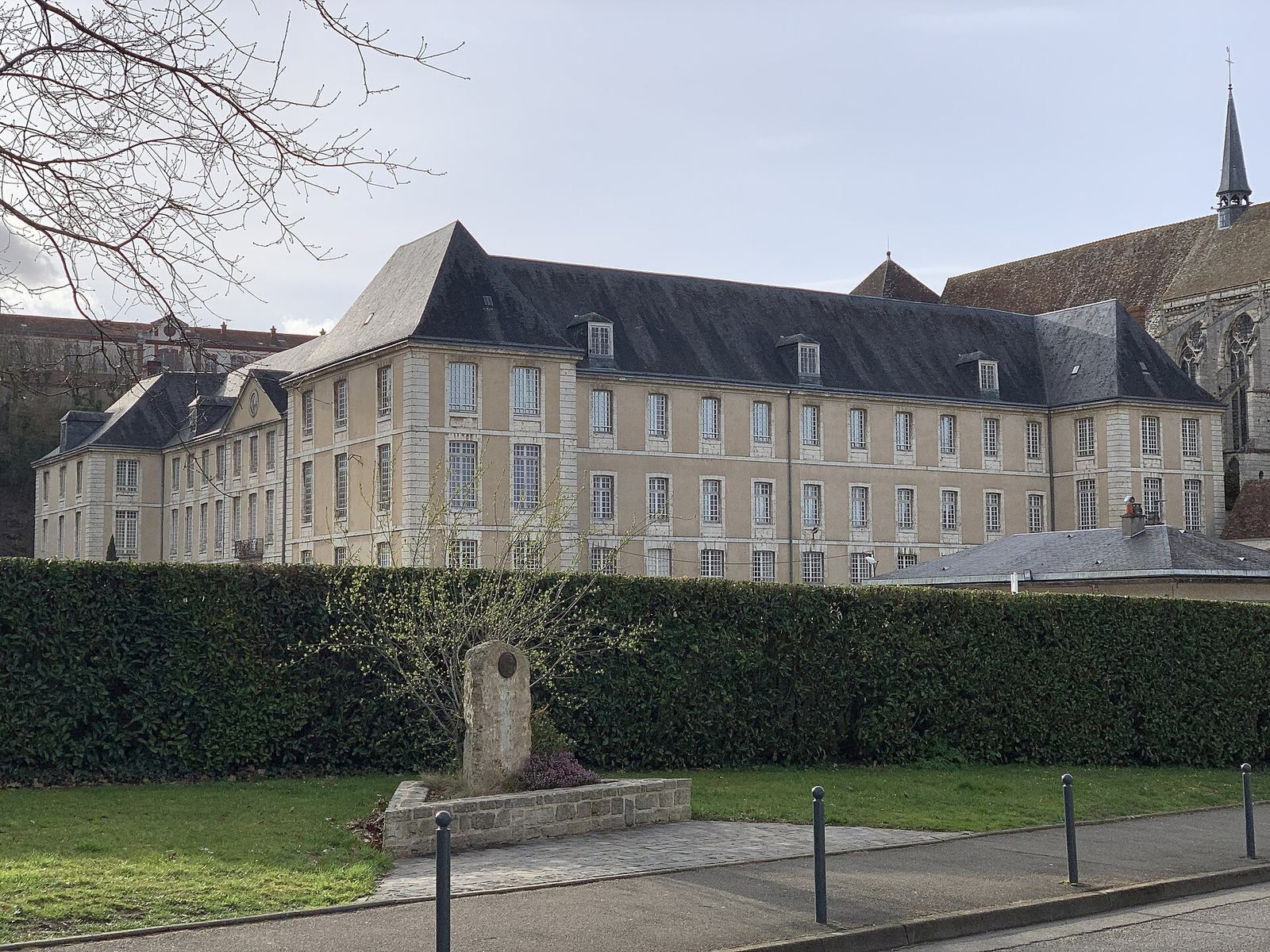
The abbey stood in low ground outside Chartres’s original walls, while the cathedral lay within them. Its name refers to Saint Peter, and “en-Vallée” reflects its valley setting. The surviving complex includes the former abbey church, a square tower from the abbey’s fortifications, and one conventual building from its eighteenth-century rebuilding.
Surviving buildings
Former abbey church
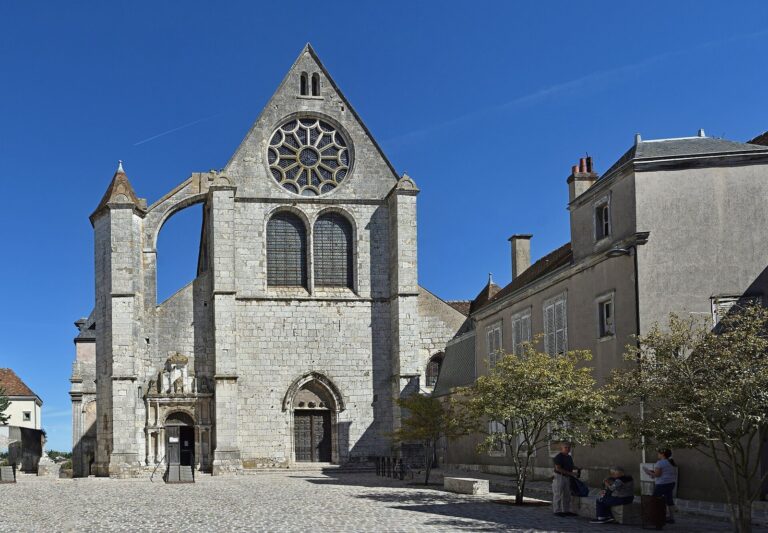
The predominantly Gothic church is described as well preserved and continues in use as the parish church of Saint-Pierre.
Fortification tower
A square tower from the abbey’s fortifications survives as the church’s bell tower.
Conventual building
One building from the eighteenth-century rebuilding remains. It contains two rooms with vaulted ceilings, one above the other, that date to the twelfth century. The building now serves as an annex of Lycée Marceau.
Memorial and archival remains
Tomb plaque
An eighteenth-century plaque at Saint-Père marked the tomb of Robert the Dane, a Norman archbishop of Rouen and son of Richard I, Duke of Normandy.
Cartulary
The abbey’s preserved cartulary, a collection of copies and records of charters and grants, was compiled in three stages. Paul, a monk and treasurer, assembled its oldest section, the Vetus Hagano, in the late eleventh century. The Codex argenteus, named for its silver cover, was composed around 1200. Dom Muley, a Benedictine from Saint-Crépin de Soissons, added a third section in 1772 while organizing the abbey’s archives. Benjamin Edme Charles Guérard published a two-volume edition in 1840, and the Archaeological Society of Eure-et-Loir issued a richly illustrated French translation of 400 excerpts in 2014.