Abbey of Santa Maria di Corazzo: A Medieval Monastery in Calabria
Site at a Glance
- Rating
- 4.7
- Popularity
- Medium
- Country
- Italy
- Primary era
- Medieval
- Eras represented
- Medieval
- Civilizations
- Kingdom of Sicily
- Site type
- Religious
- Remains
- Monastery
On this page11 sections
History
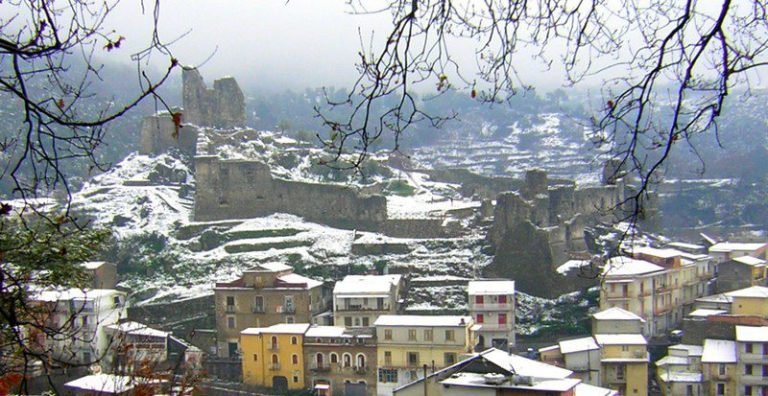
The Abbey of Santa Maria di Corazzo is a ruined medieval monastery at Castagna, in the municipality of Carlopoli, Italy. Its foundation date is unsettled. Tradition credits Benedictine monks with establishing it around 1060, but that date lacks documentary support and would place the foundation before the Norman conquest of Calabria. Other proposals place it around 1157, under Count Roger of Marturano, or in 1173.
Origins and early community
The site had been inhabited in the Bronze Age, during the third millennium BC. The abbey’s name is linked to the nearby Corace River. Proposed explanations for the river’s name include the Latin corax, meaning “raven,” and a combination of kur, meaning “mountain place,” and -ake, a place-name ending.
A possible twelfth-century foundation came amid efforts to restore Latin Catholic practice in Calabria, a region recently reconquered from Byzantine rule. The Byzantines were the people and rulers of the eastern Roman Empire, and Eastern Christianity had shaped the region. A biography of Joachim of Fiore written before 1209 describes Corazzo’s monks in the 1170s as wearing the “habit of the Dove.” Their abbot was Colombano. The description has been connected with the rule of Saint Columbanus, an Irish missionary monk whose practices later entered the Benedictine tradition, though that identification is uncertain.
Cistercian affiliation
Efforts to connect Corazzo with the Cistercians, a monastic order that followed the Rule of Saint Benedict, are recorded from 1162. Pope Alexander III granted the monastery privileges, and in 1177 the bishop of Martirano gave up his rights over it. The date and path of formal affiliation remain uncertain. One proposal places Corazzo within Sambucina’s circle around 1173; another has Fossanova accepting it as a daughter house in 1188, after Sambucina and Casamari declined because the community was poor. A daughter house was affiliated with a parent monastery. Through Fossanova, Corazzo belonged to a chain of affiliations leading to Clairvaux, a major Cistercian abbey in France.
Joachim of Fiore and the Florensian movement
Joachim of Fiore, an abbot and religious thinker, arrived at Corazzo in 1172 and was elected abbot in 1177. Tradition says he took over from Colombano after scandals led the latter to leave office. In December 1179, Joachim went to Palermo to defend the monastery’s land claims before William II, king of Sicily.
Joachim returned in 1185 after spending about a year and a half at Casamari. After travelling to Verona in 1186, he left Corazzo with followers including Raniero da Ponza and withdrew to the hermitage of Pietralata. In 1188, Pope Clement III released him from his duties at the abbey and urged him to finish his writings.
With donations from Tancred of Hauteville, Joachim founded San Giovanni in Fiore in 1190. It became the center of the Florensian Congregation, a monastic body distinct from the Cistercians. In September 1192, the Cistercian order’s general assembly ordered Joachim and Raniero to return to Corazzo within a year or be treated as fugitives. The new community nevertheless gained support from Henry VI, a German king who later became Holy Roman Emperor, and Constance of Hauteville, a member of Sicily’s Norman ruling dynasty. Pope Celestine III approved its rule on 25 August 1196. Corazzo itself did not join the Florensian order.
Corazzo also supported Calabromaria, a declining monastery of the Eastern Christian tradition at Altilia di Santa Severina. After Joachim’s death, Corazzo’s monks and those of San Giovanni in Fiore disputed rights over it. In 1215, Bernard, abbot of Sambucina, and Emperor Frederick II helped settle the dispute in the Florensians’ favor. They held Calabromaria until it was granted in commendam during the fifteenth century. This arrangement gave a cleric a monastery’s revenues without necessarily requiring direct management of its community.
Decline and suppression
From 1470, Corazzo itself was held in commendam. Its holders, often cardinals or royal officials, commonly leased the monastery’s property rather than managing it, contributing to its decline. In 1633, it became part of a regional association of Cistercian houses in Calabria and Lucania.
An earthquake on 27 March 1638 damaged the abbey so severely that almost all its buildings needed reconstruction. The earthquake of 1783 caused further destruction and marked the beginning of its final decline. In 1806, the monastery housed 17 people: 11 monks, four lay brothers, whose work generally involved practical tasks, one oblate, a person dedicated to monastic life, and one tertiary, a member of a religious order’s third order who generally lived outside a monastery.
Joseph Bonaparte’s government in the Kingdom of Naples suppressed the abbey under its monastic measures, and the community had left by 1809. Fighting against troops of Joachim Murat, a French military leader and ruler of Naples, also damaged the monastery. After suppression, its property and furnishings were dispersed.
Protection and restoration
The Italian state protected the abbey from 1934 under the 1909 law on historic monuments. In 1986, workers strengthened the remaining walls and the British School carried out excavations; further investigations followed under the heritage authority. Construction of a nearby electricity line damaged archaeological remains and the landscape, and the company responsible was called to account.
In 2018, Calabria named the abbey a strategically important cultural attraction and allocated funds for restoration. A 2020 proposal to preserve the ruins in their existing condition prompted debate. The first restoration phase was completed in April 2026.
Remains
Site layout and surviving features
Setting and layout
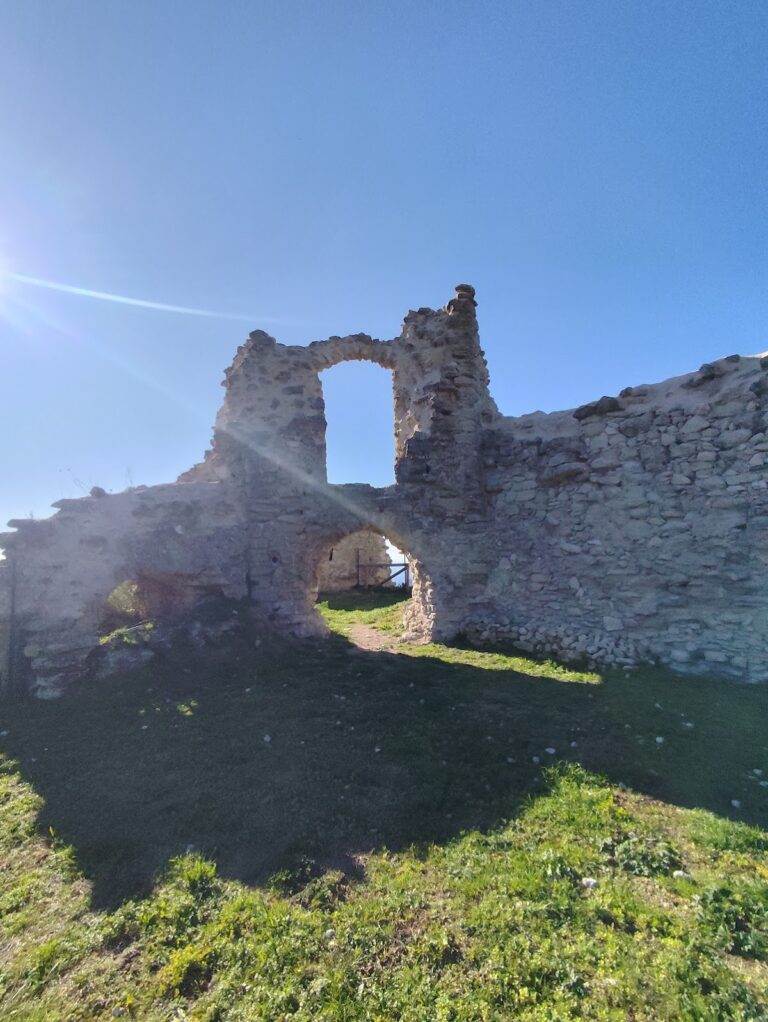
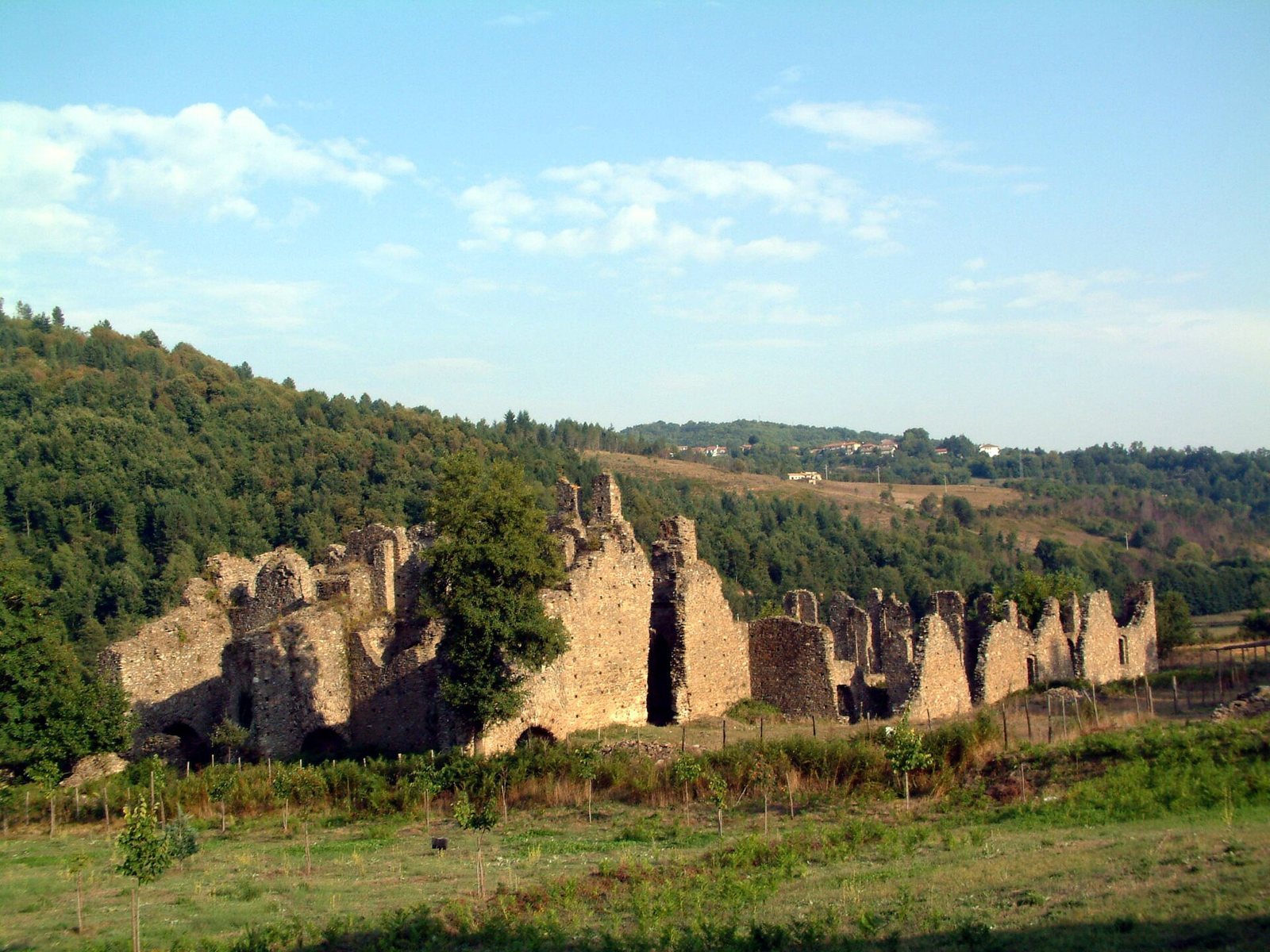
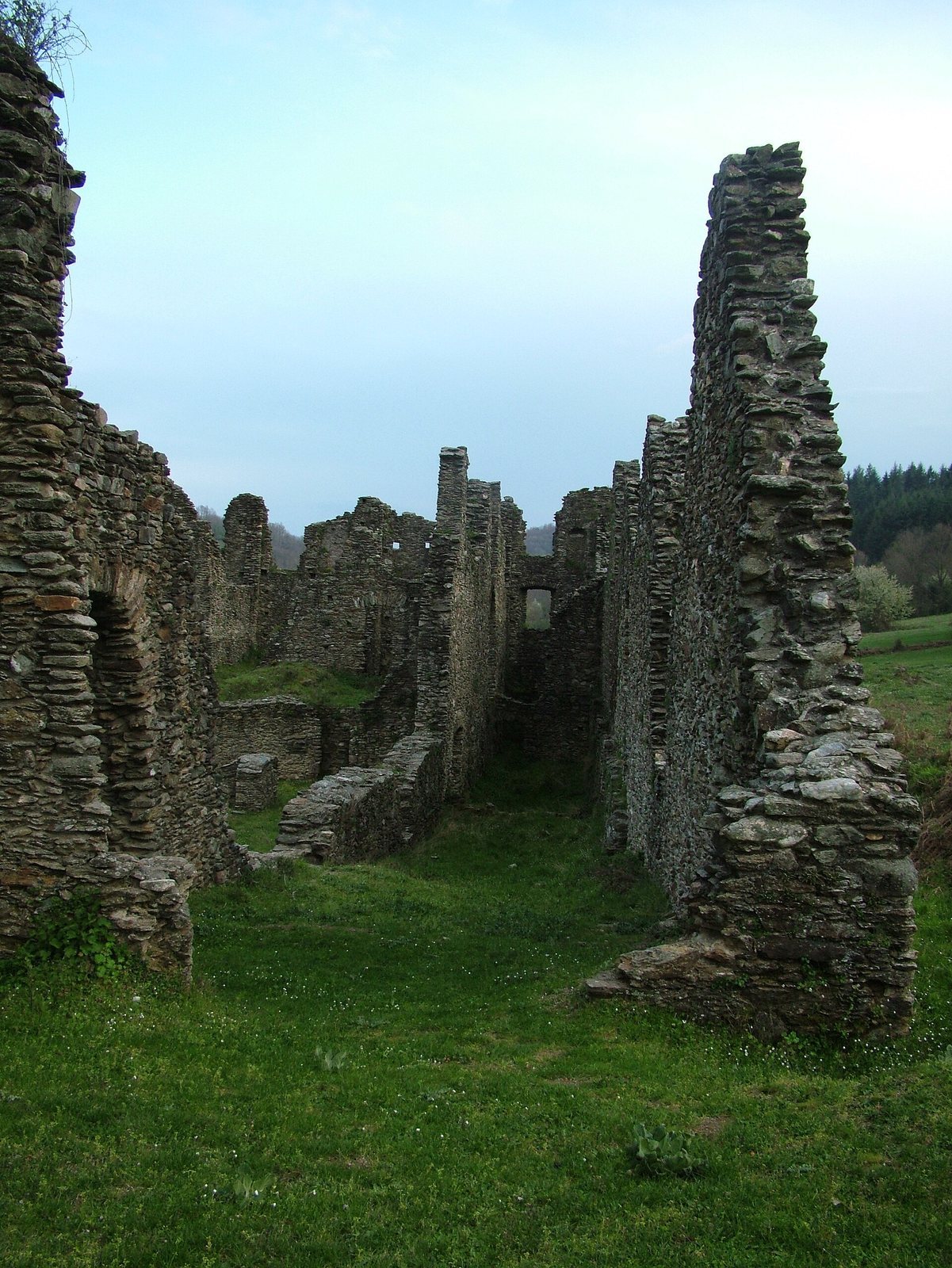
The ruined complex covers 7,000 square metres near the Corace River, within the Sila mountain massif. Its surviving buildings include the abbey church and cloister. The river also supplied water to a mill and a fulling mill near the monastery. A fulling mill used mechanical power to clean and thicken cloth. Water from the river then helped make the agricultural land below the abbey fertile.
Church and recovered features
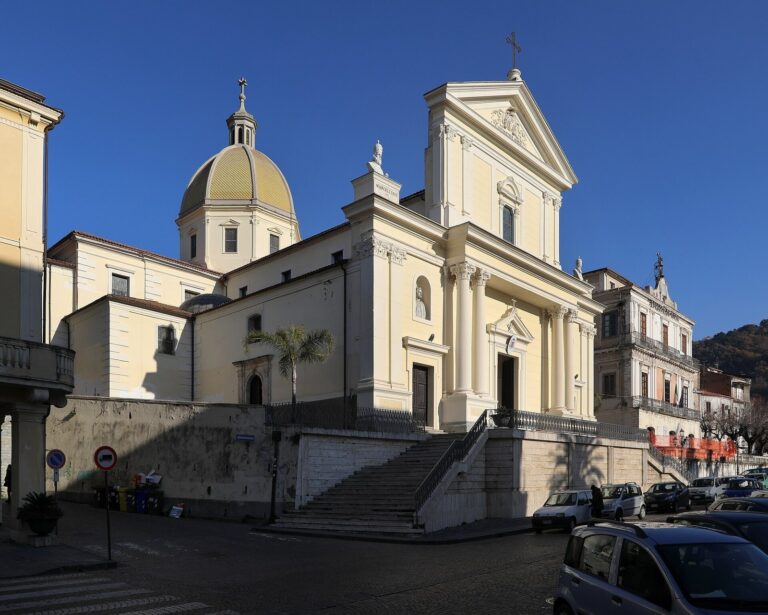
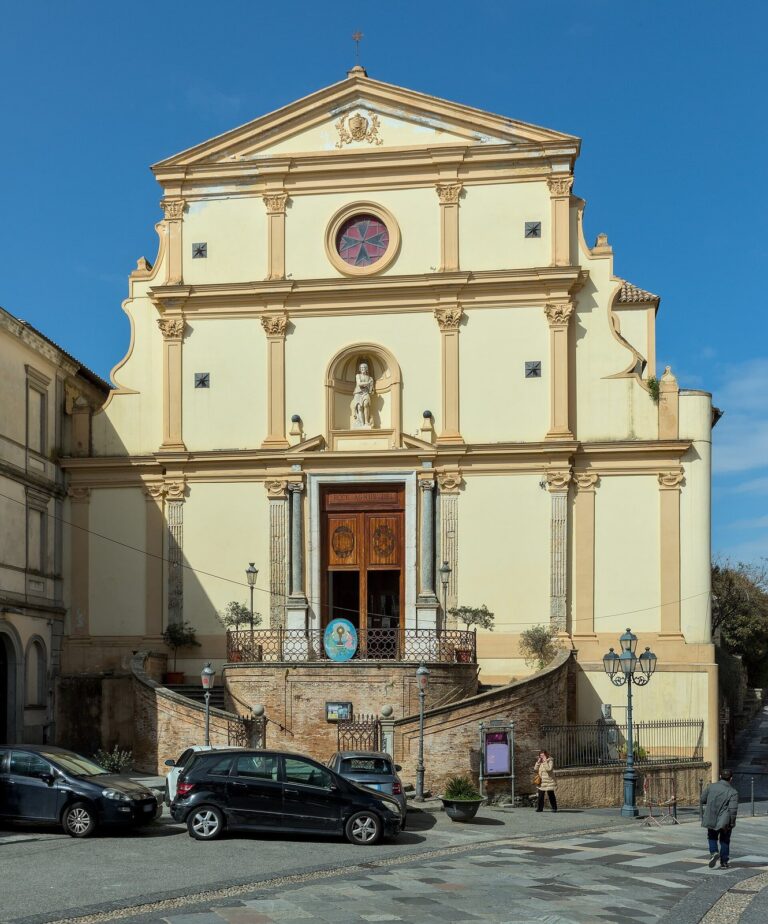
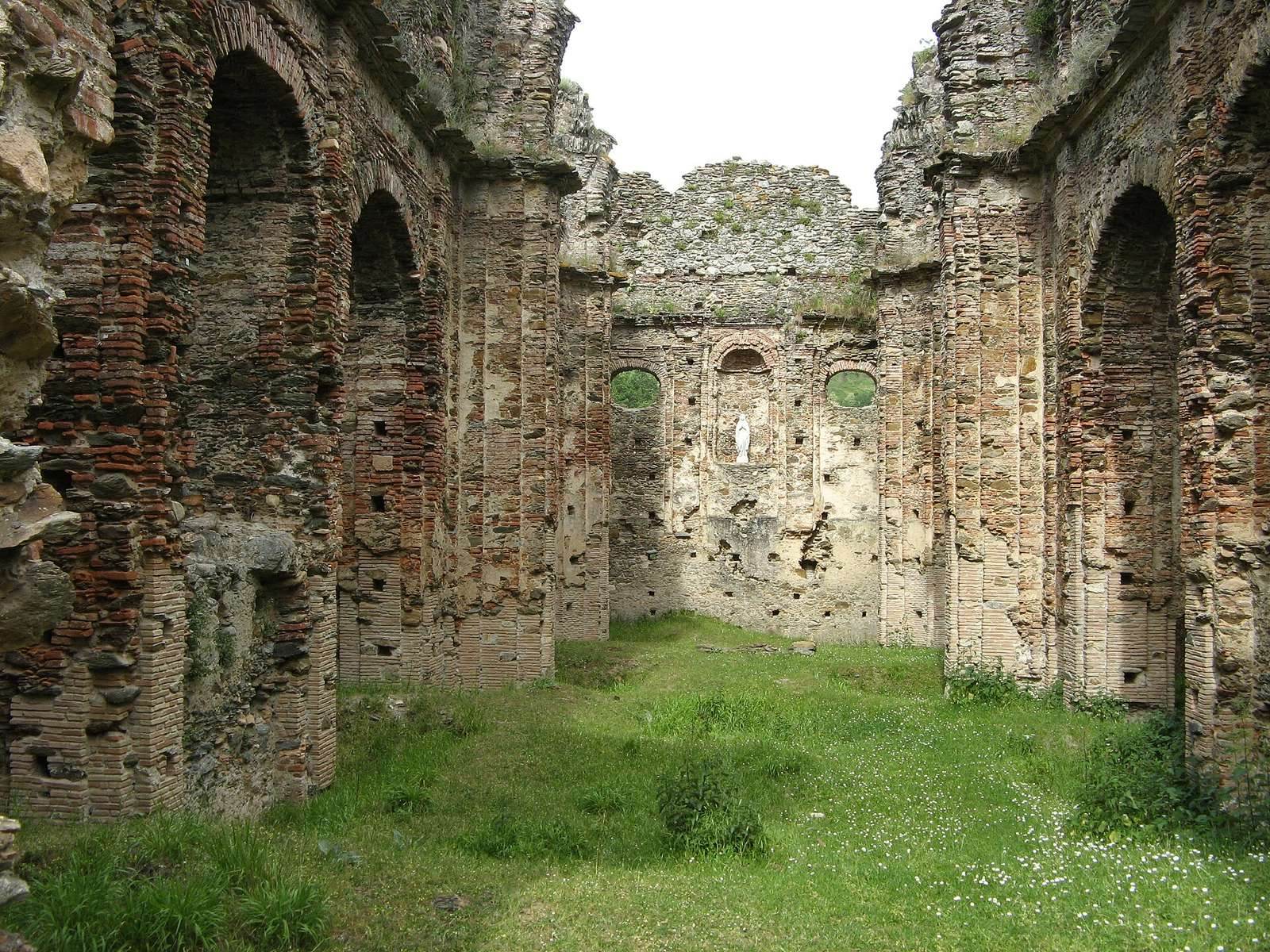
The church’s main doorway, which opened into its central aisle, was transferred to San Bernardo Church in Decollatura. Its high altar, made of polychrome marble and attributed to Cosimo Fanzago or his workshop, is now in the parish church of San Giovanni Battista in Soveria Mannelli. Restoration work on the church and the space before it brought the lower parts of the altars in three side chapels into view. Two inscriptions were also uncovered; one may refer to the church’s dedication.
Cloister
The cloister remains buried beneath several metres of debris.