Abbaye du Bouschet-Vauluisant: A Cistercian Abbey in France
Site at a Glance
- Rating
- 5
- Popularity
- Very Low
- Country
- France
- Primary era
- Medieval
- Eras represented
- Medieval
- Civilizations
- Unclassified
- Site type
- Religious
- Remains
- Monastery
On this page9 sections
History
Abbaye du Bouschet-Vauluisant was a Cistercian abbey in France, near Yronde-et-Buron, founded in 1192 by Robert IV, Count of Auvergne. The Cistercians were a reforming monastic order that emphasized strict communal observance, manual labor, and an austere way of life. The abbey stood at Le Boucheix beside the Palle stream, near the Allier, and was affiliated through Morimond, one of the order’s principal early houses. Its first monks came from Féniers Abbey.
Foundation and rebuilding
Robert IV apparently established the abbey in fulfilment of a vow, and Pope Celestine III confirmed its foundation in May 1192. The church was dedicated in 1197 in the presence of William IX, Count of Auvergne. The Cistercian General Chapter, the order’s central governing assembly, later required new construction because the original buildings did not comply with Cistercian rules. In 1221, Guy II, Robert IV’s son and successor as count, made a substantial donation and came to be regarded as a second founder.
A comital burial place
Alongside its religious function, the abbey became a necropolis, or designated burial complex, for the counts of Auvergne and their descendants. About thirty comital tombs were recorded there, principally during the fourteenth and fifteenth centuries. Those buried at the abbey included Robert IV, Guy II, William X, Robert V, William XI, Robert VII, Jean I, and Bertrand VI with his wife Louise. Other associated figures included Guy de Boulogne, Archbishop of Lyon and a repeated papal ambassador, his brother Godefroy of Auvergne, Godefroy’s first wife Marguerite Dauphine, and Louise of La Tour d’Auvergne, daughter of Bertrand V. The burial of Marie of Flanders, Robert VII’s wife, remains uncertain. The burials appear to have disappeared by the Revolutionary period.
River rights and dissolution
The abbey was richly endowed with fishing and navigation rights on the Allier between Coudes and Roche Rotgier. The religious community held about one-third of these rights, while the counts of Buron held two-thirds. They also included administration of the ferry between Coudes and Montpeyroux. The abbey was dissolved in 1791 during the French Revolution, a period of political upheaval that brought the suppression of many religious institutions in France. Its buildings were subsequently dismantled, and their stones were reused in structures nearby.
Remains
Ruins and enclosure
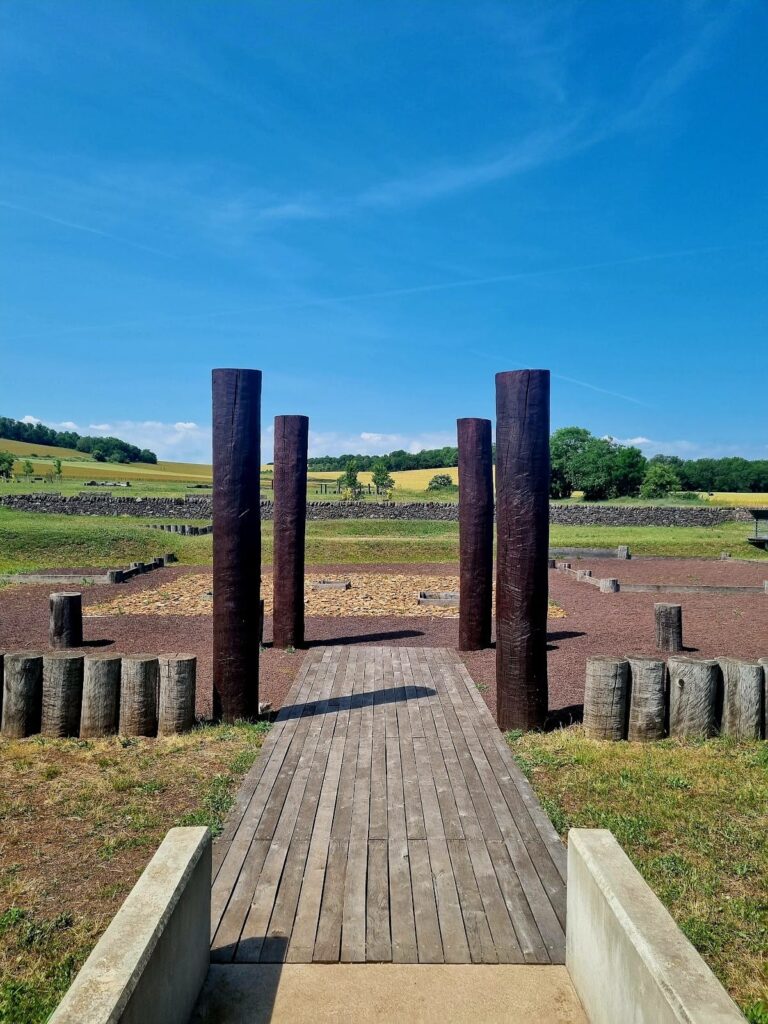
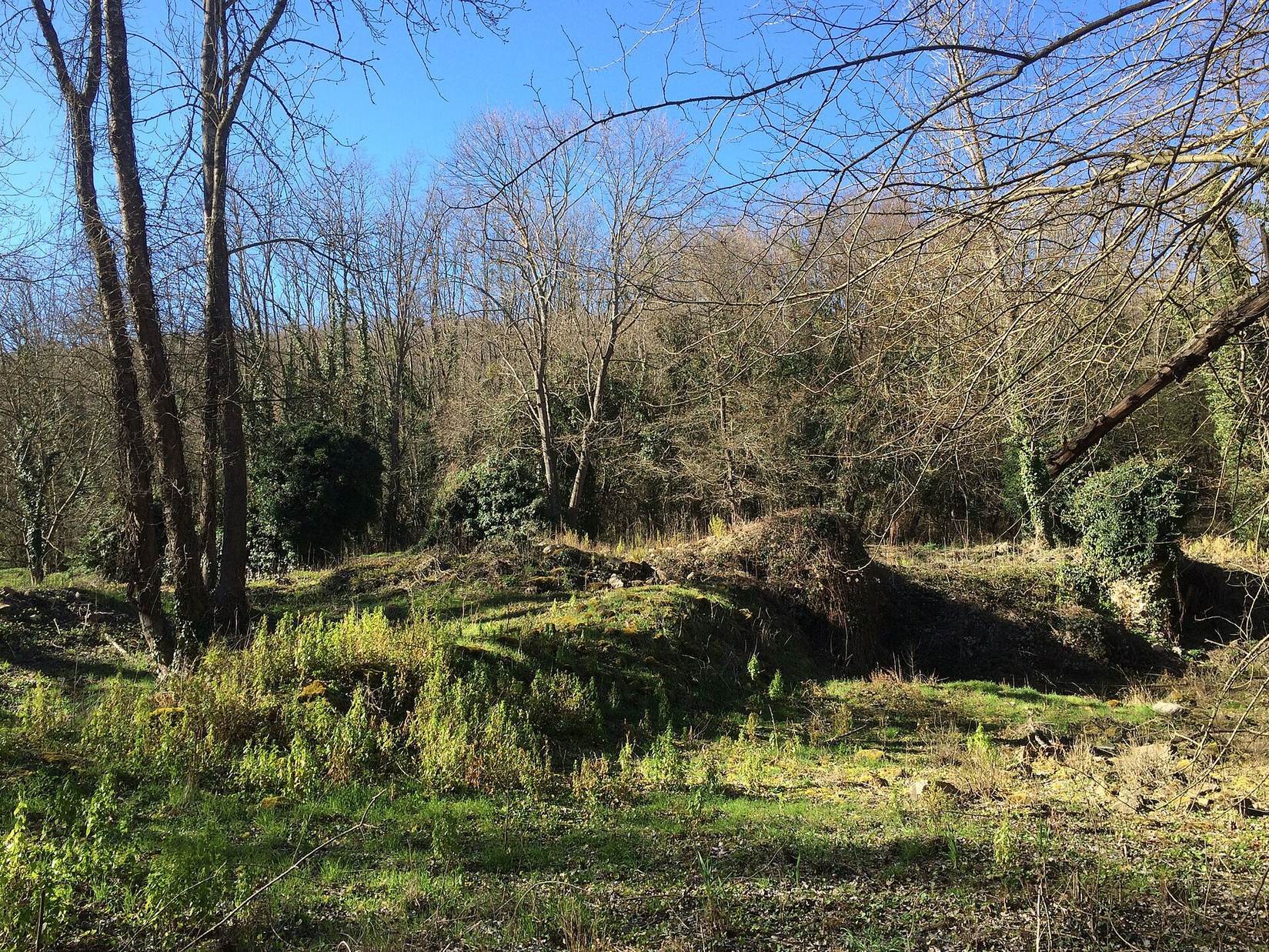
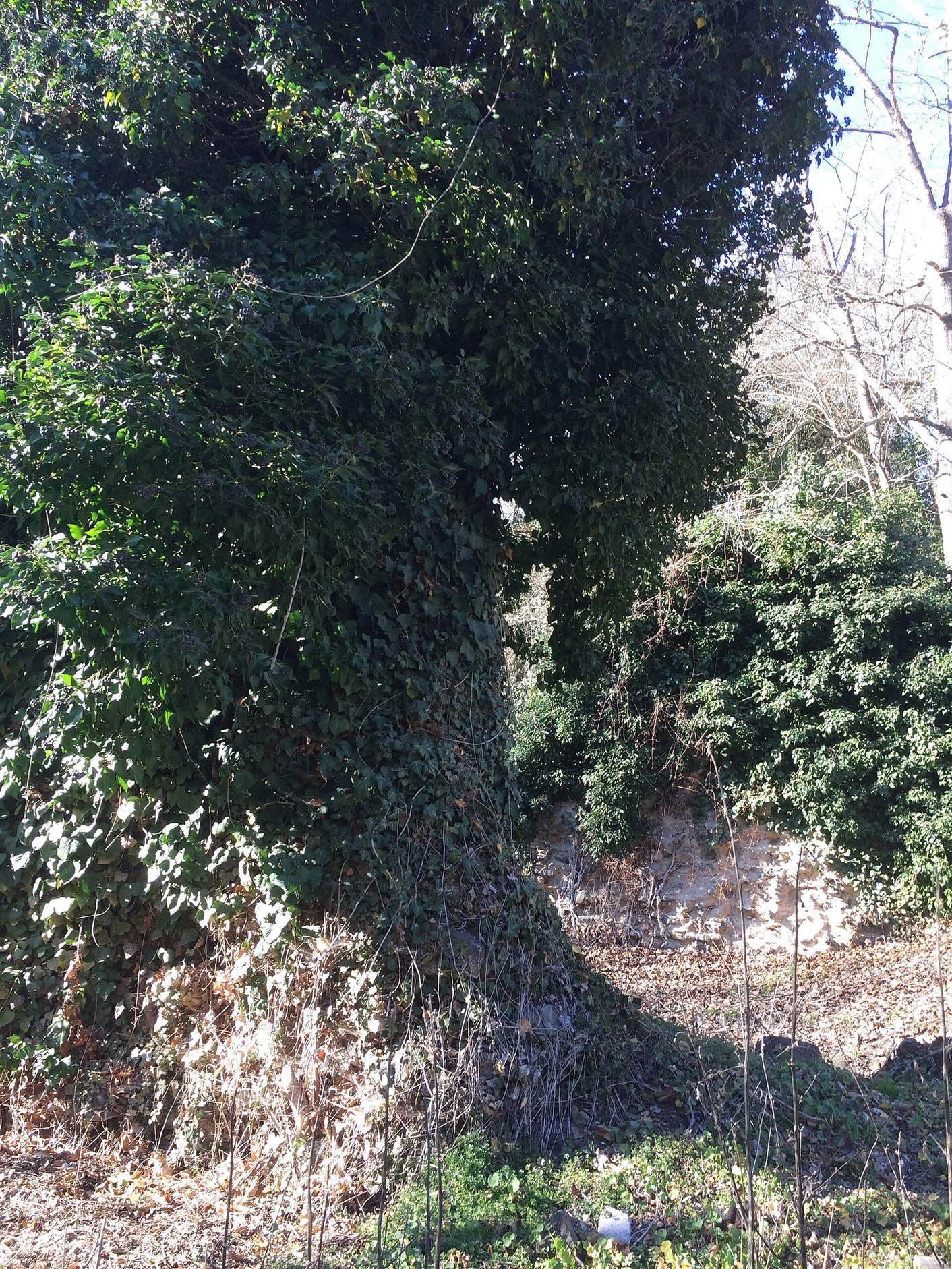
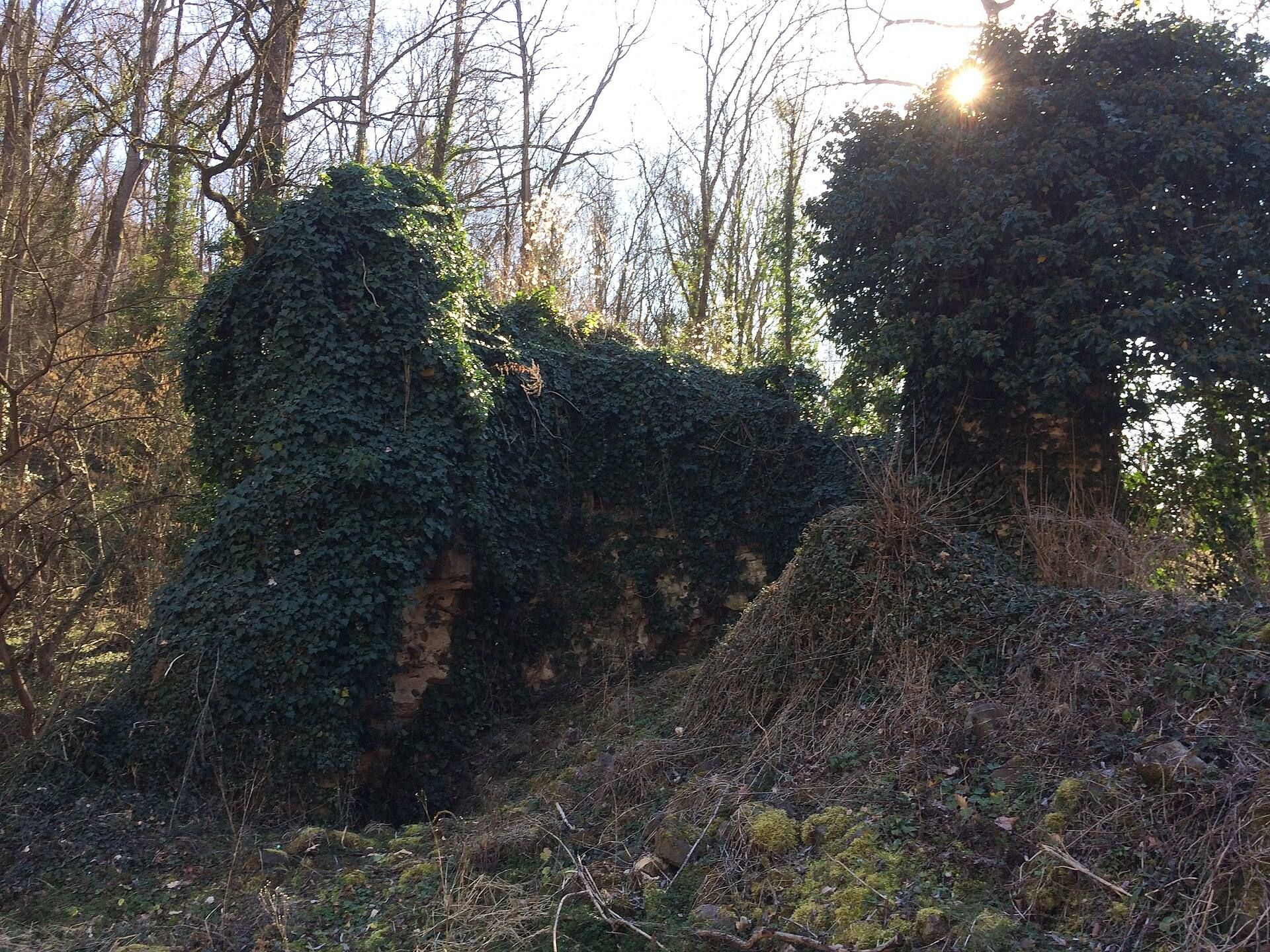
The abbey stood in a valley at Le Boucheix, beside the Palle, a small right-bank tributary of the Allier. Only limited physical remains survive, including sections of wall, a gate, and parts of the walls that enclosed the monastic complex.
Hydraulic works
An extensive hydraulic system formed part of the abbey’s physical organization. It diverted water over a considerable distance to the monastic mill and also supplied fish, linking the water management of the site with its economic and communal life.
Funerary chapel
A funerary chapel built in 1362 stood on the left side of the church nave, the main central area of the church, near the choir, the part close to the altar used by clergy or religious singers. The chapel contained the tombs of the counts of Auvergne and their family.
Furnishings and bell
After the abbey was dismantled, some of its movable furnishings were transferred to the church at Yronde. These include a carved seventeenth-century altarpiece, an ornamented structure placed behind or above an altar, and a sixteenth-century alabaster statue of the Madonna, the Virgin Mary. A bell dated 1320 was reused in the chapel at Buron.