Forte Schiaffino: An Italian Defensive Fort near Messina
Site at a Glance
- Rating
- 3.6
- Popularity
- Very Low
- Country
- Italy
- Primary era
- Modern
- Eras represented
- Modern
- Civilizations
- Italian
- Site type
- Military
- Remains
- Fort
On this page7 sections
History
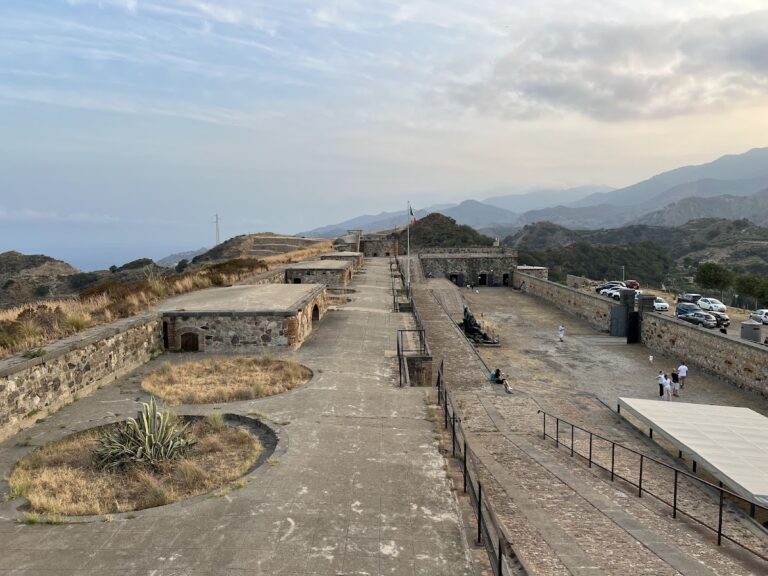
Forte Schiaffino is a late-nineteenth-century Italian military fort near Santa Lucia in Messina, Italy, built in 1889–1890 to defend the area between Gazzi and Mili Marina. Formerly known as Monte Giulietta, it was later named after Simone Schiaffino, an army general, and formed part of the Umbertini forts, a group of defensive works associated with the reign of King Umberto I.
Construction and military use
The fort belonged to a wider defensive complex that included Fort San Jachiddu and Fort Serra della Croce. Its military users included the Kingdom of Italy and Nazi Germany. Its strategic defensive role ended during the Second World War.
Postwar reuse and abandonment
After the war, Forte Schiaffino was abandoned as a military site and reused as a municipal kennel. The kennel operated until 2010, when about 400 dogs were moved to a newer facility. The fort was definitively closed in 2011 and later became an illegal dumping ground.
An attempt to redevelop the property in 2014 was unsuccessful. A new redevelopment project was discussed in July 2024, but its status remained unresolved. The Municipality of Messina is the current owner.
Remains
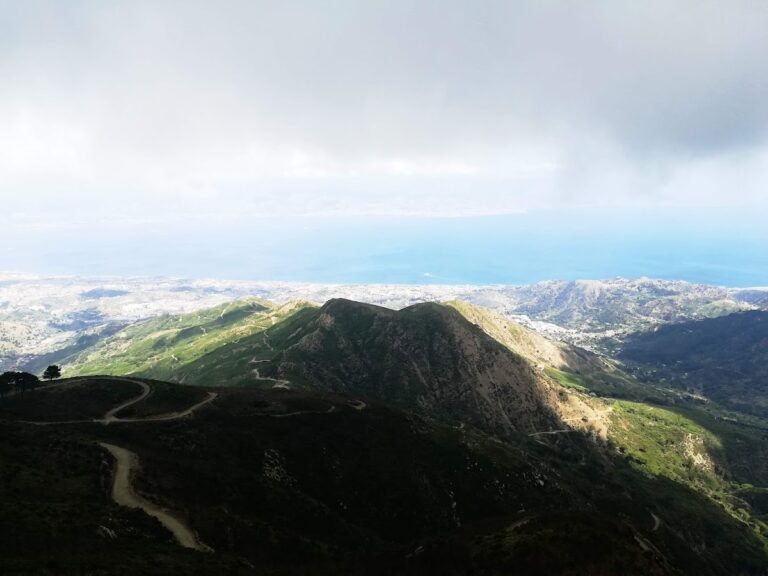
Forte Schiaffino stands on a promontory near Santa Lucia at approximately 650 metres above sea level. The fort is oriented east-southeast and lies about 1,600 metres from the coast. Its construction combines sedimentary rock, concrete, solid terracotta brick, and volcanic rock.
Fortifications and surviving condition
Moat and armament
The fort was armed with cannons and enclosed by a moat. The moat remains in good condition, while the fort as a whole is physically well preserved despite total abandonment.
Entrance buildings
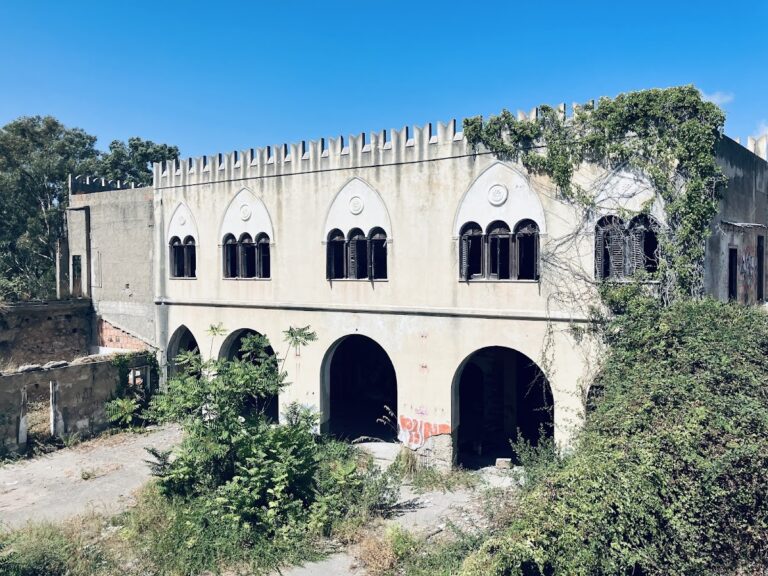
Some buildings near the entrance gate are in a precarious condition. These structures form the most vulnerable part of the surviving complex, while the main fortification remains in good physical condition.
Nearby sites