Fort Cavalli: A Coastal Defense Fortification in Messina


Site at a Glance
- Rating
- 4.5
- Popularity
- Low
- Country
- Italy
- Primary era
- Modern
- External website
- Open
- Eras represented
- Modern
- Civilizations
- Italian
- Site type
- Military
- Remains
- Fort
On this page6 sections
History
Construction and Military Use
Fort Cavalli is a fortification in Messina, Italy, built by the Kingdom of Italy between 1884 and 1914. Initially known as Monte Gallo Battery, it was overseen by the Army General Staff and constructed to defend the southern sector against possible French landings during France’s colonial expansion toward Tunisia. The fort was later dedicated to Giovanni Cavalli, a Piedmontese military general and artillery specialist who lived from 1808 to 1879.
The fort served the Kingdom of Italy and Nazi Germany. Its strategic military role ended in 1954, when the Italian Navy decommissioned it.
Abandonment and Renewal
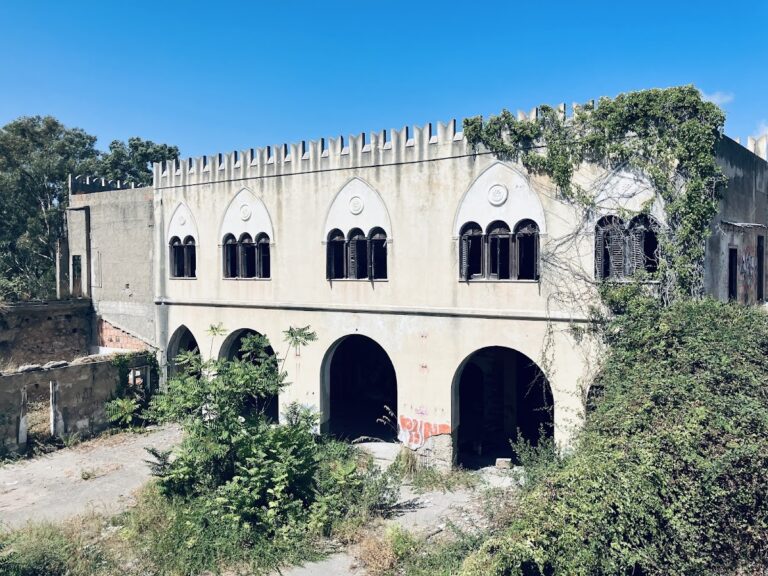
After decommissioning, Fort Cavalli was abandoned and deteriorated. For a period, it was used as shelter for pigs and goats. The site was later recognized for its historical and artistic interest. In 2000, the Comunità Zancle association obtained a state-property concession, leading to restoration and the opening of the fort to the public. It is now used for sociocultural events and activities.
The Historical Museum of the Fortification of the Strait of Messina opened inside the fort in 2003. The Strait of Messina is the narrow sea passage between Sicily and mainland Italy. The museum presents the history of its defenses from Italian unification, the creation of the unified Kingdom of Italy, through the Second World War, using historical artifacts, films, and educational activities. The fort also contains a Peace Education Laboratory for schools.
Remains
Setting and Construction
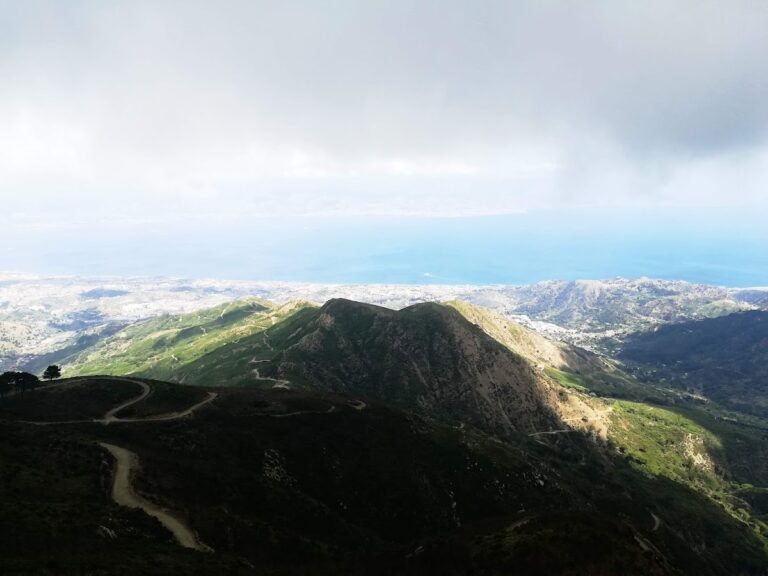
Fort Cavalli stands in Messina about 1,375 meters from the coast, at an elevation of 345 meters above sea level. Its restored structure combines sedimentary rock, concrete, solid terracotta brick, and volcanic rock. The fortification was designed to withstand extreme events and survived the catastrophic earthquake of 1908 and both world wars without damage.
Artillery Positions
The fortification includes eight howitzer emplacements and two lateral semicircular platforms intended for cannon installation. A howitzer is an artillery gun that fires shells on relatively high trajectories, allowing them to reach targets behind obstacles. A large Italian cannon from the Second World War is preserved at the fort. It is described as the largest Italian cannon of that war and has been designated a Monument to the Fallen.