Burg Nebra: A Hilltop Castle in Germany

Site at a Glance
- Rating
- 3.8
- Popularity
- Very Low
- Country
- Germany
- Primary era
- Medieval
- Eras represented
- Medieval
- Civilizations
- Holy Roman Empire, Landgraviate of Thuringia
- Site type
- Military
- Remains
- Castle
On this page11 sections
History
Burg Nebra is a hilltop castle in Germany, first mentioned in 1207. Built as a fortified residence on elevated ground, it served until 1247 as a seat of the Landgraves of Thuringia, high-ranking territorial rulers broadly comparable to princes. It then passed to the Counts of Querfurt.
Medieval destruction and Renaissance transformation
The castle and the town of Nebra were besieged and destroyed on several occasions. Friedrich the Serious, a fourteenth-century Wettin ruler and Landgrave of Thuringia, destroyed them in 1341. Further damage followed during the Saxon Fratricidal War, a conflict within the Saxon ruling house fought from 1446 to 1451, when troops of Elector Frederick II, known as Frederick the Gentle, attacked the settlement.
Several years later, Friedrich von Nißmitz received the castle and town as a fief from William the Brave, a Wettin duke of Saxony. Quirin and Georg von Nißmitz subsequently demolished parts of the complex and converted it into a Renaissance manor house, a residence shaped by the revival of classical architectural forms. This building became known as the Old Castle of Nebra. The Nißmitz family held the castle and town until 1718.
War and later development
Swedish troops occupied the castle from 1636 to 1648 during the Thirty Years’ War, the major European conflict of 1618 to 1648 that brought religious, dynastic, and political rivalries into the German lands. Parts of the complex were destroyed again during the occupation, and the castle then fell into decline.
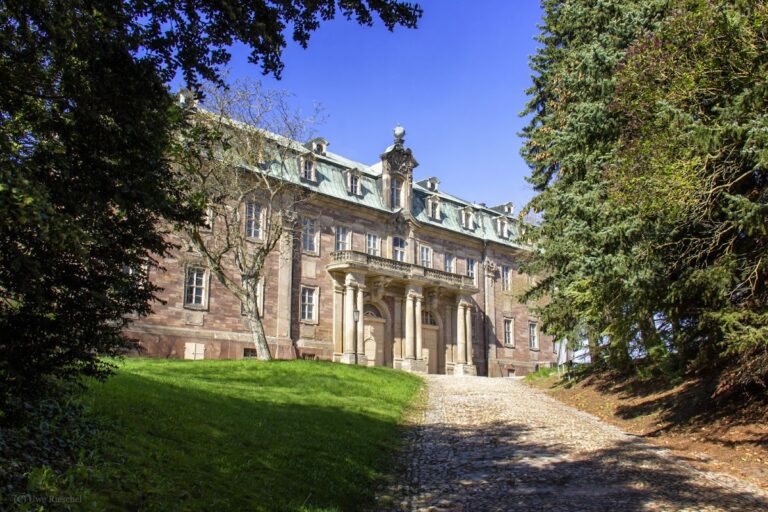
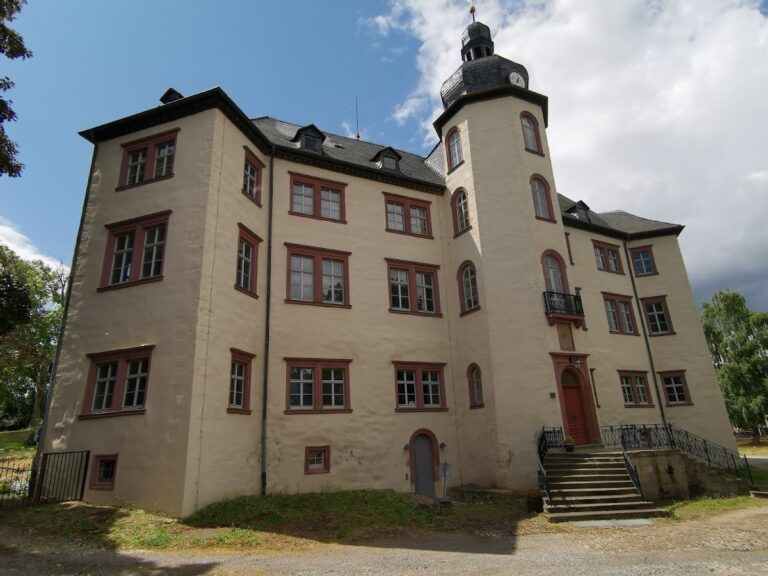
A New Castle was erected near the medieval ruins and the Old Castle in 1874. Its Neo-Renaissance design reflected the nineteenth-century revival of Renaissance architectural forms.
The earlier Altenburg
Before the present castle developed, the Altenburg occupied a north-projecting spur. This fortified hill settlement was established in the ninth century beside a branch of the Copper Route and was abandoned in the thirteenth century. It is regarded as an important starting point in the development of Nebra.
The Altenburg area had already served as a camp during the Upper Paleolithic, the later phase of the Old Stone Age associated with anatomically modern humans and varied stone, bone, and figurative artifacts. Excavations in 1962 uncovered the prehistoric Nebra figurines among many other finds. Since 1969, the former Altenburg area has contained an open-air swimming pool.
Remains
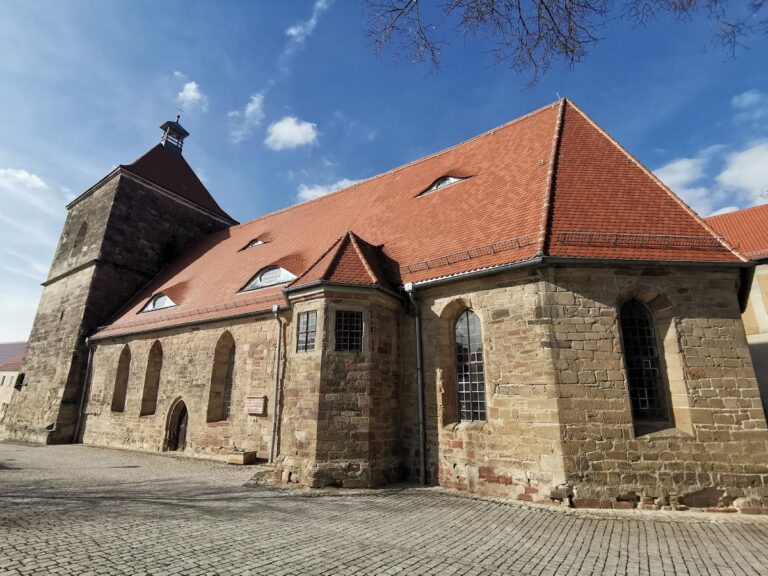
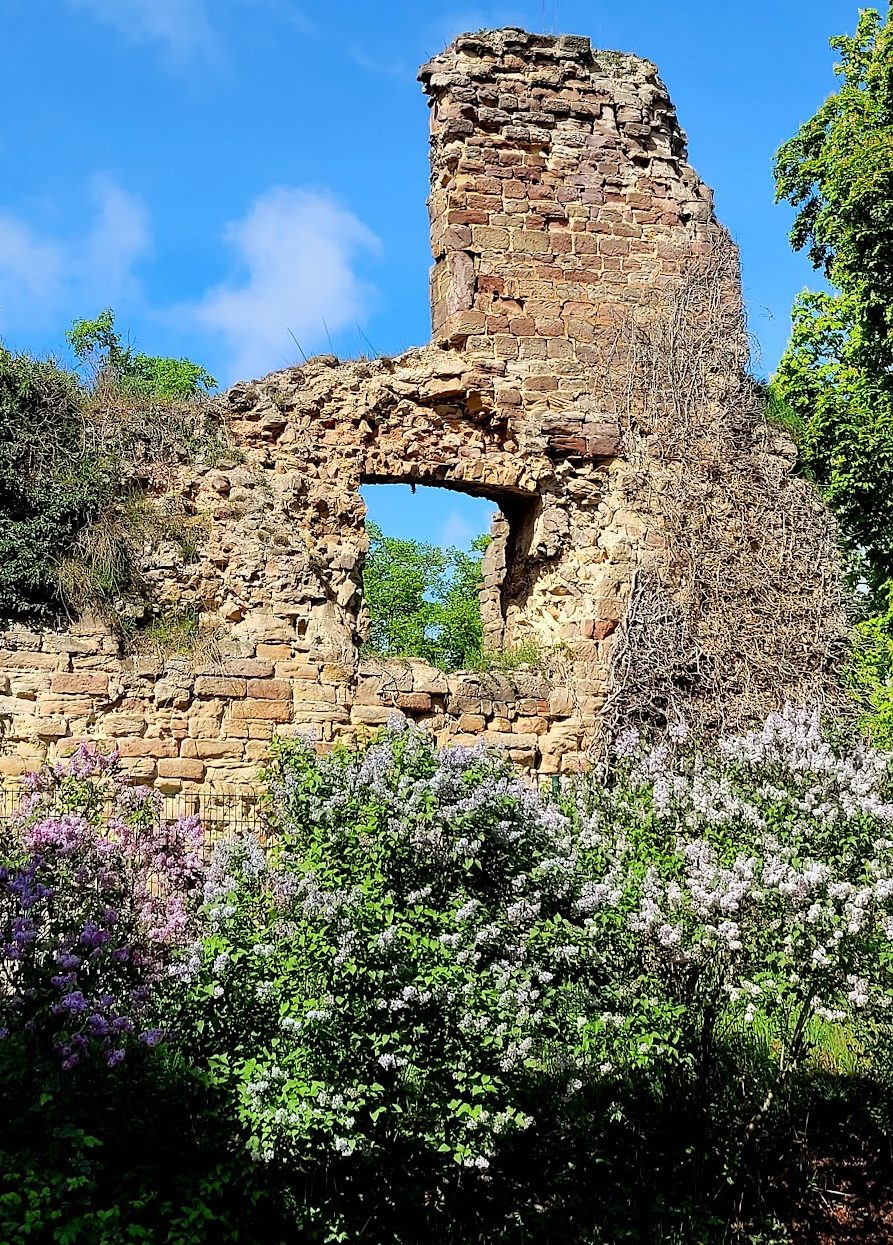
Burg Nebra survives as the ruin of a hilltop castle at 148 metres above sea level in Nebra, Saxony-Anhalt. The medieval complex stood on a sandstone cliff south of the Altenburg. Its surviving remains include a residential tower, a chapel built after 1250, and barrel vaults belonging to the wine cellar. Nearby are the ruins of the Old Castle, created through the Renaissance conversion of parts of the medieval complex, and the New Castle of 1874.
Medieval castle remains
Residential tower
The residential tower forms one of the surviving elements of the hilltop castle. Its position within the remains reflects the complex’s original combination of fortified defense and residence on the sandstone cliff.
Chapel
Remnants of a chapel built after 1250 remain within the castle complex. The surviving fabric belongs to the medieval phase that followed Burg Nebra’s documented role as a seat of the Landgraves of Thuringia.
Wine cellar
The barrel vaults of the wine cellar are preserved among the ruins. They represent a surviving underground part of the complex and remain associated with the castle’s residential and manor-house phases.
Altenburg earthworks
The earlier Altenburg occupied a spur projecting northward from the present town area. Its outer and main sections were enclosed by a ditch and an earthen rampart, forming the defensive layout of the fortified settlement. The area also preserves the archaeological context of the Upper Paleolithic camp and the finds recovered during the 1962 excavations.
Old and New Castles
The Old Castle represents the Renaissance reshaping of parts of the medieval stronghold into a manor house. Close to its ruins stands the New Castle, built in 1874 on the sandstone cliff in the Neo-Renaissance style. Together, these remains and later structures reflect the successive medieval, Renaissance, and nineteenth-century building phases associated with Burg Nebra.