Château d’Entrecasteaux: A Historic Fortress and Museum in France


Site at a Glance
- Rating
- 4.3
- Popularity
- Very Low
- Country
- France
- Primary era
- Medieval
- External website
- Open
- Eras represented
- Medieval, Early Modern
- Civilizations
- County of Provence, French
- Site type
- Domestic
- Remains
- Castle
On this page7 sections
History
Medieval fortress and later alterations
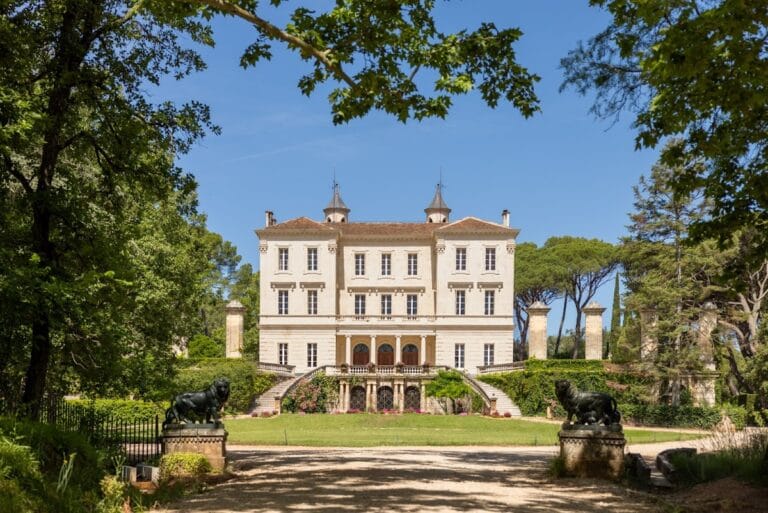
Château d’Entrecasteaux is an eleventh-century fortress in France. Its buildings and grounds were altered during the fifteenth, sixteenth, and eighteenth centuries, giving the site a long architectural development. François de Grignan, the son-in-law of Madame de Sévigné, a seventeenth-century French letter writer known for her extensive correspondence, was among the prominent figures connected with the château and is identified as its initial owner.
The Entrecasteaux family
The château was the birthplace of Antoine Bruny d’Entrecasteaux in 1737. In 1791, Louis XVI, king of France from 1774 to 1792, sent him to search the Pacific for the missing expedition of La Pérouse, a French naval officer and explorer whose voyage had disappeared late in the eighteenth century. Antoine Bruny d’Entrecasteaux died of scurvy and dysentery on 20 July 1793.
Jean Baptiste, Marquis d’Entrecasteaux, was born at the château in 1761. In 1784, he murdered his wife.
Restoration and museum use
After several decades of abandonment, restoration began in 1974 under the British painter Hugh Ian Macgarvie-Munn. He partly converted the château into a museum before his death in 1981. The work carried out by Macgarvie-Munn and his family contributed to the château’s entry on France’s supplementary inventory of historic monuments in 1988. The current owner, Alain Gayral, has expanded the collections and continued careful restoration. The château is now used as a museum.
Remains
Fortress, terraces, and garden
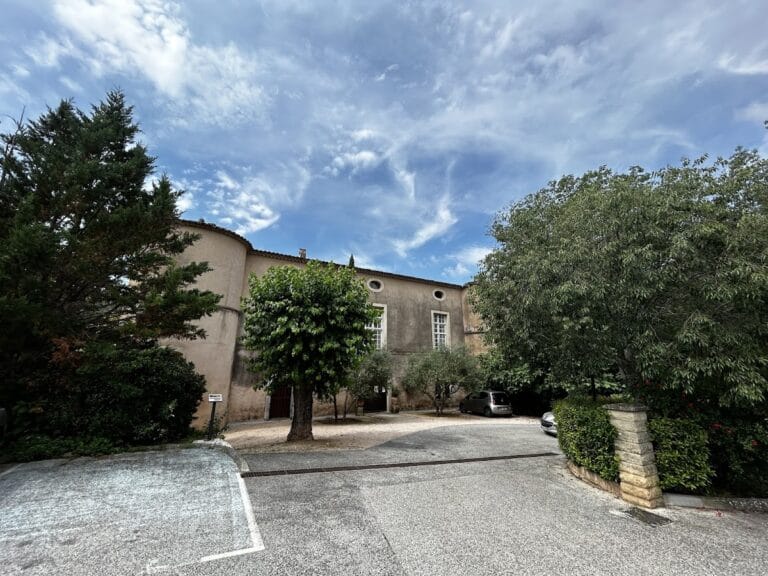
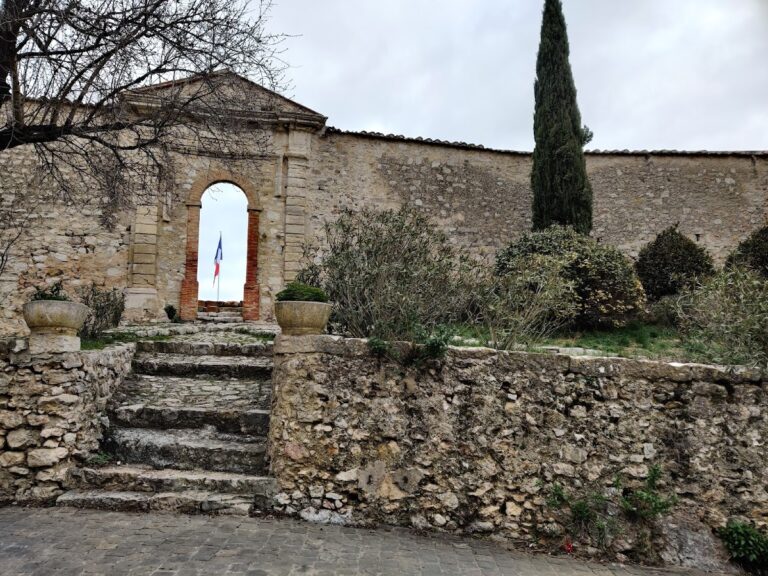
The château stands above the village of Entrecasteaux and dominates it. Its surviving complex includes terraces with retaining walls, access ramps, portals, and the former gatehouse. The garden is a French formal garden inspired by drawings by Le Nôtre, the principal designer of the gardens at Versailles under Louis XIV and a major figure in formal French garden design. An inscription on the entrance door states that the garden was completed in 1781.
Interior and service features
The château includes an ice house, a structure designed to store ice for later use, as well as exterior ironwork. Inside are three salons with fireplaces and a grand staircase. The protected ensemble also includes the facades and roofs, preserving the relationship between the fortress’s exterior architecture, its terraces, and its surviving interior features.