Palazzo Roncale (Rovigo): A Sixteenth-Century Noble Palace


Site at a Glance
- Rating
- 4.5
- Popularity
- Low
- Country
- Italy
- Primary era
- Early Modern
- External website
- Open
- Eras represented
- Early Modern
- Civilizations
- Venetian
- Site type
- Domestic
- Remains
- Elite Residence
On this page7 sections
History
Construction in the Sixteenth Century
Palazzo Roncale is a sixteenth-century noble palace in Italy, commissioned and built by the Roncale family between 1550 and 1555 in the Renaissance period. The family had moved from Bergamo to the Polesine area around the middle of the fifteenth century. The project was directed by Michele Sanmicheli, a Veronese architect and military engineer known for Renaissance palace and fortification design.
The palace was planned beside Palazzo Roverella, with its design intended to maintain its presence alongside that building despite Palazzo Roverella’s size. The construction date of 1550 to 1555 is also preserved beneath the coat of arms on the façade.
Henri III’s Visit
On 28 July 1574, Antonio Roncale hosted Henri III of France at the palace on behalf of the Venetian Republic, the maritime republic governed from Venice that controlled Rovigo and the surrounding Polesine at the time. Henri had been elected king of Poland and was travelling back to France for his coronation and succession to Charles IX. He became king of France in 1574 and ruled until 1589.
In recognition of Antonio Roncale’s hospitality, he was made a knight and received the privilege of adding the White Cross of Valois to the family coat of arms. The Valois were the French royal dynasty to which Henri III and Charles IX belonged.
Modern Use
The palace was heavily modified at the beginning of the twentieth century. It remains in use and is currently owned by Fondazione CARIPARO, serving as a setting for exhibitions, conferences, cultural activities, and educational activities.
Remains
Architectural Form
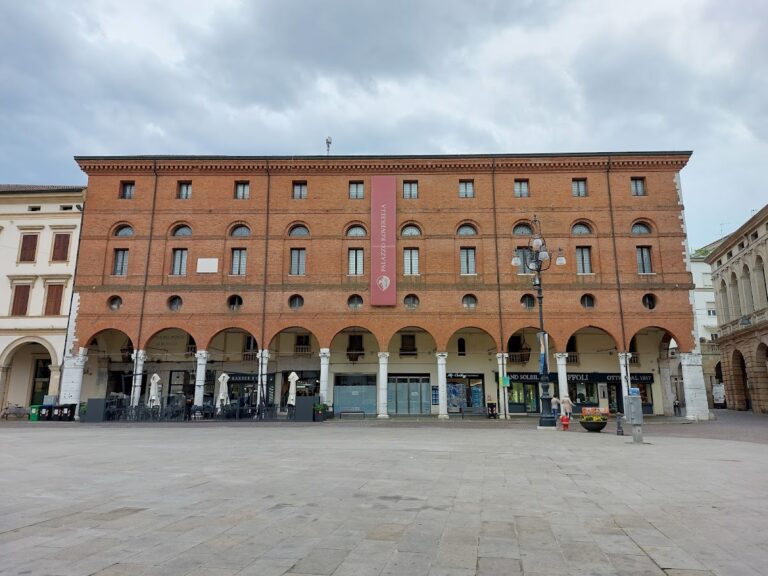
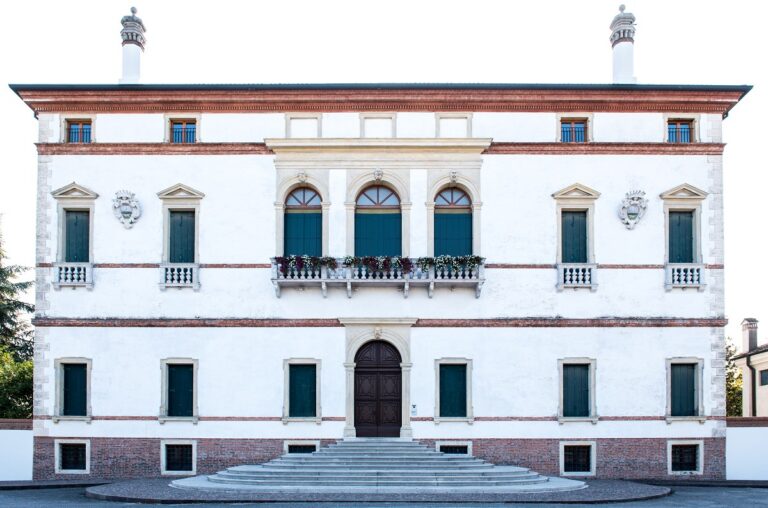
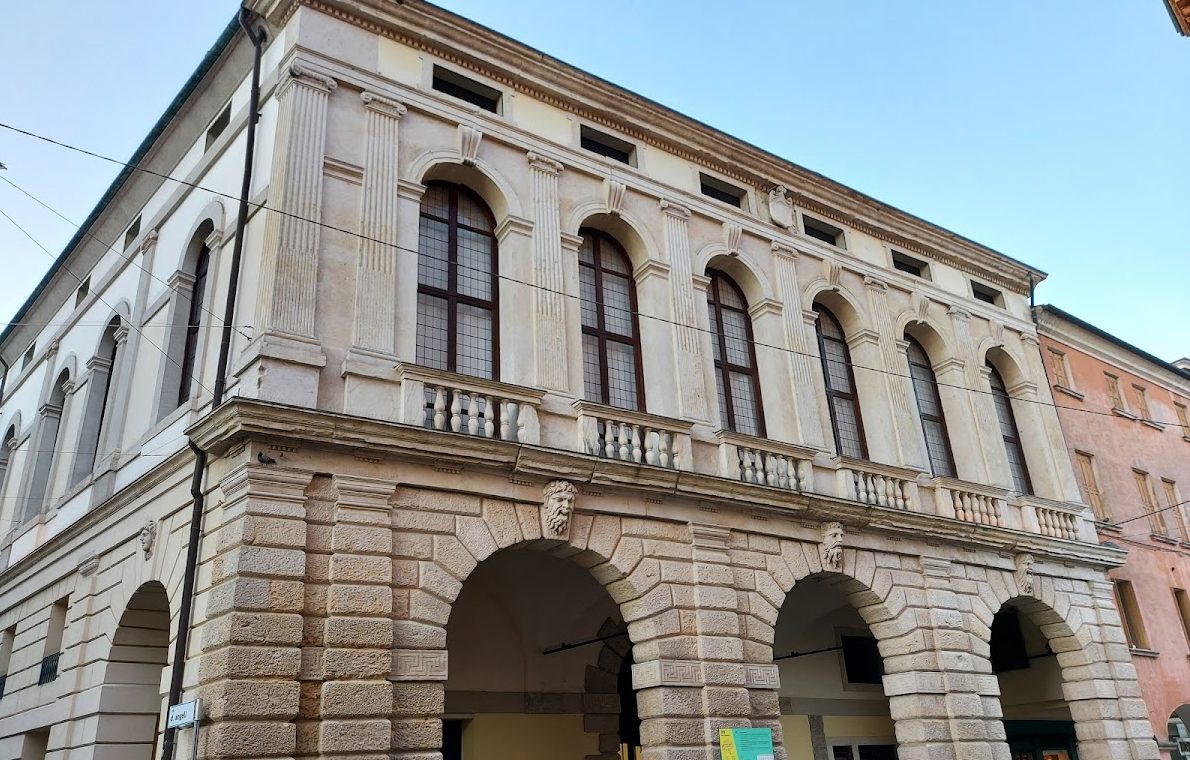
Palazzo Roncale stands near Piazza Vittorio Emanuele II, at the intersection of the present-day Via Angeli and Via Laurenti. Its plan follows the type used for Venetian and Veronese aristocratic palaces. The façade retains the coat of arms with the construction date carved beneath it, while the building as a whole reflects the substantial modifications carried out in the early twentieth century.
Object Associated with Henri III
A piece of cutlery used by Henri III during his stay is preserved at the Accademia dei Concordi in Rovigo. It provides a surviving material link between the palace and the French king’s visit in 1574.
Nearby sites