Polos Fortress: A Byzantine Settlement and Fortification in Türkiye


Site at a Glance
- Rating
- 4.7
- Popularity
- Very Low
- Country
- Turkey
- Primary era
- Medieval
- Eras represented
- Medieval
- Civilizations
- Byzantine
- Site type
- Military
- Remains
- Citadel
On this page11 sections
History
Polos Fortress is a Middle and Late Byzantine settlement and fortification near Yoğuntaş in Kırklareli Province, Türkiye. The Byzantine Empire was the continuation of the eastern Roman Empire, centered on Constantinople, and its medieval phases are known as the Middle and Late Byzantine periods. The settlement was known as Skopelos and became an episcopal center in the eighth century, serving as the seat and administrative center of a bishop’s diocese.
Byzantine Settlement and Fortress
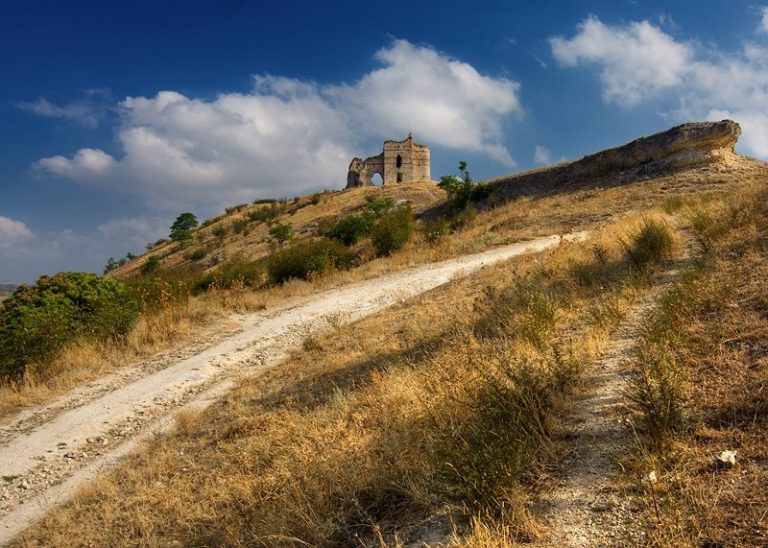
The fortress was built above Skopelos on a 405-meter-high hill forming an extension of the Istranca Mountains. Differences in the techniques used to build its walls indicate that the site was used during multiple periods. The fortified enclosure contained a settlement protected by inner and outer defensive walls.
The Polos Naming Tradition
The name Polos Fortress is associated with a tradition recorded by Evliya Çelebi, a seventeenth-century Ottoman traveler and chronicler. He connected the fortress with a priest named Polos, described as a relative of the Byzantine ruler of Edirne. This tradition explains the name but does not confirm that Polos built the fortress.
Archaeological Protection
Polos Fortress was registered as a first-degree archaeological site by a decision of the Edirne Regional Board for the Protection of Cultural Heritage dated May 11, 2016.
Remains
Polos Fortress occupies the summit of a 405-meter-high hill associated with the Istranca Mountains. Its defensive system enclosed the settlement with inner and outer walls. The fortifications are substantially ruined, but the lines of the inner defenses can still be traced across the site.
Fortifications and Towers
Defensive Walls
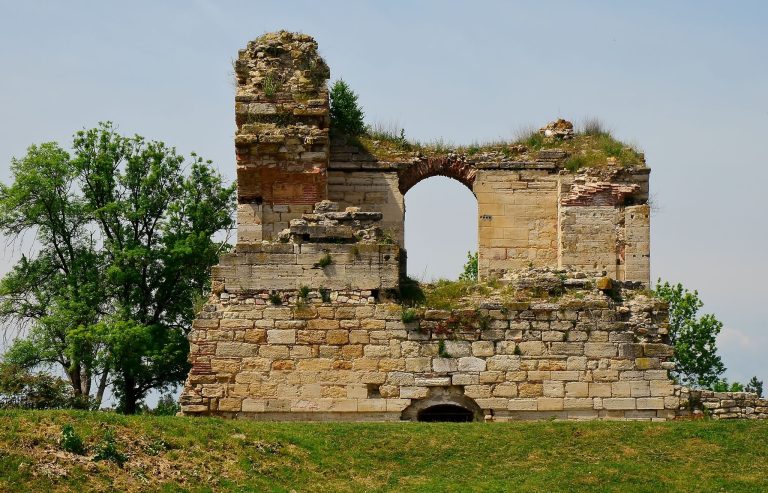
The fortification walls extend for approximately 1,150 meters in total and are between 2 and 3 meters thick. Their original height has not been determined. Surviving differences in wall-building techniques reflect the site’s use during more than one period.
Towers
Remains of five towers have been observed. The tallest surviving tower reaches 6 meters in height, while the rest of the defensive circuit survives in a substantially ruined condition.
Interior Structures
Inner Fortress and Cistern
The site includes an inner fortress and a cistern. These features formed part of the settlement enclosed by the defensive system.
Building Foundations
Foundations of other buildings remain within the fortress, although their plans are too badly ruined to be read.