Château du Bellay: A Fortified Château in Allonnes, France

Site at a Glance
- Rating
- 5
- Popularity
- Very Low
- Country
- France
- Primary era
- Early Modern
- External website
- Open
- Eras represented
- Early Modern, Modern
- Civilizations
- French
- Site type
- Domestic
- Remains
- Castle
On this page4 sections
History
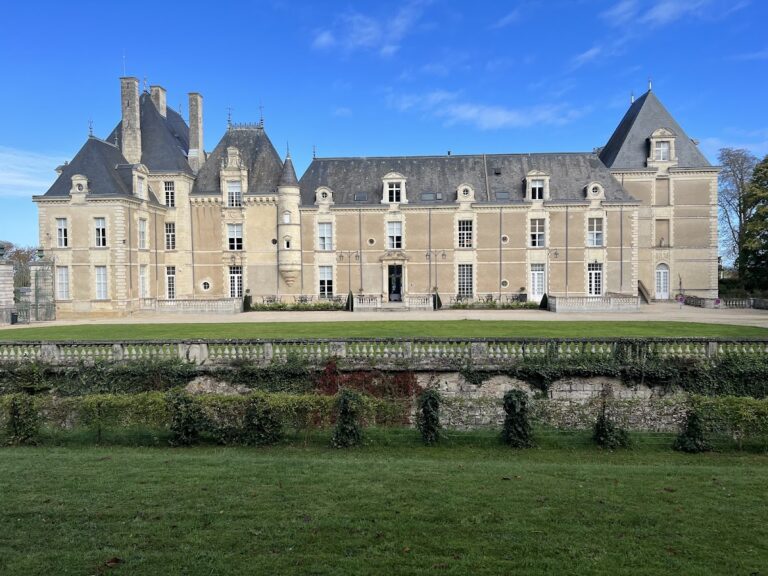
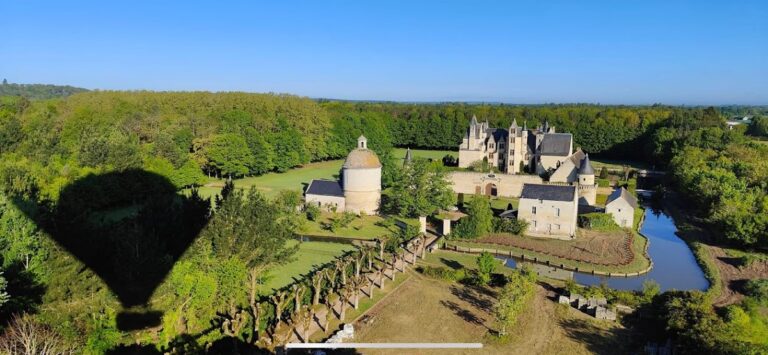
Château du Bellay is a fortified château in Allonnes, France, whose construction developed from the sixteenth century to the beginning of the nineteenth century. Located north of the Loire in Maine-et-Loire, it is regarded as the cradle of the du Bellay family, which produced several bishops, abbots, and other clerics.
The du Bellay family and later ownership
The château belonged to the senior branch of the du Bellay family. The poet Joachim du Bellay came from a junior branch associated with properties at Liré and La Turmelière, rather than from the branch connected with Château du Bellay.
After passing through several families, the château came to the Feuillant family during the nineteenth century. The Feuillants were wealthy industrialists, including a manager of the Compagnie générale des Omnibus de Paris, the predecessor of the Paris regional public transport operator RATP. Through marriage, ownership later passed to the Contades family, descendants of the French marshal Louis-Georges-Erasme de Contades. The present owners are their descendants.
The Second World War and heritage protection
During the Second World War, German General Kurt Feldt requisitioned the château because of its strategic position and its proximity to Saumur. This took place during the Defense of the Loire in 1940, when the French Cadets of Saumur, cavalry officer cadets, took part in the resistance to the German advance and halted German forces in the area.
Château du Bellay has been protected as a French historic monument since 8 November 1995. In France, this designation is a legal heritage category for buildings and sites considered to possess historical or architectural importance. The château remains privately owned.
Remains
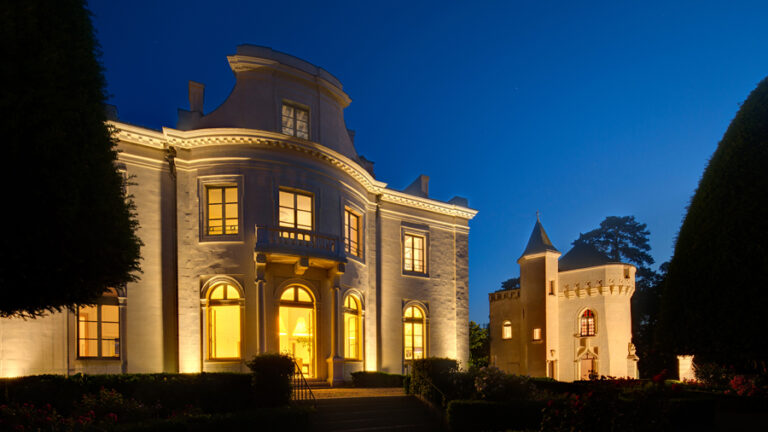
The building is a fortified château whose construction spans the sixteenth century through the beginning of the nineteenth century. François-Léonard Seheult is identified as its architect. The surviving architectural character therefore reflects a long period of construction and development rather than a single building phase.