Glamoč Fortress: A Medieval and Ottoman Hilltop Fortress in Bosnia and Herzegovina


Site at a Glance
- Rating
- 4.4
- Popularity
- Very Low
- Country
- Bosnia and Herzegovina
- Primary era
- Medieval
- External website
- Open
- Eras represented
- Medieval, Early Modern
- Civilizations
- Kingdom of Bosnia, Ottoman
- Site type
- Military
- Remains
- Fort
On this page7 sections
History
Glamoč Fortress is a medieval fortress in Bosnia and Herzegovina, above the town of Glamoč, whose construction began in the fourteenth century and was completed during the Ottoman period. In 1357, it belonged to Grgur Stjepanić, while at the beginning of the fifteenth century Glamoč was held by Pavle Maštrović Klešić.
Medieval Origins and Ottoman Rule
Glamoč was later taken by the Ottoman army along with other Bosnian towns. Historical names for the fortress included Dlamoč, Belgrade, Beograd, and Belgradčik. The names meaning “white city” referred to the light-colored stone used to build the fortress.
At the beginning of the seventeenth century, the Glamoč captaincy was established. A captaincy was a military frontier district governed by a captain, and it provided the administrative and military framework associated with the fortress. The captains first came from the Ćirić family and later from the Jakirlić family. This development increased the fortress’s importance during the Ottoman period, when the Ottoman Empire controlled and administered Glamoč.
Disbandment and Later History
The fortress garrison was disbanded in 1851. A few decades later, parts of the fortress began to be dismantled for building materials. Glamoč Fortress is now listed as a National Monument of Bosnia and Herzegovina.
Remains
Hilltop Fortifications
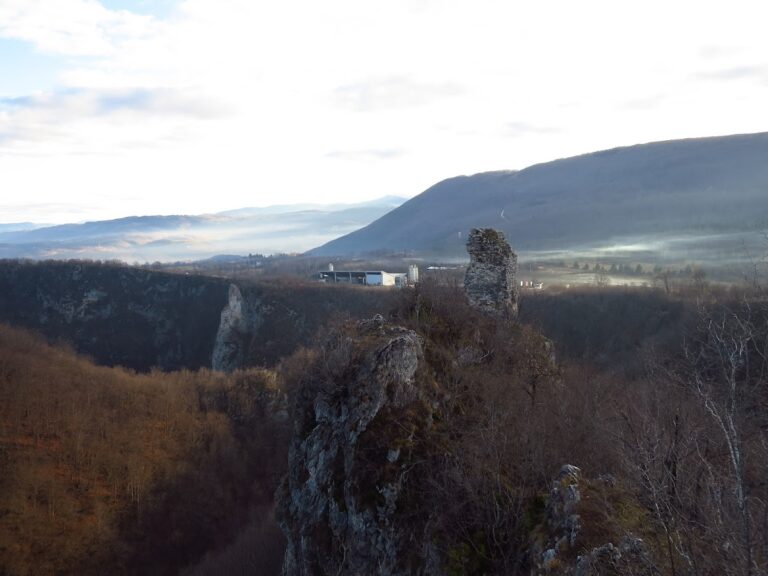
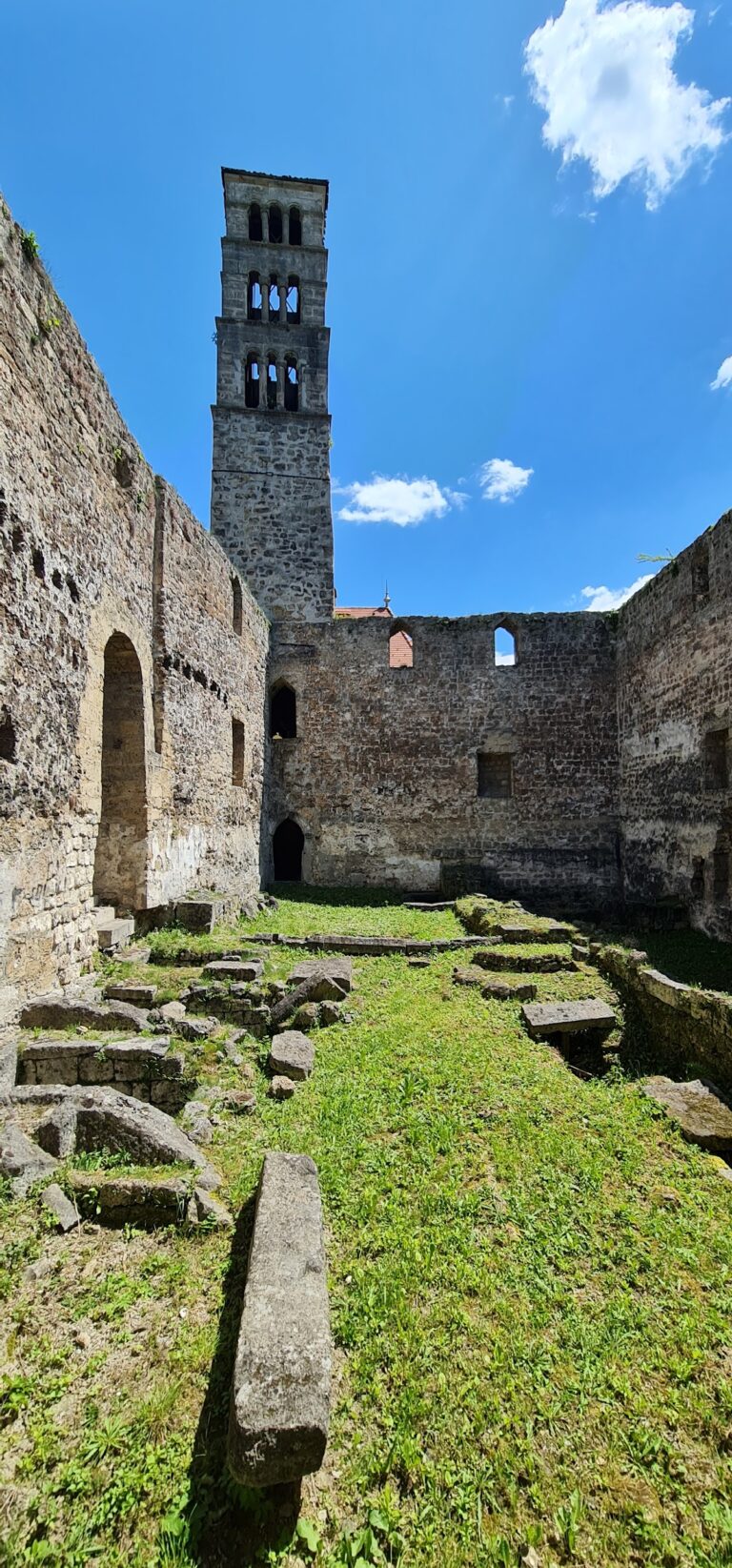
The fortress stands on the northern slopes of Mount Staretina, slightly above Glamoč, and occupied the elongated plateau at the summit of a hill. The fortified area was approximately 60 metres long and 20 metres wide. Built of light-colored stone, it included defensive walls, towers, and a projecting bastion.
Bastion and Defensive Walls
The seven-sided bastion is a rebuilt medieval donjon, the principal fortified tower of a medieval castle. In Ottoman Turkish, such a fortified defensive work was called a tabiya, and the entire fortress is sometimes known by that name. Two further towers defended the northern and southern approaches, with high, thick walls linking them. A second wall enclosed the lower part of the hill and contained one entrance protected by a kapi-kula, or gate tower.
Garrison Mosque
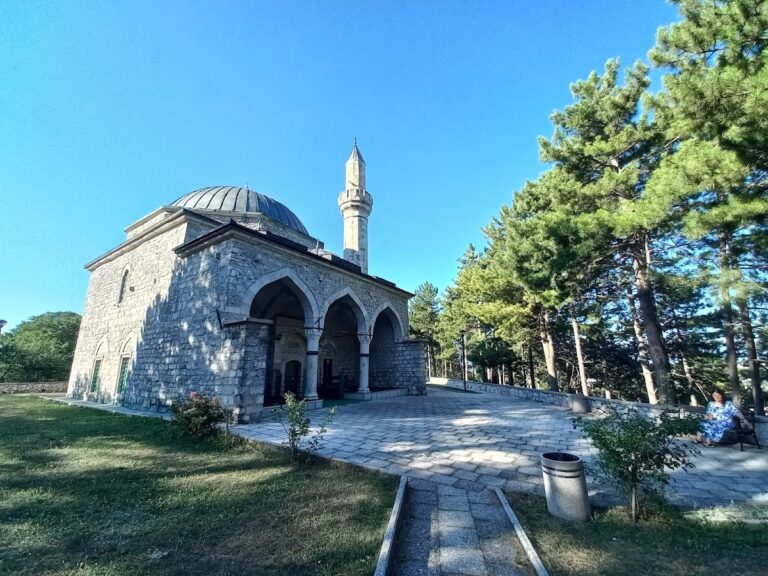
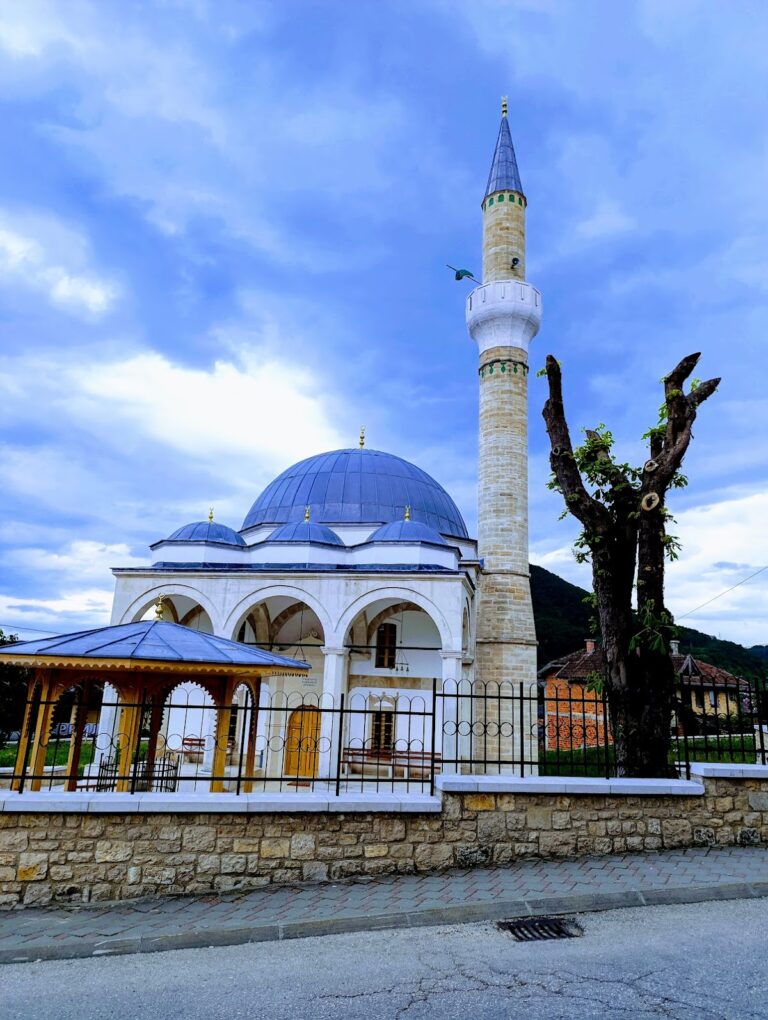
The ruins of the Mosque of Mehmed the Conqueror stand at the northeastern corner of the fortress. Named for Mehmed II, the Ottoman sultan who conquered Constantinople in 1453, the mosque is the best-preserved element of the surviving complex.
Nearby sites