Burg Weferlingen: A Medieval Water Castle Ruin in Germany


Site at a Glance
- Rating
- 4.4
- Popularity
- Very Low
- Country
- Germany
- Primary era
- Medieval
- Eras represented
- Medieval, Early Modern
- Civilizations
- Holy Roman Empire
- Site type
- Military
- Remains
- Castle
On this page9 sections
History
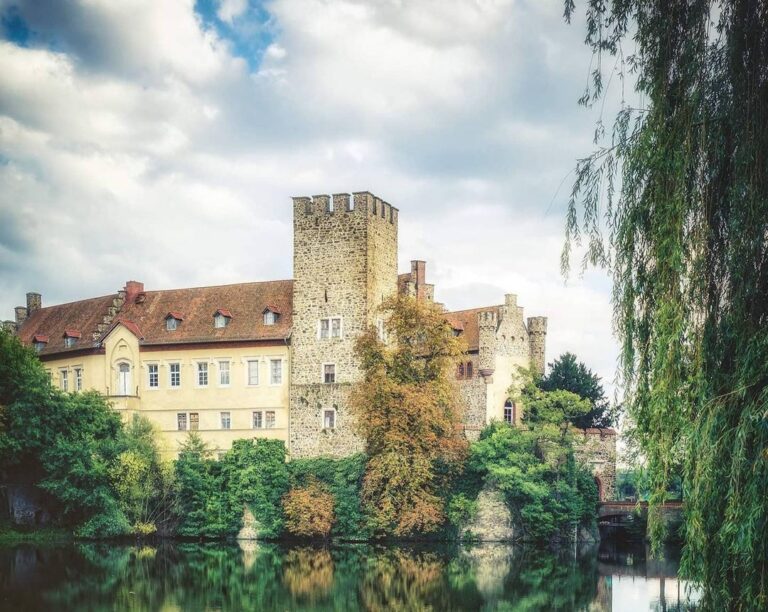
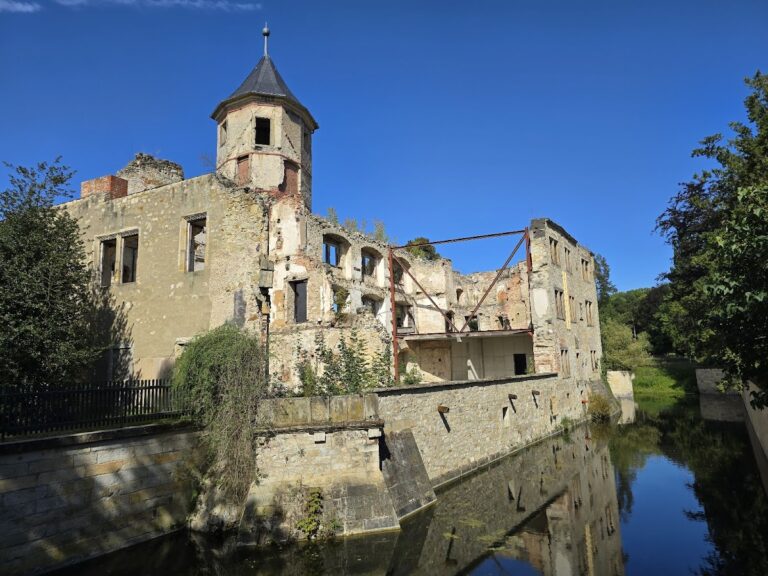
Burg Weferlingen is a ruined water castle in Weferlingen, Germany, probably built around 1300 in the early Gothic period by the Lords of Hohenlage. Its position in relatively level terrain and its surrounding water made it a lowland water castle. The site later developed from a medieval stronghold into a palace and subsequently served practical storage purposes.
Medieval Foundation and Control
In 1316, Duke Albert of Brunswick conquered the castle. It later reappeared in the hands of the Lords of Honlage as a fief, meaning property granted by a superior lord in return for service or allegiance. These changes placed the castle within the shifting network of lordship and military control that shaped medieval central Germany.
Palace Expansion
At the beginning of the sixteenth century, the castle entered the administration of the Bishop of Halberstadt, the ecclesiastical prince who governed the historic Bishopric of Halberstadt. It was converted into a palace during this phase. In the seventeenth century, Prince Frederick II of Hesse-Homburg, a Prussian cavalry general known as the Prince of Homburg, temporarily owned the complex and had it extensively enlarged again.
Decline and Restoration
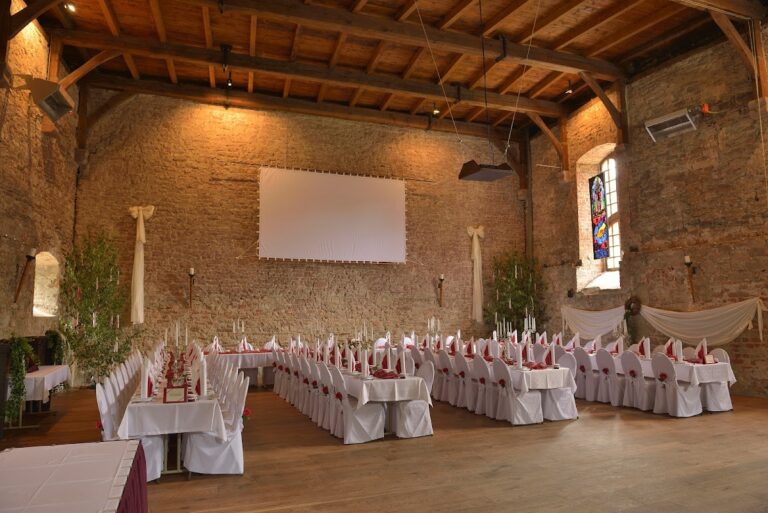
The complex was no longer inhabited after 1717. It was later used as a grain store, but a fire at the end of 1929 burned out the building. Restoration followed in nine phases to prevent further deterioration. The restored keep was adapted as an observation tower, and its viewing platform was officially opened on 21 October 2012.
Remains
Layout and Defences
The early Gothic castle formed a three-sided complex around a square courtyard. An outer bailey, the enclosed part beyond the main castle, completely surrounded the inner castle. The complex was built of sandstone and was formerly protected by the waters of the Aller together with a moat approximately 10 metres wide. The former moat is now used as a road.
Walls and Keep
Exterior Walls
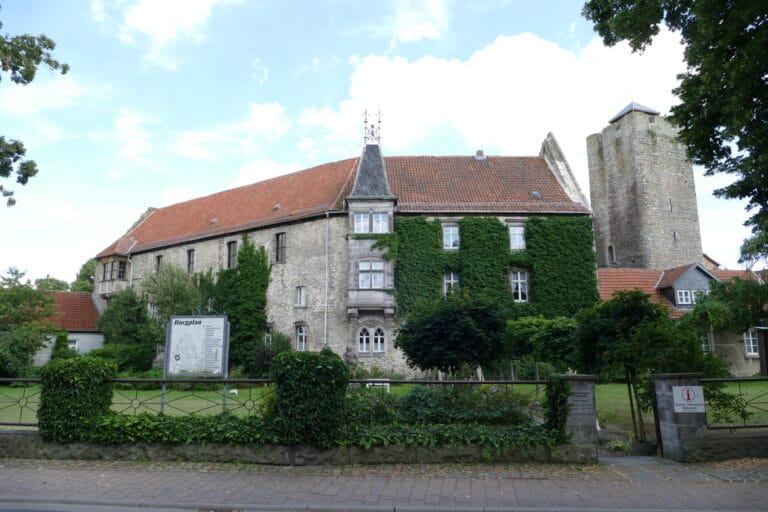
The exterior walls survive to the height of three storeys. Their windows show Renaissance forms, reflecting the architectural changes that followed the castle’s early Gothic construction and later palace conversion.
The Keep
The keep stands in the outer bailey and is known as Grauer Harm, or Grauer Hermann. It originally stood about 30 metres high and now measures 28 metres. Its square ground plan measures 12 by 12 metres, while its walls are 2.5 metres thick. The restored sandstone tower has been adapted as an observation tower, with a viewing platform installed on top.
Nearby sites