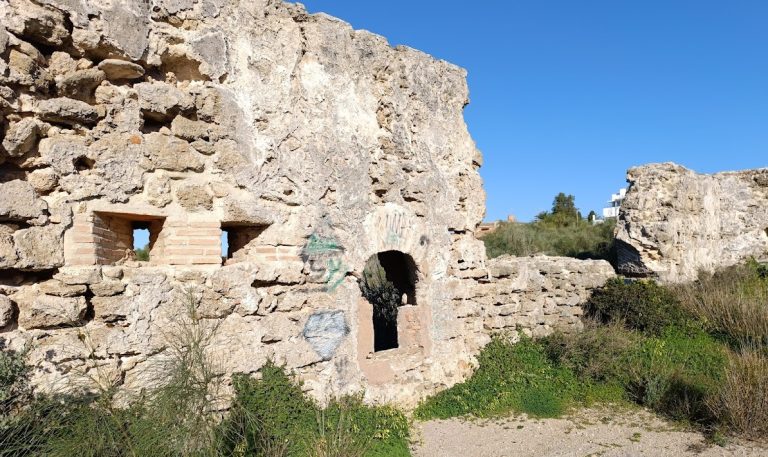
Castillo: A Historic Fortress in Chipiona, Spain


Site at a Glance
- Rating
- 4.3
- Popularity
- Medium
- Country
- Spain
- Primary era
- Medieval
- External website
- Open
- Eras represented
- Medieval
- Civilizations
- Crown of Castile
- Site type
- Military
- Remains
- Castle
On this page7 sections
History
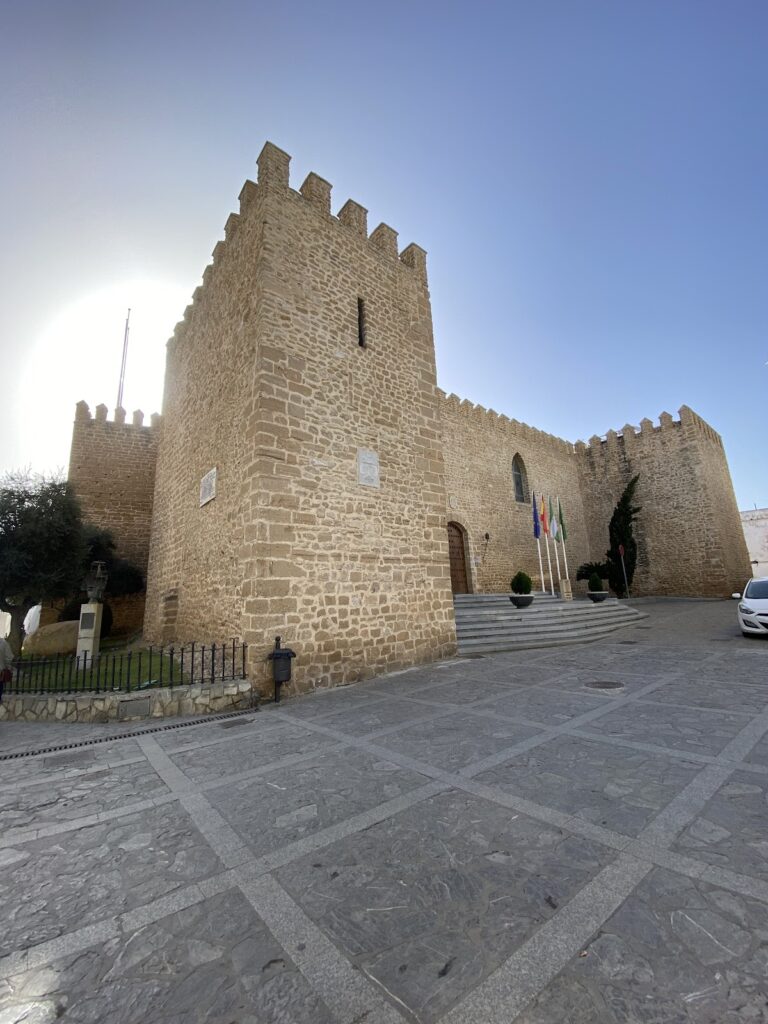
Castillo, also known as Castillo de Chipiona, is an ancient military fortress in Chipiona, Spain, whose present structure belongs to the second half of the fifteenth century. Its origins remain uncertain. A defensive building may have stood nearby during the Muslim period, although that possibility has neither been proved nor disproved. The castle later formed part of the coastal defenses of Andalusia and is now protected as an Asset of Cultural Interest in the Monument category.
Medieval origins and lordship
Alfonso X, known as Alfonso the Wise, completed the Christian reconquest of Chipiona in 1264. In 1297, the town was transferred to Alonso Pérez de Guzmán and the House of Medina Sidonia, a major Andalusian aristocratic house, as part of the Lordship of Sanlúcar. The lords of Sanlúcar then built a new castle to serve as a first line of defense against attacks by Barbary pirates.
In 1303, Isabel de Guzmán, daughter of Guzmán el Bueno, married Fernando Ponce de León, bringing the fortress into the hands of the Ponce de León family. Chipiona consequently separated from the Lordship of Sanlúcar and became part of the territories of the House of Arcos, another powerful Andalusian noble house. The castle was incorporated into the territory of the town.
The castle mentioned in the chronicles of the House of Medina Sidonia may not be the same building that survives today. One interpretation identifies the chronicled structure with a fortified hermitage once located where Chipiona’s present sports pier stands. Under that interpretation, the existing fortress dates from the fifteenth century and was not built by Guzmán el Bueno. A 2005 study of the masonry placed its construction around the second half of that century, supporting the view that it postdates the structure described in the chronicles.
Coastal defense and changing uses
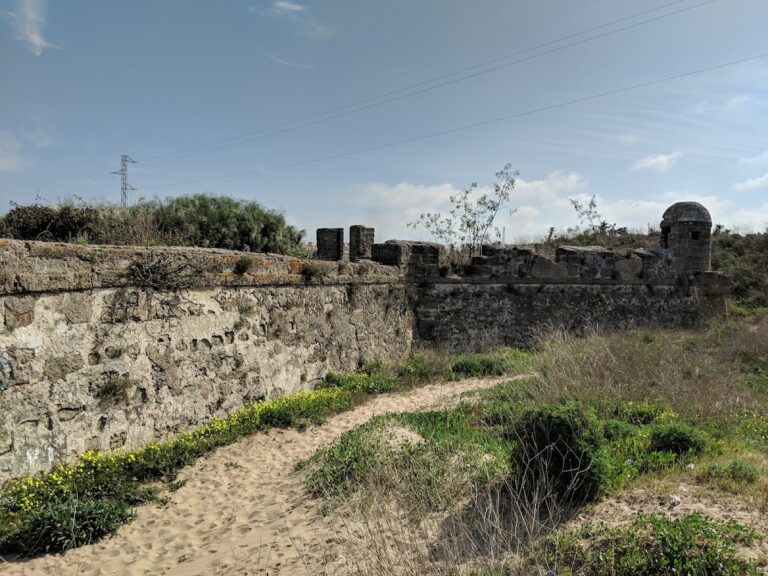
During the sixteenth and seventeenth centuries, the fortress supported coastal surveillance and defense against English and Dutch corsairs operating in the Mediterranean. A coastal battery, a fortified artillery position intended to defend the shoreline, was established nearby. The castle underwent several reforms, continuing through 1651, the last year in which a garrison is recorded.
Its functions later became less exclusively military. During the seventeenth century, the building served as the residence of the local parish priest, and in the early eighteenth century it was used as a prison. Municipal records indicate that by 1772 it no longer had a military garrison intended to counter maritime attacks.
From private residence to museum
A resident of Chipiona acquired the castle in 1887 with plans to convert it into a hotel. Carlos de Borbón and Luisa de Orleans, members of the Spanish royal family, lived there for five years, and the fortress-hotel was refurbished in 1922. In 1893, the building was also used provisionally as a post of the Civil Guard while the station at Trebujena was being moved to another building in the same municipality.
After the hotel closed in 1989, the fortress stood abandoned for eleven years and deteriorated progressively. At the end of 2000, Chipiona Town Council expropriated it from its former owners for renovation and conversion into a museum. The museum opened in 2009, when the castle also housed an interpretation centre devoted to the historical relationship between Cádiz and the New World, together with cultural events managed by the town council.
Remains
Castillo survives as a military-architecture fortress whose appearance reflects successive alterations. Its fabric incorporates the fifteenth-century walls identified by the masonry study, the nearby coastal defenses, the 1922 refurbishment for hotel use, and the later renovation that adapted the building for museum and interpretation purposes.
Fortress walls
The principal surviving structure is the fortress itself, built as a defensive building and formed through successive modifications. Its present appearance therefore combines the original military fabric with changes made during its conversion into a fortress-hotel and its later adaptation as a museum.
Coastal defenses
A coastal battery stood in the immediate vicinity of the fortress. This fortified artillery position belonged to the defensive and surveillance system established to protect the shoreline from maritime attack.