Schloss Oberbrunn: A Former Hofmark Castle in Bavaria


Site at a Glance
- Rating
- 3.8
- Popularity
- Very Low
- Country
- Germany
- Primary era
- Early Modern
- External website
- Open
- Eras represented
- Early Modern, Modern
- Civilizations
- German, Holy Roman Empire
- Site type
- Domestic
- Remains
- Castle
On this page7 sections
History
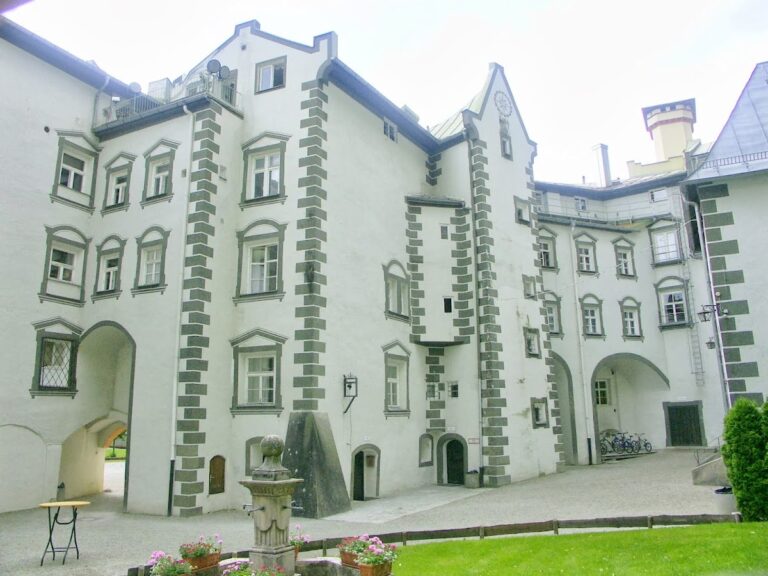
Schloss Oberbrunn is a former Hofmark castle in Germany, located in Oberbrunn near Pittenhart in the Chiemgau between Seeon and Pittenhart. Hans I. Sunthaimer had the present castle building erected between 1530 and 1535, and on 27 April 1531 he received Hofmark rights for the estate. A Hofmark was a landed estate whose holder possessed defined local administrative and judicial powers, giving Oberbrunn a role beyond that of a private residence.
Origins and Hofmark Ownership
The settlement was first mentioned as “Brunn” in 924 in the Salzburg charter records. In 1570, Hans I. Sunthaimer’s son, Hanns II. Sunthaimer, sold the Hofmark to Hanns Egidius Sonderndorffer of Polling. The estate passed by inheritance to the Armannsperger family in 1607, which retained it until 1753.
Joseph Ignaz Krez of Munich, an electoral court chamber councillor and court paymaster, acquired Oberbrunn in 1753. Franz Seraph Basselet de La Rosée purchased the Hofmark in 1760. The von Belli di Pino family of Munich became its owners in 1851. In 1891, most of the woodland was sold to the miller of Roitham, who cleared it. The castle itself was then purchased by the artist Carl Friedrich Steinheil.
Educational and Welfare Uses
After renovating the castle, Steinheil sold it eight years later to Theodor von Cramer-Klett of Hohenaschau. From 1905, Cramer-Klett made the rooms available to the Schloss Oberbrunn girls’ educational institution, which established a school there. After the school closed in 1919, the castle passed in 1922 to the merchant Paul Naber of Rheydt in the Rhineland.
Naber’s widow sold the property in 1936 to Consul Merkle of Nuremberg. He retained it for only a few years before leasing the rooms to the Workers’ Welfare Association. During the Second World War, the upper floor was already being used to house evacuees. The association purchased the castle in 1954, remodelled its interior while retaining the exterior façade, and added a new building in 1967 and 1968 for people seeking convalescence. The associated marshland was divided into parcels and allocated separately.
Later History and Protection
The Karl Rubenberger KG of Erding acquired the castle in 1985. Schloss Oberbrunn subsequently became, and continues to serve, as a meditation and educational centre for various spiritualist communities. Bavaria protects the property as an architectural monument. It is also recorded as an archaeological monument, a legally protected site containing buried remains, including evidence of earlier buildings that may no longer stand above ground.
Remains
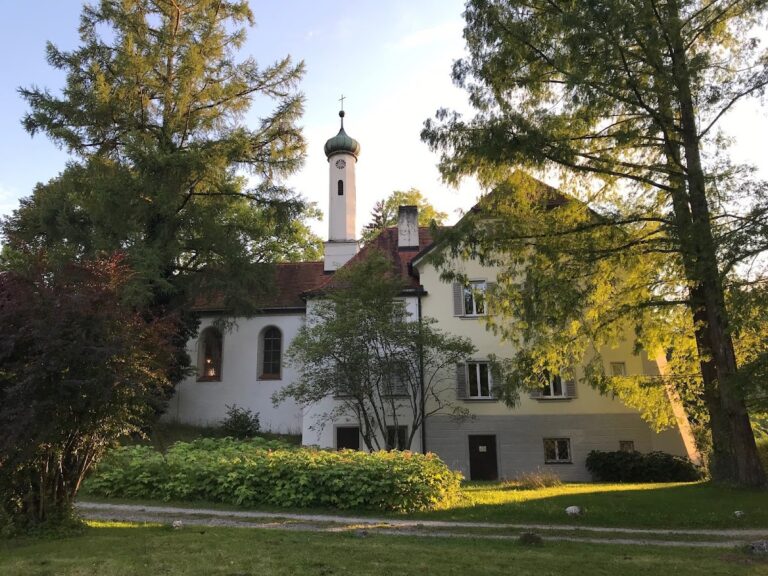
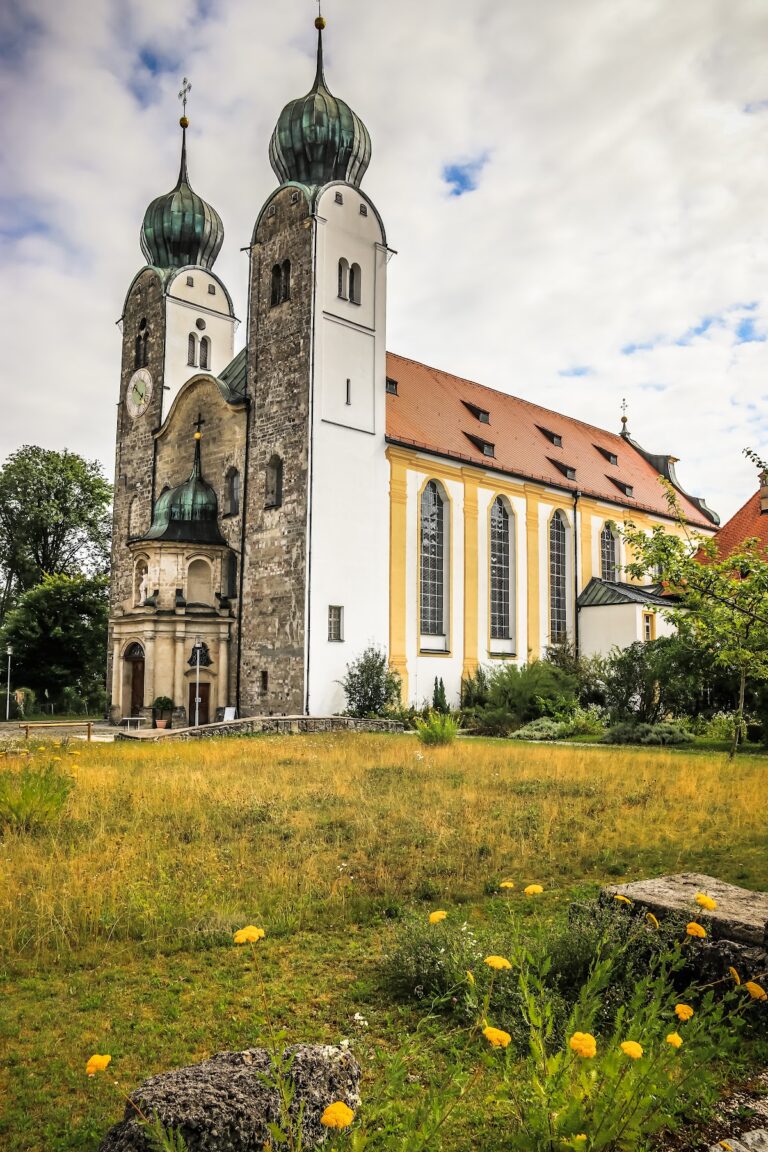
The surviving complex consists of the castle and castle chapel combined in a tall building with a clipped-hip roof. An apse, a projecting rounded end of a sacred building, extends from the east side. The listed building description dates the castle and chapel to the first half of the eighteenth century while identifying an older core. This later dating describes the surviving building phase, alongside the historical attribution of the present castle’s erection to 1530–1535.
Castle and Chapel
The castle and chapel form a single vertical structure rather than separate surviving buildings. Its clipped-hip roof and eastern apse define the exterior form. The Workers’ Welfare Association’s remodelling altered the interior in 1954, but the historic exterior façade was retained. A separate building added in 1967 and 1968 expanded the complex for convalescent accommodation.
Archaeological Remains
Buried remains associated with the castle and its predecessor buildings survive in the area of the complex. They belong particularly to the late medieval and early modern periods and preserve archaeological evidence of the site’s earlier development beneath and around the standing buildings.