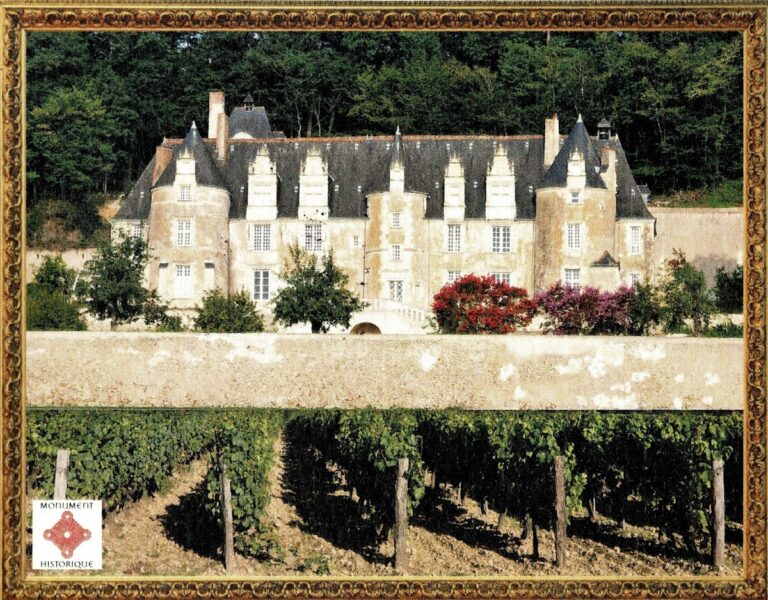
Château d’Hodebert: A Historic Estate in Saint-Paterne-Racan, France


Site at a Glance
- Rating
- 5
- Popularity
- Very Low
- Country
- France
- Primary era
- Early Modern
- External website
- Open
- Eras represented
- Early Modern, Modern
- Civilizations
- French
- Site type
- Domestic
- Remains
- Castle
On this page9 sections
History
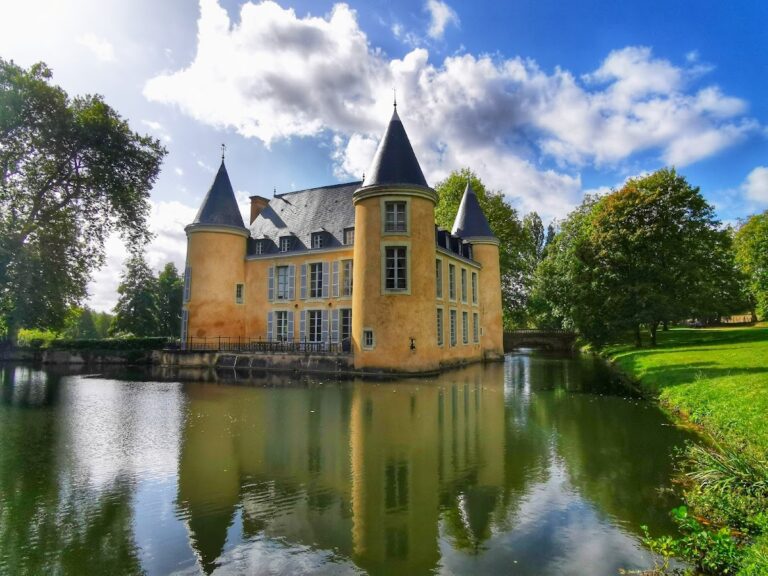
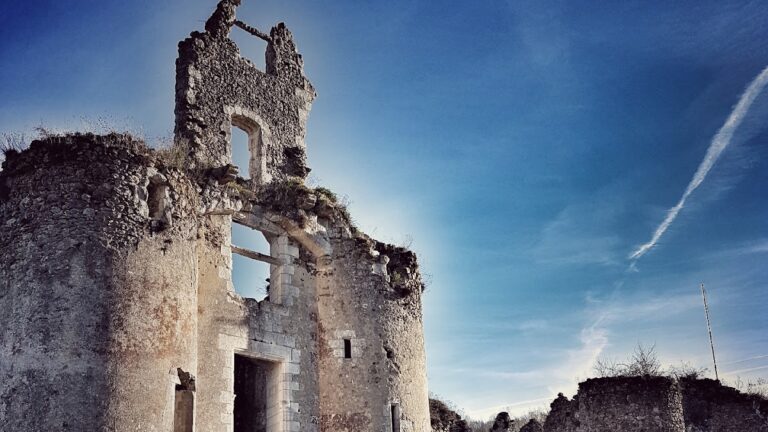
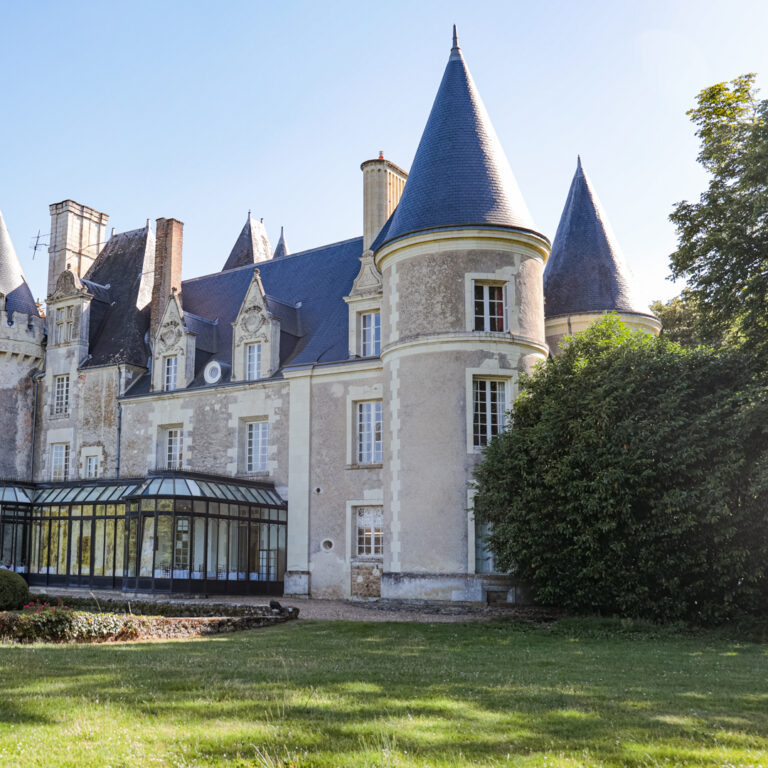
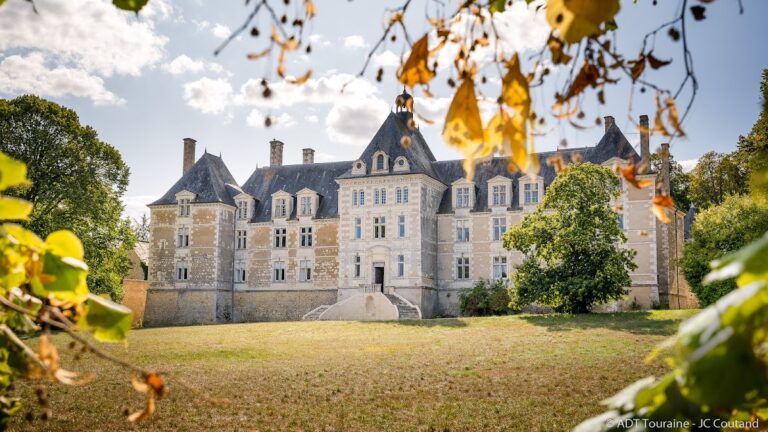
Château d’Hodebert is a historic château in Saint-Paterne-Racan, France, whose construction developed from the sixteenth and seventeenth centuries and reached completion in the nineteenth century. The present residence incorporates a central section raised on the levelled remains of an earlier fortress built in a hollow cut into the hillside.
Sixteenth-century origins
The earliest known references to Hodebert date from the sixteenth century. François Brissonnet, squire and lord of Launay, was a royal counselor and chaplain, a canon supported by income from an endowed church revenue, at the Basilica of Saint-Martin in Tours, and provost of Oë. A provost was a local judicial or administrative official. He arranged for the central element of the present château to be erected over the earlier fortress site.
In 1545, the lady of Hodebert, the widow Durand, appeared before the chapter of Saint-Martin in Tours. Hodebert later became the seat of the provostial court of Oë. On 20 November 1620, the poet Honorat de Bueil de Racan appeared there to render liege homage, a formal declaration of fealty by a vassal to a feudal overlord, to his feudal lord François Brissonnet.
Seventeenth-century rebuilding
By 1648, Hodebert’s feudal jurisdiction was held by Henry de Codosny, lord of Hodebert and Saché, master of the king’s household and counselor in the king’s private councils. A master of the household was a senior officer responsible for domestic and ceremonial arrangements at a royal or princely court. His family had come from Italy during the period of Marie de Medici, queen consort of France and later regent for her son Louis XIII.
Henry de Codosny and his wife, Madeleine Dunoyer, built the central part of the château and the first pavilion to the north. In 1674, Hodebert passed to their nephew Jean du Noyer, lord of Gennes, and remained in his family until 1794. Claude Dunoyer, a canon of Saint-Martin in Tours, later enlarged and modernized the residence.
Ownership from the Revolution to the present
In 1794, the banker Alexandre-Pierre-François Goüin and his wife, Marie-Magdeleine Benoist de La Grandière, acquired Hodebert together with the neighboring Saché manor. They enlarged the estate through further land purchases, including La Suze, La Normandie, the Pré de la Noiraie, sainfoin lands at the Clos des Haloires, and former woods belonging to La Clarté-Dieu Abbey.
The Goüins sold Hodebert on 30 December 1808 to Louis-François-de-Sales de Sarcé and his wife, Charlotte Françoise Fontaine de Biré. Louis-François de Sarcé later acquired the former La Clarté-Dieu Abbey in 1822. Eugène de Sarcé bequeathed Hodebert in 1890 to his nephew Robert Roullet de La Bouillerie, whose descendants remain the owners.
The château has been protected as a registered historic monument since 2009, while its park received separate registered historic-monument protection in 1944. On 26 May 2018, lightning caused a fire that damaged the pigeon loft.
Remains
The estate consists of the château, its park, and a pigeon loft. The main residence preserves a central architectural body and a northern pavilion associated with the seventeenth-century rebuilding, while later enlargement and modernization altered the complex through subsequent phases.
Château and estate features
Central château
The central part of Château d’Hodebert belongs in its present form to a building history that began in the sixteenth century and continued through the seventeenth century, with completion in the nineteenth century. Its foundations incorporate the levelled remains of the earlier fortress, which had occupied a hollow cut into the hillside. Henry de Codosny and Madeleine Dunoyer constructed the central section during the seventeenth-century phase, and Claude Dunoyer later enlarged and modernized it.
Northern pavilion
The first pavilion on the north side was built during the same seventeenth-century phase as the central part. It forms part of the surviving château complex and reflects the expansion undertaken under Henry de Codosny and Madeleine Dunoyer.
Park and pigeon loft
The château estate includes a park and a pigeon loft. The pigeon loft was damaged by a lightning-caused fire on 26 May 2018, an event that affected one of the estate’s surviving ancillary structures.