Fahlburg: A Hilltop Castle and Renaissance Aristocratic Residence in Italy
Site at a Glance
- Rating
- 4.5
- Popularity
- Low
- Country
- Italy
- Primary era
- Early Modern
- External website
- Open
- Eras represented
- Medieval, Early Modern
- Civilizations
- Habsburg, Holy Roman Empire
- Site type
- Domestic
- Remains
- Castle
On this page8 sections
History
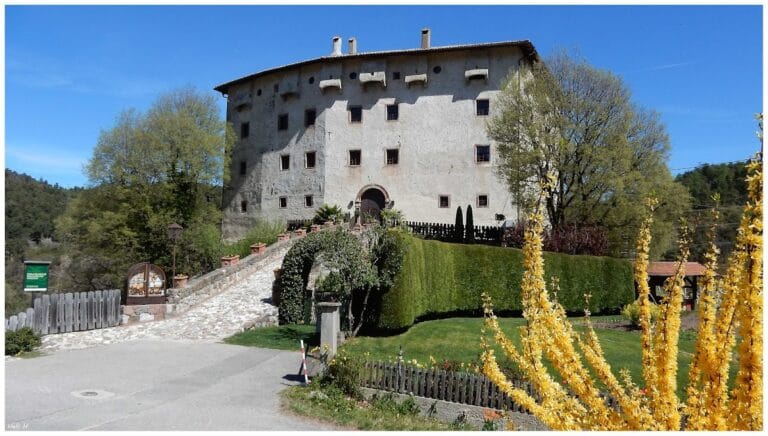
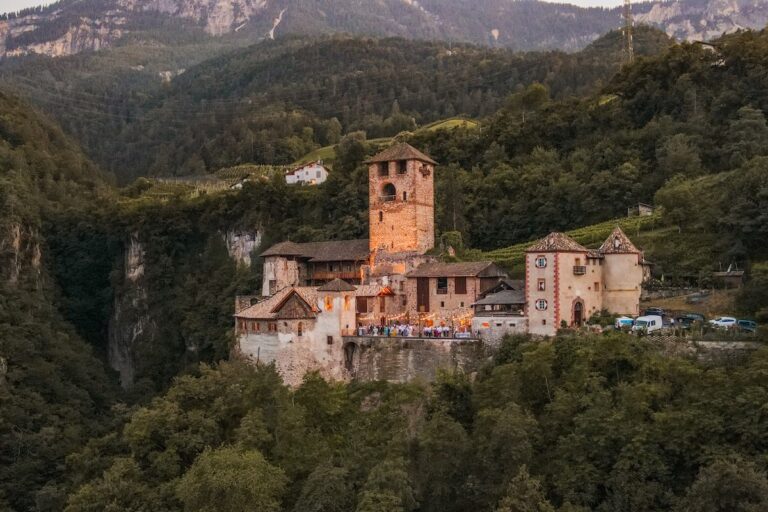
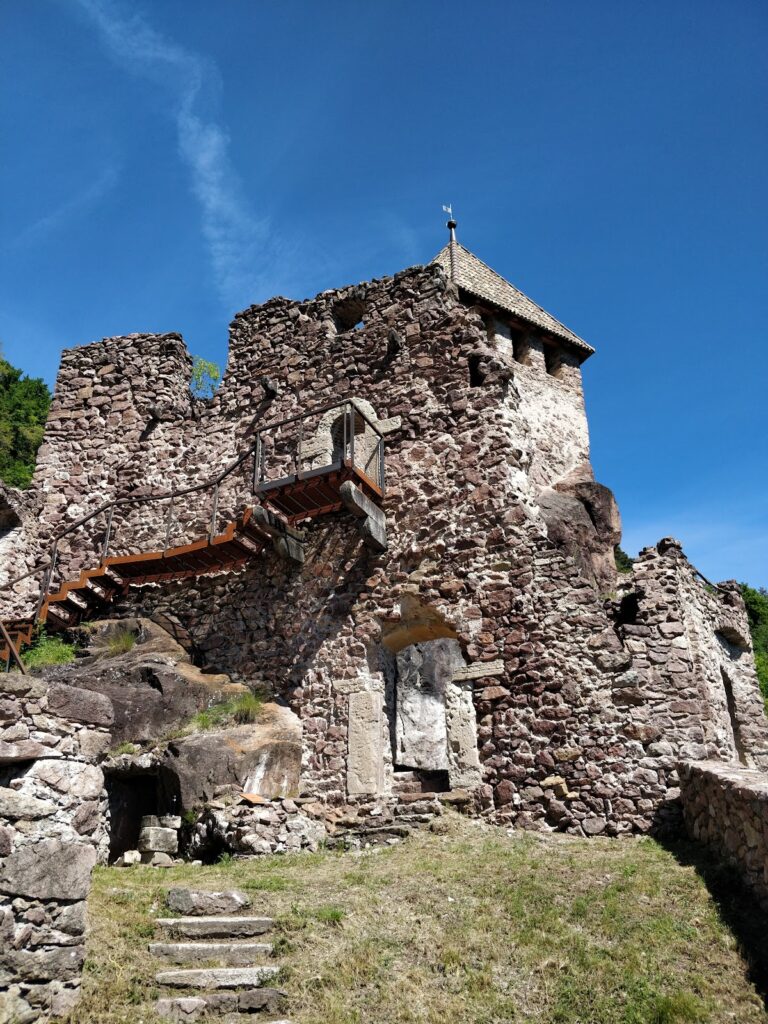
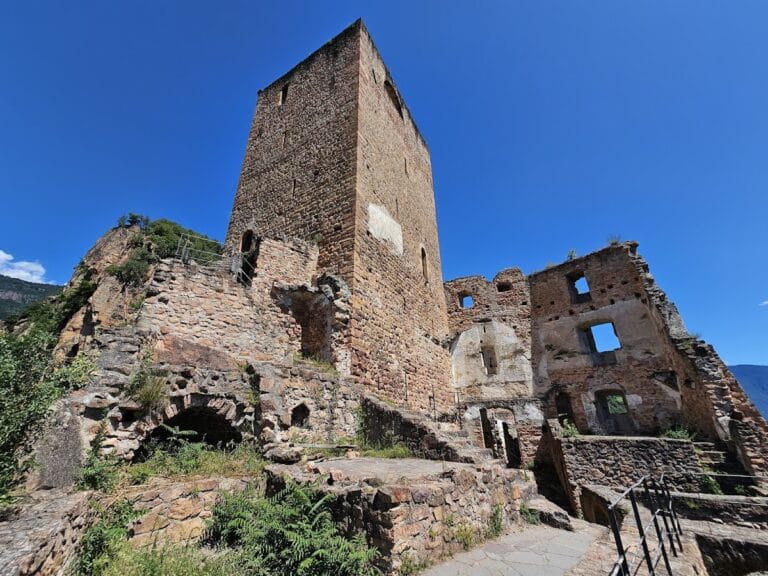
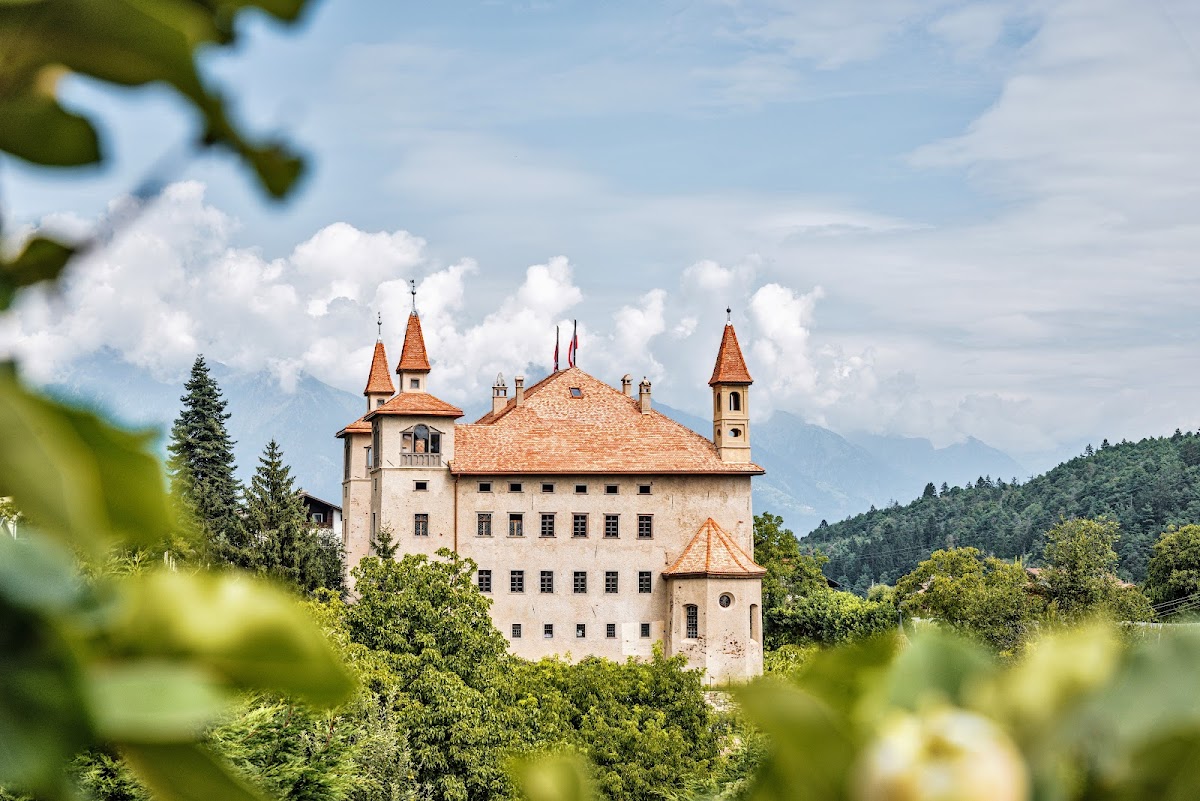
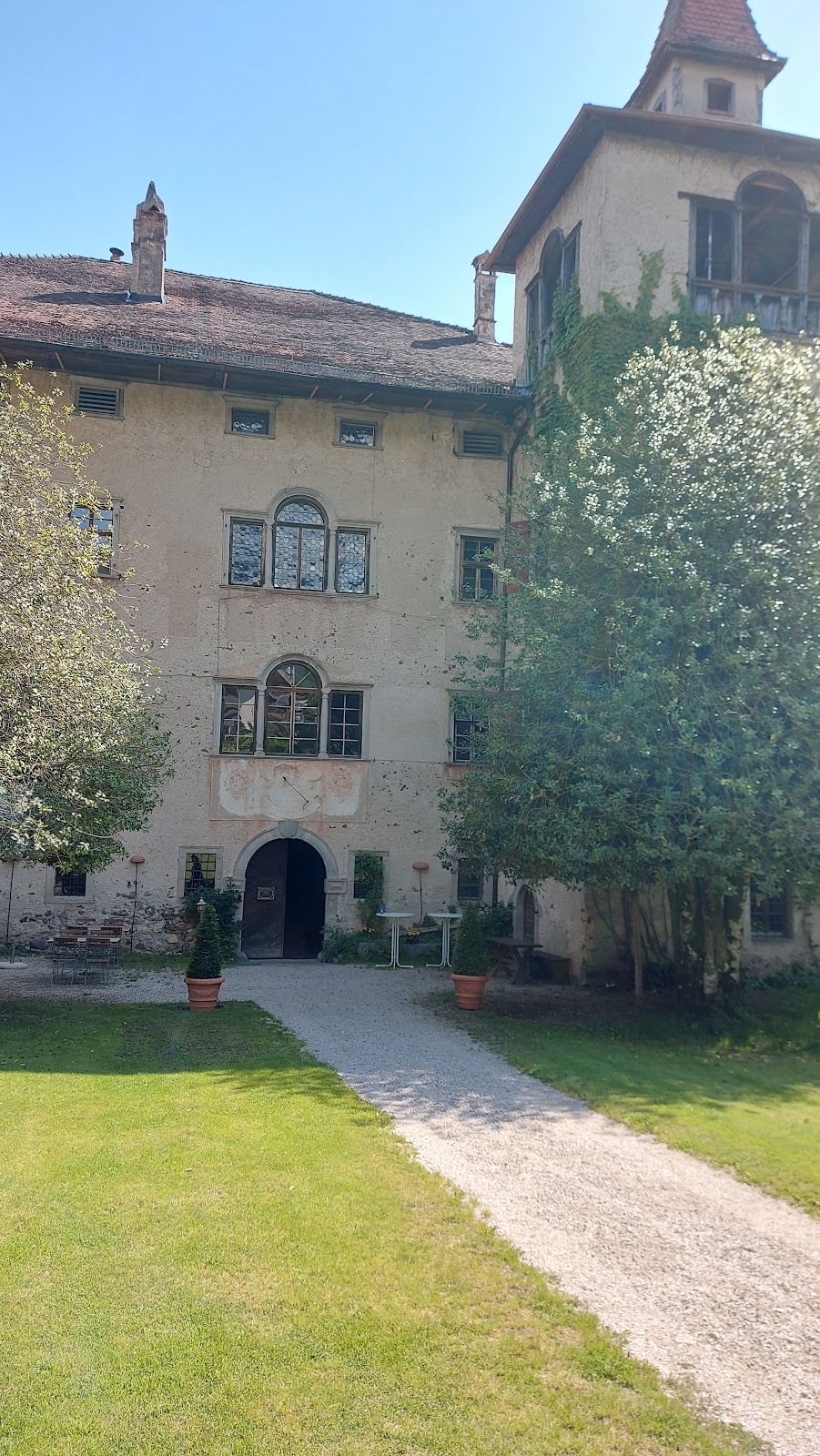
Fahlburg is a hilltop castle and aristocratic residence in Italy, located in Prissian above the Adige Valley in the Tisner low mountain range. Built as a defensive castle during the thirteenth century, it was first recorded in 1280 and later developed into an elegant Renaissance country residence while retaining parts of its medieval fabric.
Medieval origins and noble ownership
The earliest castle was known as Gesäß in der Vall and belonged to the Zobel family in 1280. The Zobels and the Lords of Wehrburg, also called Werberg, belonged to noble lines connected with the Lords of Nordheim and Sarnthein. The Lords of Holz and Tisens were associated with the same wider network of Tyrolean families.
Fahlburg later passed to the Lords of Wehrburg. In 1430, the Lords of Andrian-Werburg succeeded the extinct Wehrburg family and inherited the castle after the Lords of Zobel. Following the death of Erasmus von Andrian-Werburg in 1587, ownership passed to Ulrich von Schlandersberg.
Captivity and the Brandis transformation
Fahlburg became the setting for a notable episode in 1421. From mid-September to mid-November, the late-medieval Tyrolean nobleman, poet, and composer Oswald von Wolkenstein was held captive and tortured there by Barbara von Hauenstein. The conflict concerned Oswald’s withholding of her rights to Hauenstein, while Barbara was also involved in an inheritance dispute with Hans von Werberg.
Jakob Andrä von Brandis purchased Fahlburg in 1597. A Tyrolean nobleman and historian, Brandis expanded the complex and around 1615 commissioned a Renaissance residence on part of the medieval castle walls. The Renaissance was a European artistic and architectural period that emphasized classical forms. The former castle served the owners as a summer residence and seat of justice, giving the complex a role that combined aristocratic domestic life with local administration.
Brandis also wrote the History of the Governors of Tyrol at Fahlburg. The work is regarded as the beginning of Tyrolean historiography, linking the residence to the early development of historical writing in the region.
Recent ownership
In 2021, the Brandis family sold Fahlburg to Athesia. The property was subsequently converted into an event venue under the name Castel Fahlburg, marking a modern change in use for the historic complex.
Remains
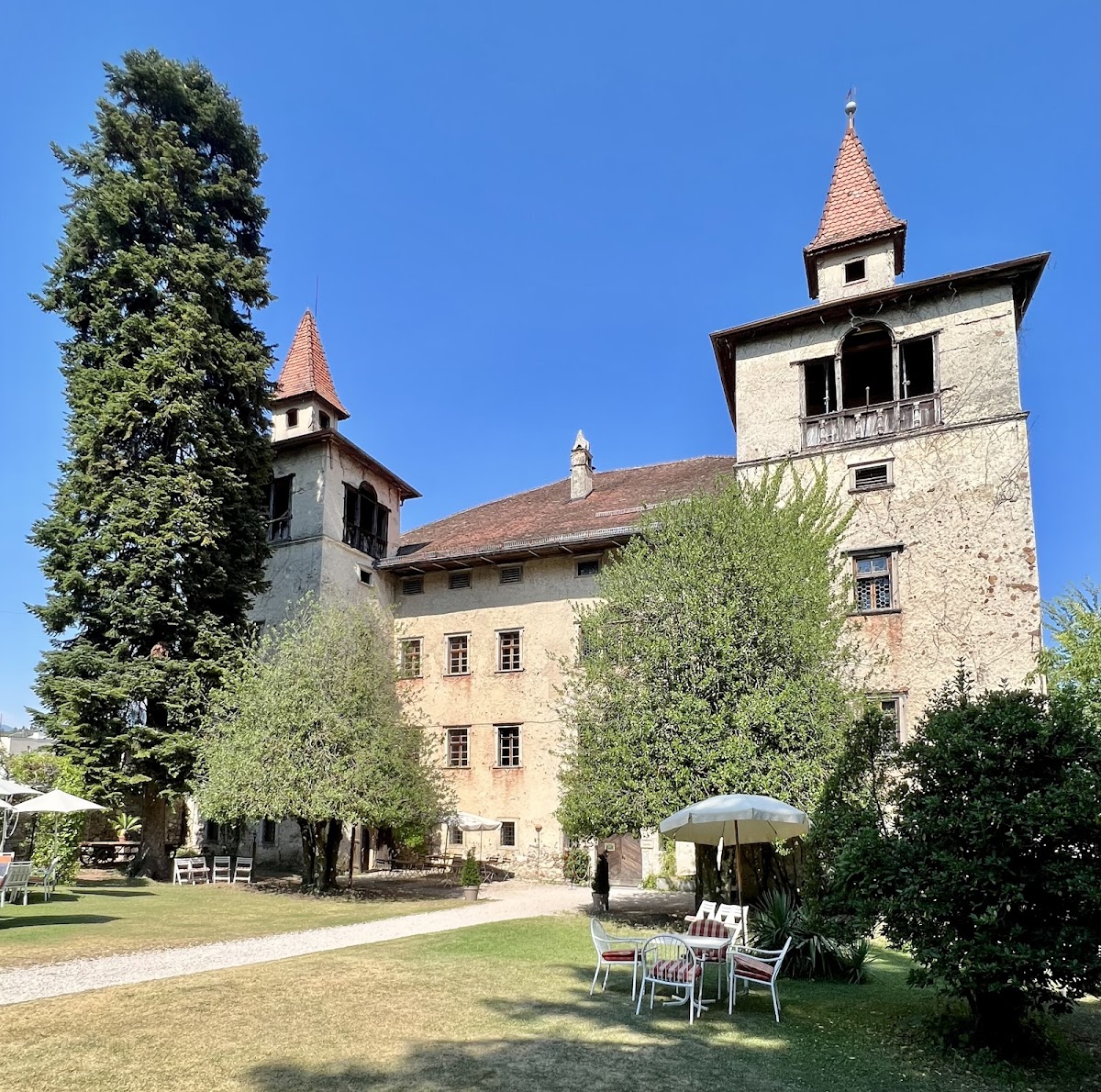
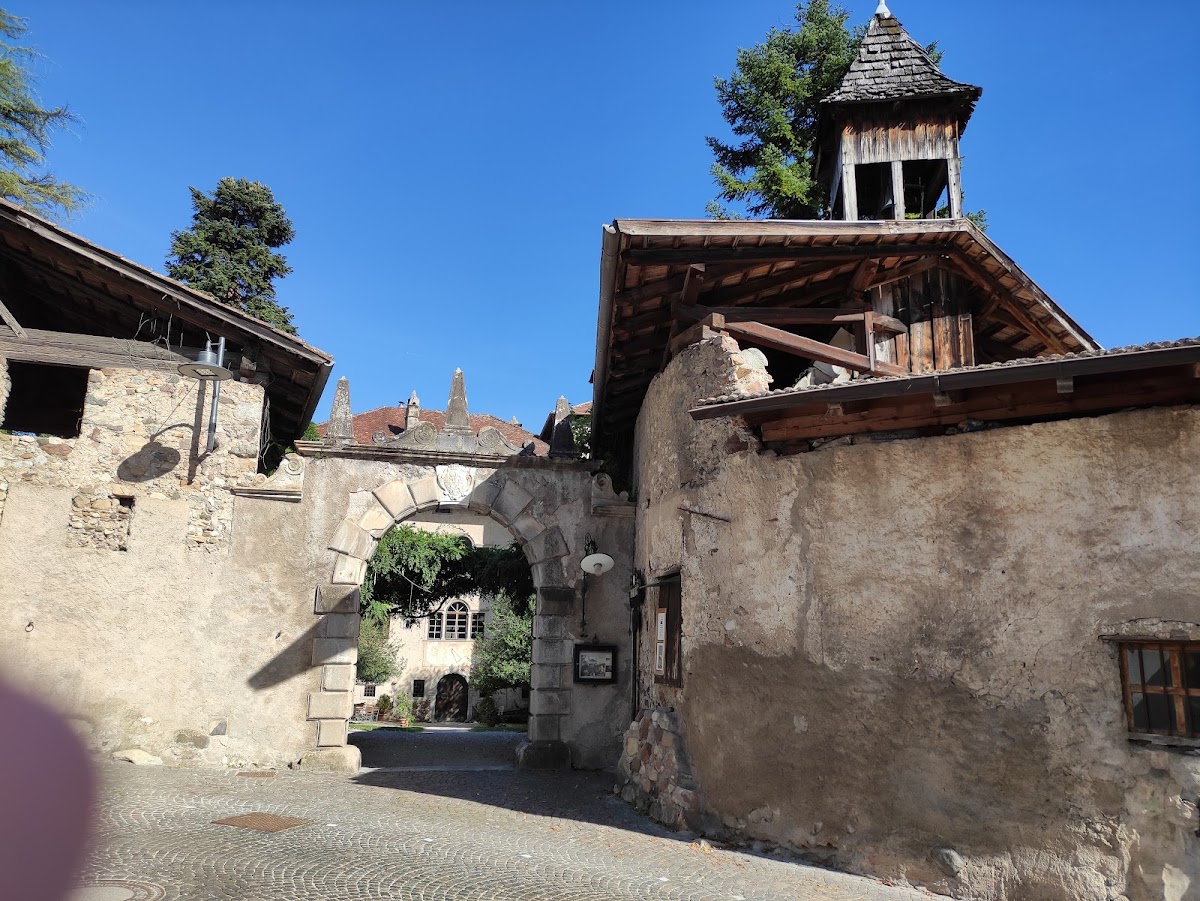
Fahlburg retains the character of a hilltop castle, but its surviving form is that of an aristocratic country residence rather than a wholly preserved medieval fortress. The complex was substantially remodelled while preserving its original character. Its later buildings incorporate sections of the old castle walls, creating a physical connection between the defensive medieval structure and the Renaissance residence.
Medieval castle fabric
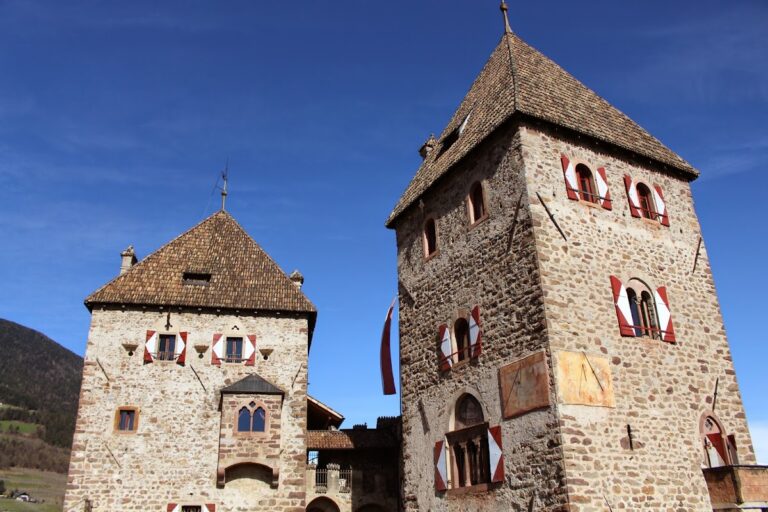
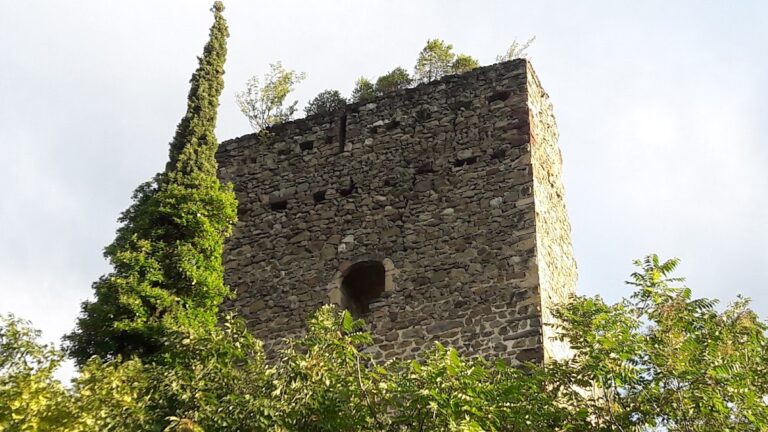
Only the medieval residential tower survives from the thirteenth-century castle. Parts of the earlier defensive walls were incorporated into the later residence, where they form part of the building’s surviving structural fabric. These elements preserve the outline of the complex’s earlier role as a fortified hilltop site.
Renaissance residence
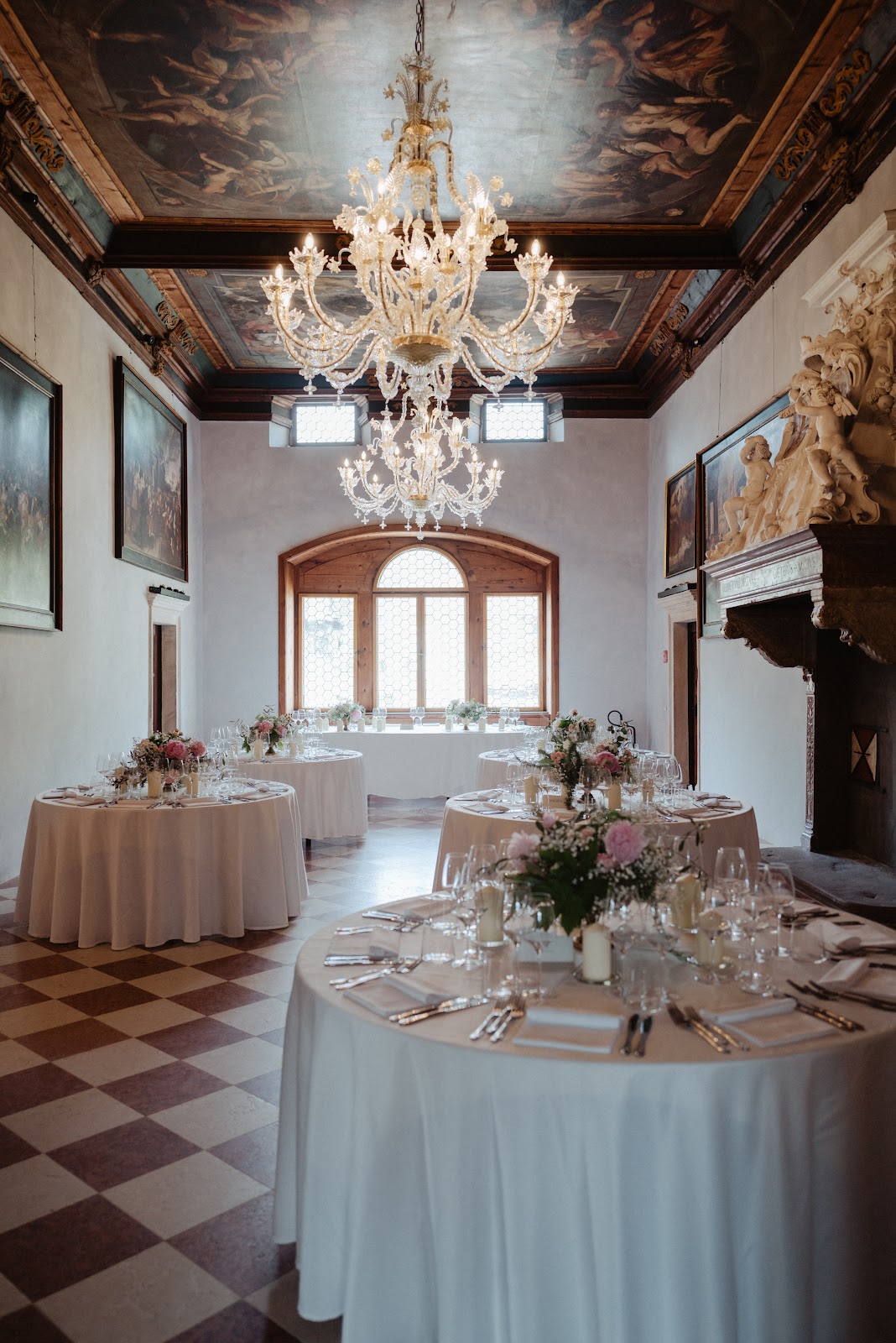
The principal residence occupies part of the medieval castle and expresses the complex’s transformation into an aristocratic country house. Its surviving interior includes historic tiled stoves and wooden ceilings, features associated with the domestic character of the later residence.
Chapel and decoration
A two-storey chapel survives within the residence. The interiors also contain paintings and frescoes by the Baroque painter Stefan Kessler. The Baroque period followed the Renaissance and favored elaborate decoration, movement, and dramatic visual effects. Kessler’s works belong to the seventeenth-century renewal of Fahlburg and have been restored in recent decades.