Galgorm Castle: A Jacobean Castle in Northern Ireland

Site at a Glance
- Rating
- 4.5
- Popularity
- Low
- Country
- United Kingdom
- Primary era
- Early Modern
- External website
- Open
- Eras represented
- Early Modern
- Civilizations
- Irish
- Site type
- Domestic
- Remains
- Castle
On this page7 sections
History
Foundation in the early seventeenth century
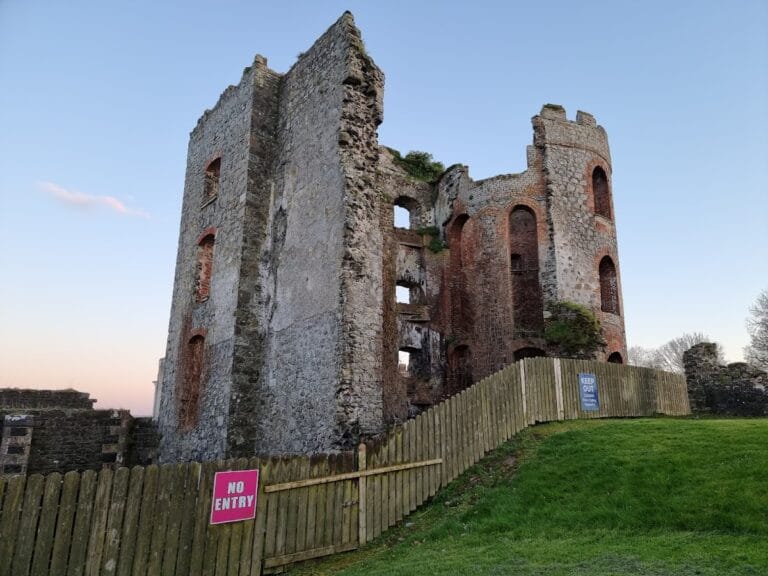
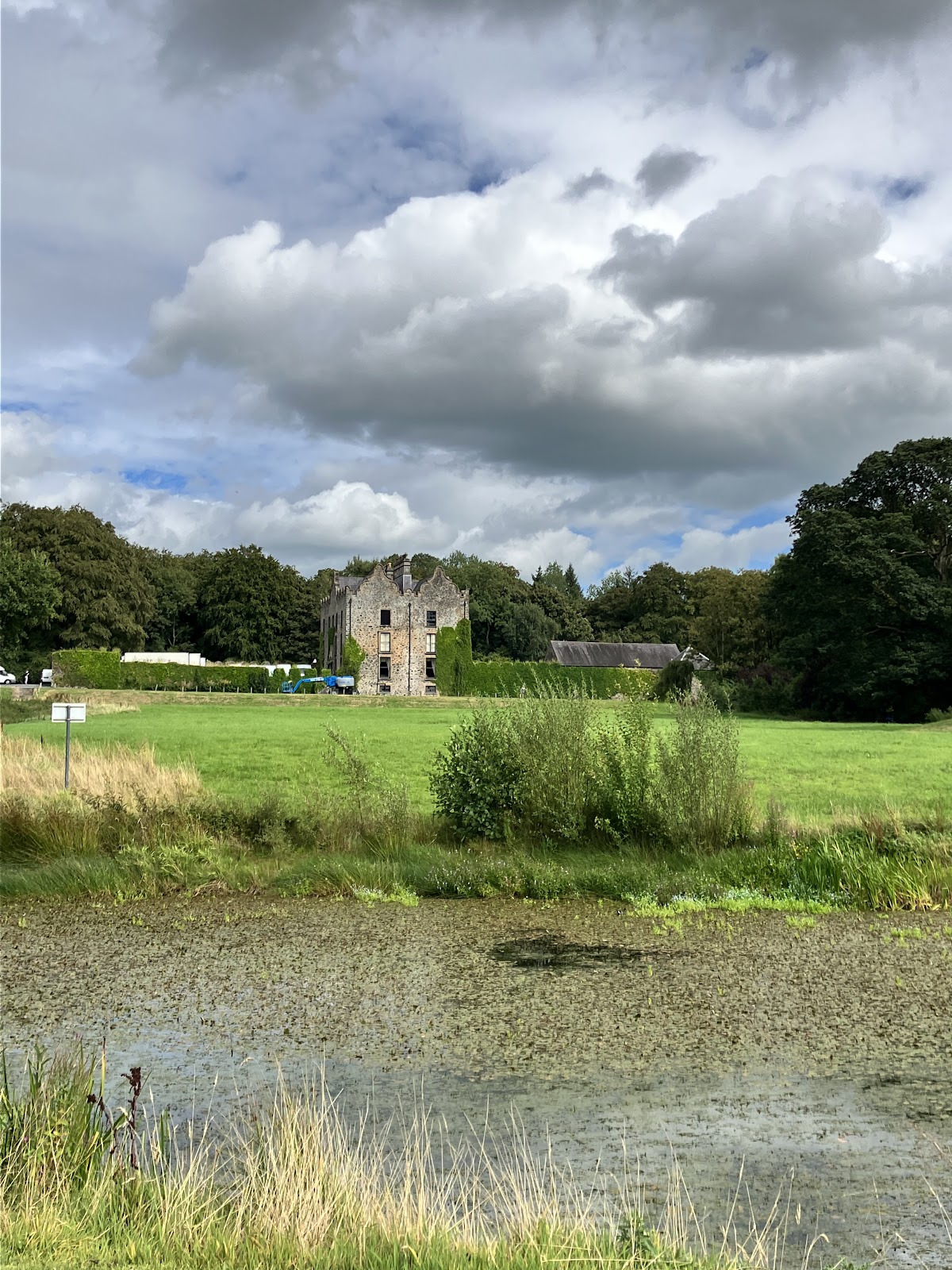
Galgorm Castle is a Jacobean castle in Northern Ireland, United Kingdom, near Ballymena. Built in the architectural style associated with the reign of James I, it was begun in 1618 during the political upheavals that followed the destruction of the independence of the last Irish kingdoms and the Flight of the Earls in 1607. The Flight of the Earls was the departure of leading Gaelic aristocrats from Ireland and is conventionally linked with the collapse of the independent Gaelic political order.
In May 1607, James I confirmed by charter that the lands belonged to the Irish leader Rory Og MacQuillan. Sir Faithful Fortescue, born in 1585 and a nephew of Sir Arthur Chichester, seized the property after deceiving MacQuillan and began constructing the castle eleven years later.
War and changing ownership
Galgorm became involved in the conflicts of the mid-seventeenth century known as the Wars of the Three Kingdoms, a series of struggles involving England, Scotland, and Ireland. During the Battle of Edgehill in 1642, an early major engagement between Parliamentarian and Royalist forces in the English Civil War, Fortescue changed sides from the Parliamentarians to the Royalists. His troops were not told of the change and were killed by friendly cavalry because they continued to wear orange ribbons.
After the Battle of the Boyne in 1690, a decisive conflict in the Williamite War in Ireland, the Duke of Württemberg established his headquarters at Galgorm Castle. Fortescue later sold the castle and estate to Dr Alexander Colville, an alchemist, meaning a practitioner of an early chemical and philosophical tradition concerned with transforming matter and seeking substances such as gold.
Colville traditions and the Young family
Local tradition portrayed Colville as a practitioner of black magic who sold his soul to the Devil in exchange for gold and knowledge. Stories associated with him claim that his portrait cannot leave the castle without bringing misfortune and that his ghost remains there. Another tradition says that a mysterious light appears in the park on nights when his footsteps are not heard, representing his search for treasure lost more than 300 years ago.
In 1850, the castle and estate were purchased by Young, a wealthy merchant involved in textiles and linen. His cousin, Sir Roger Casement, lived at Galgorm for six years while studying at Ballymena Academy. The Young family occupied the castle intermittently, and the Irish scientist Rose Young was born there in 1865. Galgorm Castle is a Grade A listed building, the highest category in Northern Ireland’s listed-building system, with this designation recorded from 1976 onward.
Inheritance and transformation
In 1980, Christopher Brooke and his family inherited Galgorm Castle and its estate. They then began investing in the transformation of the property into one of Ulster’s leading estates, establishing the modern direction of a place whose history had already included political upheaval, military occupation, changing ownership, and enduring local legends.
Remains
Castle and estate
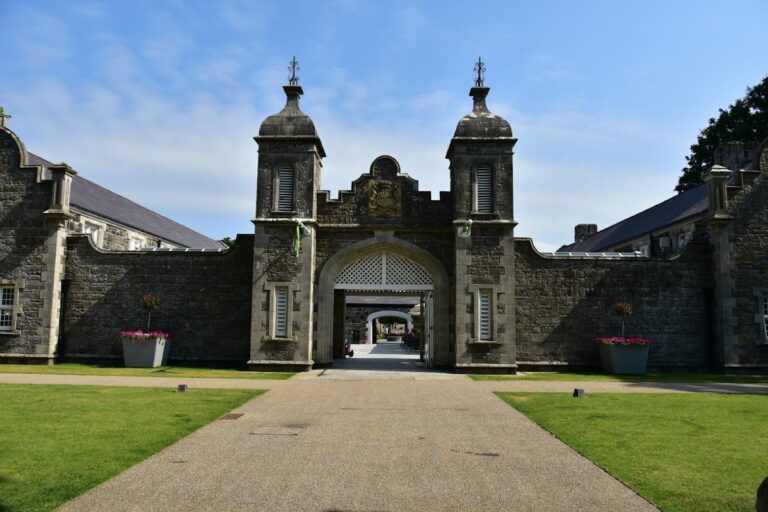
Galgorm Castle survives as a Jacobean building set within an estate. Its architectural character belongs to the early seventeenth century and reflects the style associated with James I. The site comprises both the castle and its surrounding estate, which is currently associated with golf and shops. The surviving property therefore combines the historic castle with a modern estate landscape shaped by later investment and use.