Château d’Eymet: A Fortified Castle in France


Site at a Glance
- Rating
- 4.3
- Popularity
- Low
- Country
- France
- Primary era
- Medieval
- Eras represented
- Medieval, Modern
- Civilizations
- Unclassified
- Site type
- Military
- Remains
- Castle
On this page6 sections
History
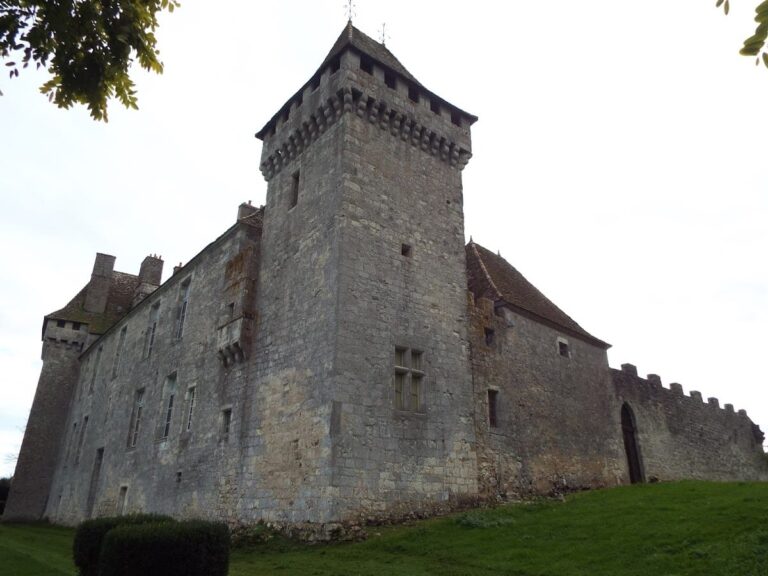
Château d’Eymet is a thirteenth-century fortified castle in Eymet, France, built before the creation of the bastide, a planned medieval settlement established under formal authority. The castle was later incorporated into the settlement’s enclosing defenses, placing it within the historical development of Eymet.
Medieval foundation and capture
The castle predates the bastide of Eymet and subsequently became part of its defensive enclosure. In 1377, troops commanded by Bertrand du Guesclin captured it from the English. Du Guesclin was a Breton military commander who served as Constable of France during the Hundred Years’ War, the prolonged conflict between the English and French crowns.
Nineteenth-century rebuilding and protection
The residential building was rebuilt in the nineteenth century. In 1963, part of the castle was converted into a museum. The commune of Eymet is its current owner. The castle buildings and part of the western enclosing wall have held protection as monuments historiques, a French legal designation for historically significant sites, since 30 December 1994.
Remains
Château d’Eymet stands inside and along the northwestern edge of the bastide, less than 100 metres from the Dropt River. Its defensive organization is clearest on the northern, western, and southern sides, which define the castle’s outward-facing and enclosed edges, while the eastern and southern sides face toward the bastide.
Outer defenses and entrances
The northern and western sides are protected by an enclosing defensive wall. On the northern side, a gate is topped by a defensive post. The substantial southern enclosure contains a central entrance gate with a bretèche, a projecting structure that defended the opening from above. At its western corner stands an échauguette, a small projecting lookout attached to the fortified wall.
Keep and residential building
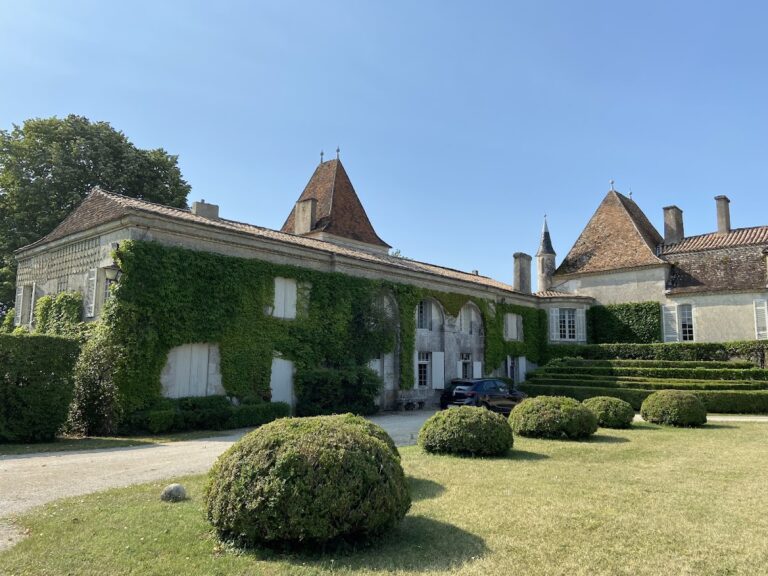
At the eastern end of the southern enclosure is the massive square Monseigneur Tower, which served as the keep. The eastern side also contains the residential building rebuilt in the nineteenth century. Part of the castle’s buildings now houses the museum established there in 1963.