Piombino Castle: A Medieval and Medici Fortress in Italy

Site at a Glance
- Rating
- 4.3
- Popularity
- Low
- Country
- Italy
- Primary era
- Medieval
- Eras represented
- Medieval, Early Modern
- Civilizations
- Republic of Pisa
- Site type
- Military
- Remains
- Castle
On this page7 sections
History
Pisan Origins
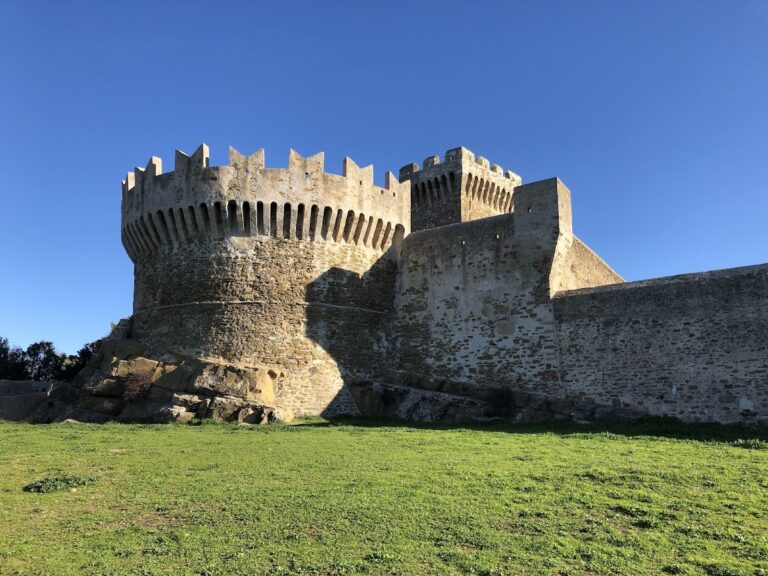
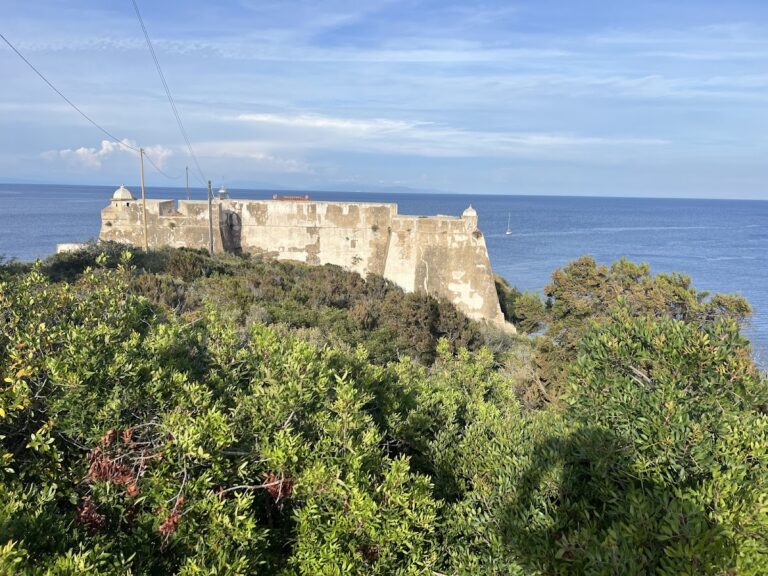
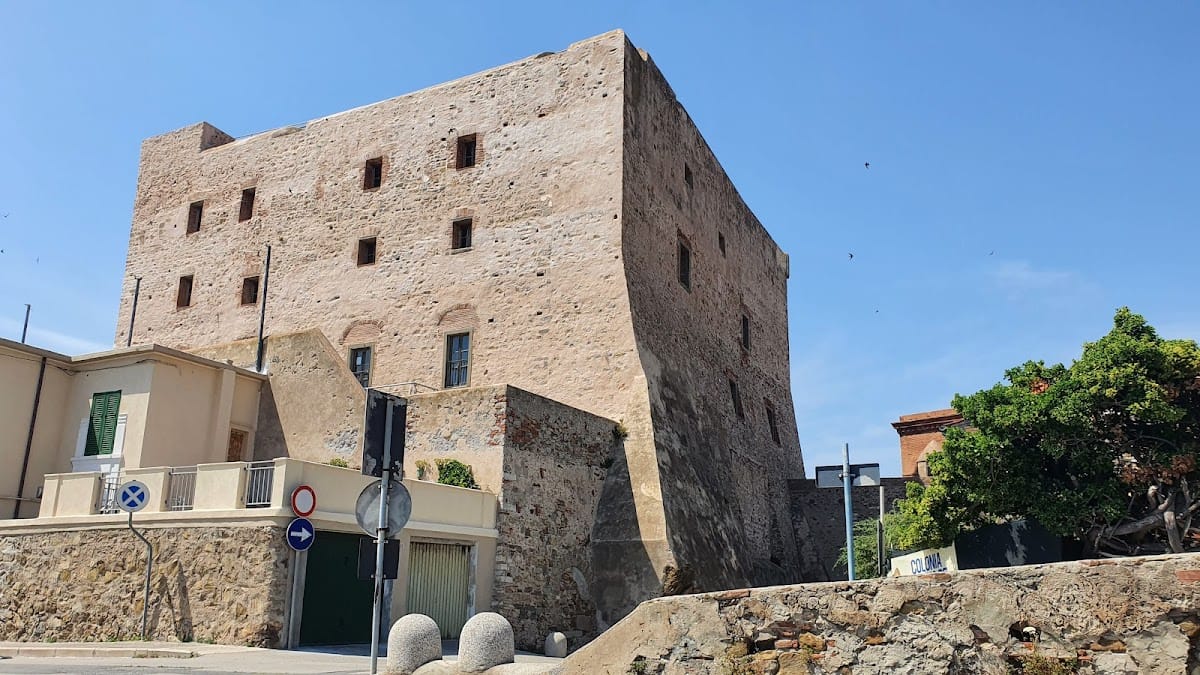
Piombino Castle is a medieval defensive fortress in Piombino, Italy, built by the Pisans in the thirteenth century. It was known as the Pisan Cassero, a fortified keep, and formed the principal surviving military structure of the city. Positioned on Piombino’s southeastern hill, it helped define the city’s boundary on the side facing the sea.
Renaissance Military Changes
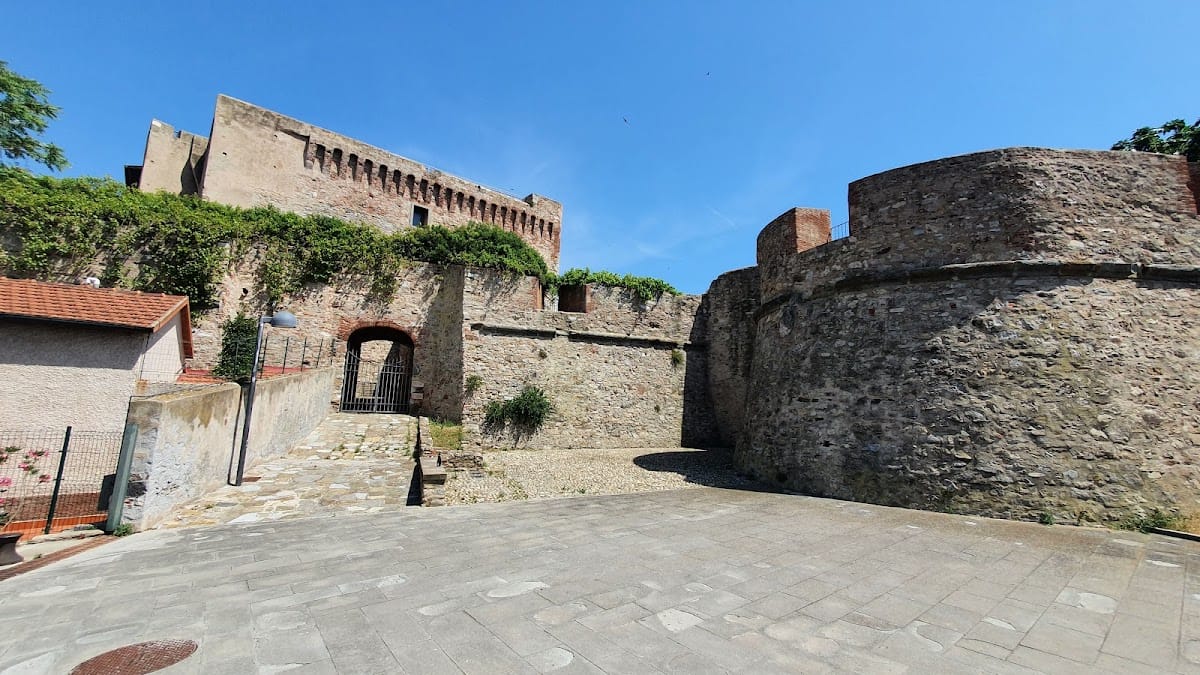
Leonardo da Vinci later modified the castle as part of a wider reorganization of Piombino’s town defenses. In the sixteenth century, the adoption of firearms required a different approach to fortification. Between 1552 and 1557, Cosimo I de’ Medici, the ruler of Florence and founder of the Medici grand-ducal state, commissioned the Italian Renaissance architect Giovanni Battista Belluzzi to add star-shaped bastions. These projecting defensive elements were designed to provide overlapping fields of fire and limit areas exposed to attackers. After this work, the castle became known as the Medici Fortress.
Restoration and Museum
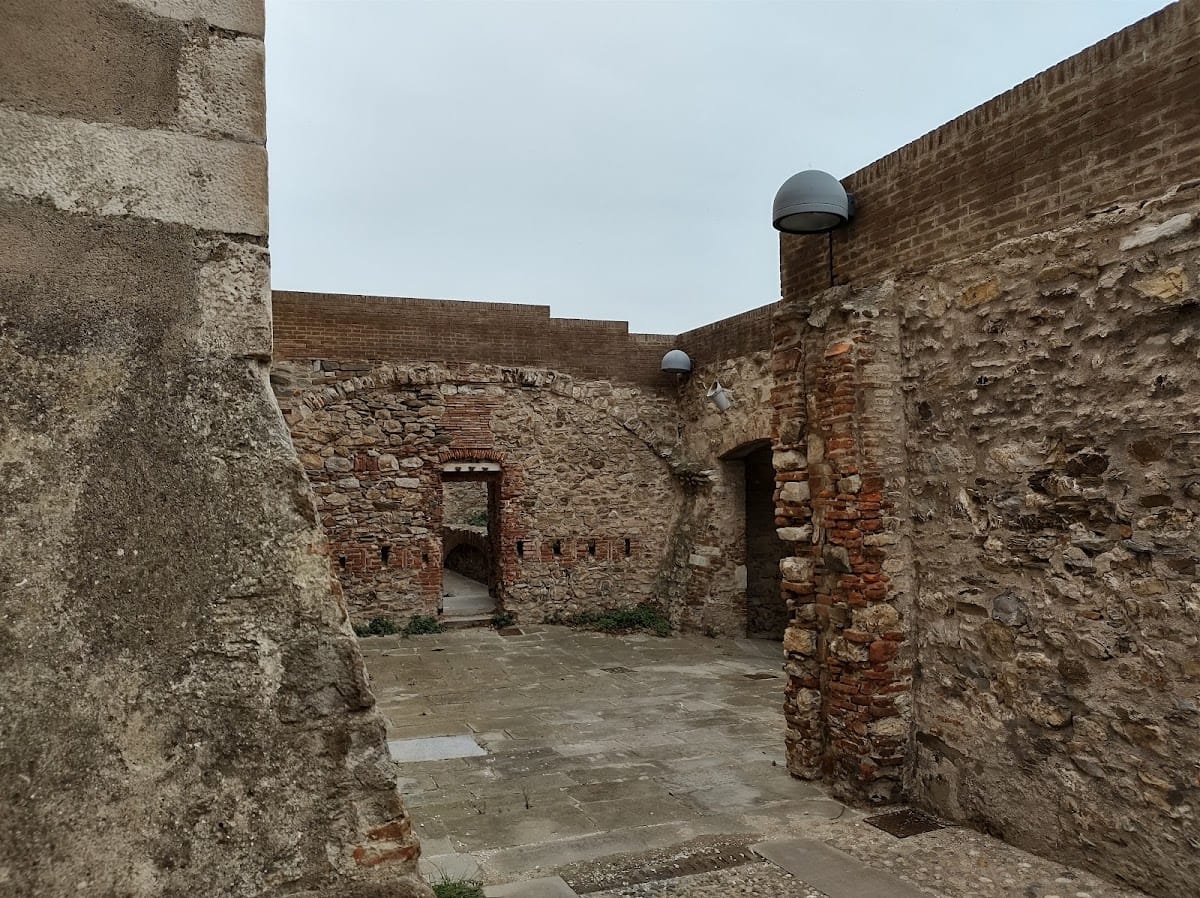
Between 1999 and 2001, the castle was restored and archaeologically excavated through a project led by the architect Piero Ostilio Rossi. The Municipality of Piombino is its current owner, and the restored building houses the Museum of the Castle and the City of Piombino. Its displays place the castle’s history within the wider development of the city, while the second floor covers Piombino’s history during the Italian Resistance, the armed and political movement that opposed German occupation and Fascist rule in Italy during the Second World War, and during the twentieth century.
Remains
Fortified Layout
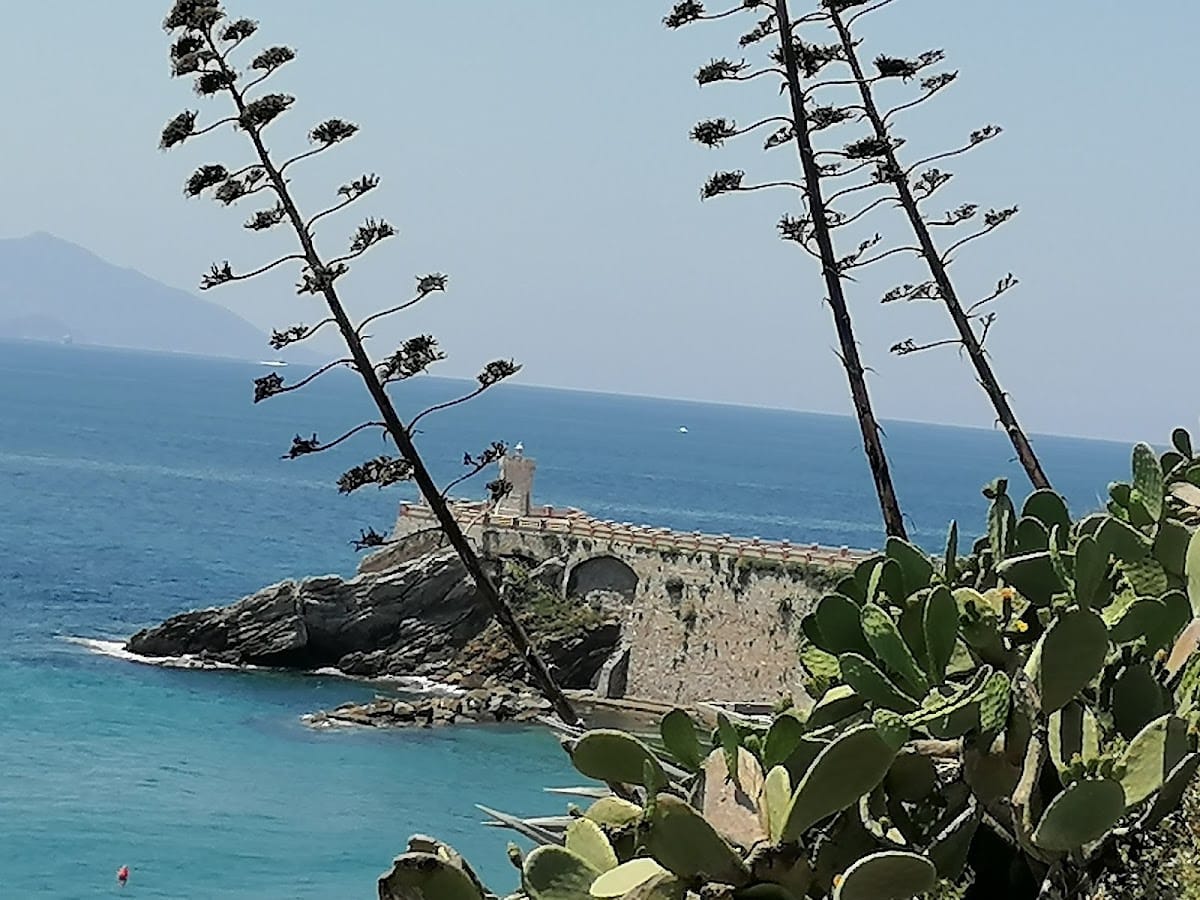
The castle occupies a southeastern hill overlooking the sea and once marked the edge of the city on that side. A city gate opened through the structure. Its earliest form, the Pisan Cassero, had a solid, almost cubical mass. The later defensive complex includes star-shaped bastions added between 1552 and 1557 in response to firearms, creating the principal surviving arrangement of the fortress.
Archaeological Finds
Archaeological excavations recovered objects dating from the thirteenth century. These include plates, buckles, jugs, lamps, coins, armor plates, arrowheads, and lead projectiles. The objects are displayed on the ground floor of the museum, where they help present the material history of the castle’s medieval defensive phase.