Château des ducs de Lorraine: A Ducal Residence and Citadel in France


Site at a Glance
- Rating
- 4.5
- Popularity
- Medium
- Country
- France
- Primary era
- Medieval
- External website
- Open
- Eras represented
- Medieval, Early Modern
- Civilizations
- Duchy of Lorraine, Holy Roman Empire
- Site type
- Military
- Remains
- Castle
On this page7 sections
History
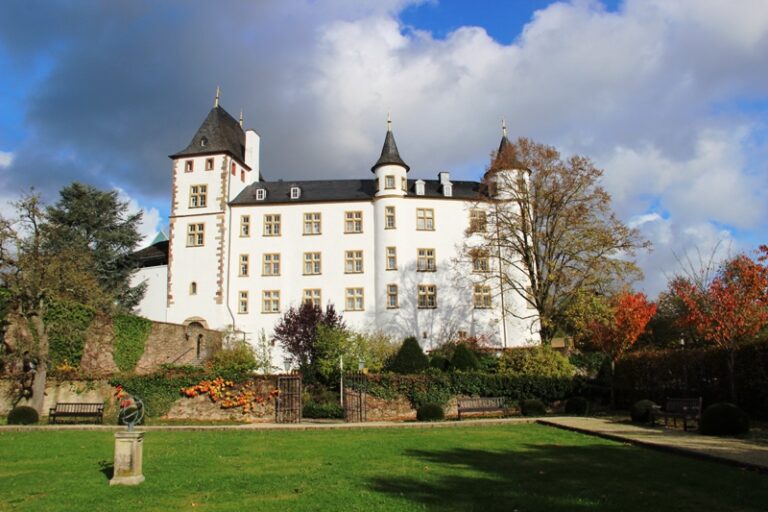
The Château des ducs de Lorraine is a historic fortress in Sierck-les-Bains, France, whose construction began in the eleventh century and continued through the eighteenth century. It originated as a seigneurial residence, the principal home of a feudal lord, and became one of the favored residences of the dukes of Lorraine, rulers of the historic Duchy of Lorraine, from the eleventh to the seventeenth century.
Ducal Residence
The château was associated with the dukes of Lorraine during a period when their territory stood between the Kingdom of France and neighboring German-speaking lands. Its long building history reflects repeated changes to the site, which was destroyed and remodeled several times over the course of its existence.
Citadel and Modern Heritage
From the seventeenth to the nineteenth century, the fortress served as a citadel, a fortified stronghold intended to defend a town or strategic position, at the gates of the Kingdom of France. This role followed its earlier use as a ducal residence and placed the château within the military landscape of the French frontier.
The château has been classified as a French historic monument since February 1930 and is listed in the French Ministry of Culture’s Mérimée architectural-heritage database. It is now used as a museum.
Remains
The fortress occupies a rocky promontory above the center of Sierck-les-Bains, overlooking bends in the Moselle at the meeting point of the French, German, and Luxembourg borders. Its surviving defensive layout includes enclosing walls, fortified chambers known as casemates, and massive towers pierced by loopholes, narrow openings used by defenders to observe or fire from protected positions.
Fortifications
Walls, Casemates, and Towers
The enclosing walls, casemates, and massive towers preserve the imposing character of an eleventh-century fortress. The towers retain loopholes, while the defensive structures remain in a highly imposing condition on the rocky site above the town.
Arsenal
An arsenal within the château presents a collection of weapons dating from the fifteenth and sixteenth centuries. These arms form part of the museum’s material interpretation of the fortress and its military history.