Castle of Naro: A Medieval Fortress in Sicily


Site at a Glance
- Rating
- 4.5
- Popularity
- Low
- Country
- Italy
- Primary era
- Medieval
- External website
- Open
- Eras represented
- Medieval
- Civilizations
- Kingdom of Sicily, Norman
- Site type
- Military
- Remains
- Castle
On this page7 sections
History
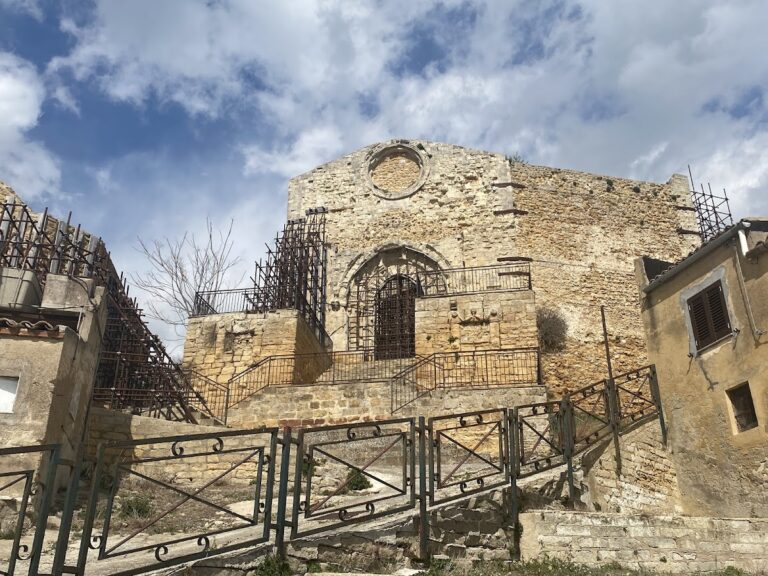
Castle of Naro is a medieval fortress in Naro, Italy, whose present form is principally associated with the Chiaramonte family. Construction began in the twelfth century, and the stronghold was remodelled during the fourteenth-century Chiaramontan period. Its history also connects it with the Aragonese rulers of Sicily and with the administration of the medieval kingdom.
Royal Residence and Chiaramontan Remodelling
Frederick III of Aragon, a medieval king of Sicily from the Aragonese ruling house, used the castle as a residence. From Naro, he issued the 21 chapters concerning the good governance of the lands and cities of the Kingdom of Trinacria. This was a medieval name for the island kingdom of Sicily, governed separately from the mainland territories claimed under the name Kingdom of Sicily. The date of promulgation is uncertain, with 1309 and 1324 proposed.
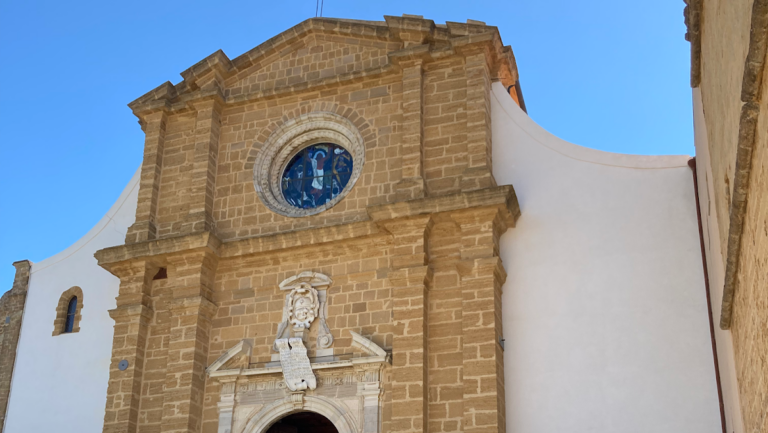
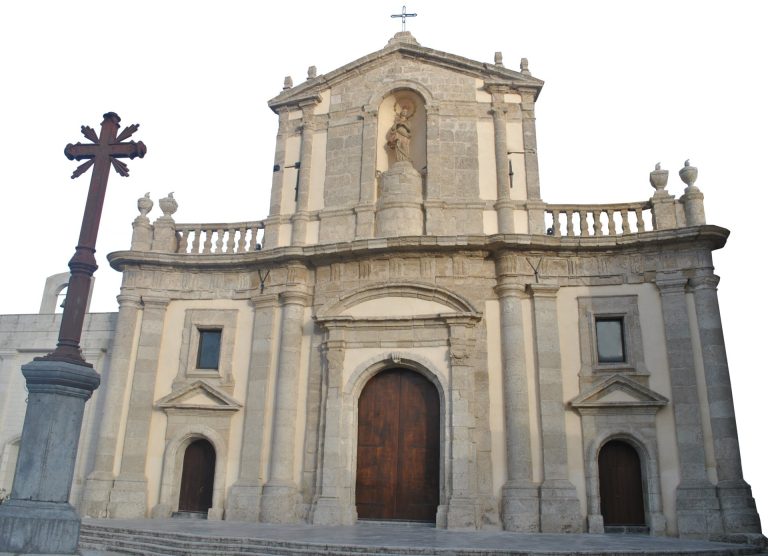
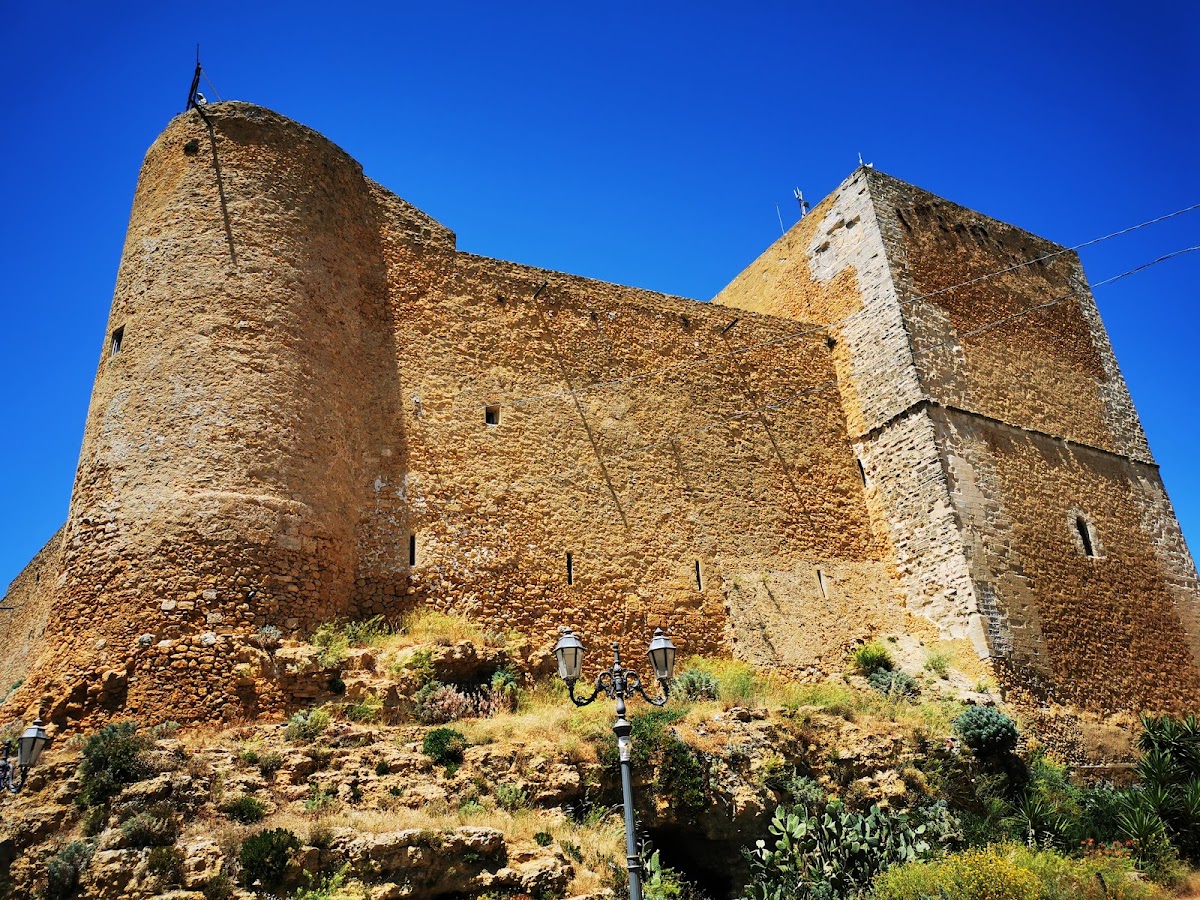
In 1330, Frederick III commissioned the construction of the large square tower. The castle later hosted King Martin the Younger and Queen Maria in 1398, when a convent and the Church of the Most Holy Savior were built at Naro. From 1401, its castellany was held by Lopez Leon. A castellany was the office or jurisdiction of a castle’s castellan, the official responsible for its administration and defence.
Heritage Status
Castle of Naro has been a national monument since 1912 and is designated Italian national heritage. These recognitions reflect the surviving importance of a fortress whose medieval form was shaped during the period of Chiaramonte influence, when the family was a powerful Sicilian aristocratic house.
Remains
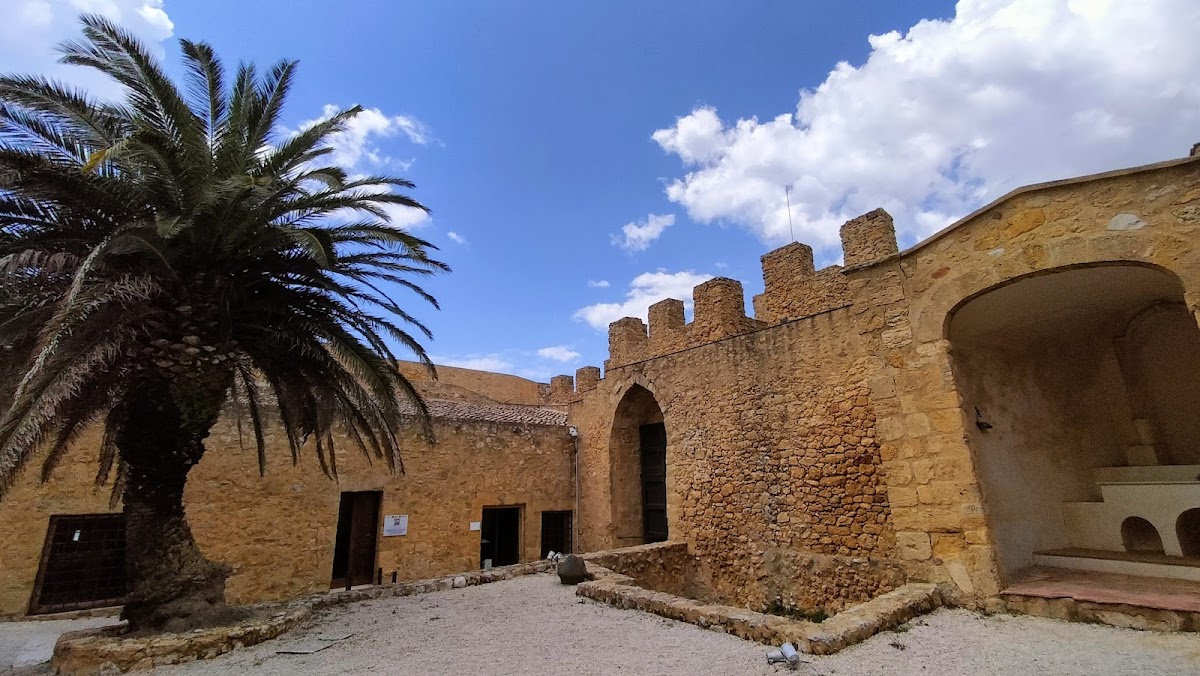
The castle has an almost rectangular plan, with an off-centre courtyard enclosed by fortification walls measuring 166 metres around the perimeter. The complex occupies 1,460 square metres. Cylindrical and square towers alternate along the walls, while the enclosed courtyard contains a well and is bordered by garrison accommodation, a chapel, and stables.
Walls, Towers, and Entrance
The western entrance portal dates from the late fifteenth century. Its pointed arch differs from both Swabian-period and Chiaramontan-period portal types. A statue of the Madonna stands on the round tower as a protective image for the city. The western side of the large square tower carries a carved coat of arms of the House of Aragon.
Prince’s Hall
A broad staircase leads to the hall within the square tower, known as the Prince’s Hall or Barons’ Hall. Its pointed barrel vault is reinforced by a transverse central arch, and two-light Gothic windows provide illumination. Fragments of a fresco by Cecco da Naro survive in the hall. The Chiaramonte family also entrusted Cecco da Naro with painting their Palermo residence, the Steri Palace.
Collection and Upper Tower
The castle houses the permanent exhibition “Wind of Women,” consisting mainly of women’s clothing and accessories from the late nineteenth and early twentieth centuries. The upper part of the square tower provides views over the city, Paradise Valley, and the Sicilian Channel to the south, as well as the San Giovanni Dam to the west. To the north, the outlook extends across the Sicilian interior, including Caltanissetta and Enna on clear days, while Mount Etna lies to the east.