Sancé Castle, also known as Château Lapalus: A Historic Estate in France
Site at a Glance
- Rating
- 4.2
- Popularity
- Very Low
- Country
- France
- Primary era
- Unclassified
- External website
- Open
- Eras represented
- Unclassified
- Civilizations
- Unclassified
- Site type
- Domestic
- Remains
- Castle
On this page6 sections
History
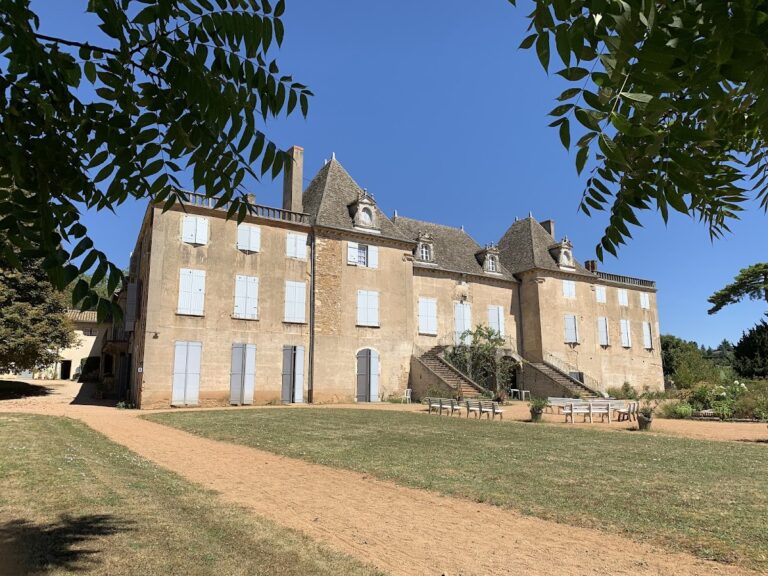
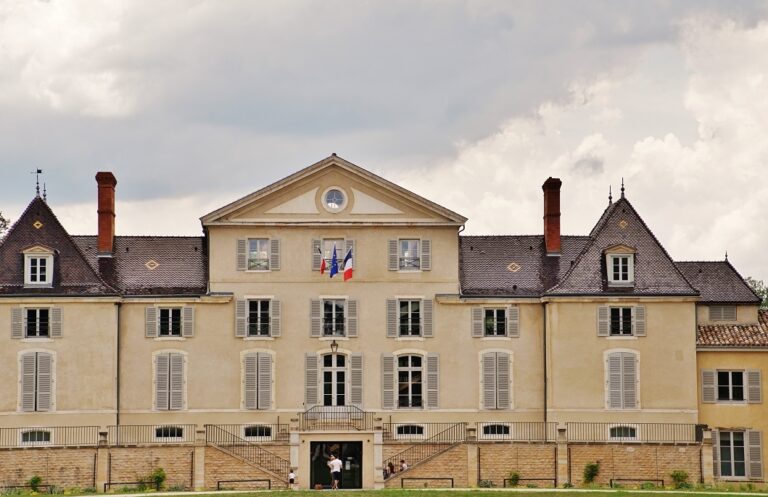
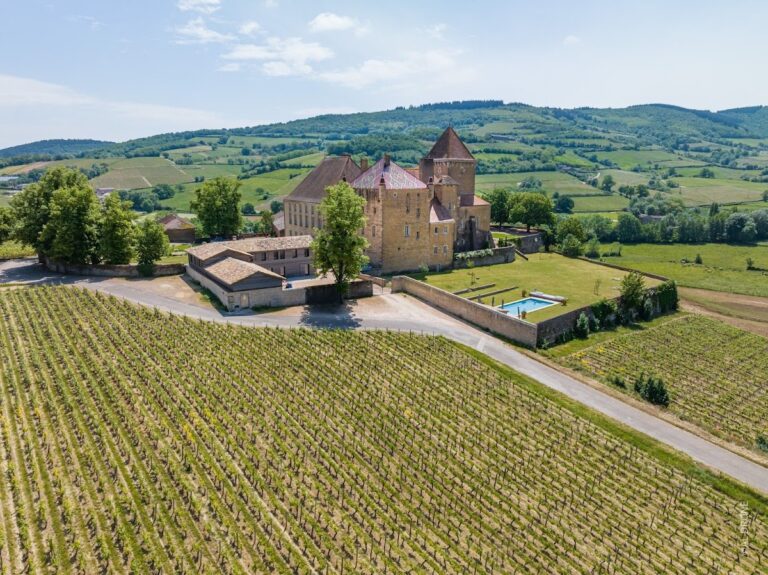
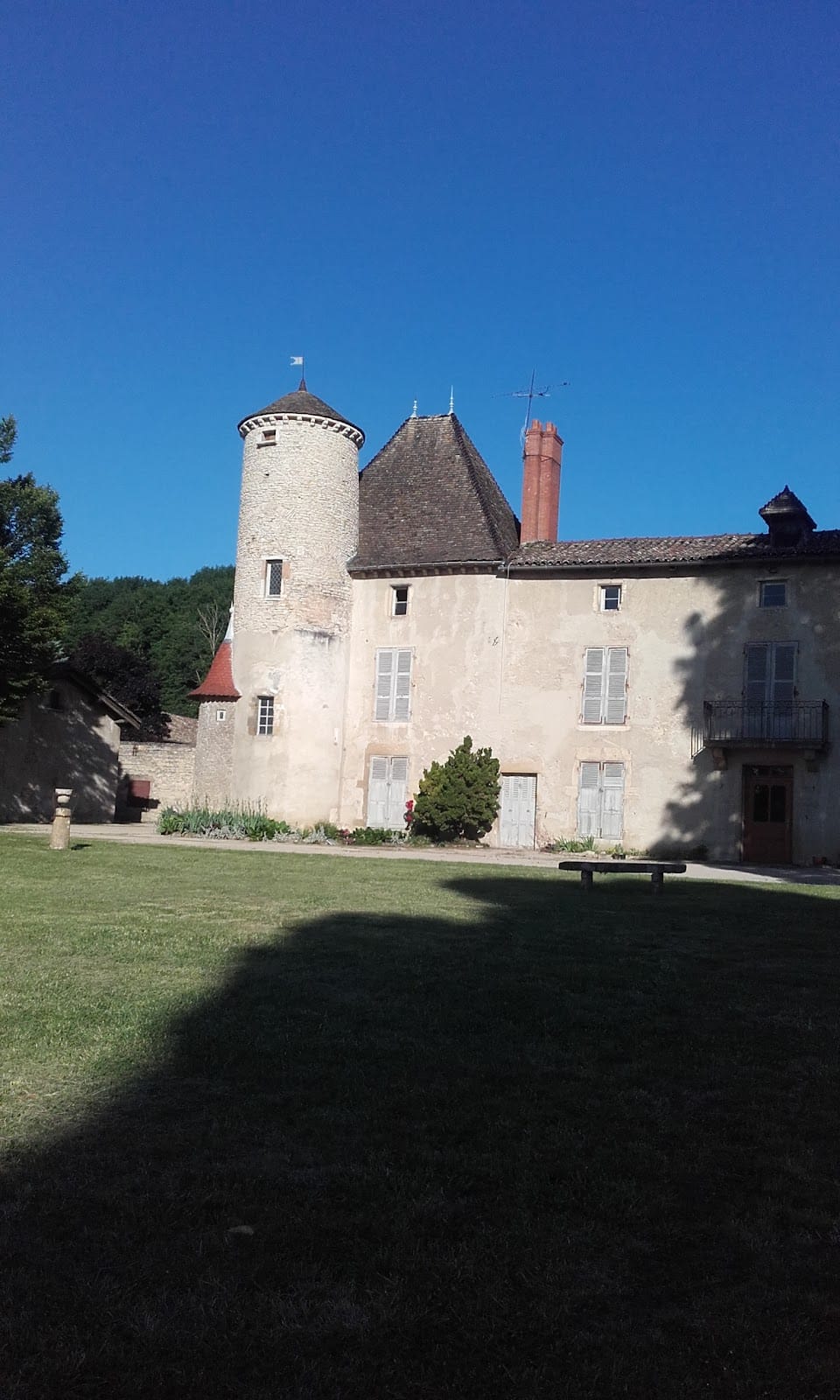
Sancé Castle, also known as Château Lapalus, is a historic castle in France, in the commune of Sancé in Saône-et-Loire, at the foot of the Grisière slope. The building has been altered repeatedly over time, especially during the twentieth century, as successive owners adapted it to their preferences.
The name and modern stewardship
The name “Lapalus” comes from the Latin paludis, meaning “marsh.” This name reflects the character of the surrounding area, which formerly contained numerous ponds and other water points.
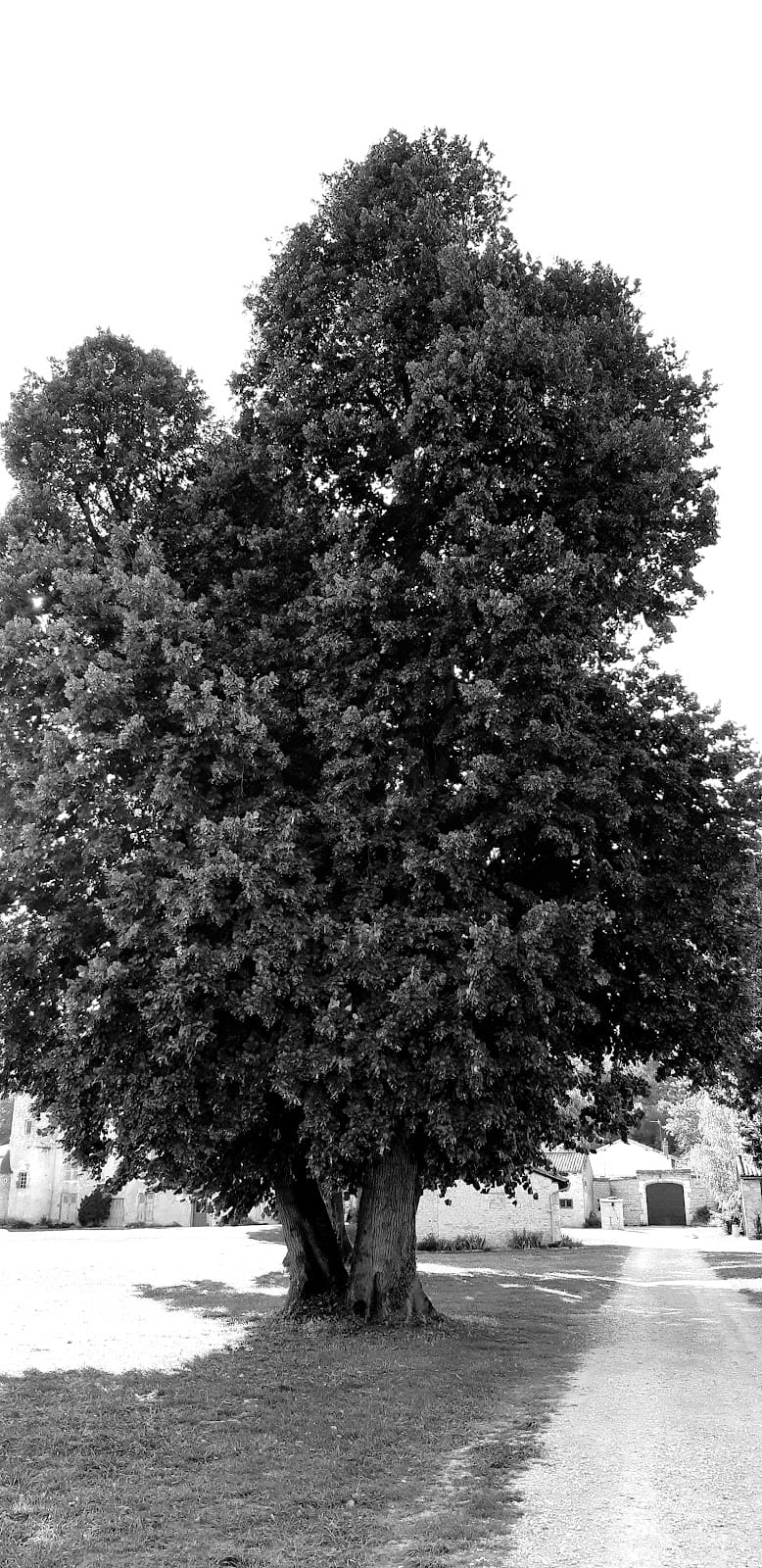
In early 2011, the commune of Sancé acquired the castle and its park. Since then, an extra-municipal commission, a local body operating outside the municipality’s standard administrative departments, has maintained and restored the property. The commission, Les Amis du Château Lapalus, continues this work while the site is used for event rental.
An annual fire festival in mid-August brings the village together around a fire fuelled by wood collected throughout the year during tree-pruning work. This recurring event forms part of the castle’s present connection with the commune.
Remains
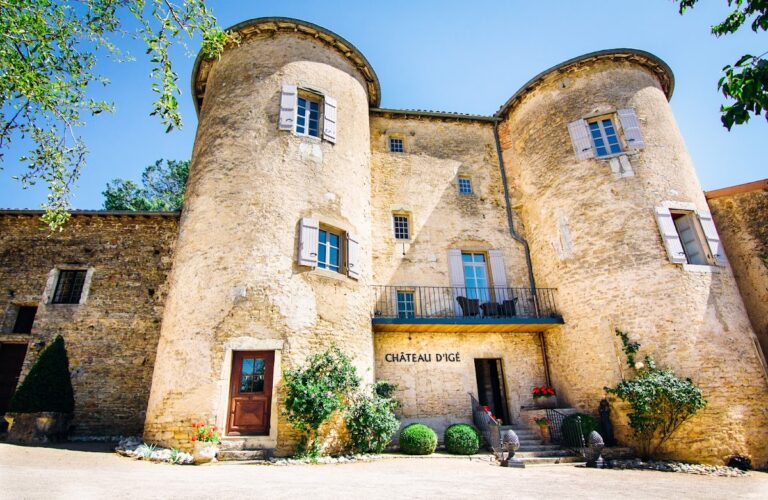
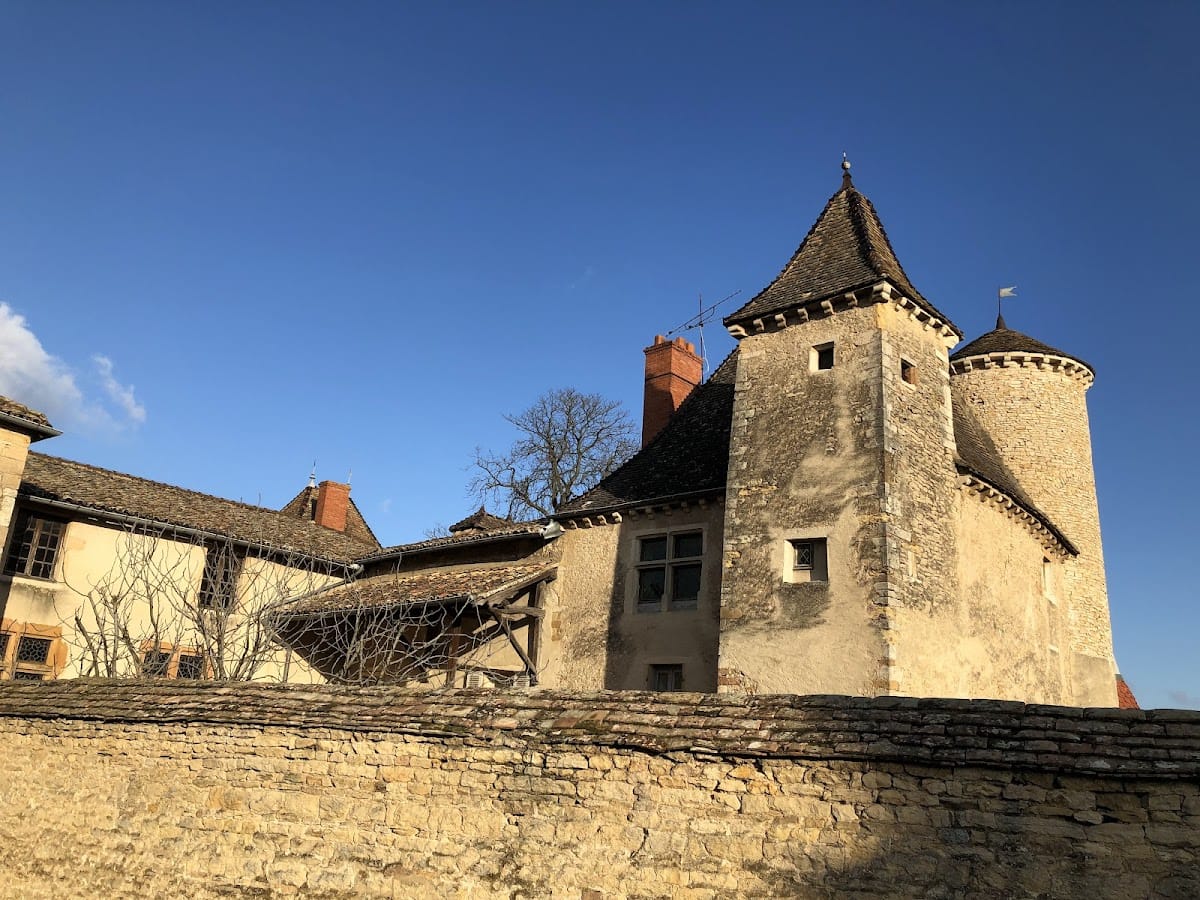
The castle stands on rue de la Fontaine and occupies cadastral parcel 174 in section AV. A cadastral parcel is a legally surveyed unit of land entered in the official land register. The property covers 60 ares and 37 centiares, approximately 6,037 square metres, including the castle and its park. The building is distinguished by four towers constructed in different architectural styles.
Castle structures and surviving features
Main castle
The principal building contains a guardroom with a monumental fireplace. Its four towers give the castle a varied architectural character, while a southern tower has been restored. The property has been maintained and restored since the commune acquired it in 2011.
Wells, ovens, and barn
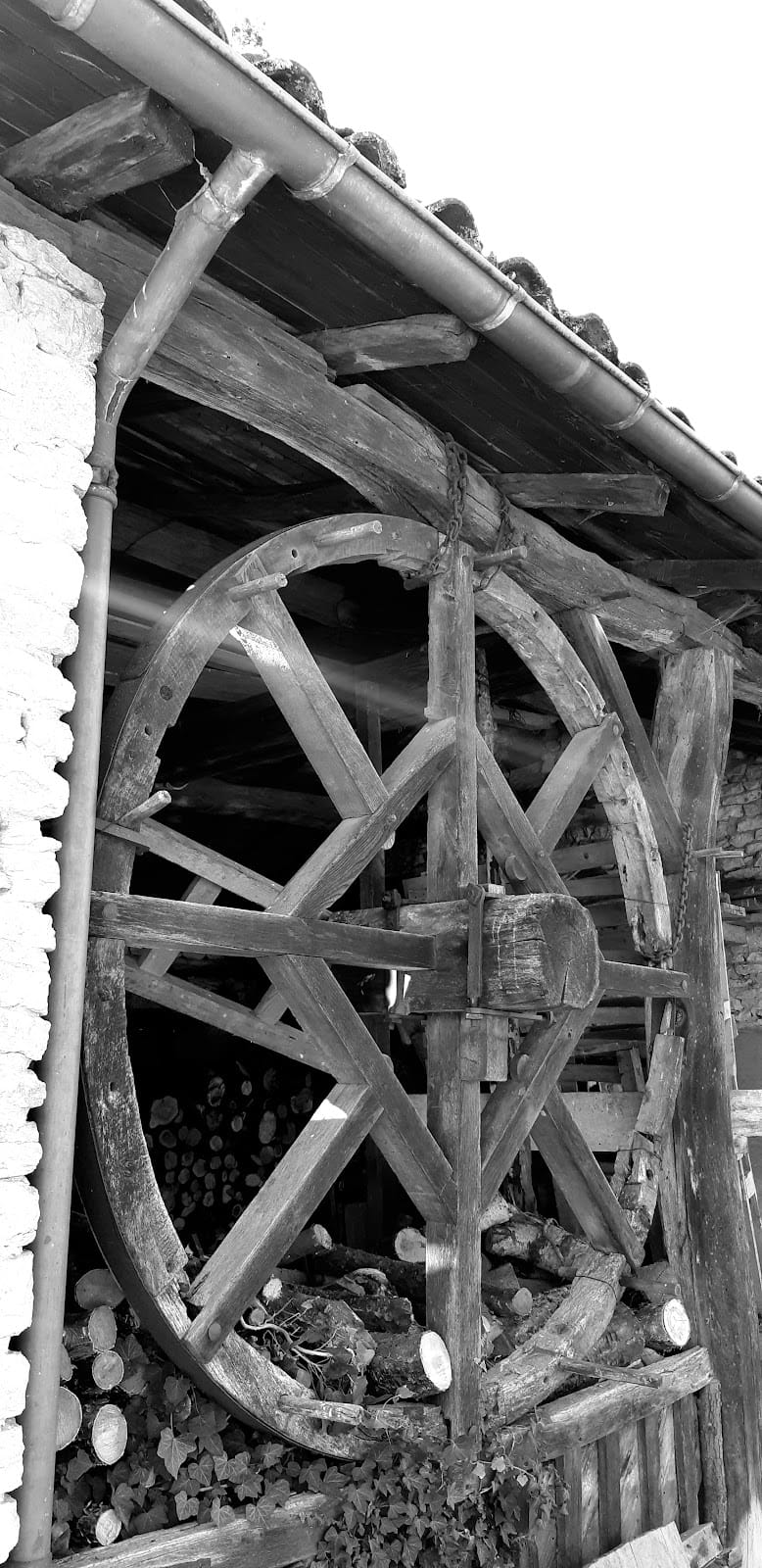
The castle formerly had two wells, one of which survives. Two bread ovens were also associated with the property, together with a barn forming part of the castle complex.
Nearby sites