St Stephen’s Church, Bristol: A Medieval Anglican Parish Church
Site at a Glance
- Rating
- 4.6
- Popularity
- Medium
- Country
- United Kingdom
- Primary era
- Medieval
- Eras represented
- Medieval, Early Modern
- Civilizations
- English
- Site type
- Religious
- Remains
- Church
On this page13 sections
History
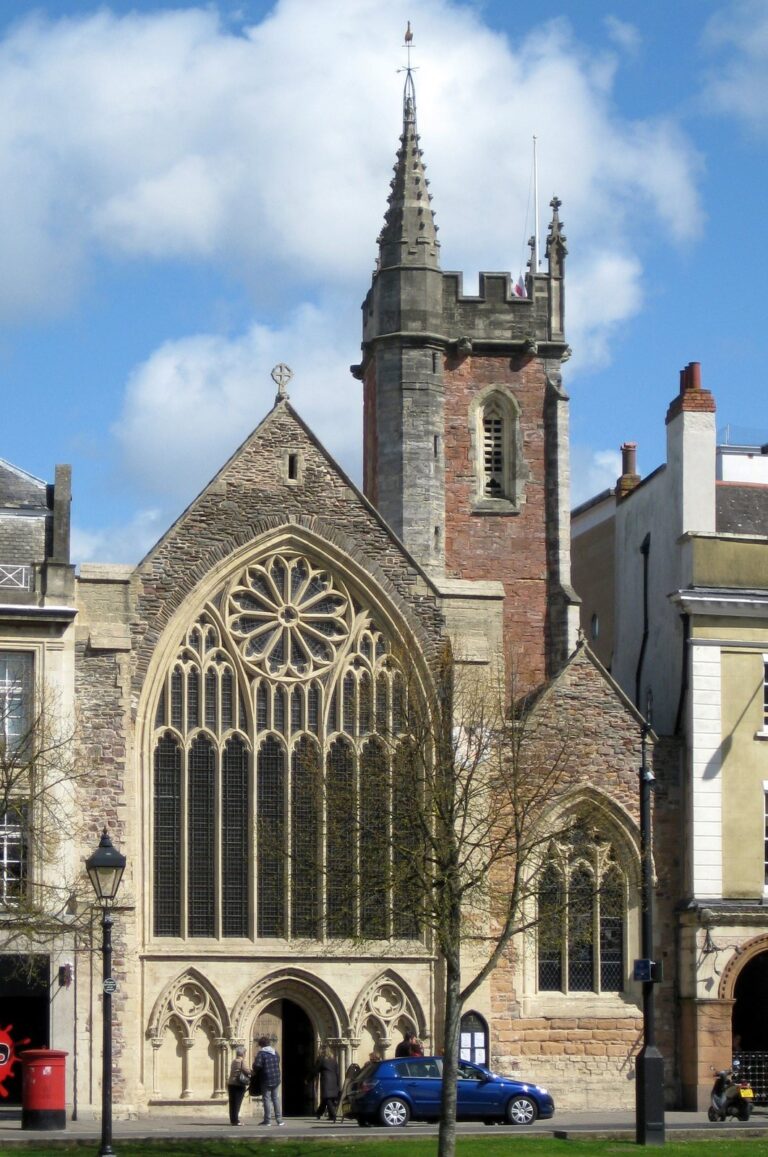
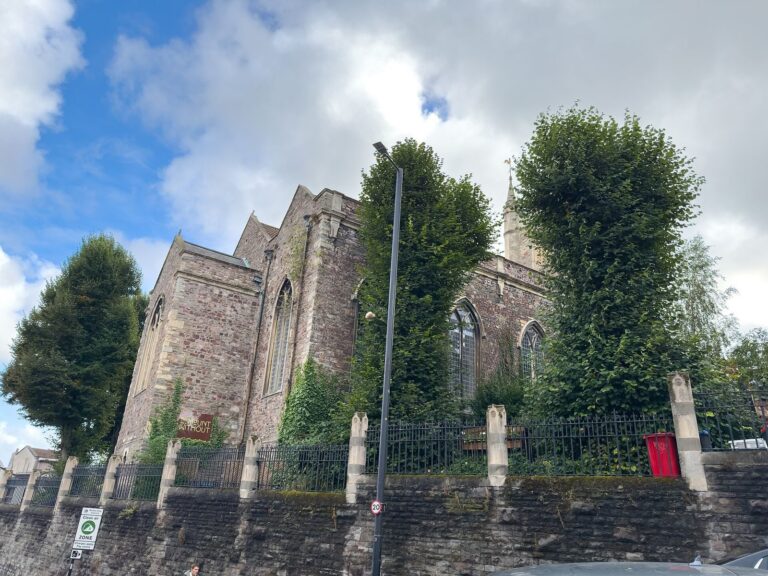
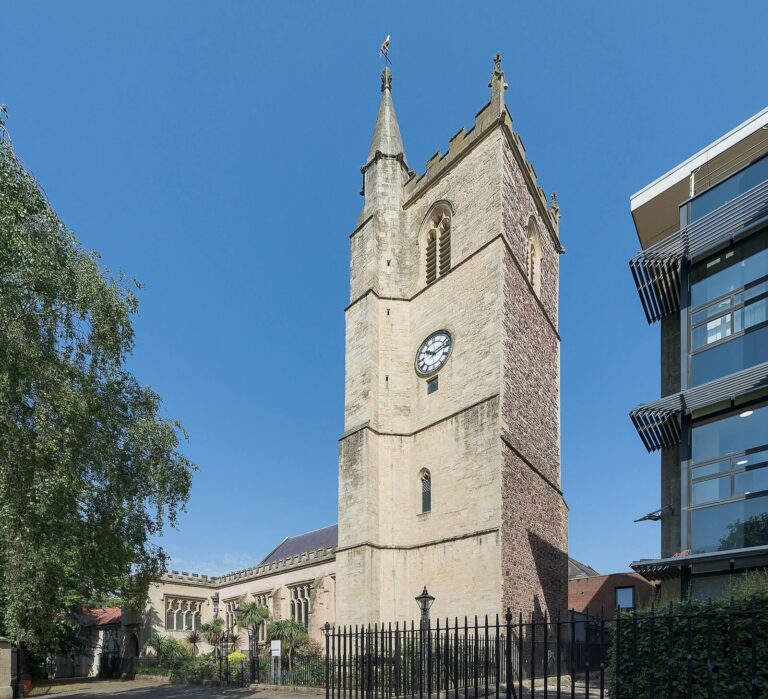
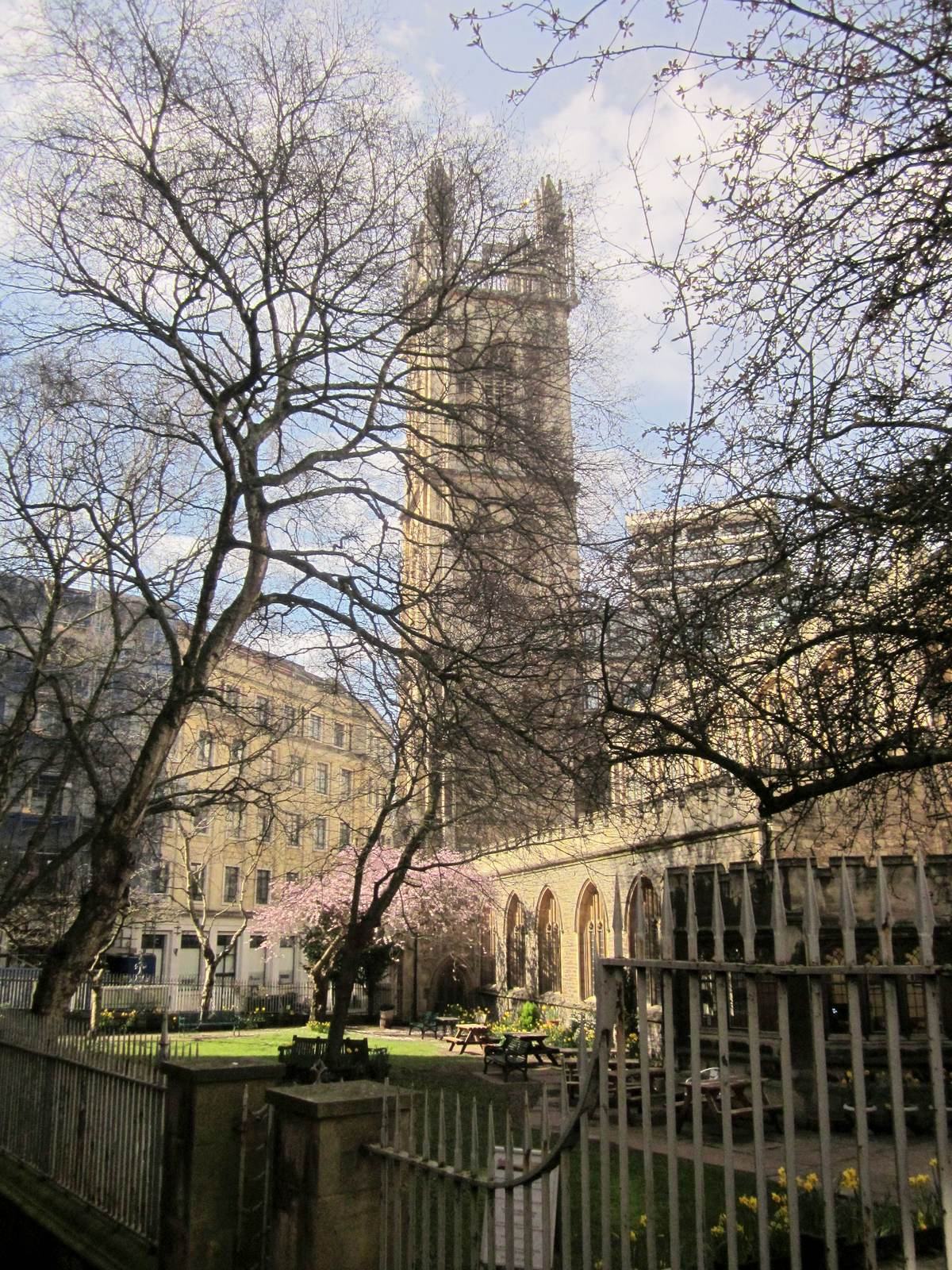
St Stephen’s Church, Bristol, is an Anglican parish church in the United Kingdom, serving the city within the Diocese of Bristol, the Church of England’s bishop-led administrative area. Dedicated to St Stephen, an early Christian martyr traditionally regarded as the first, it stands on a site where a church existed in the 11th century; the present church was built in the 14th century and rebuilt around 1470.
The church stood on the banks of the River Frome. The river was diverted in the 1240s to create Bristol Harbour.
Parish life and repairs
St Stephen’s bellringers have maintained a continuous tradition since 1574. In 1577, Arnaq and Kalicho, Inuit from the Arctic regions of North America, were buried at the church within months of arriving in England. They were among the first North Americans to visit Britain; the English navigator Martin Frobisher had seized them during his voyages to North America.
A storm in 1703 led to repairs to the clerestory, the upper wall that admits light above the lower roofs. The aisle and east windows were restored in 1873.
The church in modern Bristol
In 1885, Ramsay MacDonald worked as an assistant to Bristol clergyman Mordaunt Crofton, who was trying to establish a Boys’ and Young Men’s Guild at the church. In Bristol, MacDonald joined his first Radical organization, part of a movement for political reform. He moved to London in early 1886 and later became the United Kingdom’s first Labour prime minister.
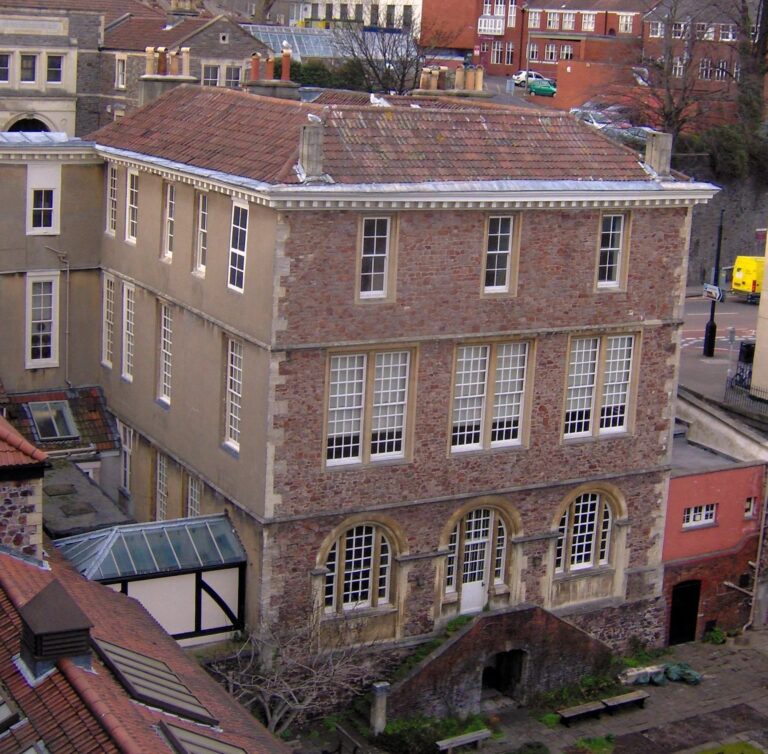
The bellringers have held an annual ceremonial dinner at the Red Lodge since 1920. St Stephen’s became a Grade I listed building on 8 January 1959, a category for buildings of exceptional architectural or historic interest.
Remains
The church’s surviving features include a tall tower and interior furnishings, tombs, and memorials. Edmund Blanket’s tomb is on the north side of the church.
Tower and furnishings
Tower
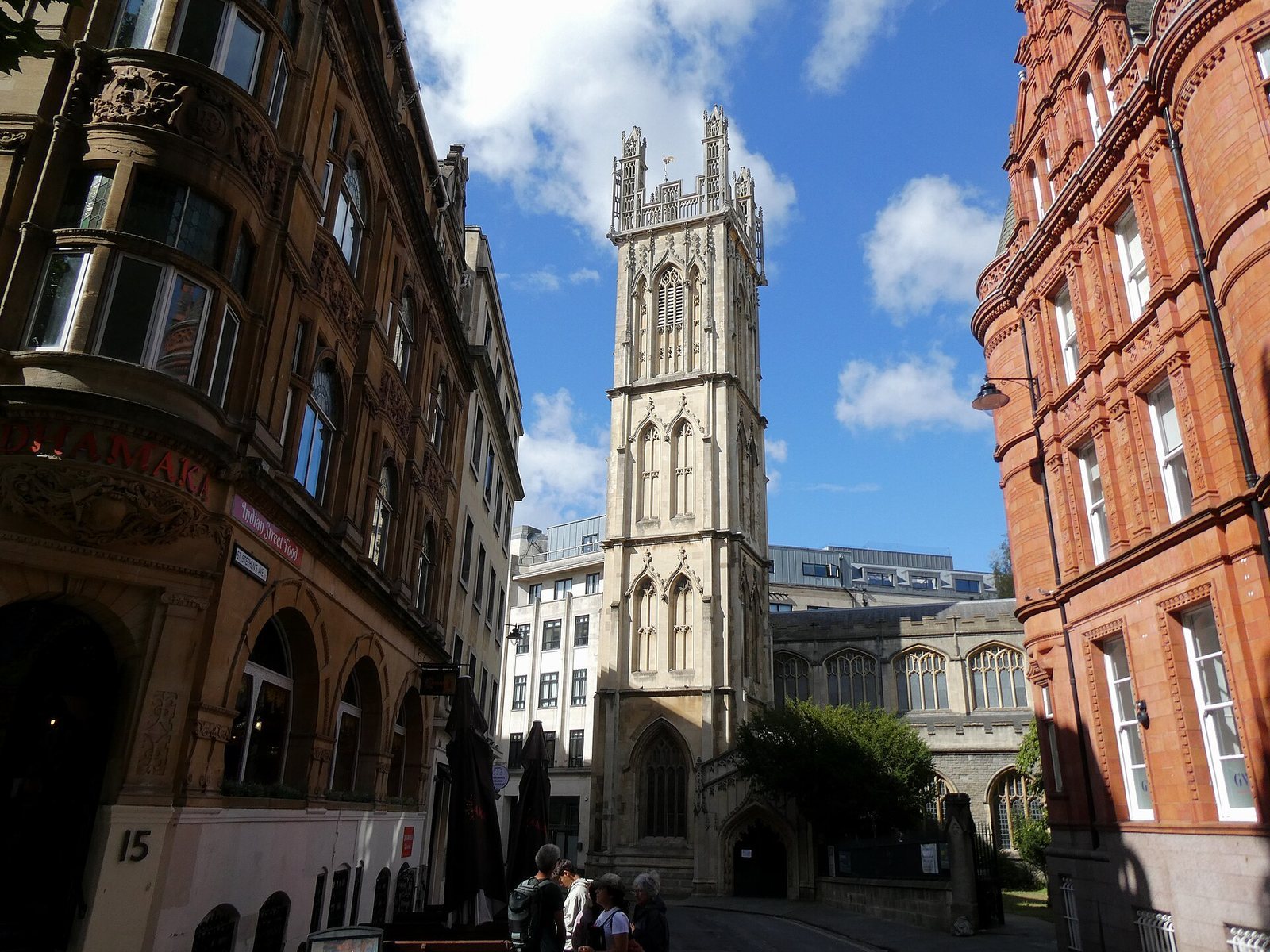
The tower measures about 18 by 20 feet at its base and rises to 152 feet. Its form is common among Somerset churches, while its upper “Gloucestershire crown” combines battlements, a parapet with alternating raised sections and gaps, with open rows of arches and small pointed ornaments. The tower was funded by John Shipward, who served four times as Bristol’s mayor and died in 1473; the mason Benedict Crosse built it. Shipward also funded the east window. The tower first held six bells, a number that later rose to twelve as the bells were replaced.
Furnishings from St Nicholas
A brass eagle lectern, a reading stand shaped like an eagle, dates to the 15th century. The church also has an iron sword rest, a support for displaying a sword, made by William Edney around 1710. Both objects came from St Nicholas Church, which was damaged in the Bristol Blitz, German bombing raids on the city during the Second World War.
Tombs and memorials
Edmund Blanket’s tomb
On the church’s north side, a tomb commemorates Edmund Blanket, a 14th-century cloth and wool merchant.
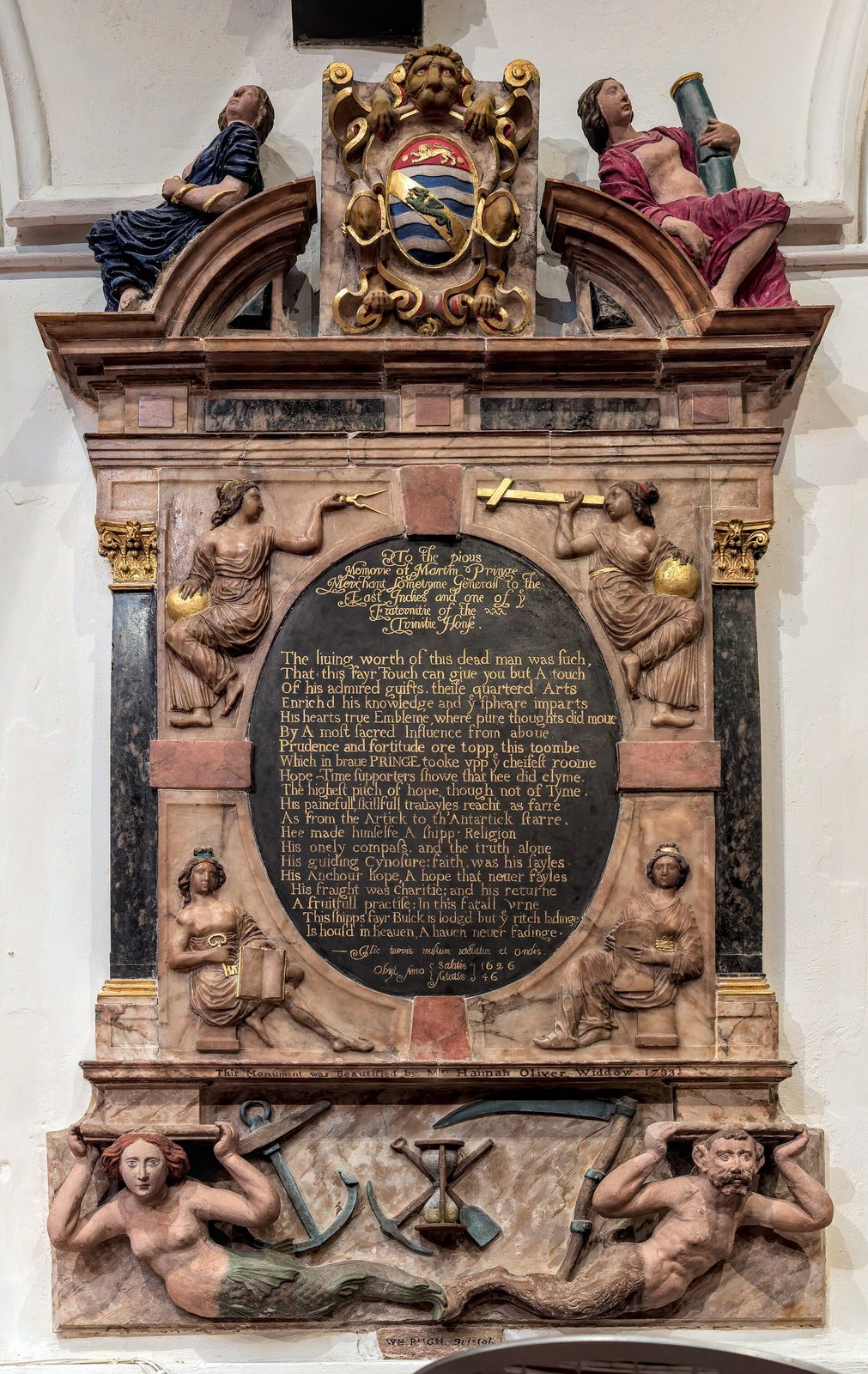
Martin Pring’s monument
Martin Pring’s monument features painted mermaids and mermen, with verses about his exploits. Pring was a navigator, explorer, and merchant who died aged 46 in 1627. He discovered what is now called Cape Cod Bay.
Sir Walter Tyddesley’s tomb
An ornate tomb commemorates Sir Walter Tyddesley, who died in 1385.
Sir George Snigge’s tomb
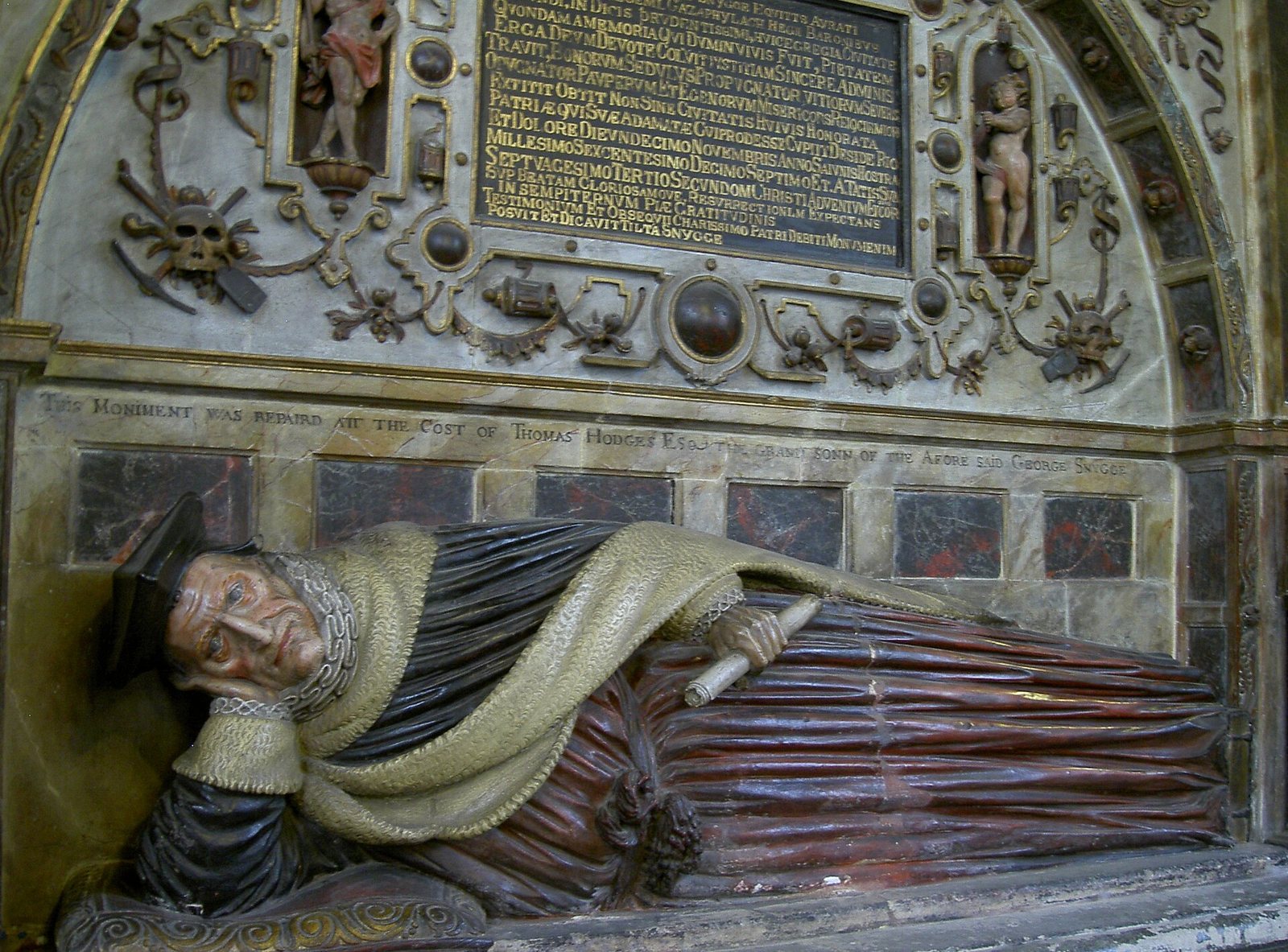
Sir George Snigge, who died in 1617, is commemorated by an ornate tomb with a sculpted figure of him.
Robert Kitchin’s plaque
A wall-mounted plaque commemorates Robert Kitchin, who died in 1594. He donated one of the bronze “nails” used by merchants as counting tables outside Bristol’s Exchange.