Petsofas: A Minoan Peak Sanctuary in Eastern Crete
Site at a Glance
- Popularity
- Medium
- Country
- Greece
- Primary era
- Bronze Age
- Eras represented
- Bronze Age
- Civilizations
- Minoan
- Site type
- Religious
- Remains
- Sanctuary
On this page8 sections
History
Petsofas is a Minoan peak sanctuary, a religious site on a mountain or ridge, in eastern Crete, Greece, used from Middle Minoan I (about 2000–1800 BCE) into the Neopalatial period. The Neopalatial phase overlaps with, but is not identical to, Late Minoan I. Petsofas was closely associated with the palatial settlement of Roussolakkos at Palaikastro and continued in use later than most Minoan peak sanctuaries.
Early sanctuary
In its earliest phase, the sanctuary received figurines and burnt offerings. Human figures are generally understood as representations of worshippers rather than deities, while animal figures may represent animals intended for sacrifice. Models of body parts have often been interpreted as offerings made in hope of healing, though other meanings have also been suggested.
Neopalatial use
Ritual activity continued during the Neopalatial period, but appears to have been less extensive than in the earlier phase. A later building was erected at the sanctuary, although its function as a place of worship remains uncertain.
Excavation and interpretation
John Myres excavated Petsofas in 1903 during a British School at Athens expedition to Palaikastro. This was the first systematic excavation of a Cretan peak sanctuary, and Myres is credited with introducing the term. Charles Trick Currelly completed the season and approximately doubled the number of finds recovered.
In 1971, Costis Davaras excavated the site again following the suspected recovery and possible looting of figurine fragments. He investigated areas east and south of the Neopalatial building that had not been excavated in 1903, identifying what he considered the sanctuary’s principal deposits. In 2014, Christine Morris and Alan Peatfield described Petsofas as the most widely known example among excavated Minoan peak sanctuaries.
Remains
Enclosure and early deposits
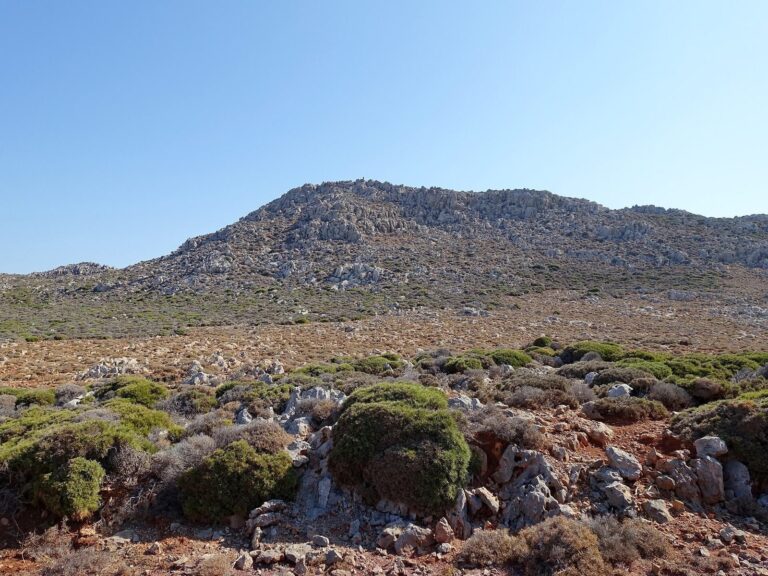
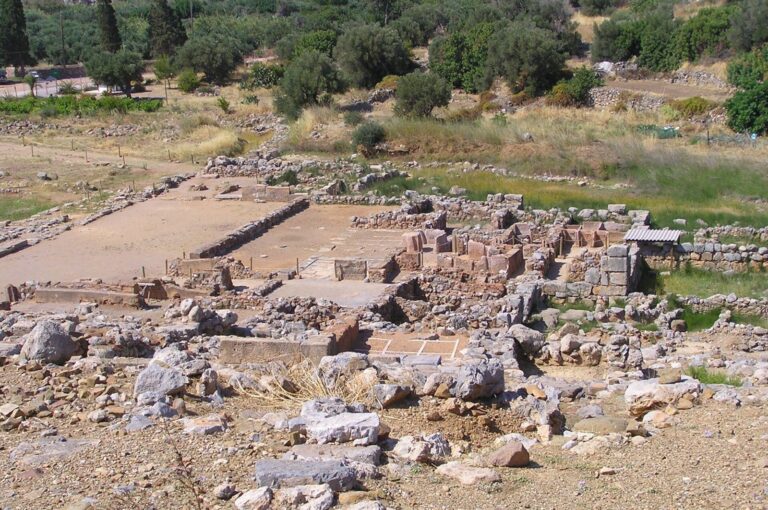
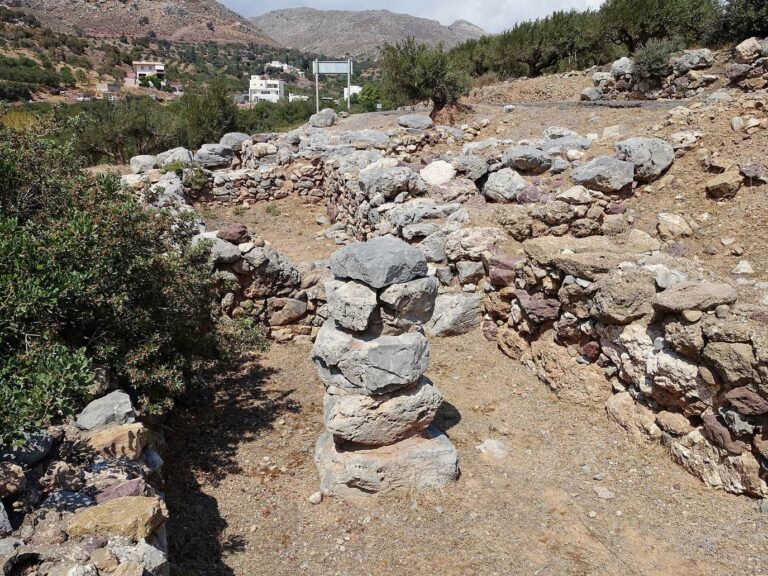
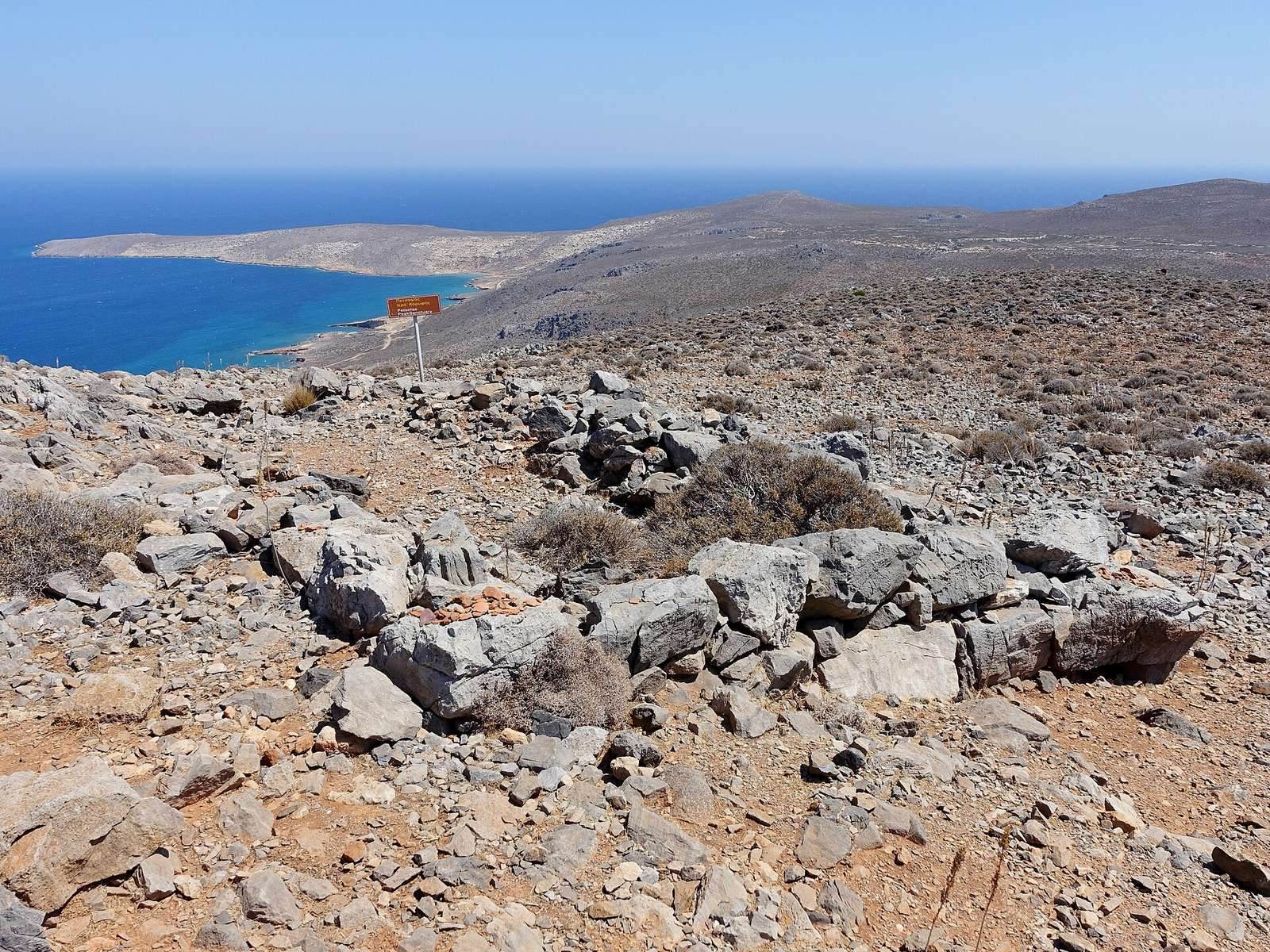
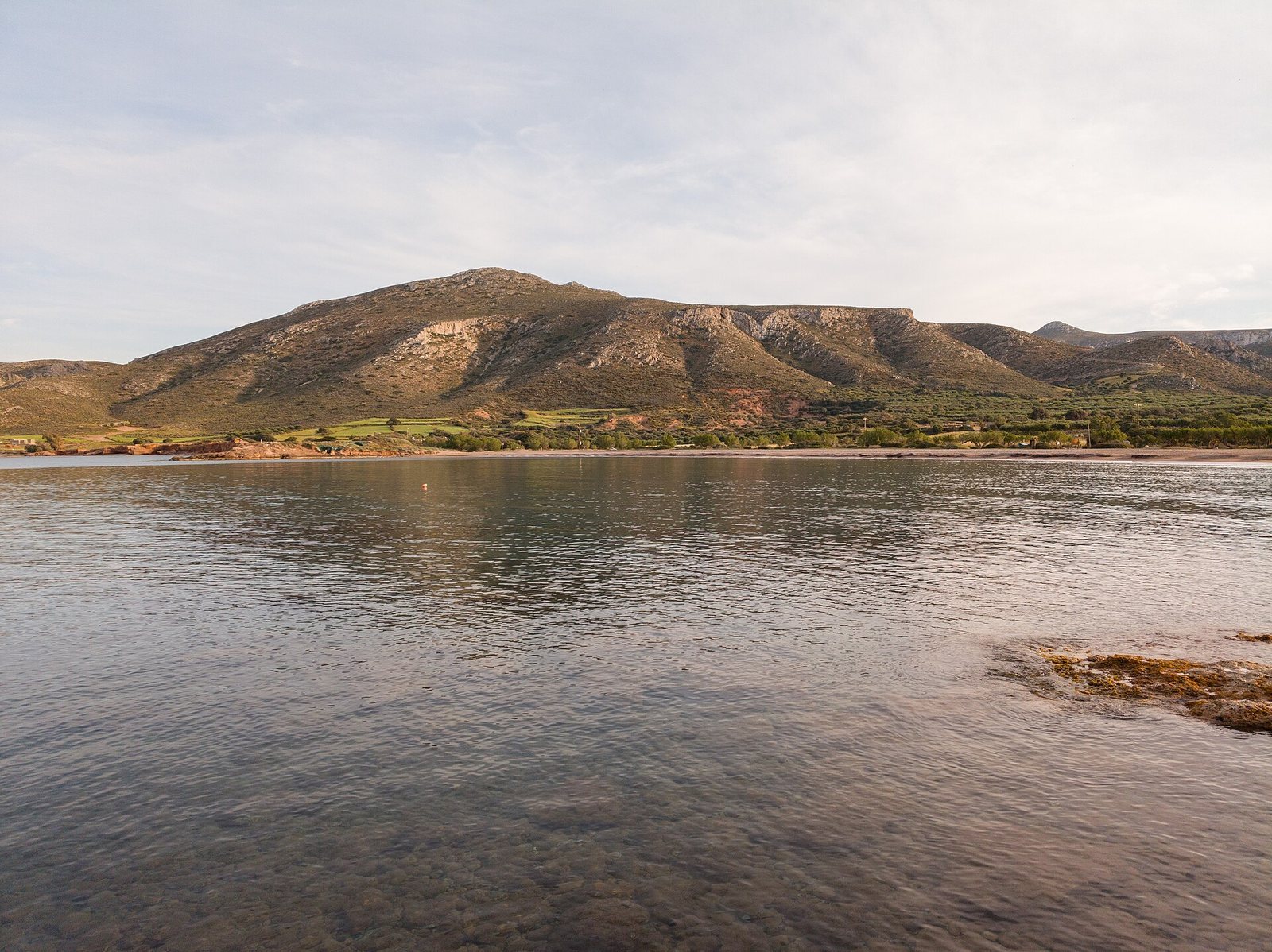
The sanctuary occupied an enclosure of slightly more than 170 square metres on a limestone ridge south of Roussolakkos, which it overlooked. The site lies about 950 metres southeast of the settlement, at an elevation of 231 metres; the ridge reaches 268 metres at its highest point and has steep northern slopes. The earlier enclosure was probably open to the sky, and one interpretation places a few altars within it. A thick ash deposit accumulated there with several thousand clay figurines and other offerings. Burn marks found during excavation may have resulted from ritual fires.
Neopalatial building and terrace
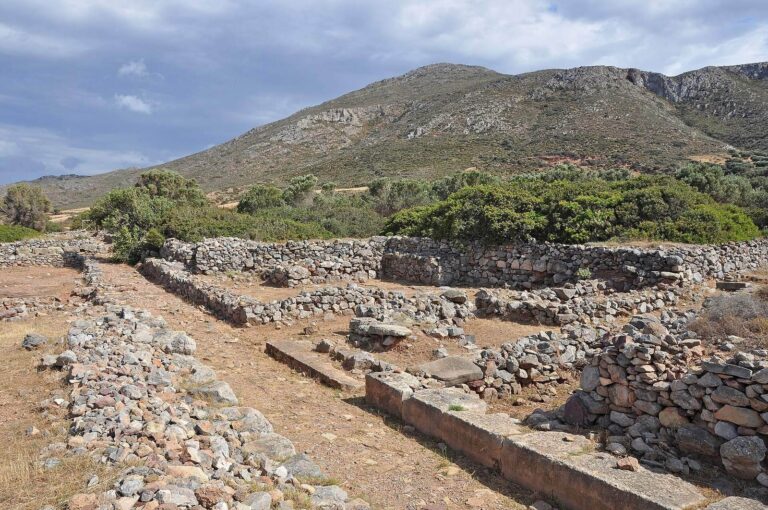
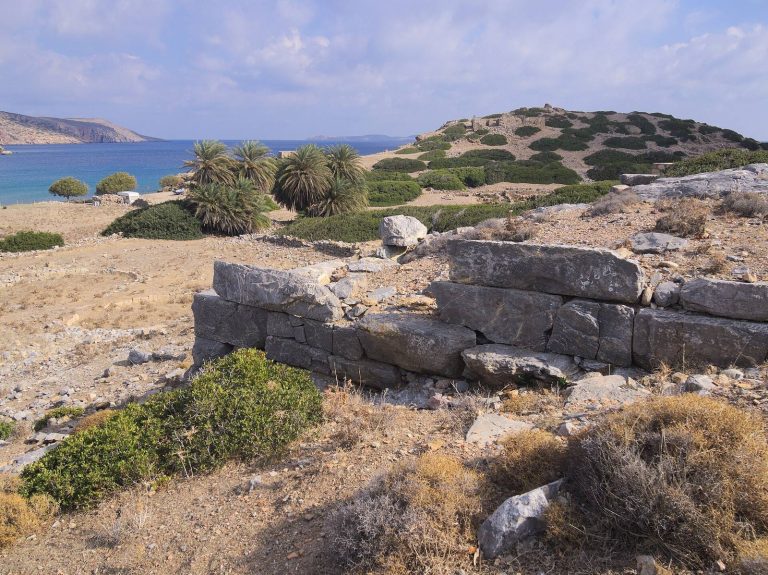
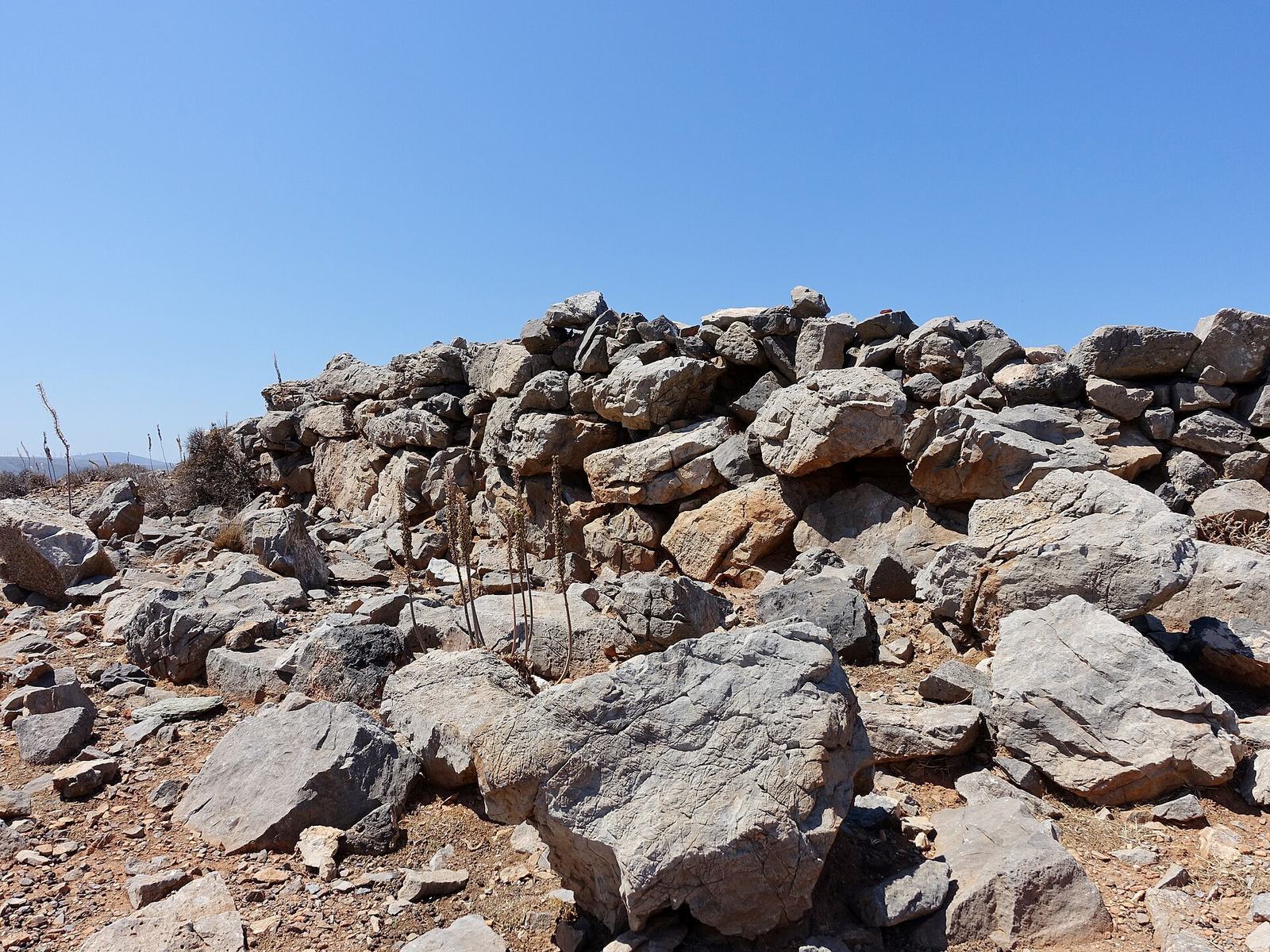
A two-room structure was built above the ash and offerings during the Neopalatial period. Its rooms were small and rectangular. One contained a bench about 25 centimetres high and a rough stone lamp; only scant remains of the second room survive. An angular terrace wall also remains on the ridge. Its two sides extend about 2 and 5 metres from the southern corner. The site’s structural remains include a floor paved with slate slabs and a bench.
Figurines and other offerings
Terracotta figures depict men and women, both standing and seated, as well as human limbs. A model of a pregnant woman may have expressed a hope for safety in childbirth. Some figurines have Kamares-style decoration, a type of Minoan pottery decoration associated with the earlier Protopalatial period; others belong to the Neopalatial phase. Animal figures represent cattle, sheep, dogs, birds that may be pigeons, wild goats, martens and rhinoceros beetles. Other finds include two libation vessels, used for pouring liquid offerings, inscribed in Linear A, an undeciphered script of Bronze Age Crete. The offerings also include composite lime-mortar horns of consecration, stylized horn-shaped objects associated with Minoan religion, fragments of stone vessels and lamps, and bronze knives.