Zafaraniyeh Caravanserai: A Safavid-Era Roadside Inn in Iran
Site at a Glance
- Rating
- 4.8
- Popularity
- Very Low
- Country
- Iran
- Primary era
- Early Modern
- Eras represented
- Medieval, Early Modern, Modern
- Civilizations
- Qajar, Safavid, Seljuk
- Site type
- Economic
- Remains
- Caravanserai
On this page4 sections
History
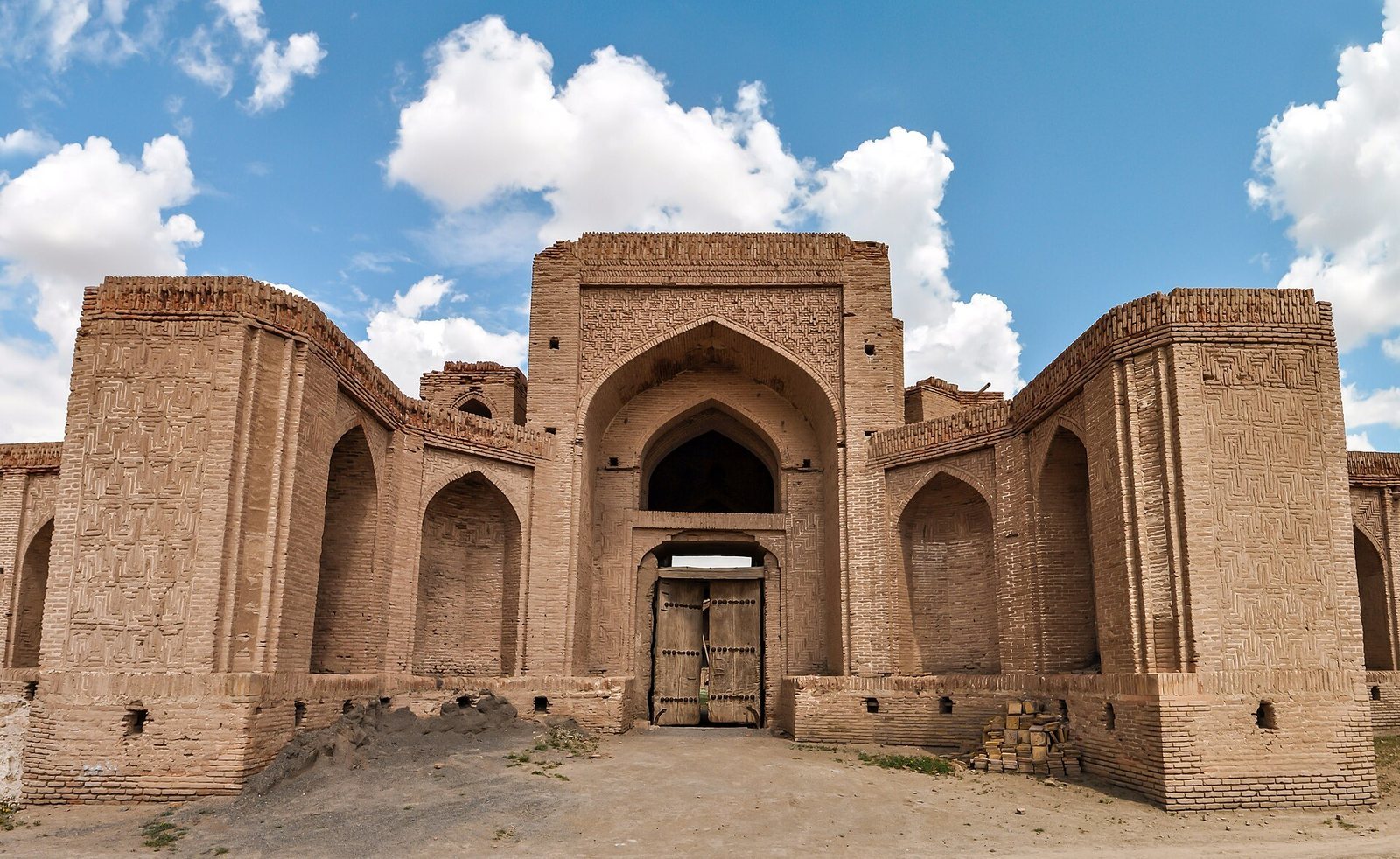
Built during the Safavid era, Zafaraniyeh Caravanserai served travellers and caravans in Zafaraniyeh village, Sabzevar County, Razavi Khorasan Province, Iran. Its plan reflects Azeri architectural influence, while its brickwork reflects the Razi style.
Safavid and Qajar periods
The Safavid-era building was constructed over an abandoned earlier caravanserai associated with the Seljuk and Safavid periods. During the Qajar period, when the dynasty ruled Iran from the late eighteenth to the early twentieth century, the Qajar prince Sultan-Murad Mirza, known as Hossam al-Saltaneh, restored the caravanserai and added facilities beside it.
Scottish traveller and writer James Baillie Fraser connected the name Zafaraniyeh with the use of saffron instead of straw in the mortar. This is one explanation for the name.
Heritage recognition
Iran registered the caravanserai as a national heritage site on 8 December 1985. In 2023, it became part of the UNESCO World Heritage property The Persian Caravanserai, alongside 53 other caravanserais across 24 Iranian provinces. The listing recognizes the exchange of human values expressed in cultural works and the property’s testimony to a cultural tradition or civilization. It was Iran’s 27th World Heritage inscription.
Remains
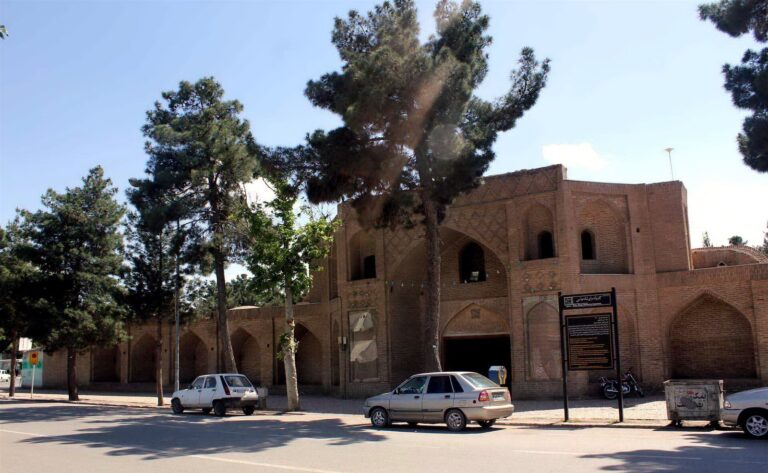
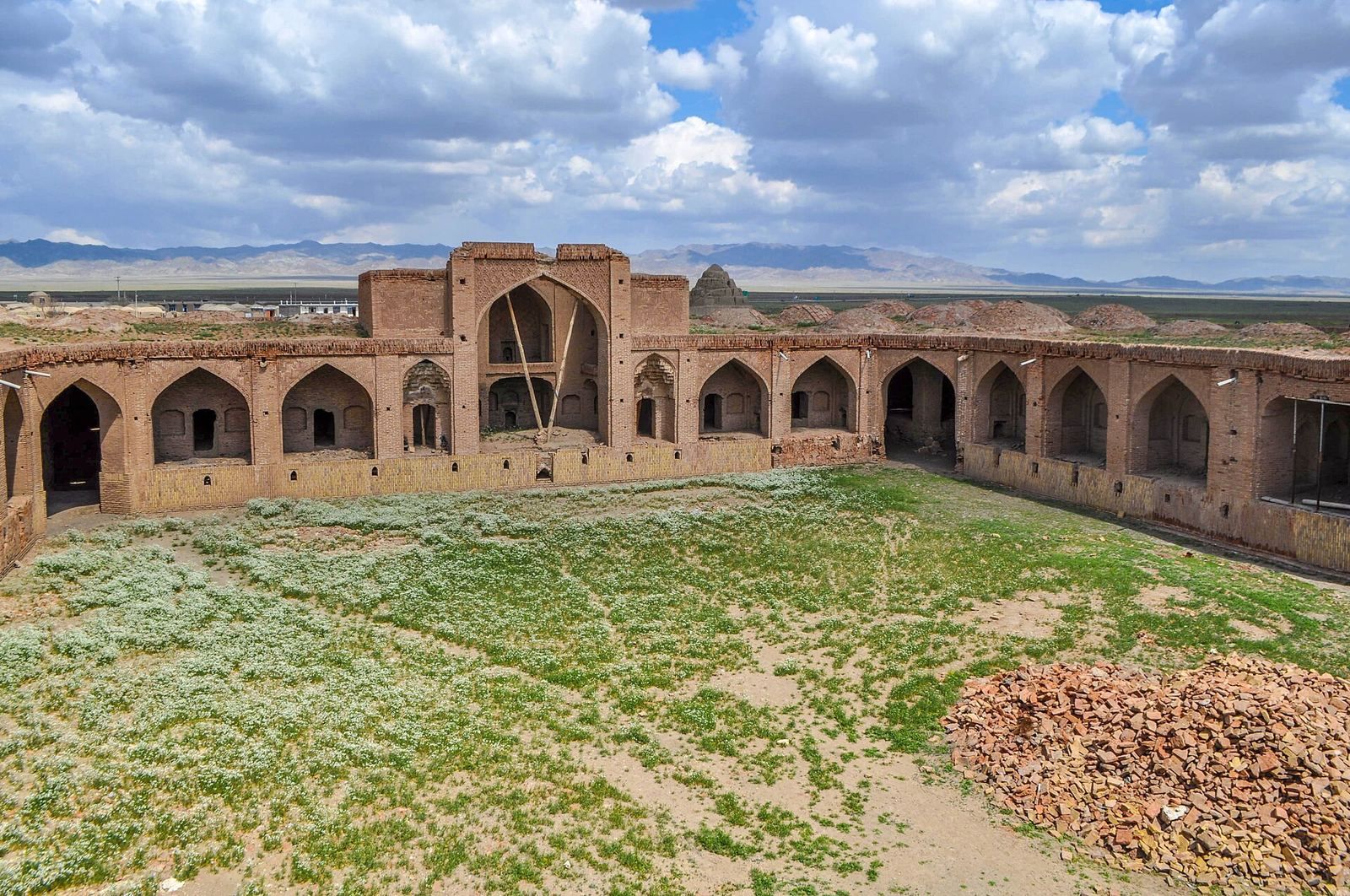
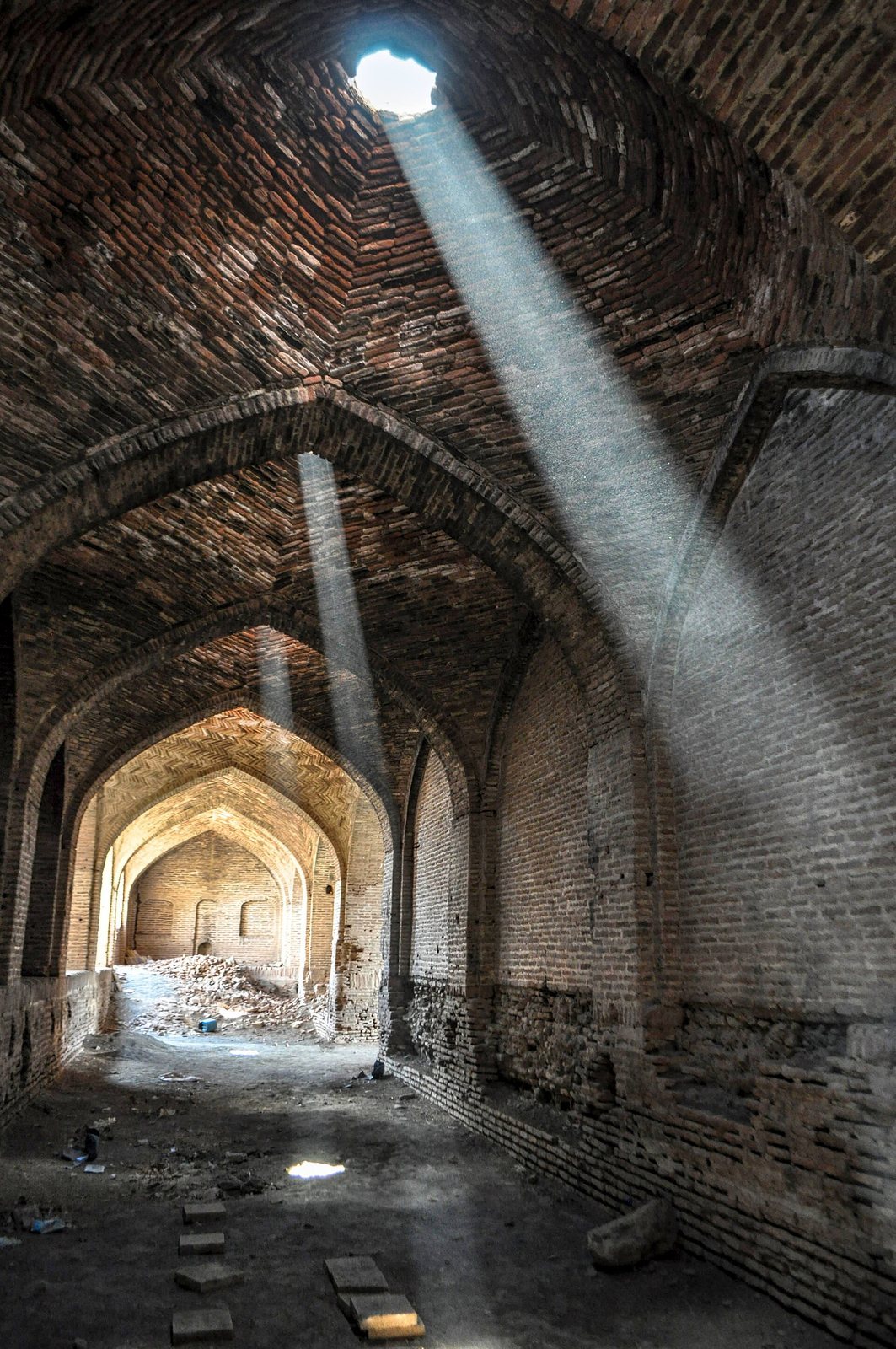
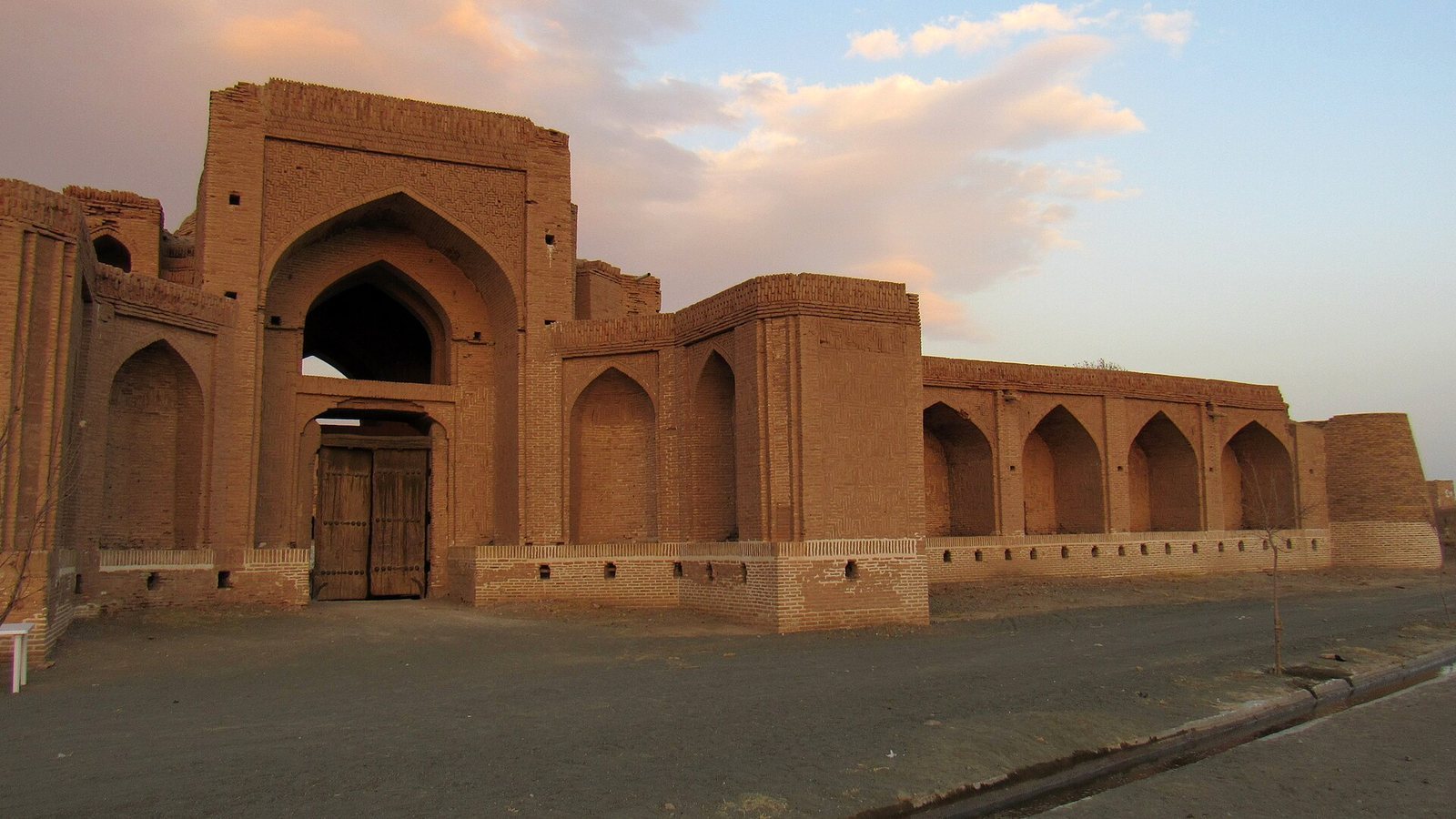
The rectangular caravanserai covers 0.63 hectares and stands at an elevation of 1,035 metres. Its four vaulted halls, or iwans, face a central courtyard, with stables arranged around the structure. A cistern is located on its southwest side. The overall plan is described in terms of rhythm, symmetry, and balance.
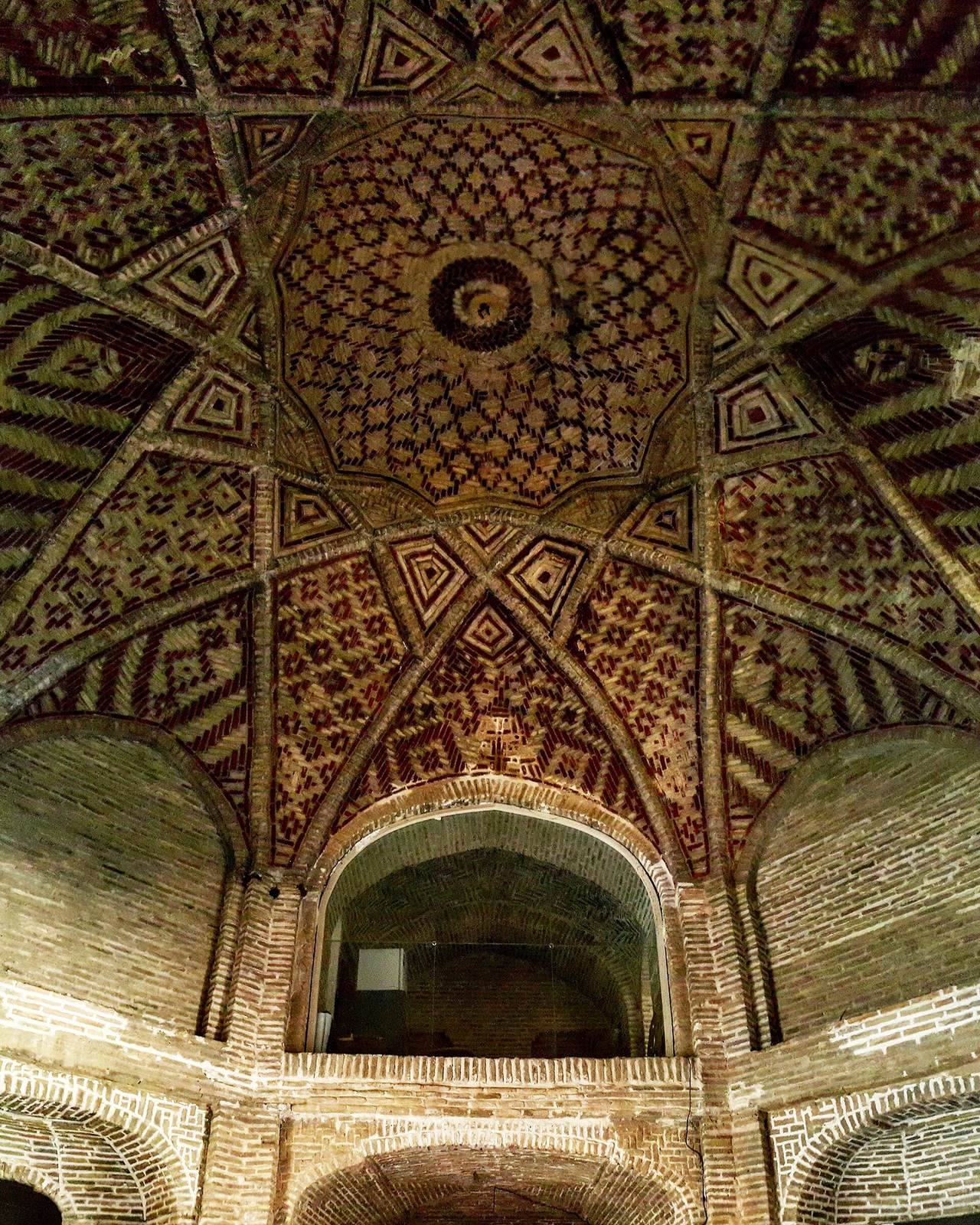
Brickwork, tile, and plaster are among the building materials. Some arched niches have muqarnas decoration, ornamental vaulting formed from small, tiered niches or projecting elements. The Qajar-era complex beside the caravanserai included a guesthouse, a cistern, an icehouse, and a postal relay station.