St Nicholas’ Church, Worth: An Anglo-Saxon Parish Church in England
Site at a Glance
- Rating
- 4.7
- Popularity
- Medium
- Country
- United Kingdom
- Primary era
- Medieval
- Eras represented
- Medieval, Modern
- Civilizations
- Anglo-Saxon, British
- Site type
- Religious
- Remains
- Church
On this page9 sections
History
Anglo-Saxon origins and medieval ownership
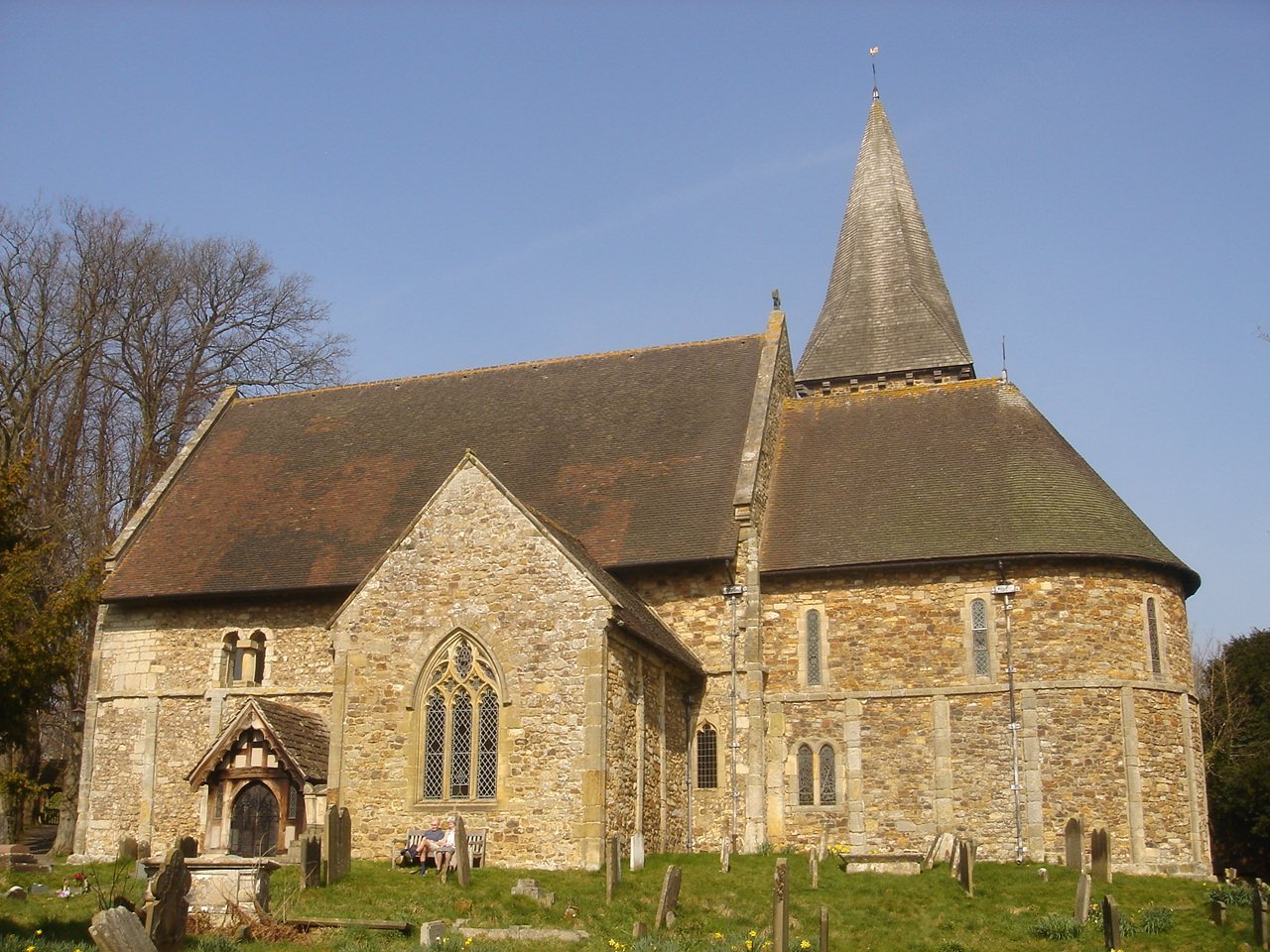
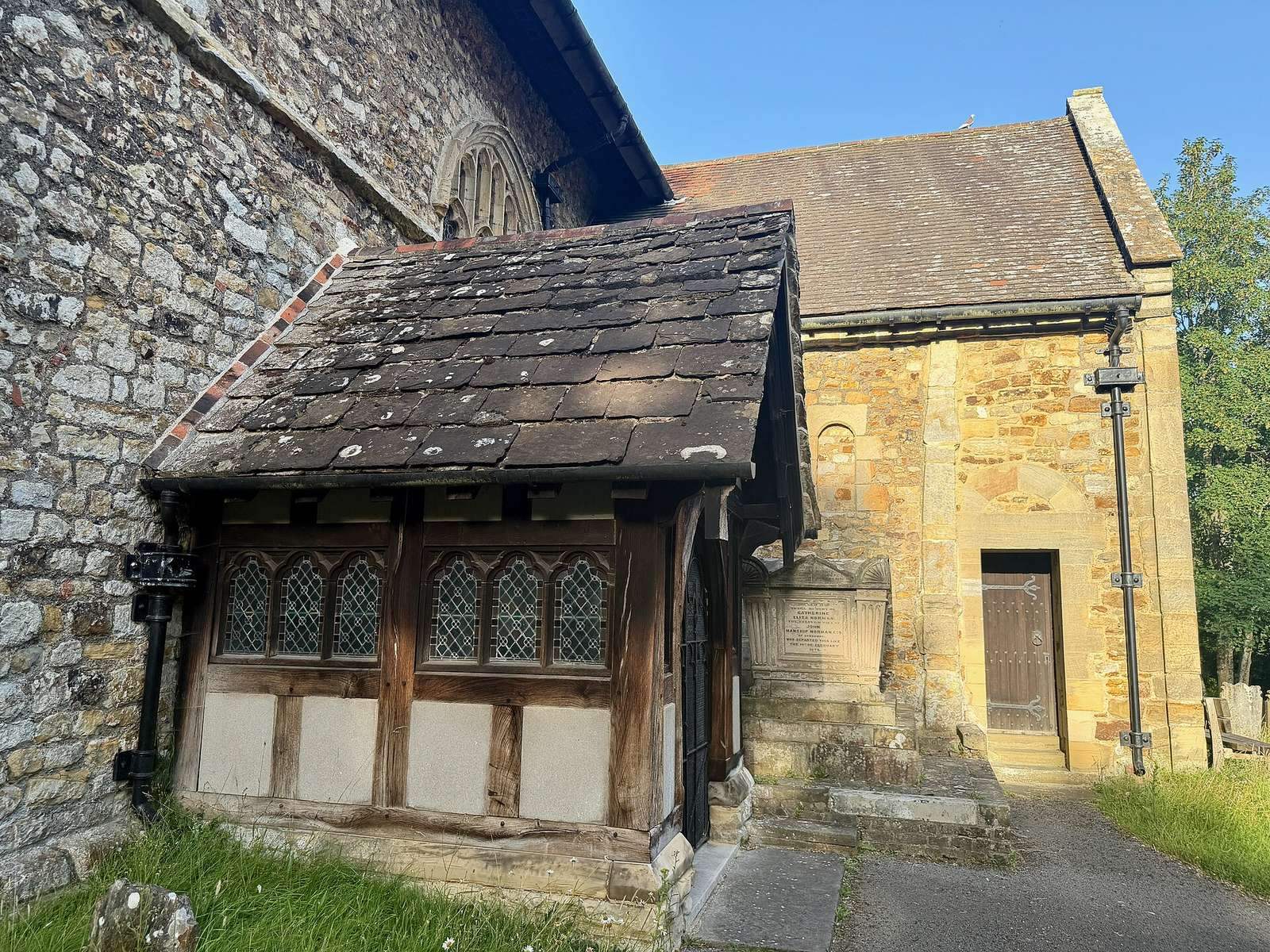
St Nicholas’ Church at Worth is an Anglo-Saxon parish church in the United Kingdom, with a history of Christian worship spanning more than 1,000 years. It is regarded as one of England’s oldest churches and is believed to be the oldest in the country still in continuous use. The reason for building it in a forest is unknown. Its size and relative isolation suggest that it may have served royal or noble visitors drawn to local hunting grounds, as well as the people living nearby.
After the Norman Conquest, the takeover of England by the Normans in 1066, William the Conqueror granted the church to his son-in-law, William de Warenne, a Norman nobleman and landholder. In the fourteenth century it passed from the de Warenne family to the Fitzalans. In 1415 the Fitzalans lost it to the Nevills, Earls of Abergavenny.
Later history and continuing use
A record from 1684 notes three bells and the addition of another. The bells were recast as a ring of six in 1844, then recast again in 1928 by the Croydon firm Gillett and Johnston. In 1997, their pulleys, wheels and clappers were taken to a foundry for refurbishment before being refitted and rehung. Bell-ringing remains part of the church’s weekly routine.
In 1986, a fire began while workmen were treating the roof timbers against vermin. The fire brigade saved the main building, but the timbers were badly damaged and the church became unstable. Restoration was completed in 1988, and archaeological work during the repairs confirmed the date of the original construction.
The church remains an active Church of England parish church, within the Diocese of Chichester and the Archdeaconry of Horsham. It forms part of the parish of Worth, Pound Hill and Maidenbower. Worth was once described as having England’s largest geographical parish. The church is Grade I listed.
Remains
Anglo-Saxon fabric
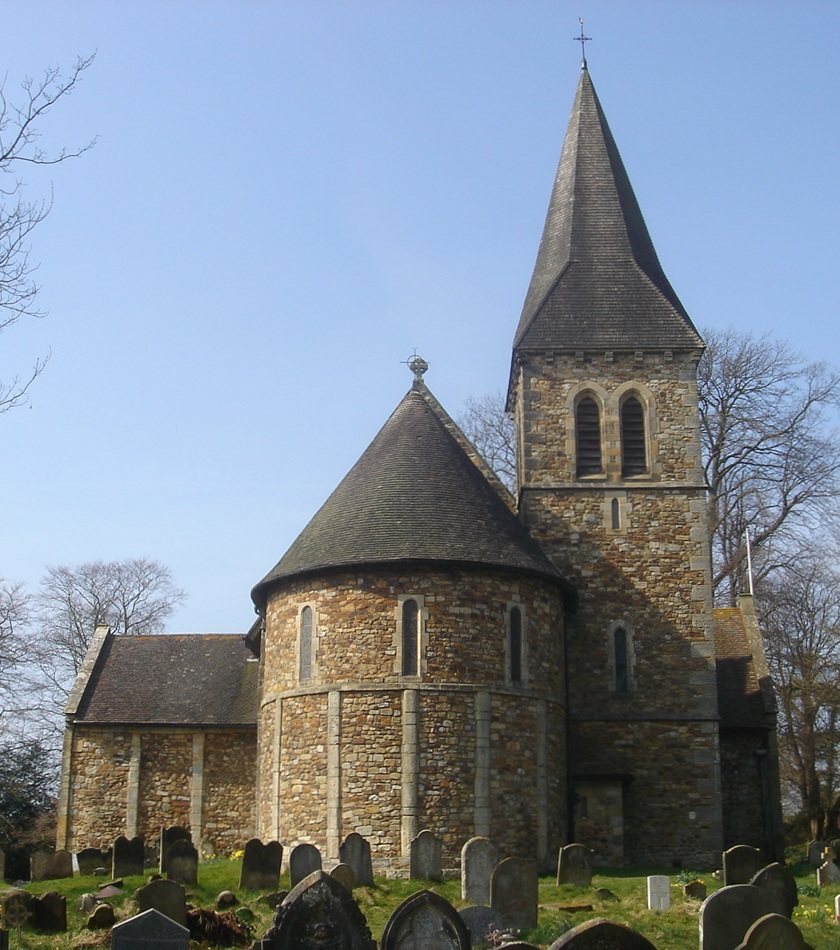
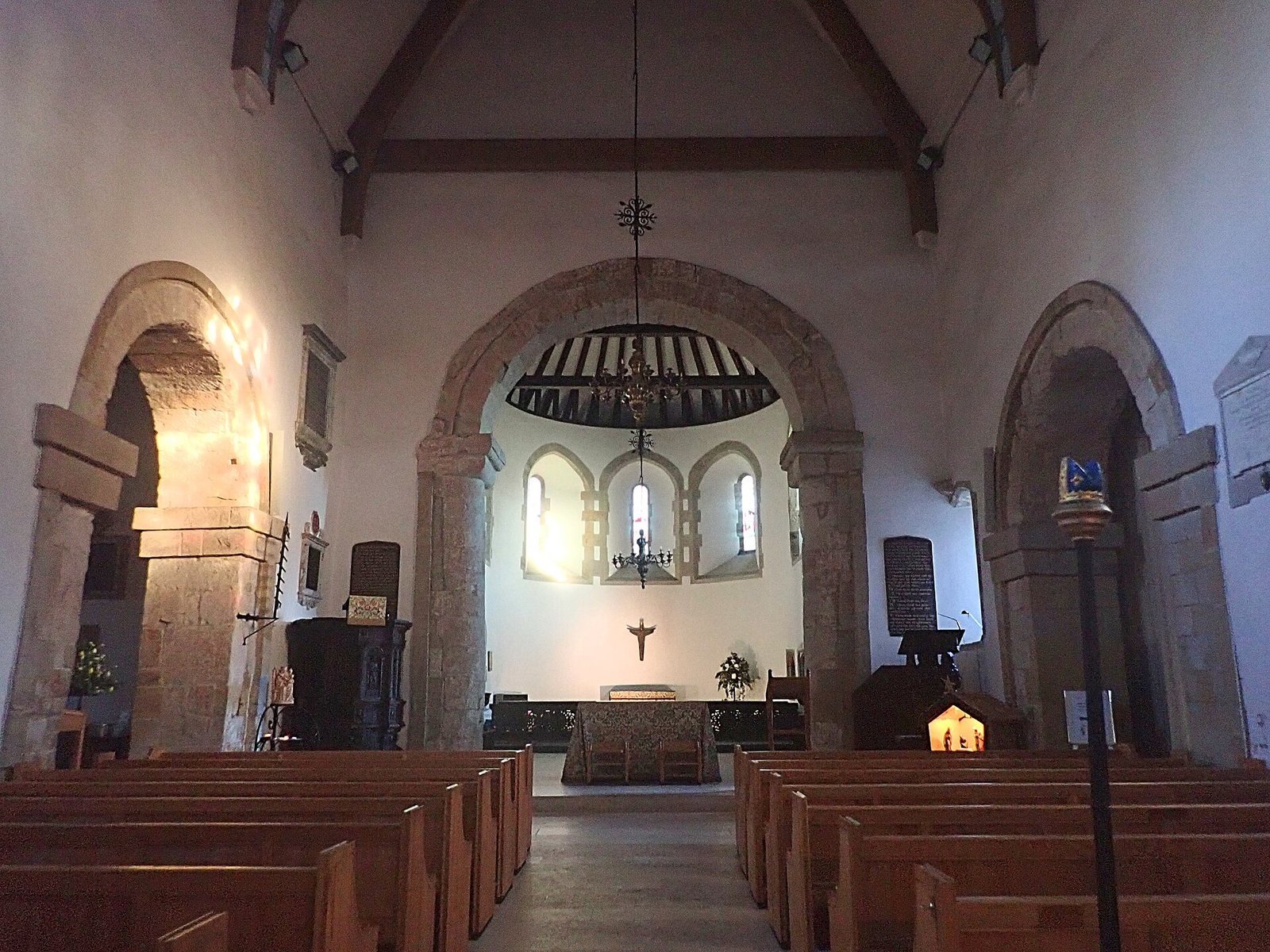
The chancel, the area around the altar, is entered beneath an arch dated to between AD 950 and 1050. The apse, a projecting end of the building, also belongs to this period. The church’s stained-glass windows display the coat of arms of William de Warenne.
Tower
The present tower was added in 1871 by the English architect Anthony Salvin. Its shingled spire rises from the tower through sloping transition faces. The new structure replaced an earlier tower supported on tree trunks.
Bells and frame
The bells hang in an oak frame dating from the 1844 installation. Set on the belfry floor, the frame is about 1.5 metres above the ringers’ heads and was strengthened in 1997. The tenor bell measures 91 centimetres across, weighs 489 kilograms and sounds A; the ring is tuned harmonically to A. Together, the bells weigh more than 36 hundredweight, a traditional unit of weight.
Changes after the fire
Following the 1986 fire, the roof was redesigned and the walls strengthened. New floors and pews were installed. Unlike the earlier pews, the replacements can be moved; the old ones were considered impossible to reinstall.
Churchyard
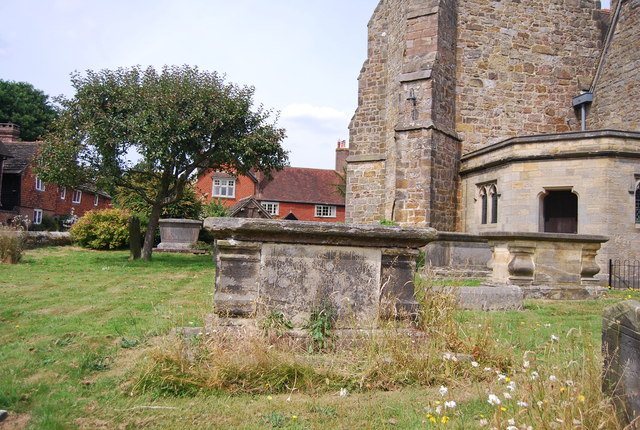
The churchyard contains the grave of engineer Robert Whitehead, whose work contributed to the development of the modern torpedo. Its epitaph reads, “His fame was known by all nations hereabouts,” and blue railings border the plot. The churchyard also holds Commonwealth war graves for four British Army soldiers and one Royal Navy officer who died in the First World War, and for one British Army officer and one Indian Army officer who died in the Second World War.