Jamal Garhi: An Ancient Buddhist Monastery in Pakistan
Site at a Glance
- Popularity
- Medium
- Country
- Pakistan
- Primary era
- Classical
- Eras represented
- Classical
- Civilizations
- Gandharan
- Site type
- Religious
- Remains
- Monastery
On this page6 sections
History
Buddhist monastic period
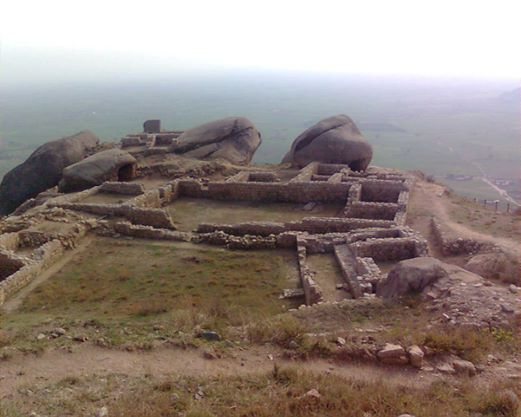
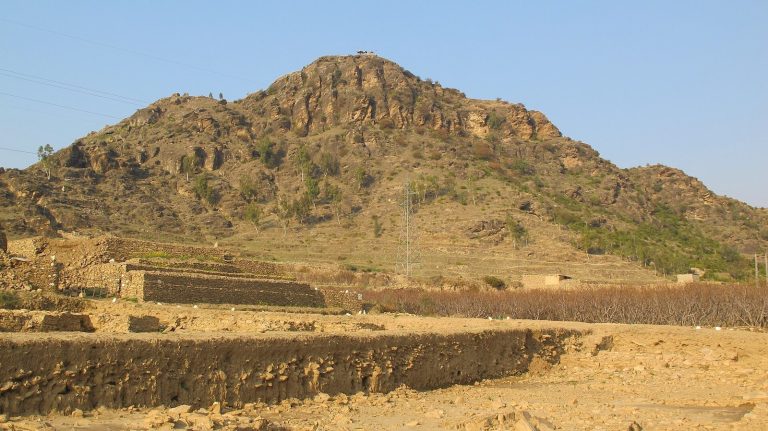
Jamal Garhi is an ancient Buddhist monastic site in Khyber Pakhtunkhwa, Pakistan, about 13 km from Mardan. It formed part of Gandhara, a historic region and cultural sphere in northwestern South Asia, and served as a monastery from the first through fifth centuries CE, when Buddhism flourished in the region. The site is also known locally as Jamal Garhi Kandarat and Kafiro Kote.
Rediscovery and excavation
Sir Alexander Cunningham identified the ruins in 1848. Colonel Lumsden opened a stupa in 1852. A stupa is a Buddhist monument often associated with relics or commemoration, and the excavation yielded little of value. Lieutenant Cromten excavated the site in 1871, bringing numerous Buddhist sculptures to light. Examples are now held in collections at the British Museum and the Indian Museum in Calcutta.
In 2012, Hazara University students excavated at Jamal Garhi with support from the Japanese government and UNESCO, the United Nations agency concerned with education, science and culture. Preservation projects have also been pursued amid concerns that substantial parts of the site were lost in the past.
Remains
Monastery precinct
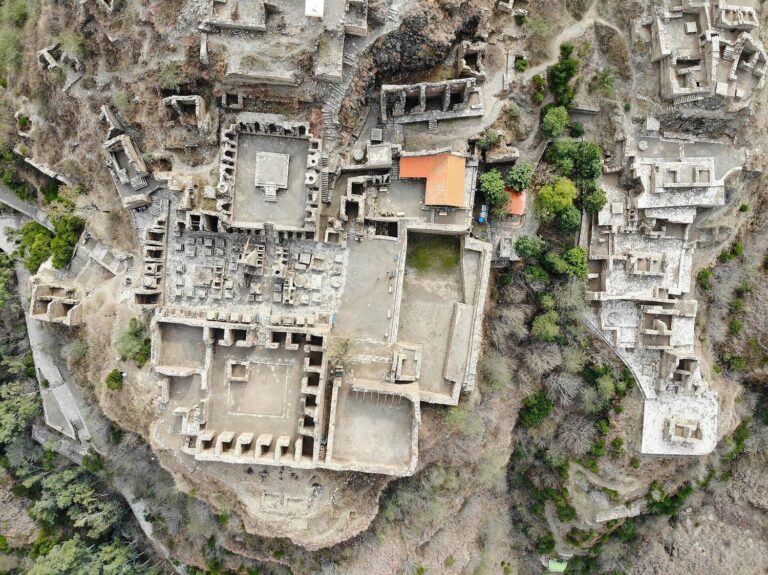
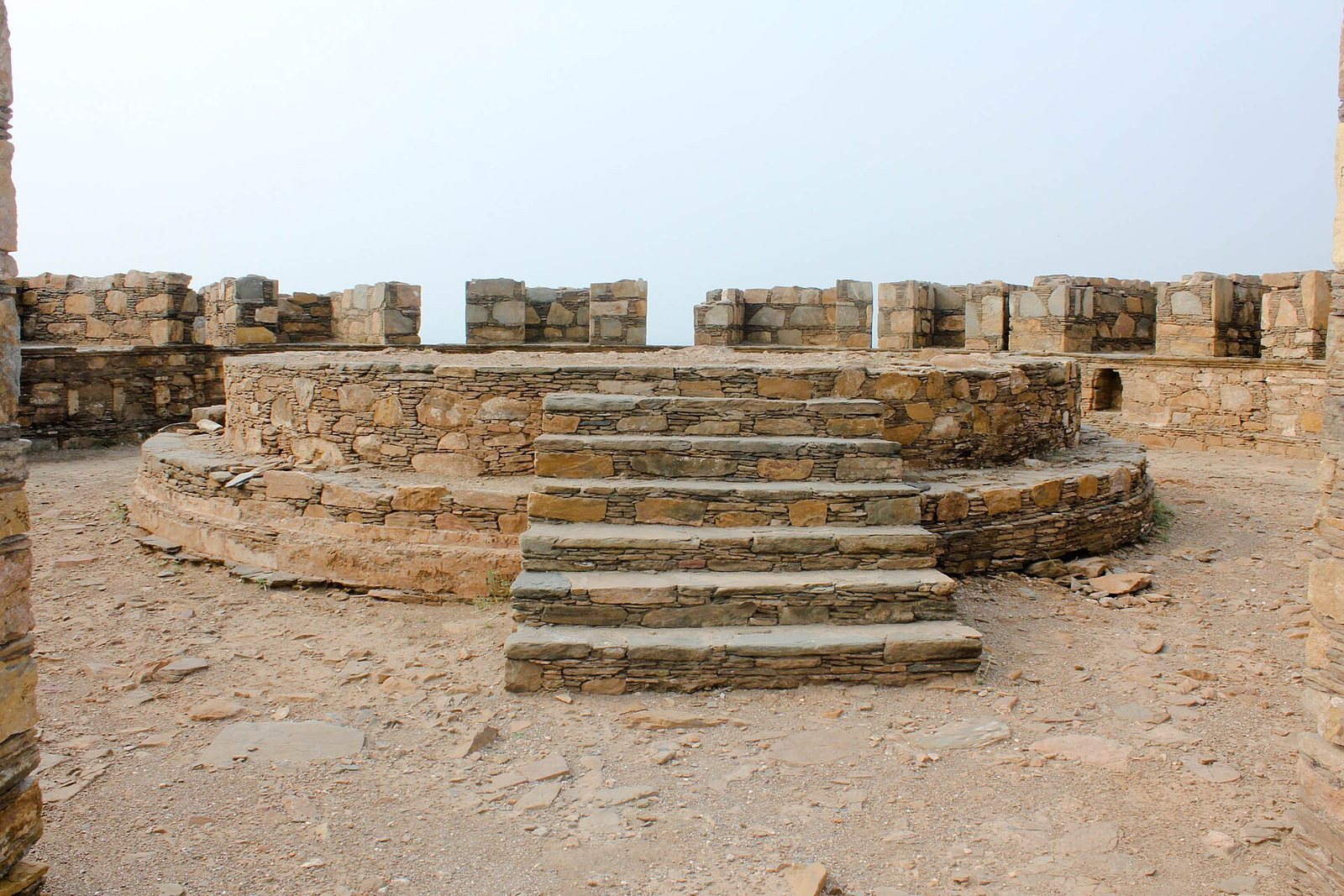
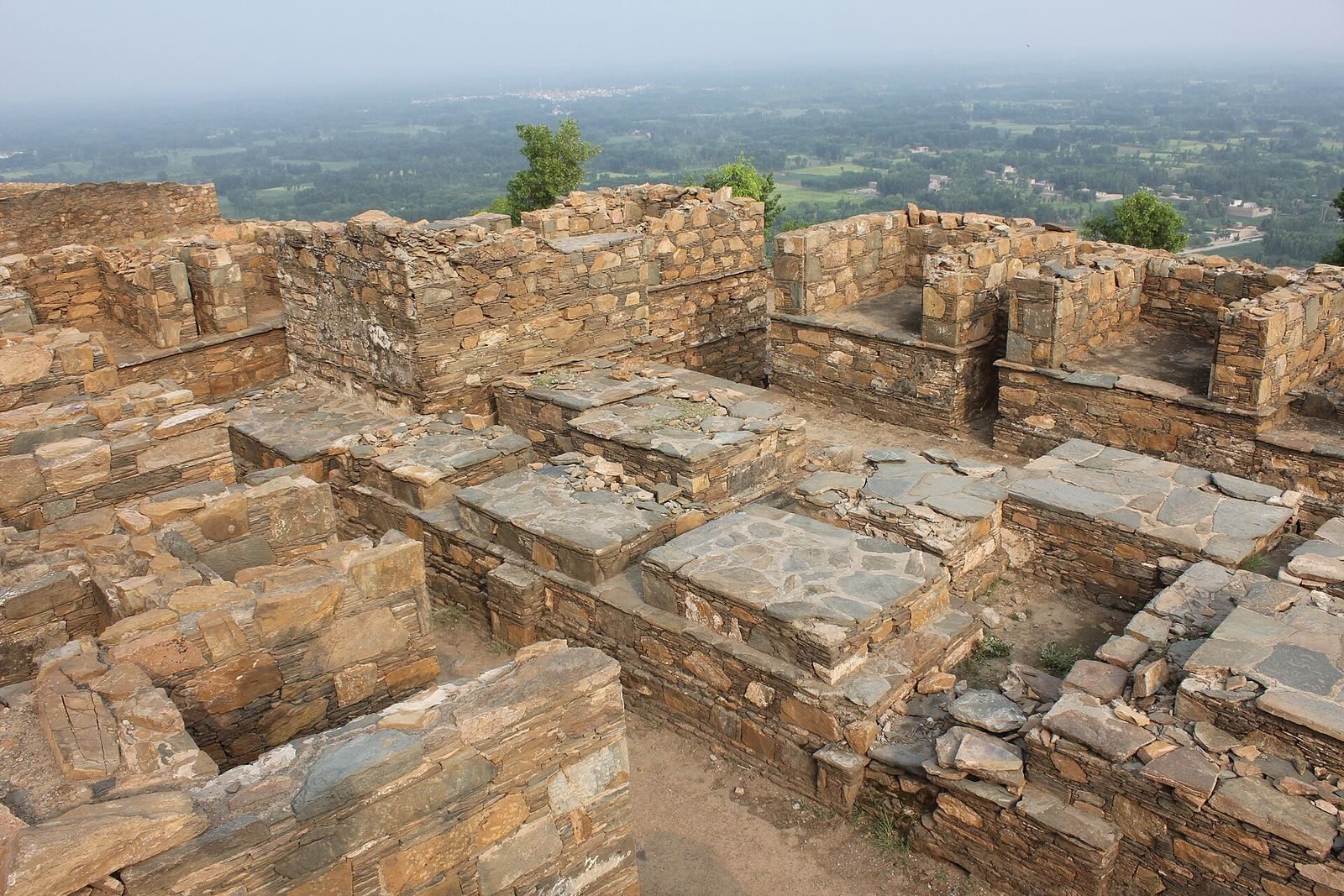
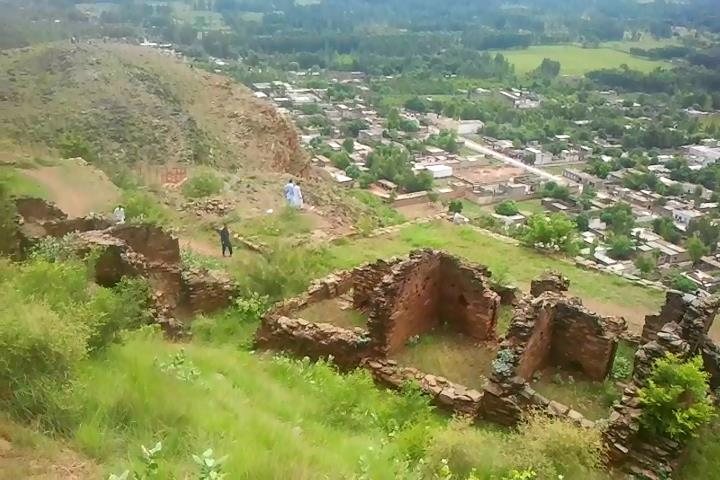
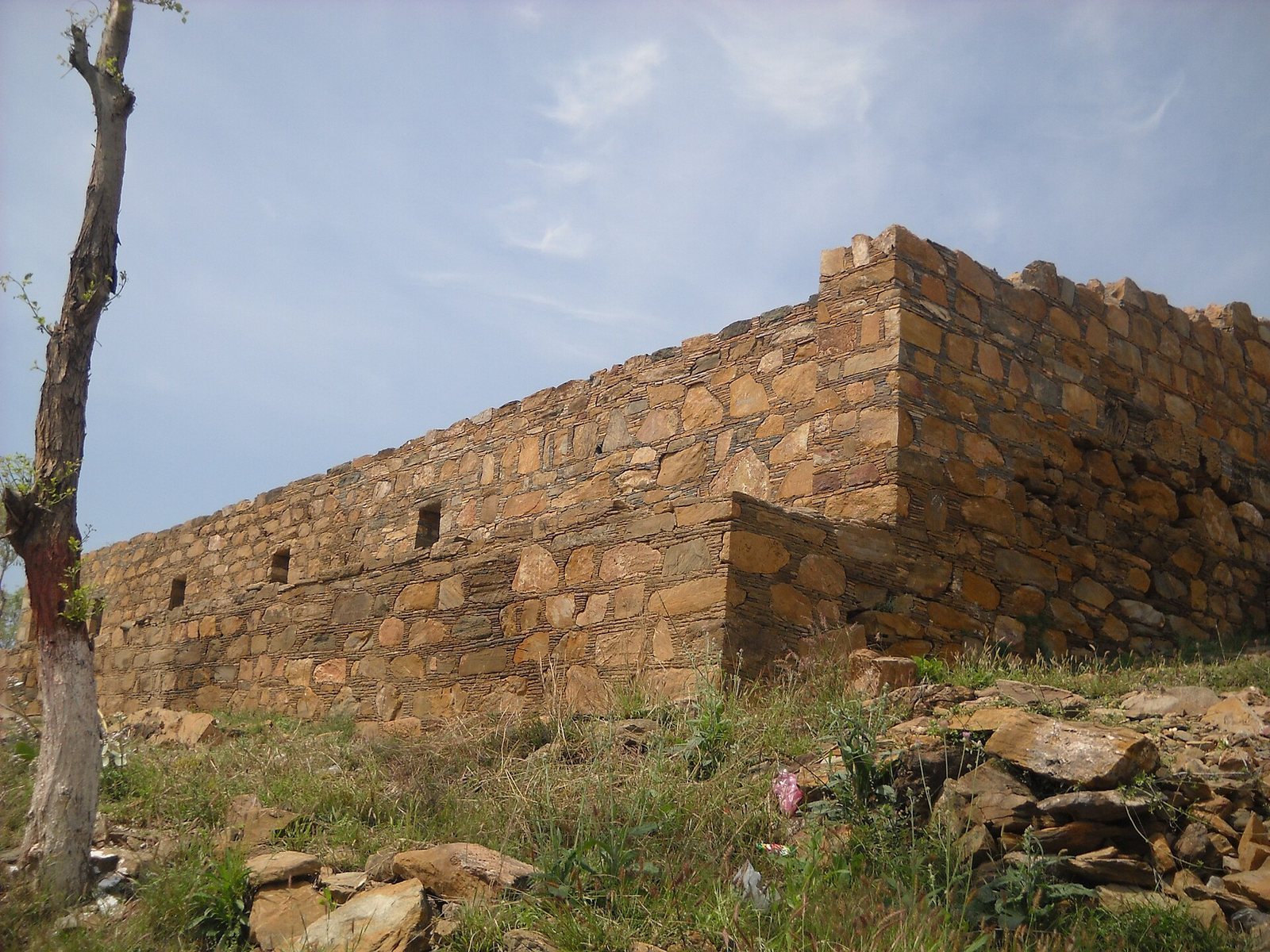
Chapels cluster around the monastery and its circular main stupa. The complex also includes a court of votive stupas, Buddhist monuments dedicated as offerings, and a water tank. Remains of a two-storey house with five rooms and traces of a lake add to the surviving picture of the site’s layout.
Sculpture and archaeological finds
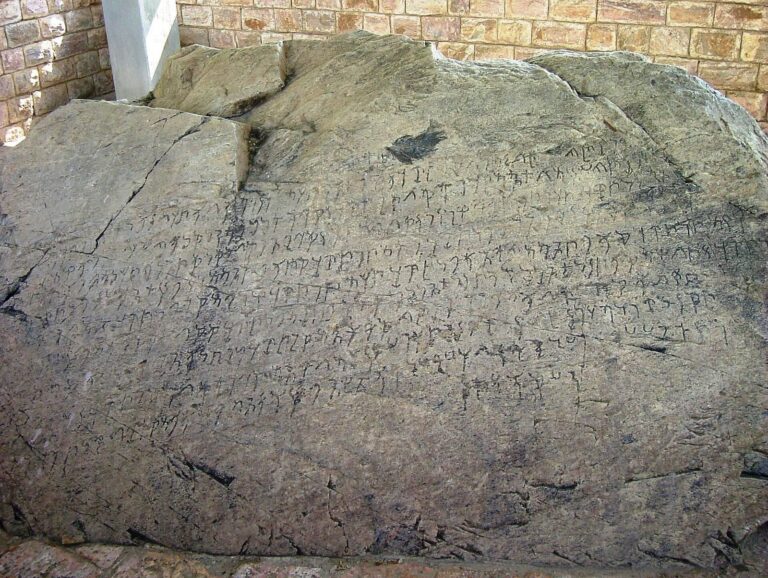
Sculptural remains include stair friezes, decorative arches, hunting and wedding scenes, revelers, a Buddha with a nude Vajrapani, a Buddhist protective figure, and scenes of miracles at Sravasti and Uruvilva. Indo-Corinthian capitals, combining South Asian forms with elements associated with Corinthian architecture, and carved elephants are linked to the stupa base. Finds from the 2012 excavation included coins dated 158–195 CE, thought to be associated with Huvishka, a Kushan Empire ruler, along with a Buddhist image and an inscription in Kharoshti, an ancient script used in Gandhara and neighboring regions. A Kharoshti inscription from the monastery is now held at Peshawar Museum. A seated Buddha found near Jamal Garhi, dated to 300–500 CE, is displayed at the Asian Art Museum in San Francisco.