St Michael at the North Gate: Oxford’s Parish and Ceremonial City Church
Site at a Glance
- Rating
- 4.6
- Popularity
- Medium
- Country
- United Kingdom
- Primary era
- Medieval
- Eras represented
- Medieval, Modern
- Civilizations
- Anglo-Saxon, British
- Site type
- Religious
- Remains
- Church
On this page8 sections
History
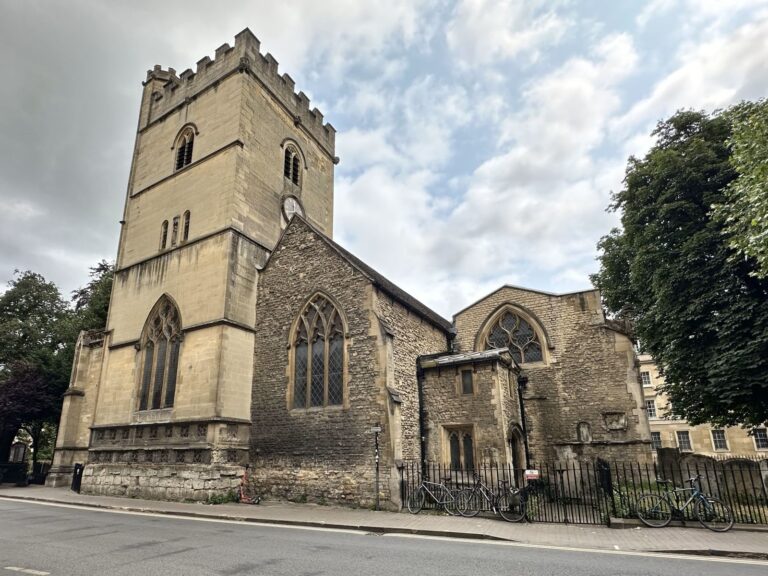
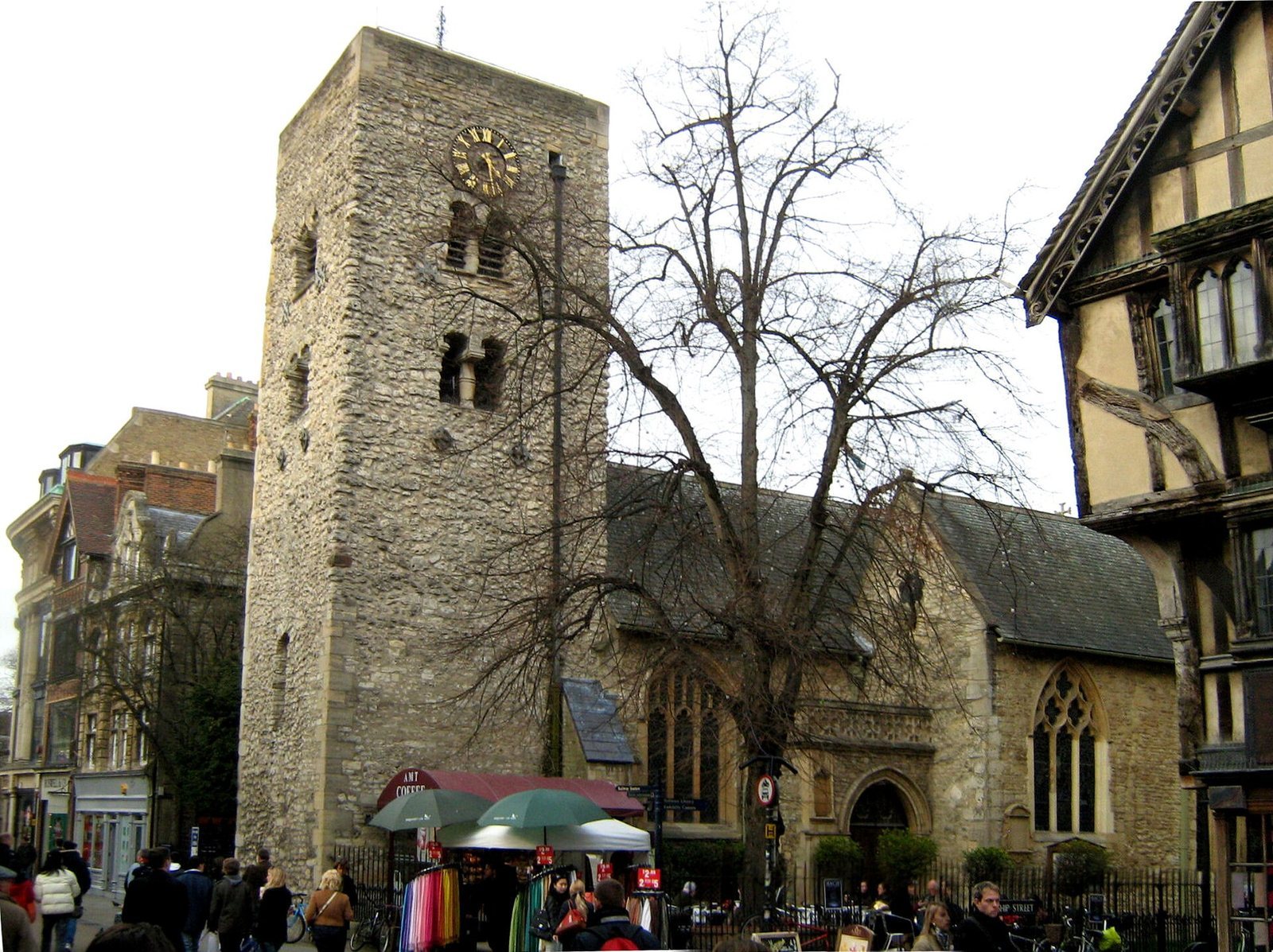
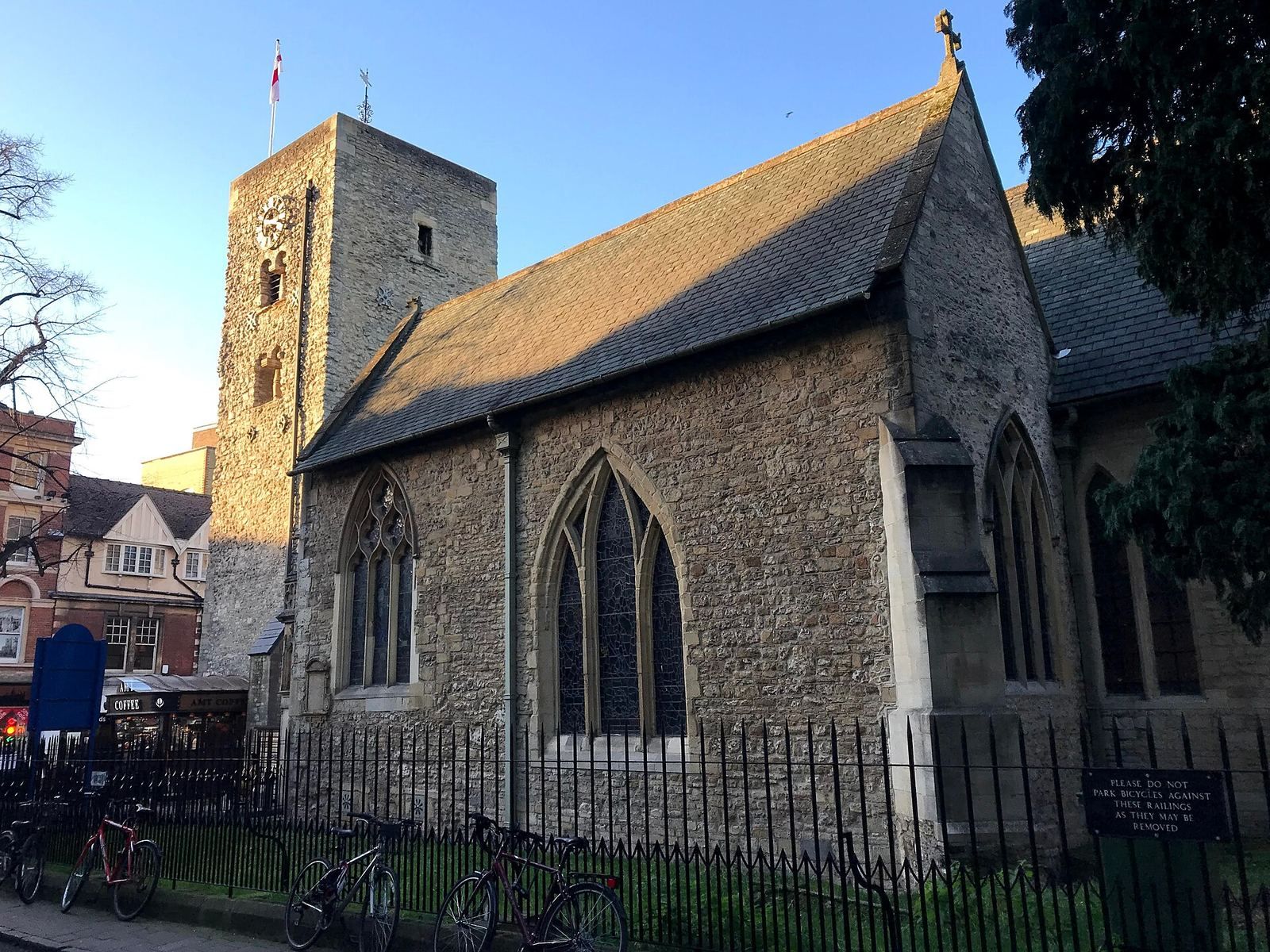
St Michael at the North Gate is a church in Oxford, United Kingdom, built around 1000–1050. Its surviving tower is Anglo-Saxon, and the church claims to be Oxford’s oldest building. It is dedicated to the archangel Michael and belongs to the Church of England, the Anglican church in England.
Early history and reconstruction
In 1555–56, Protestant religious leaders known as the Oxford Martyrs were held in Bocardo Prison beside the church. During the reign of Mary I, they were burned at the stake in Broad Street, then just beyond Oxford’s city walls.
A rebuilding campaign took place in 1833, altering parts of the church.
Victorian and later parish history
On 25 April 1859, the British designer and writer William Morris married Jane Burden, an artist’s model and embroiderer, at the church.
St Michael’s civic role grew after St Martin’s Church at Carfax was demolished in 1896, leaving its tower. The City Church title then passed to All Saints’ Church in the High Street. When All Saints’ was declared redundant in 1971 and later became Lincoln College’s library, the title transferred to St Michael’s. The church has since served as Oxford’s ceremonial City Church, where the mayor and the city’s municipal governing body are expected to worship. The parishes of St Martin’s and All Saints’ were joined with St Michael’s parish.
A parish custom observed on Ascension Day, the Christian feast marking Jesus’s ascension into heaven, involves parishioners and the vicar processing around the old boundary stones. The vicar chalks a cross on each stone, while churchwardens strike them with willow wands and call, “Mark, mark, mark!”
Remains
The church stands at the junction of Cornmarket Street and Ship Street, on the former site of Oxford’s north gate, from the time when a wall enclosed the city. Its walls are built of Coral Rag, a type of limestone used as building stone.
Historic fabric and features
Tower and displayed objects
The surviving tower dates to 1040. An original clockwork mechanism is associated with it. A door from the cell where the Oxford Martyrs were imprisoned is displayed in the tower, as is the marriage certificate of William Morris and Jane Burden.
North aisle and transept
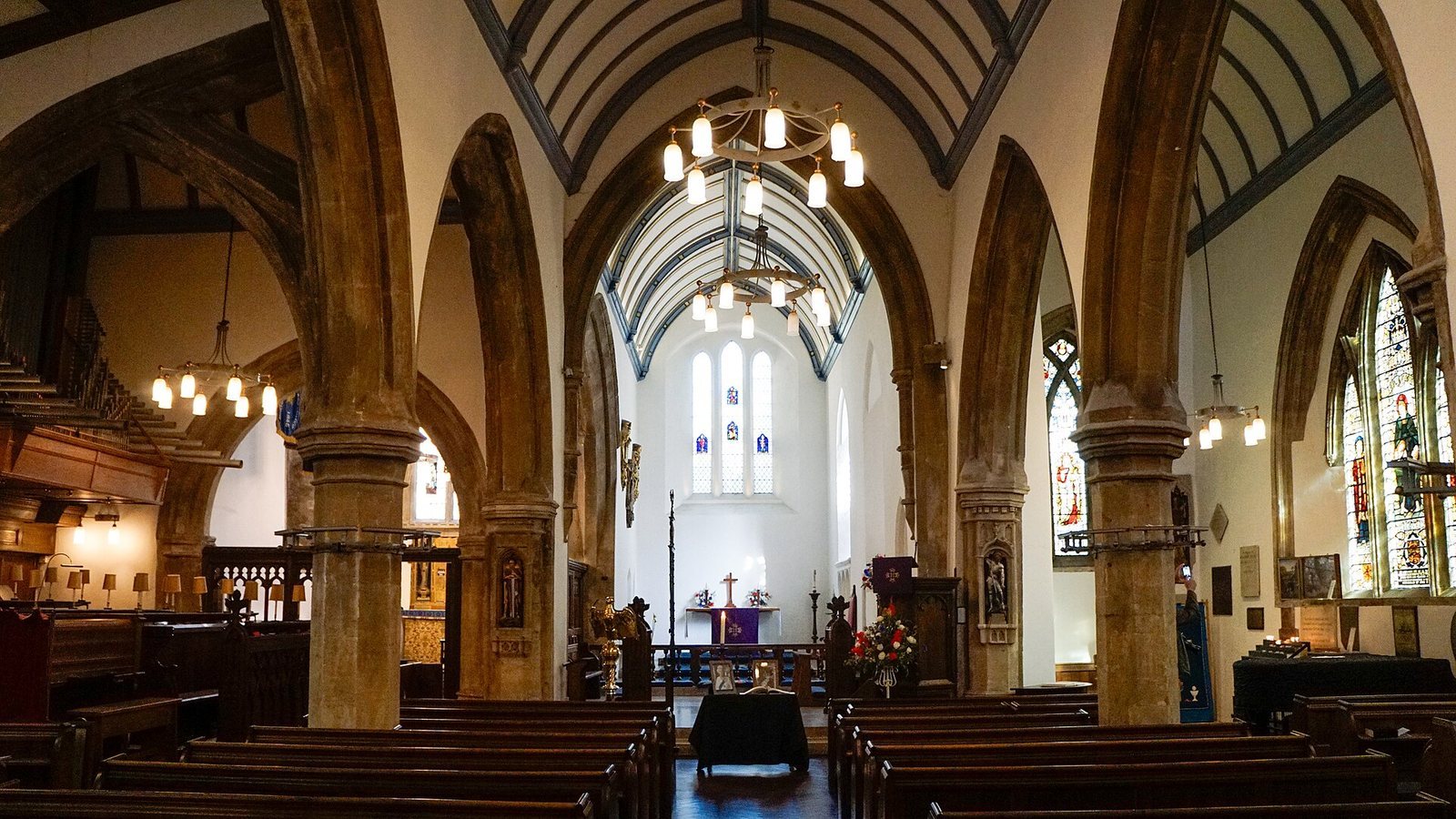
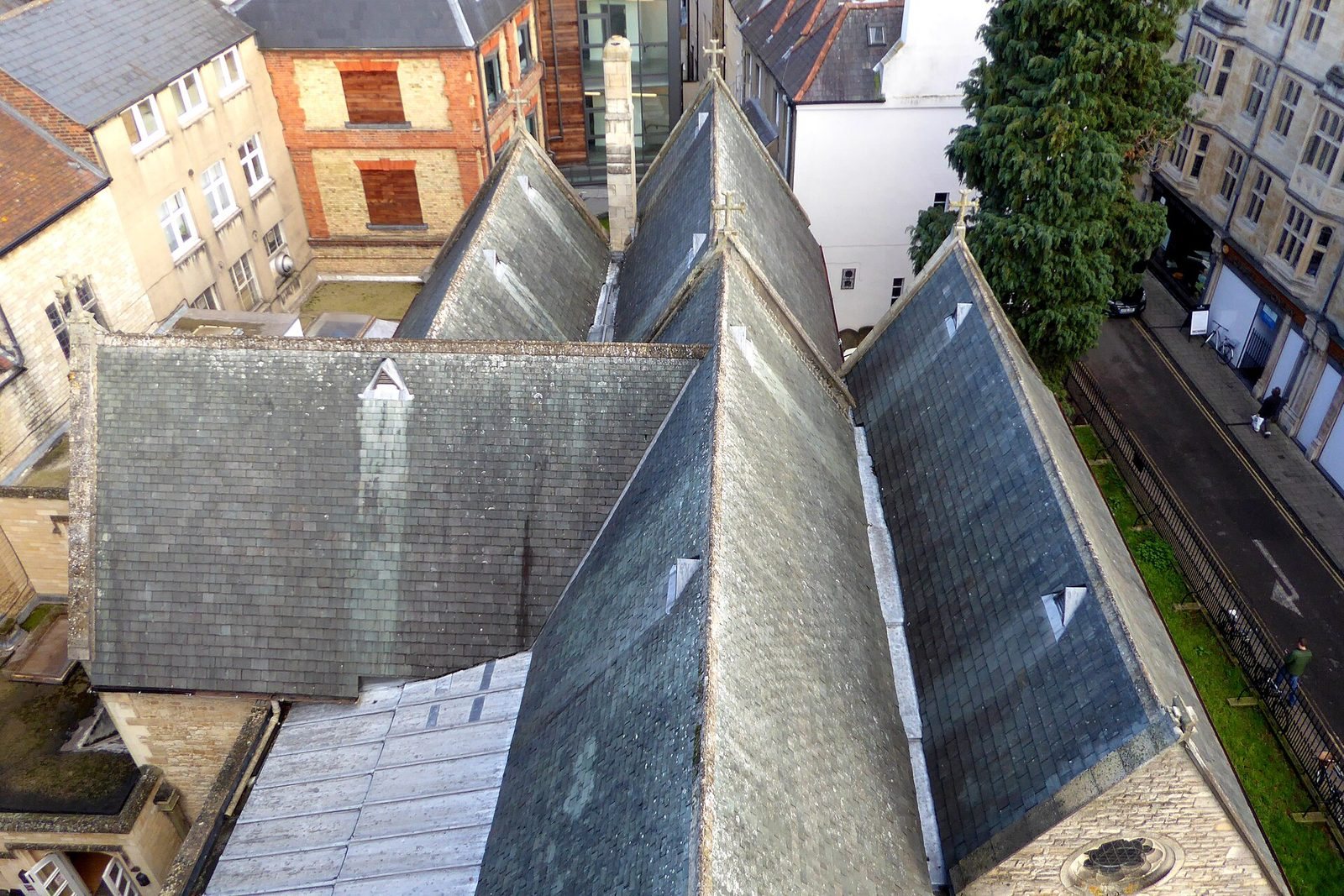
The church’s north aisle and transept, the crosswise section of the building, were rebuilt in 1833 and remain part of the church.
Pulpit and carving
John Wesley’s pulpit is on view in the church. Wesley was an eighteenth-century Anglican clergyman who became a founder of Methodism. A sheela na gig, a type of medieval stone carving that commonly depicts a female figure exposing her vulva, is also associated with the church. In 1934, folklorist Margaret Murray recorded a tradition that brides were shown the carving on their wedding day.