Franciscan Monastery in Kazimierz Dolny: A Church and Monastic Complex
Site at a Glance
- Rating
- 4.8
- Popularity
- Medium
- Country
- Poland
- Primary era
- Early Modern
- Eras represented
- Early Modern, Modern
- Civilizations
- Kingdom of Poland, Polish–Lithuanian Commonwealth, Russian
- Site type
- Religious
- Remains
- Fortified Monastery
On this page11 sections
History
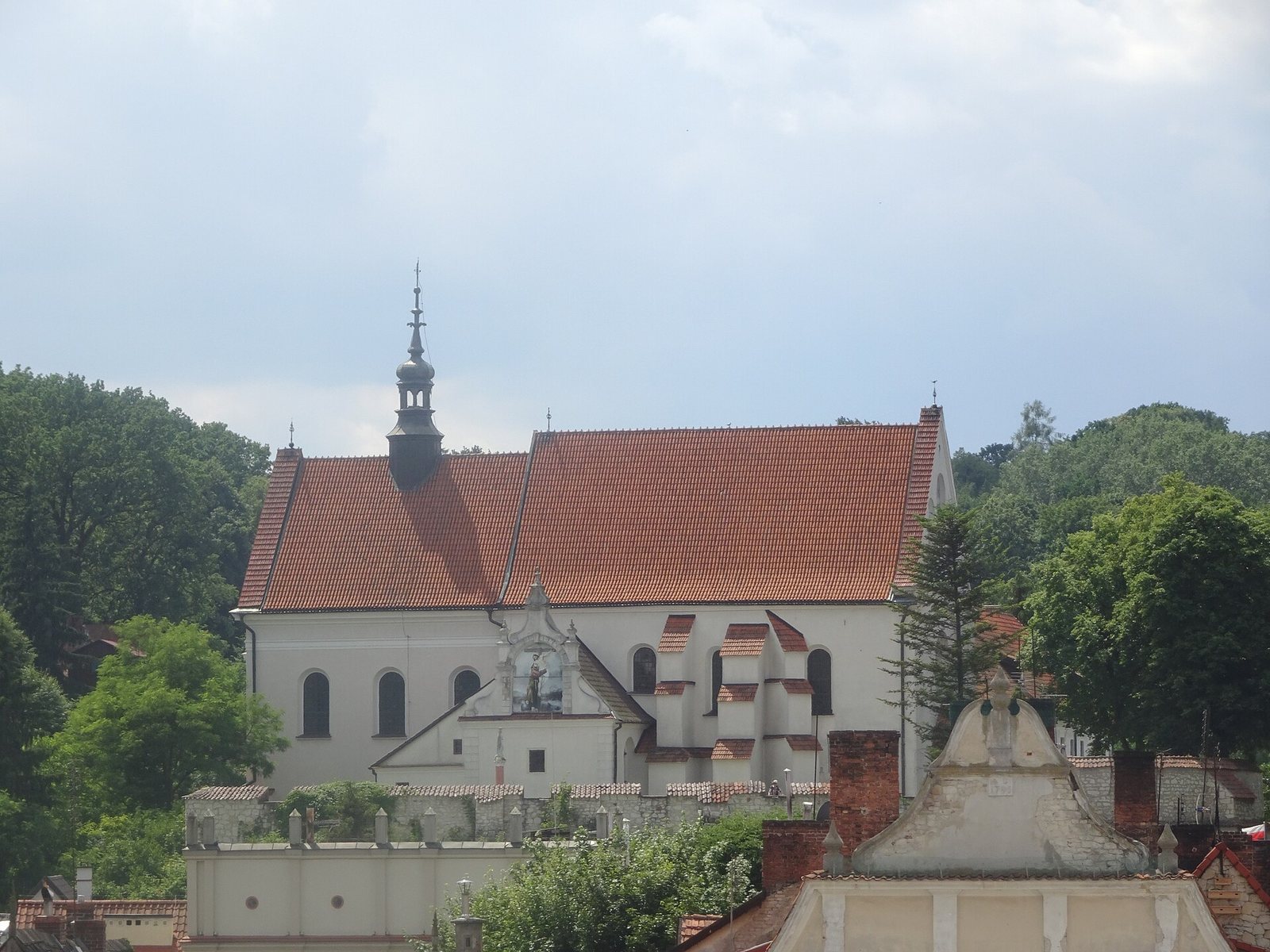
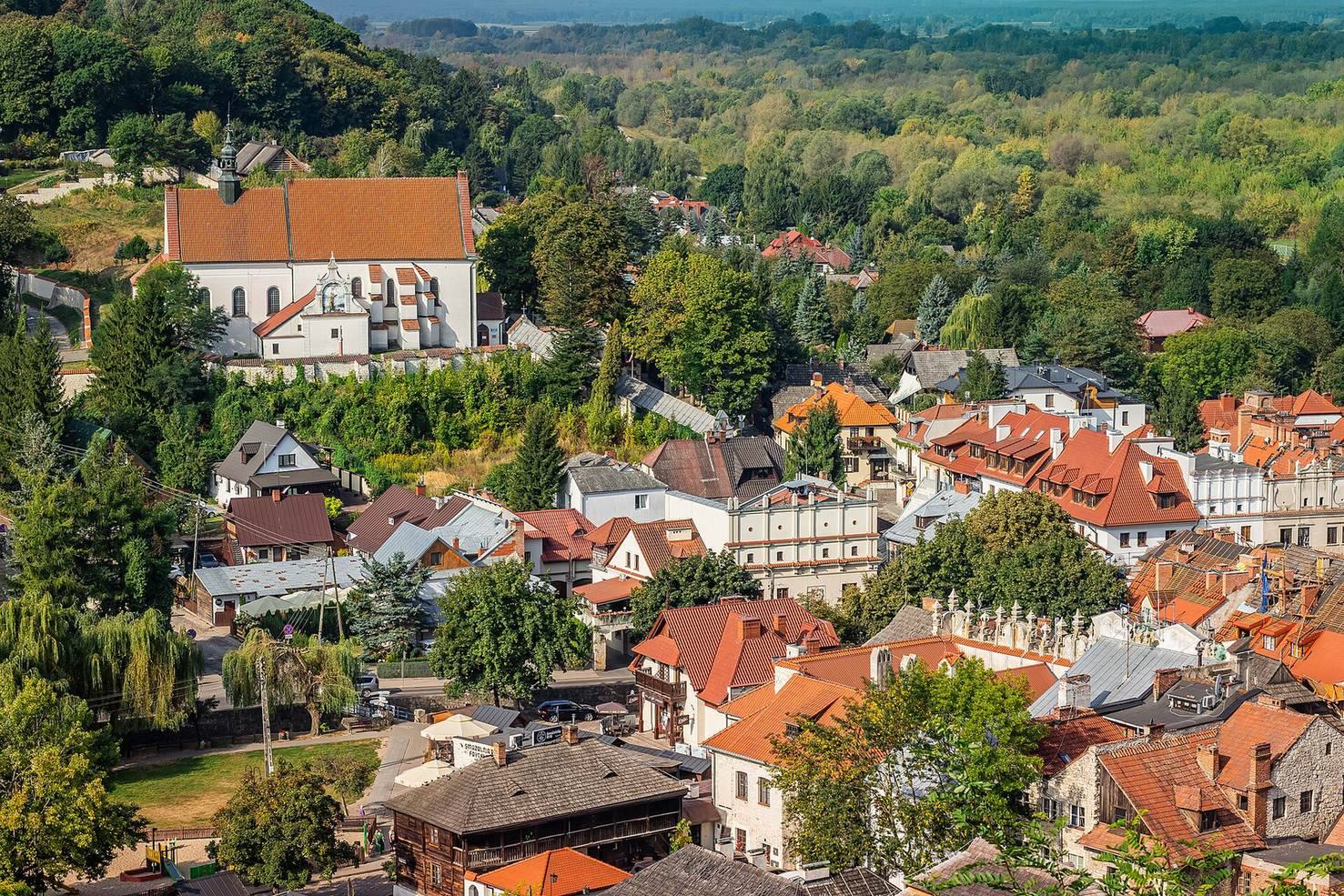
The Franciscan Monastery in Kazimierz Dolny is a church-and-monastery complex in Poland, centered on the Church of the Annunciation of the Blessed Virgin Mary. Its dedication recalls the Christian account of the angel Gabriel announcing to Mary that she would bear Jesus. The complex is dated to 1589–1668, and the monastery building was constructed in stages from 1639 to 1668. The brick church is Baroque, an architectural style associated with elaborate forms.
Foundation and Franciscan development
Townsmen Bartłomiej Przybył and Mikołaj Przybył founded the small church. Paweł Dembski, an auxiliary bishop of Krakow, consecrated it on 11 August 1591. Reformed Franciscans settled there in 1627, invited by Henryk Firlej, then abbot of Tyniec and later bishop of Przemyśl.
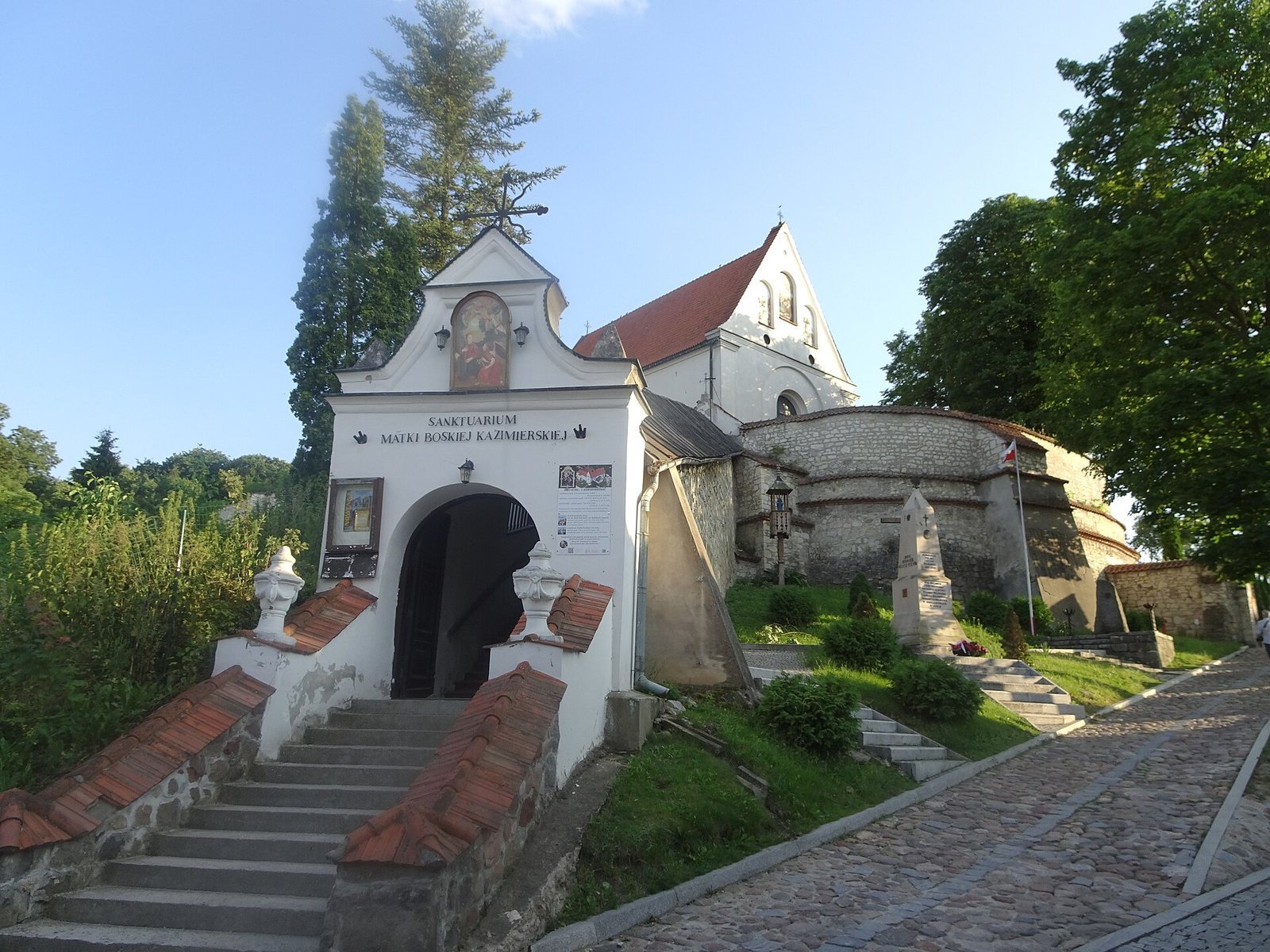
The Reformed Franciscans were a branch of the Order of Friars Minor, the Franciscan order founded by Francis of Assisi, and sought stricter observance of its rule. The monastery belonged to the Province of Our Lady of the Angels, a regional division of the order. The friars enlarged the church over time. Piotr Cieszkowski funded defensive walls and stairs around the complex, later joined the religious community as a brother, and died in Kazimierz Dolny in 1709.
Fire, closure, and return
A fire on 27 June 1827 severely damaged the complex, after which the church was restored. The monastery closed in 1865, and the Reformed Franciscans were transferred to Pińczów. They returned to Kazimierz Dolny in 1928.
Occupation and later uses
During the Nazi occupation, the Gestapo used the monastery from October 1942 to July 1944 and turned its cellars into a prison. The Franciscans lived in town but continued to serve the church. From 1945 to 1958, part of the buildings housed a boarding school for boys attending secondary schools. Father Wenanty Miziniak helped establish a museum in the monastery in 1956.
The Annunciation image in the main altar has long been venerated for graces attributed to it. It received a papally authorized crown at Wąwolnica on 31 August 1986, a Catholic rite known as a papal coronation, during the Fifth National Mariological and Marian Congress. An annual feast marking the coronation is observed on the first Sunday of August.
Remains
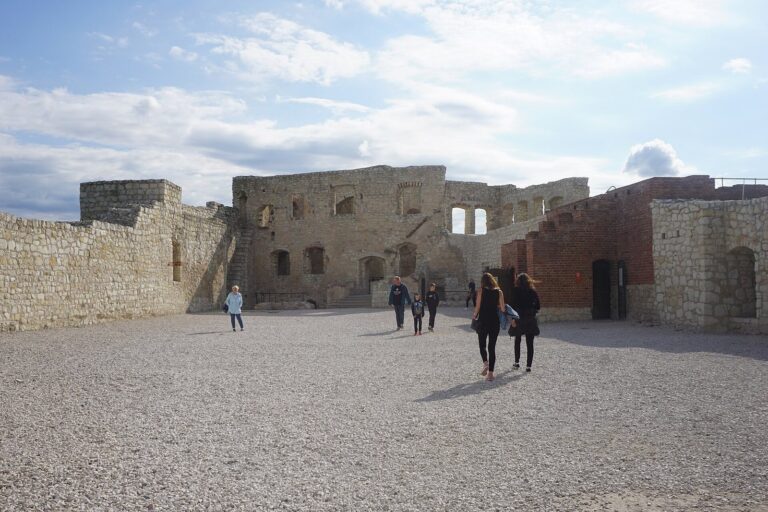
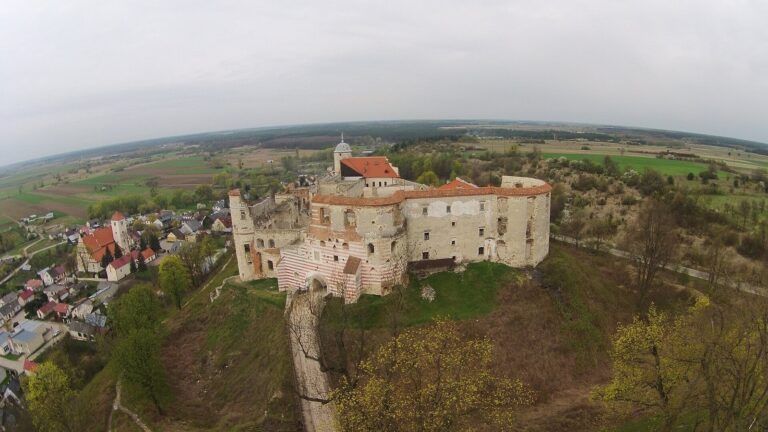
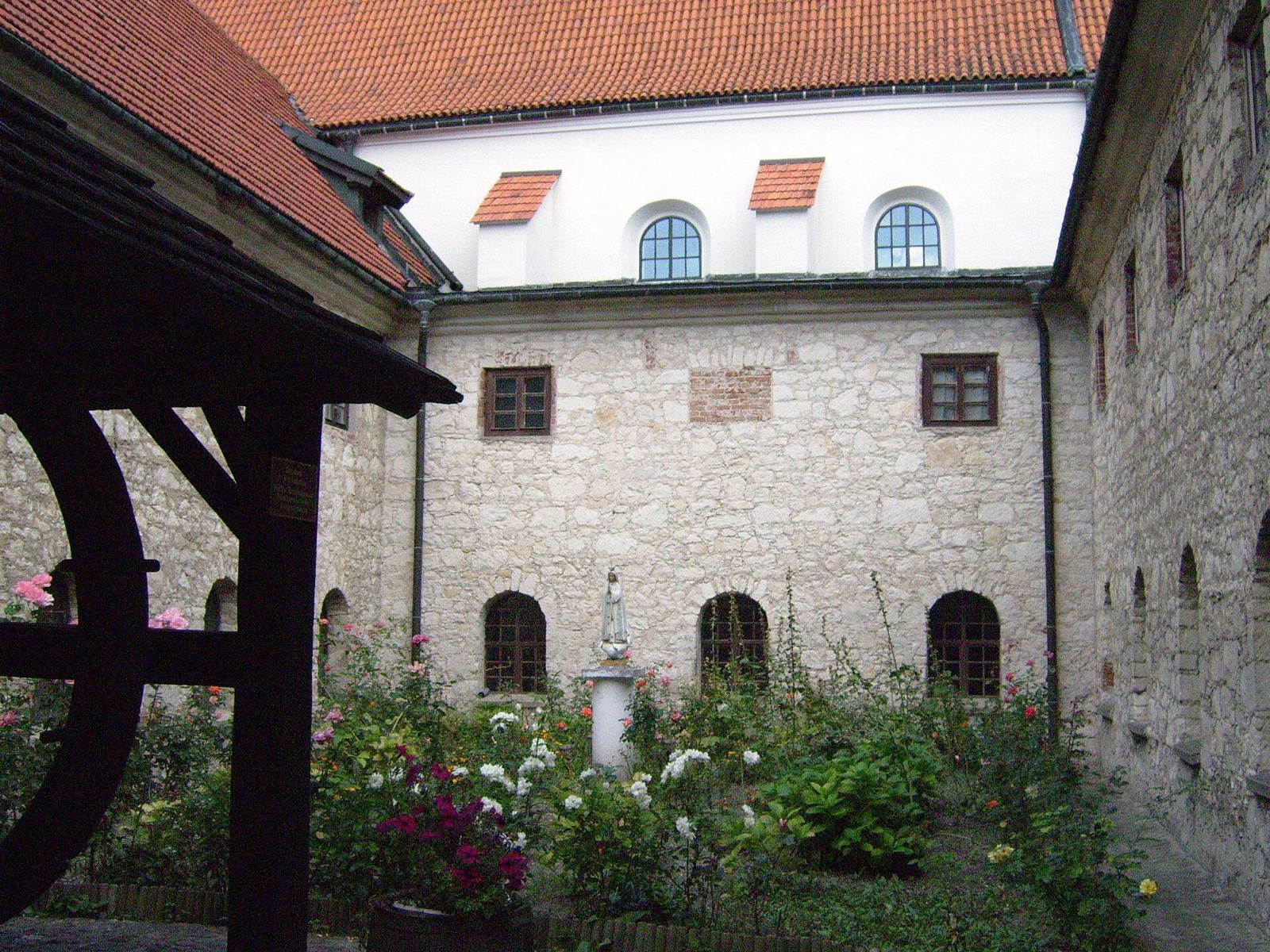
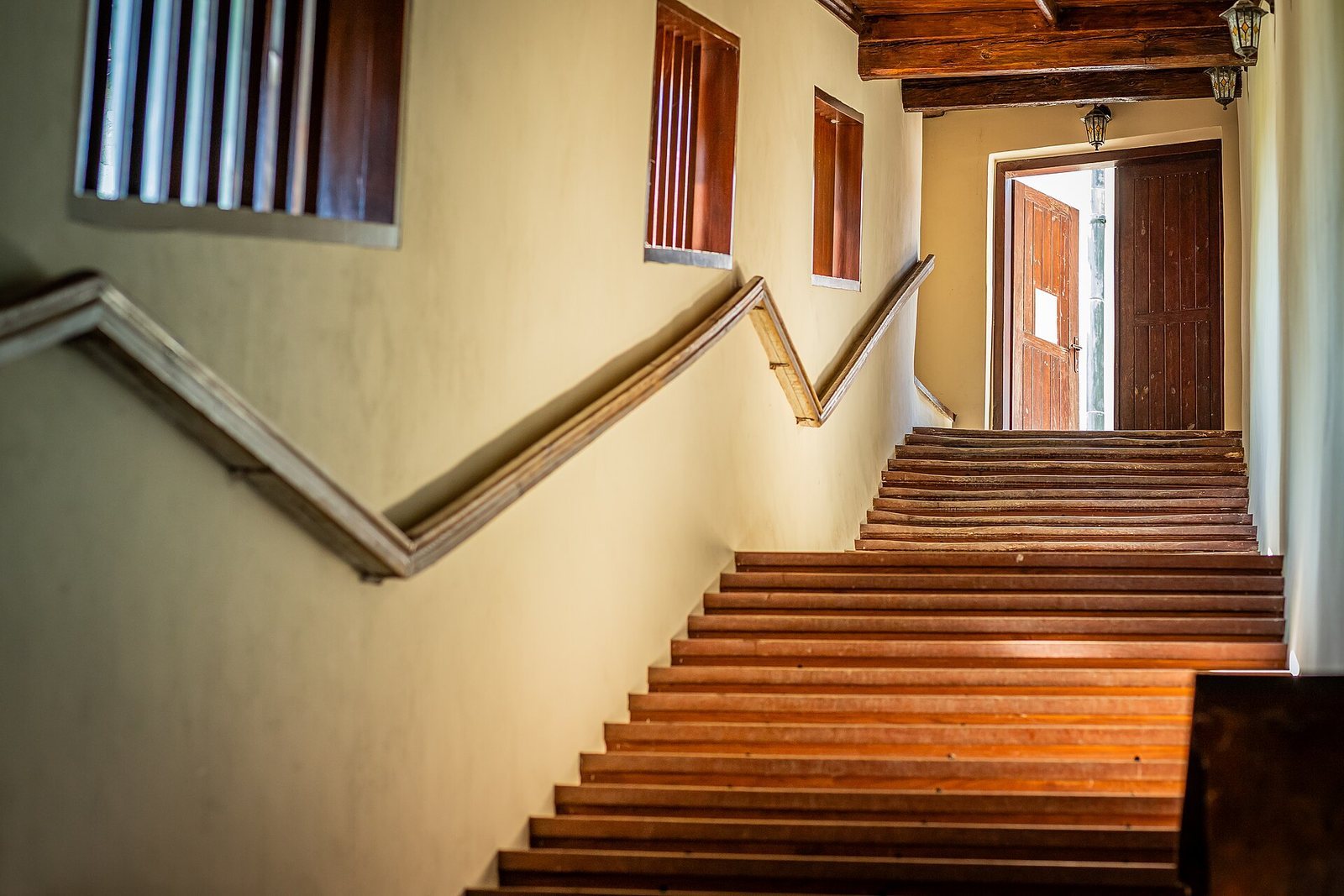
Defensive walls enclose the church and monastery, and a historic staircase leads to the church entrance. The complex includes the church, adjoining monastic spaces, and devotional features on the surrounding grounds.
Church structure
The brick church’s overall form gained features of Classicism, a style associated with classical restraint, after its restoration following the 1827 fire. The Franciscans lengthened the nave and added a chancel, the part of the church containing the altar, with a monastic choir for communal prayer. They also converted the sacristy, a room for church furnishings and preparation for worship, into chapels dedicated to Saint Roch, traditionally associated with care for plague sufferers, and Saint Sebastian, an early Christian martyr.
Church interiors
Main altar
The main altar took its present form in 1770. Walenty Charytański carved its sculptures, Wojciech Wnukiewicz carried out the carpentry, and Tomasz Hoffman provided the design. An oil painting on wood depicting the Annunciation, made in 1600, forms part of the altar. The altar was restored in 1986.
Other furnishings
A balustrade surrounds the side altars, and the choir for the Reformed Franciscans is behind the main altar. Wrought-iron doors dated 1589 came from the original church. Brother Efrem Karecki furnished the sacristy in 1771. The church also contains an image of Saint Anthony of Padua, the Franciscan friar and preacher, painted by Wojciech Jaszczołd.
Grounds and devotional features
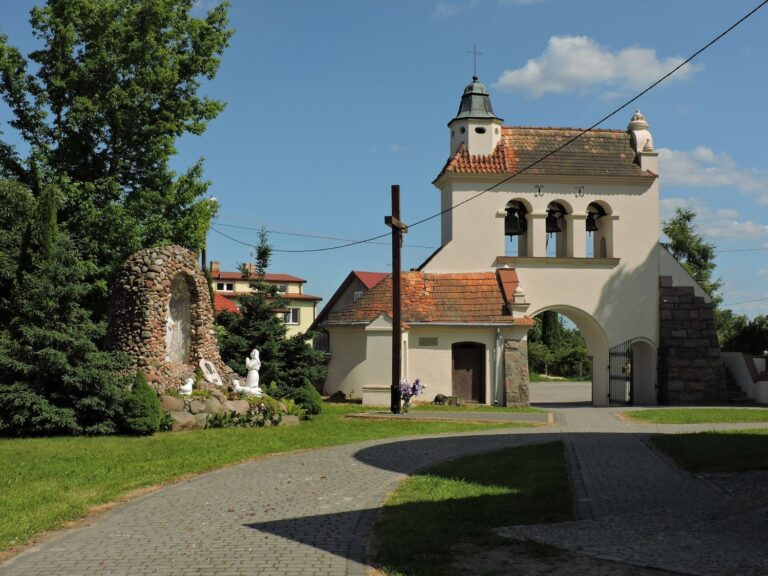
A small shrine stands at the foot of the church. A fragment of the Stations of the Cross appears on the walls beside it, while a statue of Saint Francis is located in the monastery section.
Museum and monastery objects
A corridor holds a cabinet clock dated 1763, made by Brother Joachim Gutowicz and decorated with an image of the Annunciation. The monastery museum’s collection includes manuscripts, early printed books, historic sculptures and paintings, and regional artifacts from the Kazimierz Dolny area.