St Peter and St Paul’s Church, Mottistone: A Medieval Parish Church
Site at a Glance
- Rating
- 4.6
- Popularity
- Very Low
- Country
- United Kingdom
- Primary era
- Medieval
- Eras represented
- Medieval, Early Modern, Modern
- Civilizations
- British, English
- Site type
- Religious
- Remains
- Church
On this page6 sections
History
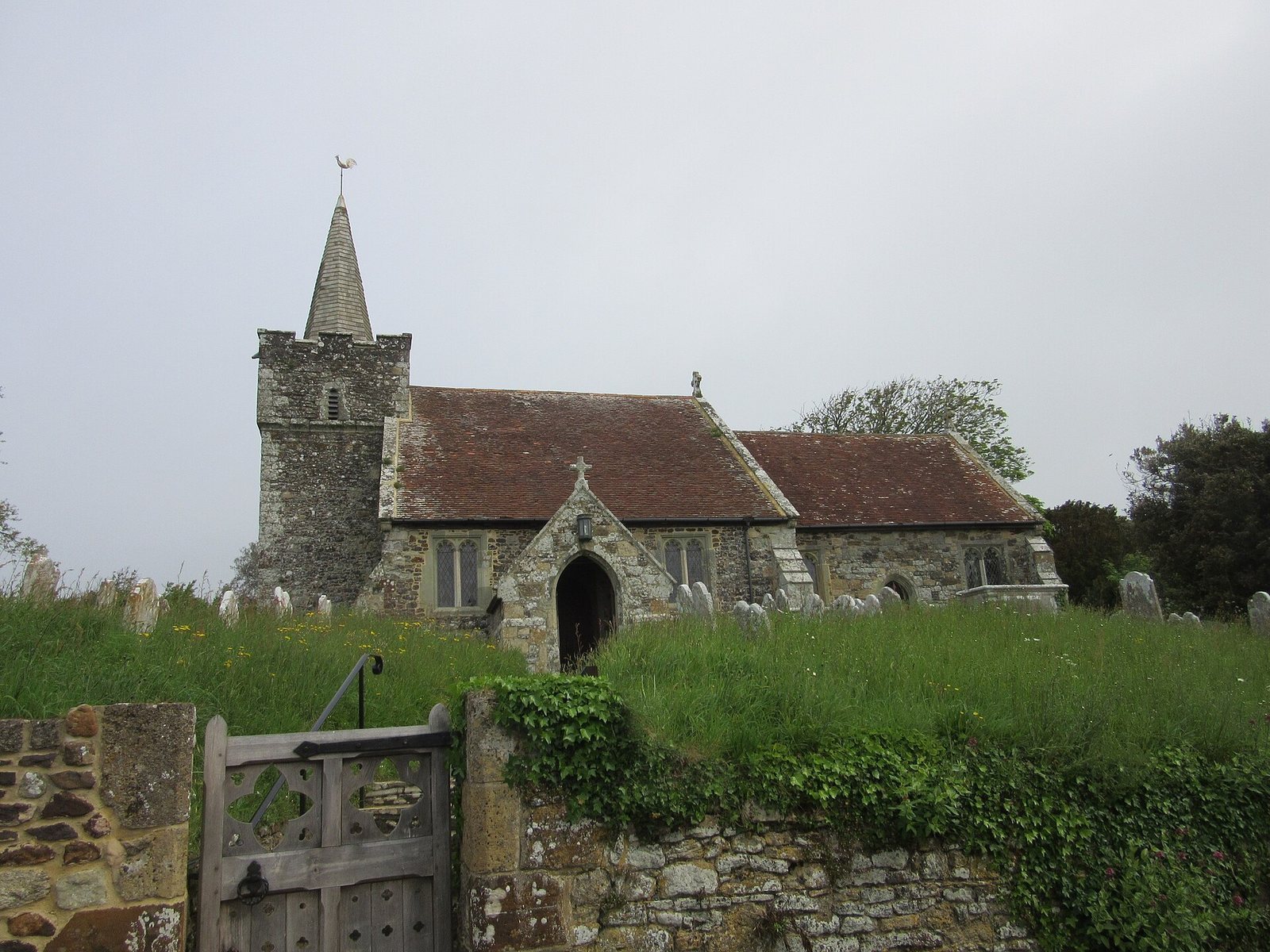
St Peter and St Paul’s Church, Mottistone, is a Church of England parish church in the United Kingdom, with origins in the 12th century and much of its present building dating from the 15th century. Its early history is attributed to Brian de Insula, lord of Mottistone Manor. The church is dedicated to Saints Peter and Paul.
Medieval church and Cheke Chapel
The Cheke family became lords of the manor in 1300 and added the Cheke Chapel in the 16th century. The church remains a parish church with Broad Church affiliation, a tradition within Anglicanism that accommodates a wide range of theological views. Its parish belongs to the West Wight benefice in the Diocese of Portsmouth, within the Province of Canterbury.
Later alterations and recognition
In 1862, the chancel was reroofed with timber from the Bermudan barque Cedrene, which had wrecked nearby on the Back of the Wight only 16 days after its construction. A Victorian restoration followed in 1863. In 1948, John Seely, 2nd Baron Mottistone, commissioned a screen for the Cheke Chapel in memory of his father, General J. E. B. Seely, 1st Baron Mottistone. The church is Grade I listed, England’s highest category for buildings of exceptional architectural or historic interest.
Remains
Plan and exterior
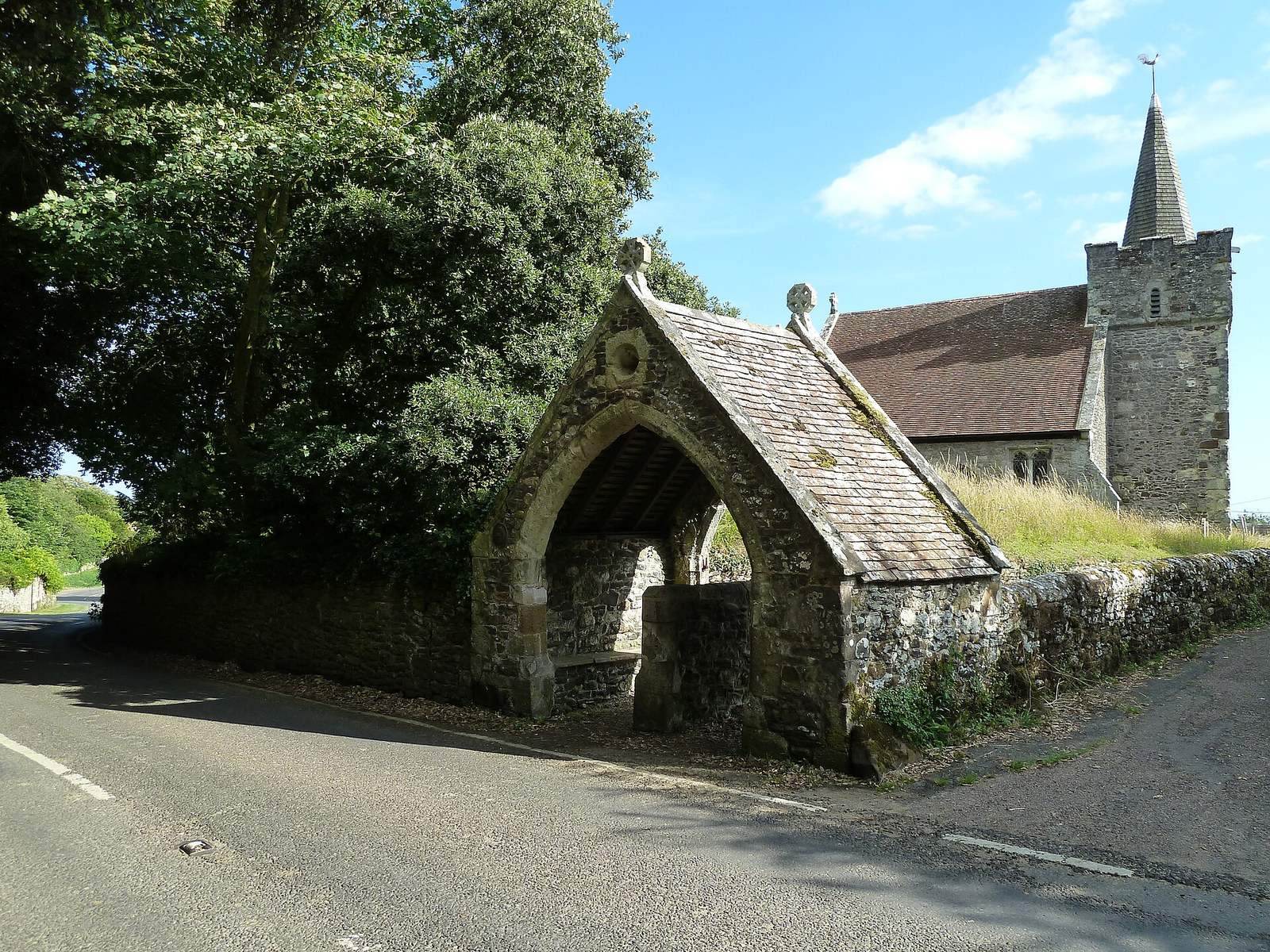
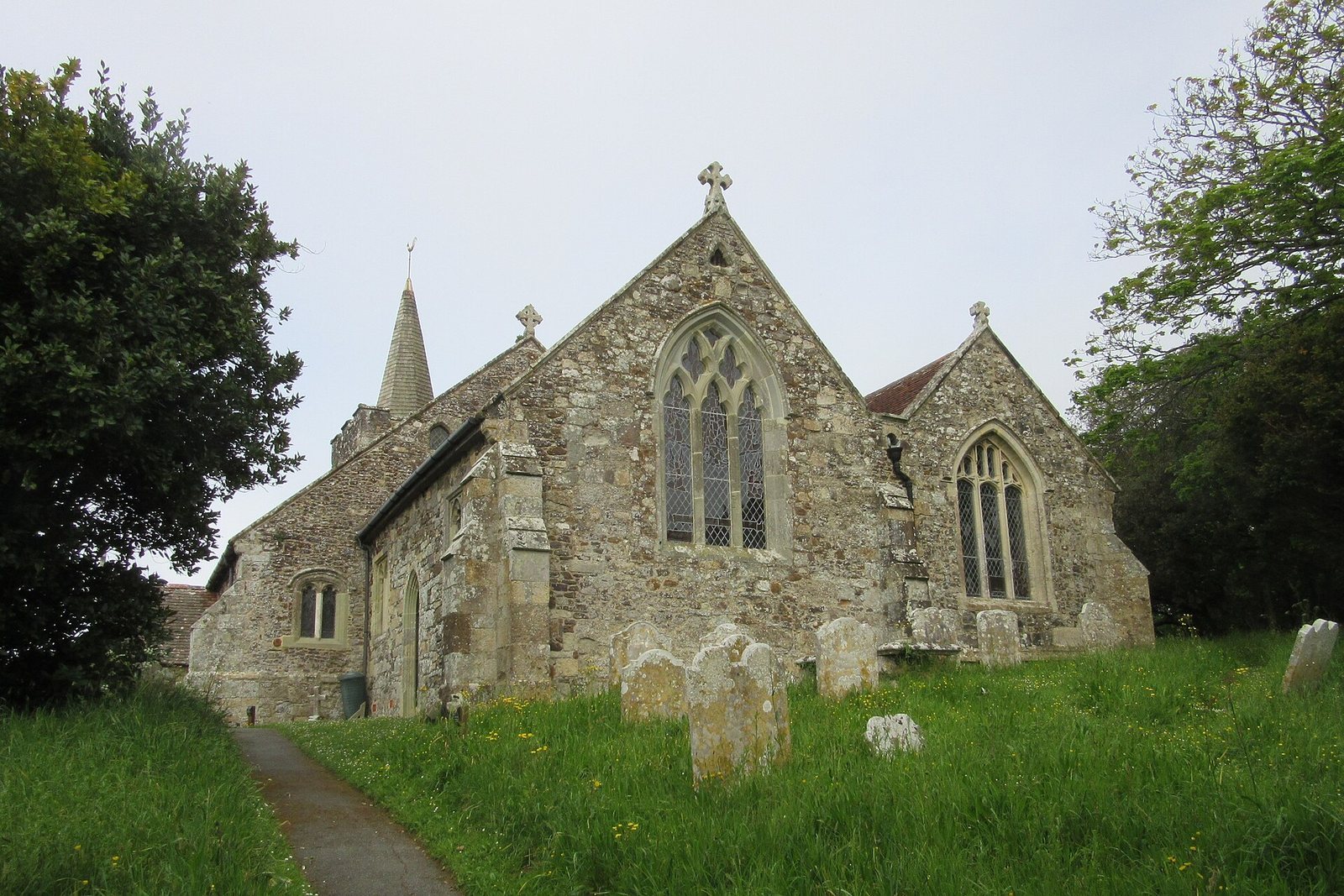
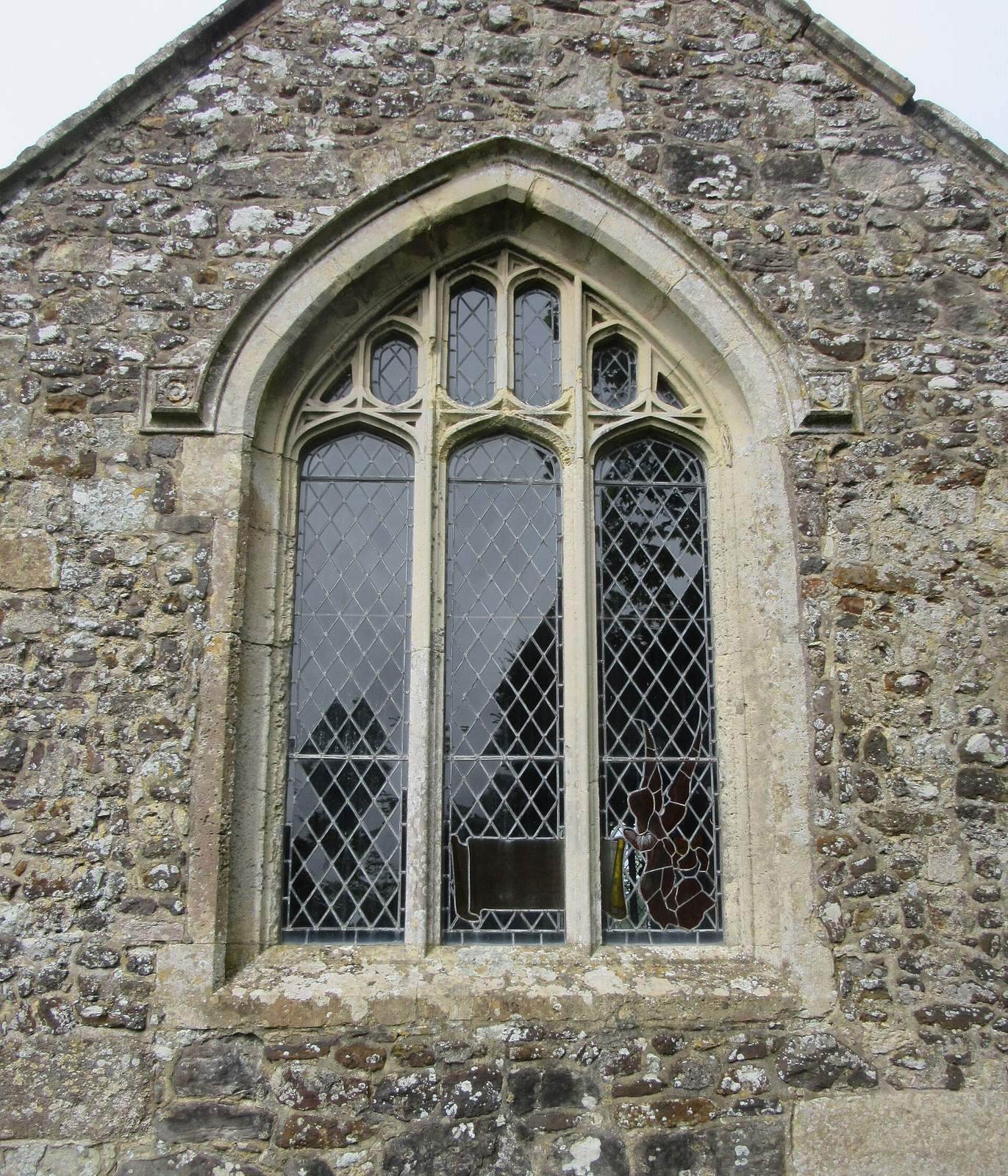
The stone church has a tiled roof and a shingled spire. Its plan includes a nave with aisles, a chancel, a north chapel and a south porch. A west tower rises with a crenellated parapet and spire. The 1863 restoration reconstructed the window tracery, nave arches and piers, roofs, and walls.
Interior features
The chancel roof incorporates timber from Cedrene, the Bermudan barque wrecked nearby. The font may date to the 12th century, although it was reshaped in the late 19th or early 20th century. A parclose screen, a partition separating a chapel from another part of a church, stands in the Cheke Chapel.