St Nicholas, Bristol: A Church Rebuilt in the Gothic Revival Style
Site at a Glance
- Rating
- 4.8
- Popularity
- Medium
- Country
- United Kingdom
- Primary era
- Early Modern
- Eras represented
- Medieval, Early Modern, Modern
- Civilizations
- British, English
- Site type
- Religious
- Remains
- Church
On this page8 sections
History
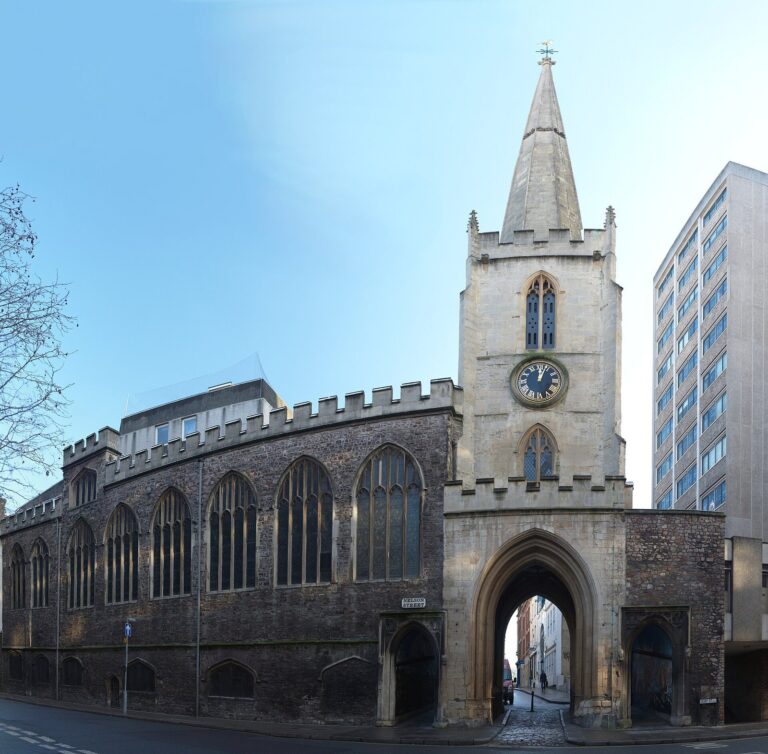
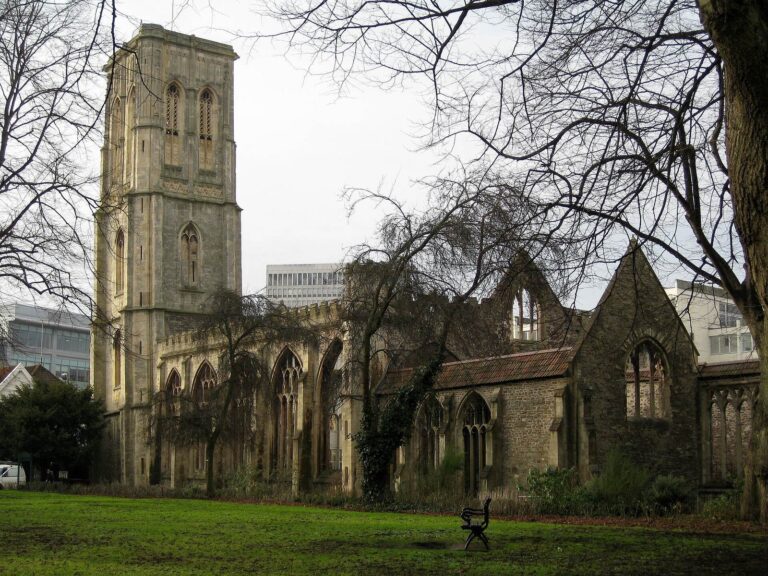
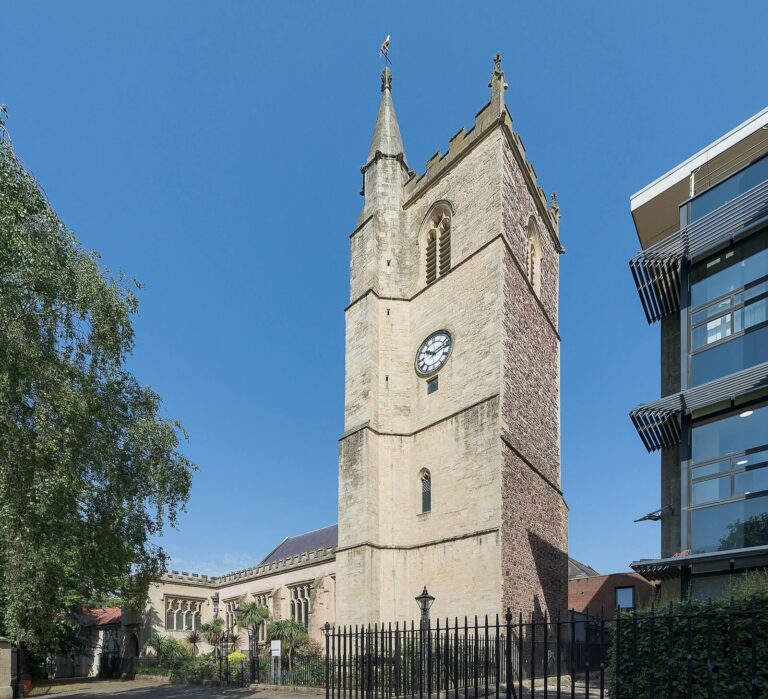
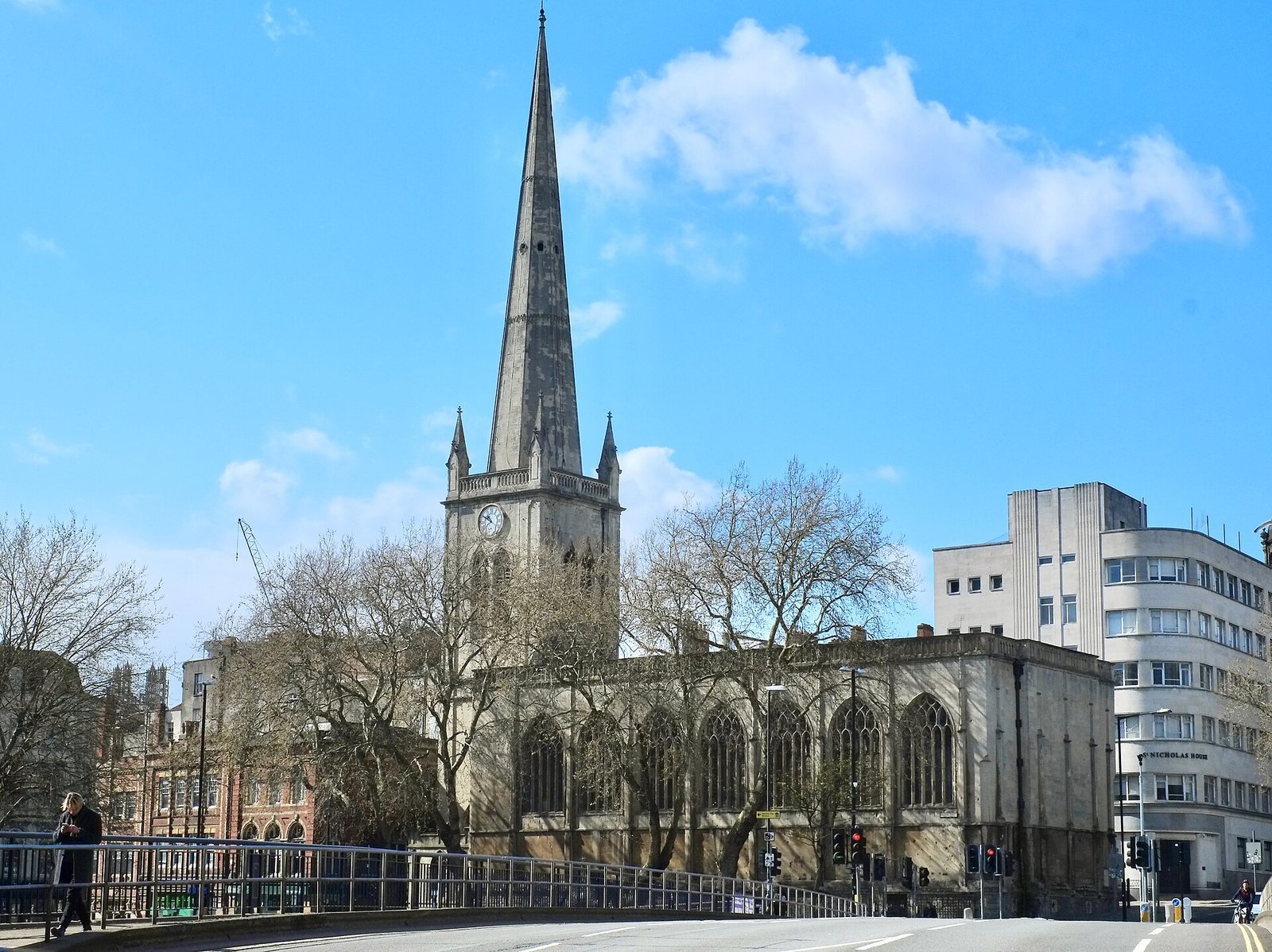
St Nicholas is a church in Bristol, United Kingdom, founded before 1154 and rebuilt between 1762 and 1769 in the Gothic Revival style. Its Grade II* listing identifies it as a building of more than special interest.
Origins and rebuilding
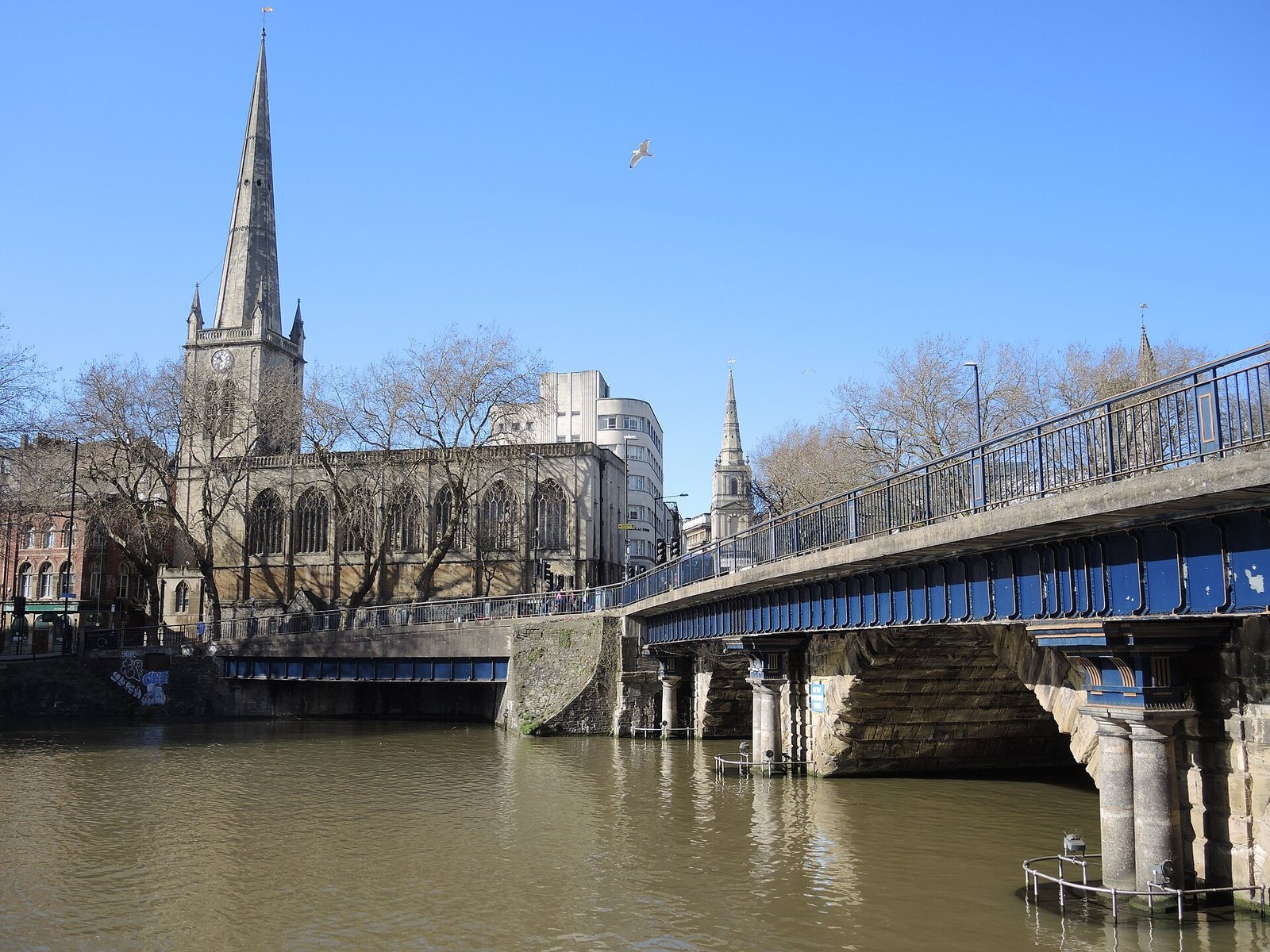
The first church and the adjoining south gate were later demolished to make way for the rebuilding of Bristol Bridge. During the eighteenth-century reconstruction of St Nicholas, its spire was also rebuilt.
War, reuse, and return to worship
German air raids on Bristol in 1940, known as the Bristol Blitz, destroyed the church interior. The building was reconstructed in 1974 to 1975 as a church museum. After the museum closed in 2007, Bristol City Council used the building as offices.
In 2018, the Church of England returned St Nicholas to worship within the Diocese of Bristol, a church district administered by a bishop, and the Holy Trinity Brompton network. Holy Trinity Brompton, an Anglican church in London, established a congregation at St Nicholas. The church reopened on 30 September, and its first service in 60 years took place on 9 December.
Remains
Church and crypt
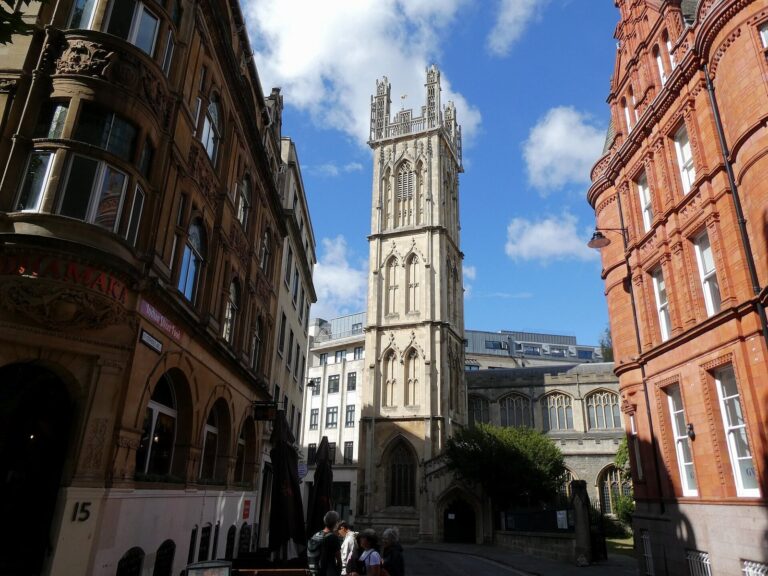
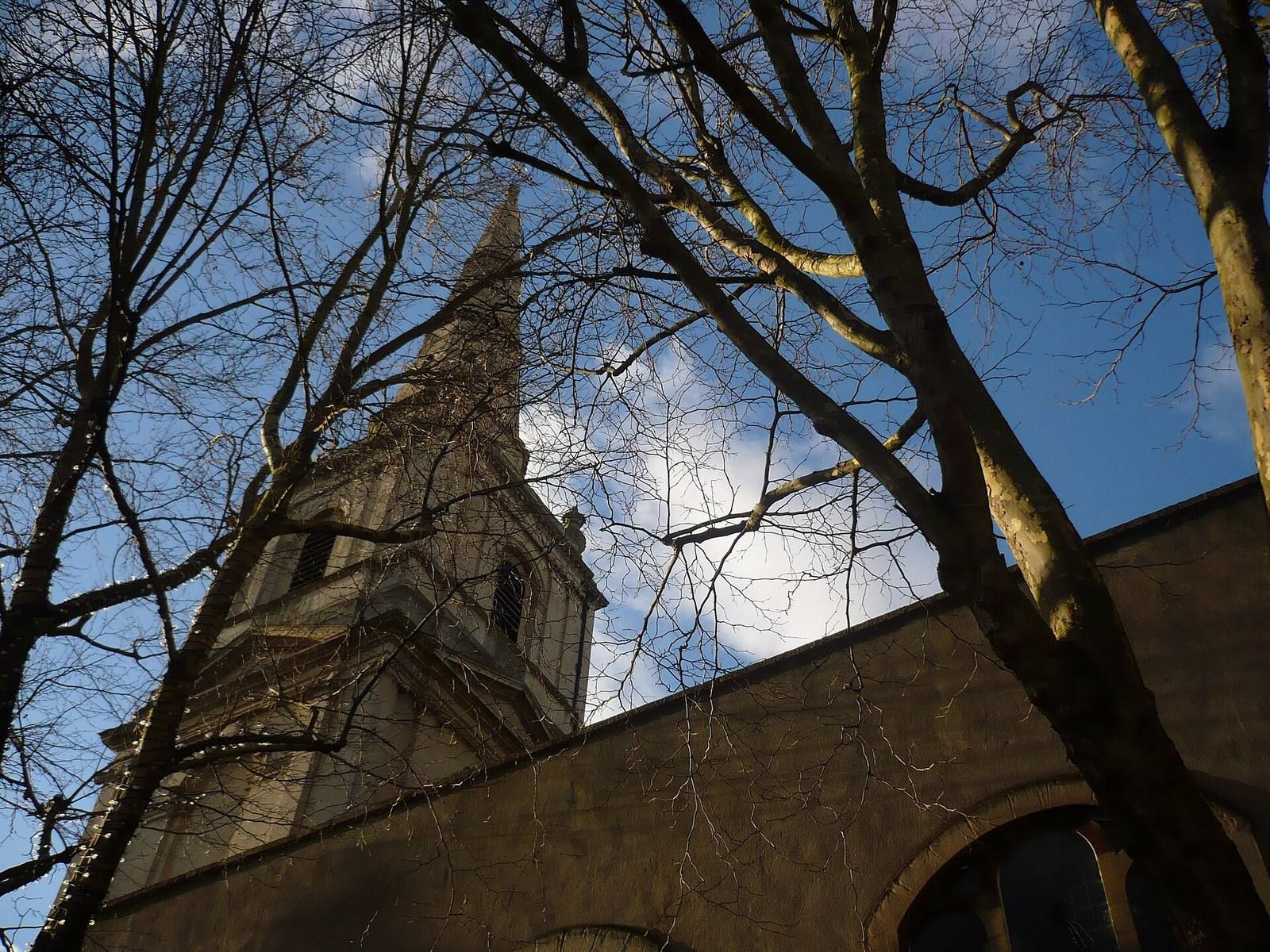
The rebuilt church has Gothic Revival architecture and a spire, reconstructed during the eighteenth-century rebuilding. Beneath it, the fourteenth-century crypt, a chamber under the church, preserves part of the earlier church and the town wall. The first church’s chancel, the area around the altar, extended over Bristol’s south gate.
Church clock
The church clock has an unusual seconds display, described as unique among church clocks in Britain. Its original mechanism was installed in the early nineteenth century, and a seconds hand was added during renovations in the 1870s. The mechanism was destroyed during the Second World War; the clock was later repaired and converted to electrical power.
Sculptures
Statues of the medieval English kings Edward I and Edward III, associated with St Nicholas, were removed from Arno’s Court Triumphal Arch. They had originally come from Lawford’s Gate, demolished around 1760. Two other thirteenth-century figures were transferred from Newgate to the church in 1898 as they deteriorated. One represents Robert, builder of Bristol Castle; the other depicts Geoffrey de Montbray, the Norman bishop of Coutances who built Bristol’s fortified walls.
Hogarth altarpiece
St Nicholas is associated with William Hogarth’s three-part altarpiece Sealing the Tomb, painted in 1755 for St Mary Redcliffe. The paintings remained there until 1858, when a Victorian campaign to remove furnishings considered inconsistent with the church’s Gothic character led to their sale for £20 to the Bristol Academy for the Promotion of the Fine Arts, later the Royal West of England Academy. A proposed sale in 1910 prompted the Bristol Times and Mirror to criticize the preference for money over the paintings. In 1955, they passed to Bristol Museum and Art Gallery and were restored while at St Nicholas.