St Mary-at-Finchley Church: Finchley’s Parish Church
Site at a Glance
- Rating
- 4.6
- Popularity
- Medium
- Country
- United Kingdom
- Primary era
- Medieval
- Eras represented
- Medieval, Early Modern, Modern
- Civilizations
- British, English, Norman
- Site type
- Religious
- Remains
- Church
On this page14 sections
History
Origins and parish role
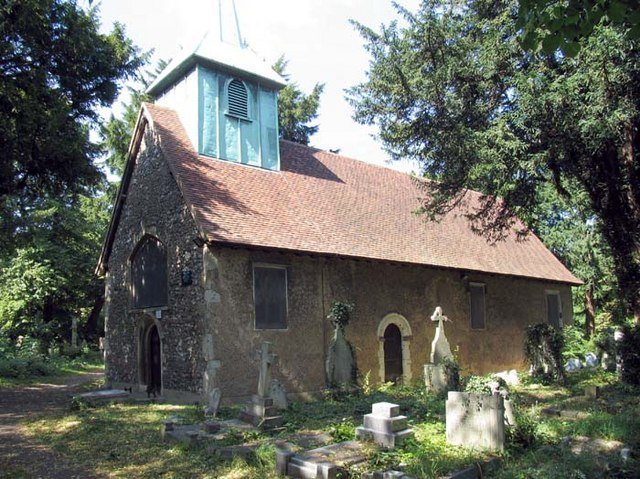
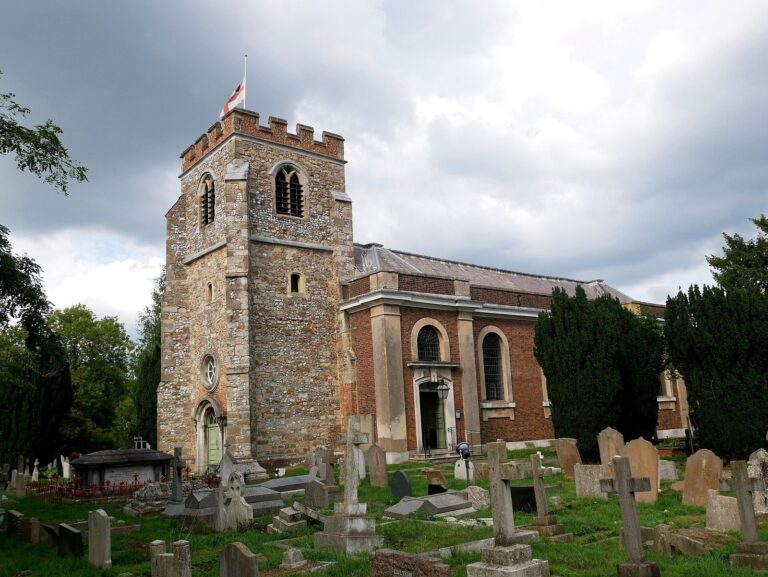
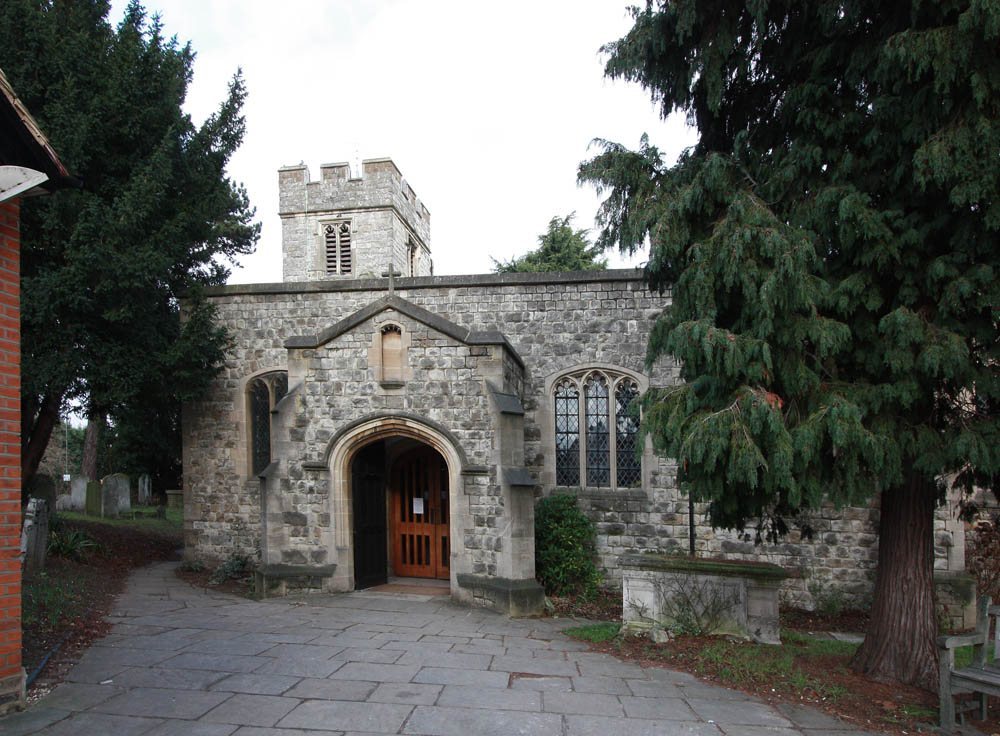
St Mary-at-Finchley Church is the Church of England parish church on Hendon Lane in Finchley, in the London Borough of Barnet, United Kingdom. Established in the 12th century, it has English Gothic architecture, a medieval church-building style. A church is referred to at the site in 1274, while evidence indicates an earlier building. By 1356, the church was dedicated to St Mary, the mother of Jesus in Christian tradition.
The Church of England is the Anglican church in England. St Mary-at-Finchley belongs to the Diocese of London, the bishop’s territorial jurisdiction, within the Province of Canterbury, which groups dioceses. Its local ecclesiastical divisions are the Archdeaconry of Hampstead and the Deanery of Barnet.
Early modern clergy
John Spendlove served as rector from 1535 to 1554, when he was deprived of the office. He returned to the post in 1558 and remained until 1581. Thomas Goldstone became rector in 1657 and was ejected from the position in 1662.
Alterations and wartime rebuilding
The church was altered repeatedly after its foundation and enlarged in 1872. It has been a Grade II* listed building since 1949, a category for buildings of particular importance within England’s listed-building system.
German bombing during the London Blitz, the air campaign against London during the Second World War, largely destroyed the east end in 1940. This damage led to major rebuilding in 1953.
Remains
The church combines English Gothic fabric with later work. Its oldest surviving elements are on the north side, while the east end and interior furnishings reflect subsequent rebuilding and change.
Church fabric and furnishings
North wall and tower
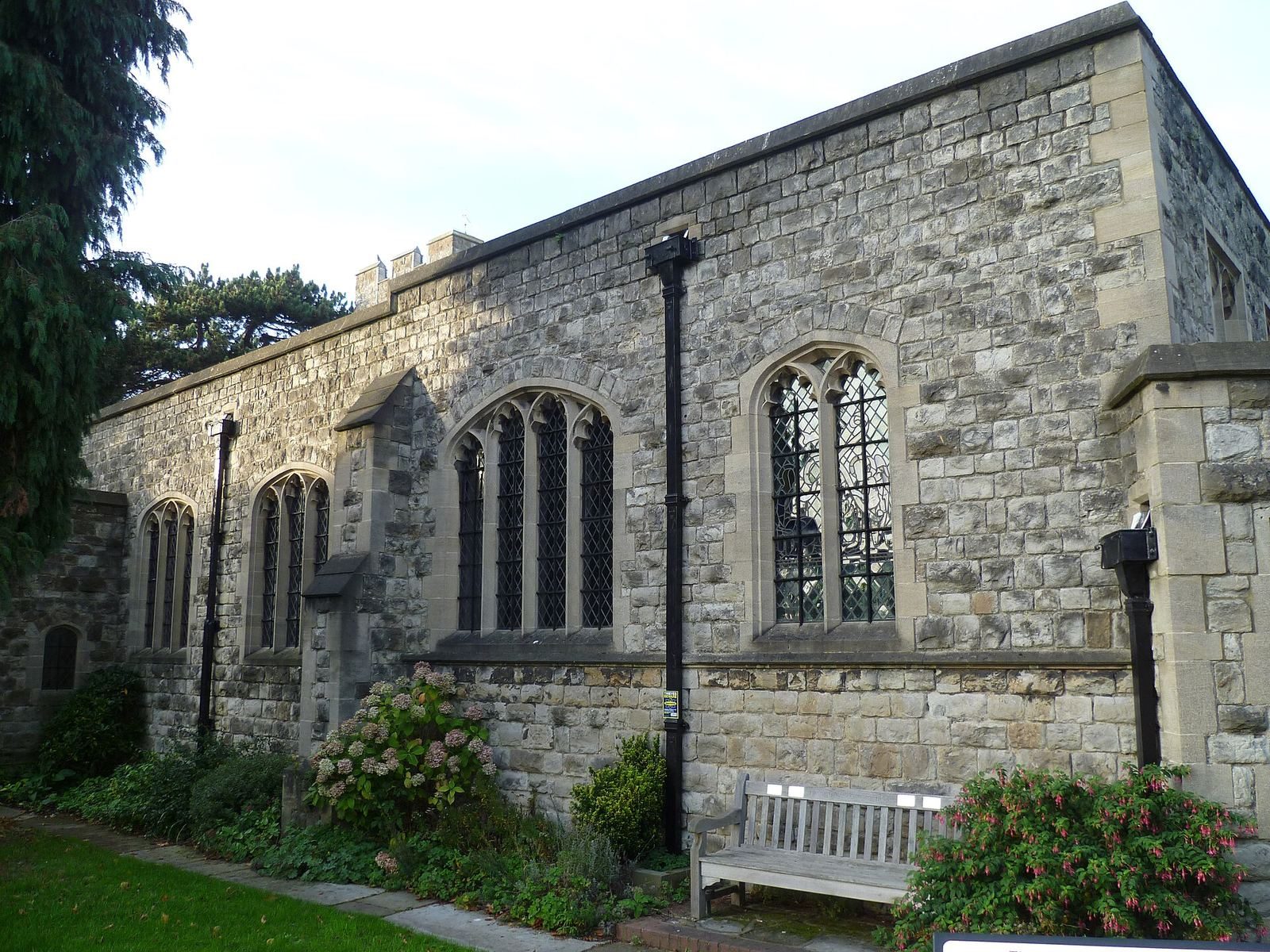
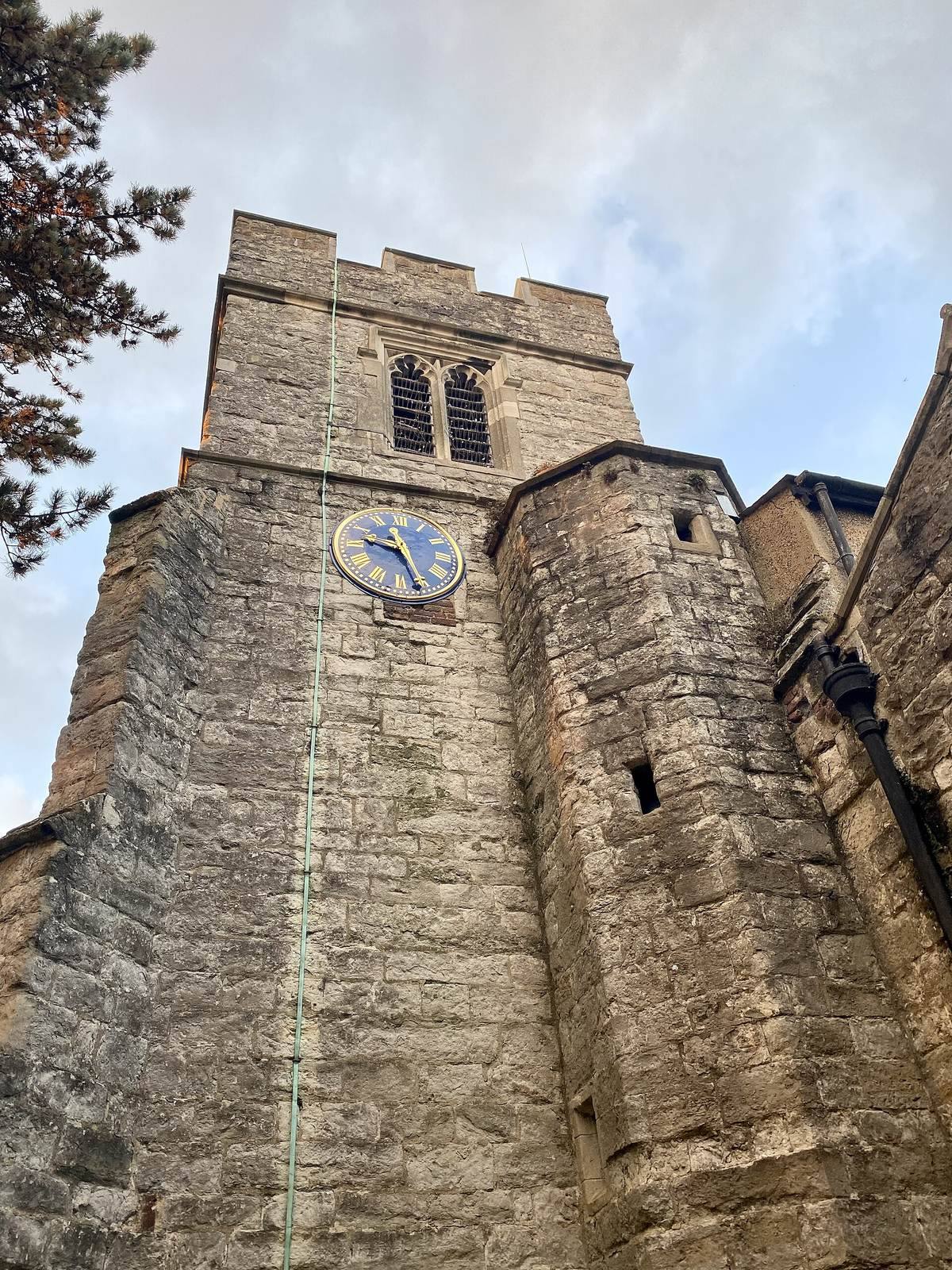
The north wall and tower are the oldest parts of the church. They date from the reign of Henry VII (1485–1509), England’s first Tudor monarch. The tower appears to have carried a steeple during the 16th and 17th centuries.
Norman features and font
A Norman ambry, a recessed cupboard for sacred items associated with Norman-era church architecture in England, is set into the north wall. The church also has a Norman font bowl, a basin used for baptism. It was buried in the rectory grounds during the English Civil War, a series of conflicts in England from 1642 to 1651, and recovered in the 19th century.
East end
Rebuilt in 1953 after the bombing, the east end has replacement stained glass. Caroe and Partners supplied a new altar and pulpit, together with a reredos, a decorative structure behind an altar, and a parclose screen, an interior screen that divides or encloses part of a church.
Organ
Henry Willis & Sons provided the church organ in 1878. After it was damaged in the 1940 bombing, it was moved to the west end. Major restoration of the organ was completed in 2011.
Memorials and commemorative features
Church monuments
The oldest monument is a brass plate commemorating Richard Prate, who died in 1487. A brass memorial to Thomas Sanny, dated 1509, reproduces part of his will. A marble sculpture depicts Alexander King, who died in 1618, and his wife. Other church memorials commemorate the Allen family, owners of Finchley’s Manor House.
Churchyard graves
The churchyard contains the graves of Thomas Payne, a radical and bookseller, and Major John Cartwright, a political reformer.
Millennium wall hanging
A wall hanging made in 2000 depicts groups involved in the life of St Mary-at-Finchley at the end of the 20th century. A key explaining its symbols hangs beside it.