Roman Thermae in Alange: A Roman Bathing and Healing Complex
Site at a Glance
- Rating
- 4.4
- Popularity
- High
- Country
- Spain
- Primary era
- Modern
- Eras represented
- Classical, Modern
- Civilizations
- Roman, Spanish
- Site type
- Sanitation
- Remains
- Baths
On this page7 sections
History
Roman foundation and healing tradition
The Roman thermae in Alange, Spain, were built by the Romans in the third century to provide treatment and recreation for people in the surrounding area. The thermal spring had already been used for healing before Roman times. The baths were closely connected with Augusta Emerita, the Roman name for present-day Mérida.
A local tradition tells of Varinia Serena, a young patrician, meaning a member of Rome’s elite social order, who recovered from a reproductive illness after using the spring’s waters. Her father, Licinius Serenianus Clarissimus, whose honorific meant “most distinguished,” commissioned a dedication to Juno, a Roman goddess associated with fertility and family. The spring was thereafter dedicated to the goddess.
Later history and restoration
During the Muslim period, the area took the name Alanghe, translated as “Water of Allah.” The baths were later abandoned. Restoration efforts began in the late eighteenth century, and the present building was constructed in the nineteenth century. A major refurbishment that began in the 1990s added new areas and renewed older facilities.
The thermae became a National Monument in 1930 and were included in Spain’s Historic Heritage in 1985. They form part of the Archaeological Ensemble of Mérida, a UNESCO World Heritage property, a category recognizing places considered to have outstanding universal value.
Remains
Roman bathing building
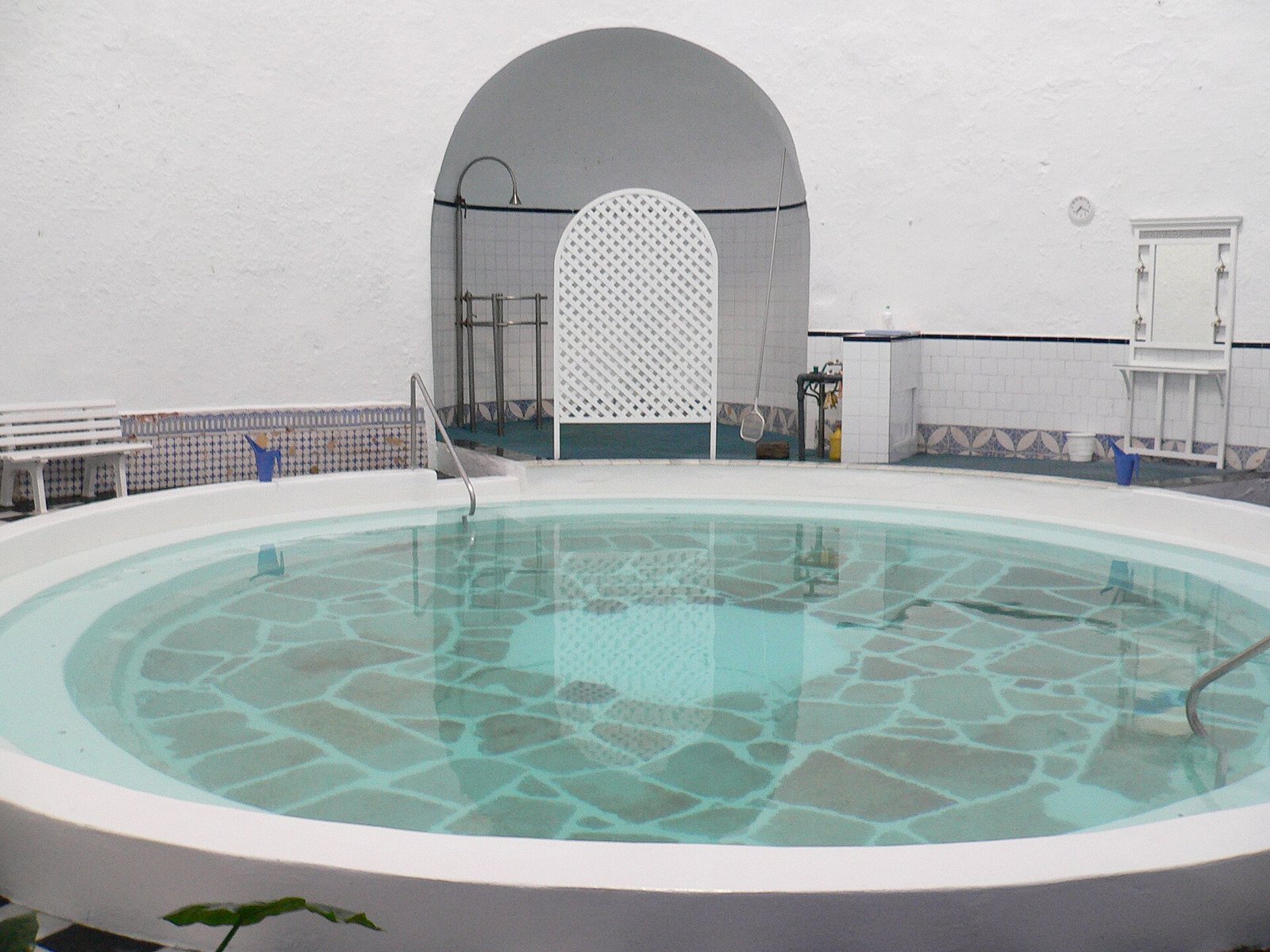
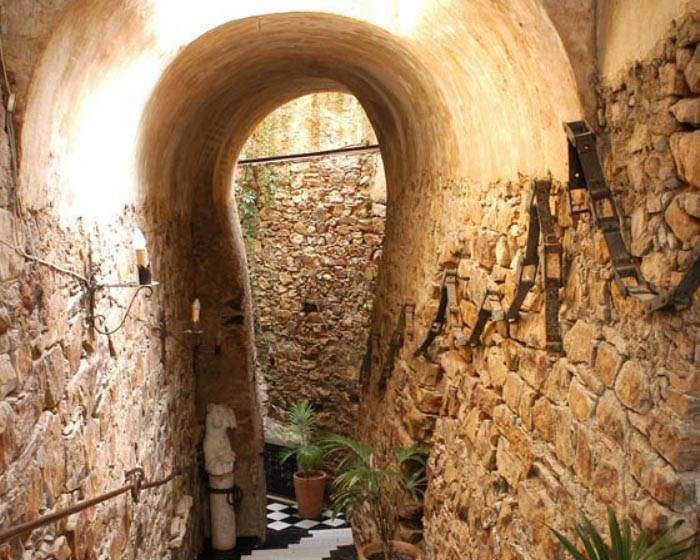
The Roman bath building had a rectangular plan with two matching circular chambers, one for each sex. A sloping stone staircase gave access to the chambers, each of which had a central circular pool. Above each pool was a hemispherical vaulted roof with a skylight at its center.
Ancillary structures and altars
Rudimentary guest houses and a small necropolis stood around the bathing complex. The dedication associated with Varinia Serena took the form of a votive altar and a smaller altar commissioned for the site.
Spring and present spa
The spring water rises from deep underground layers. As it ascends, it becomes enriched with alpha radiation associated with radon-222 and radon-226, lithium, and carbonates and bicarbonates of sodium, magnesium, and calcium. The current spa complex includes thermal baths and several hotels. The listed property covers 0.2977 hectares.