Wytham Abbey and Attached Wall: A Historic Manor House in Oxfordshire
Site at a Glance
- Popularity
- High
- Country
- United Kingdom
- Primary era
- Modern
- Eras represented
- Medieval, Modern
- Civilizations
- British, English
- Site type
- Domestic
- Remains
- Manor House
On this page5 sections
History
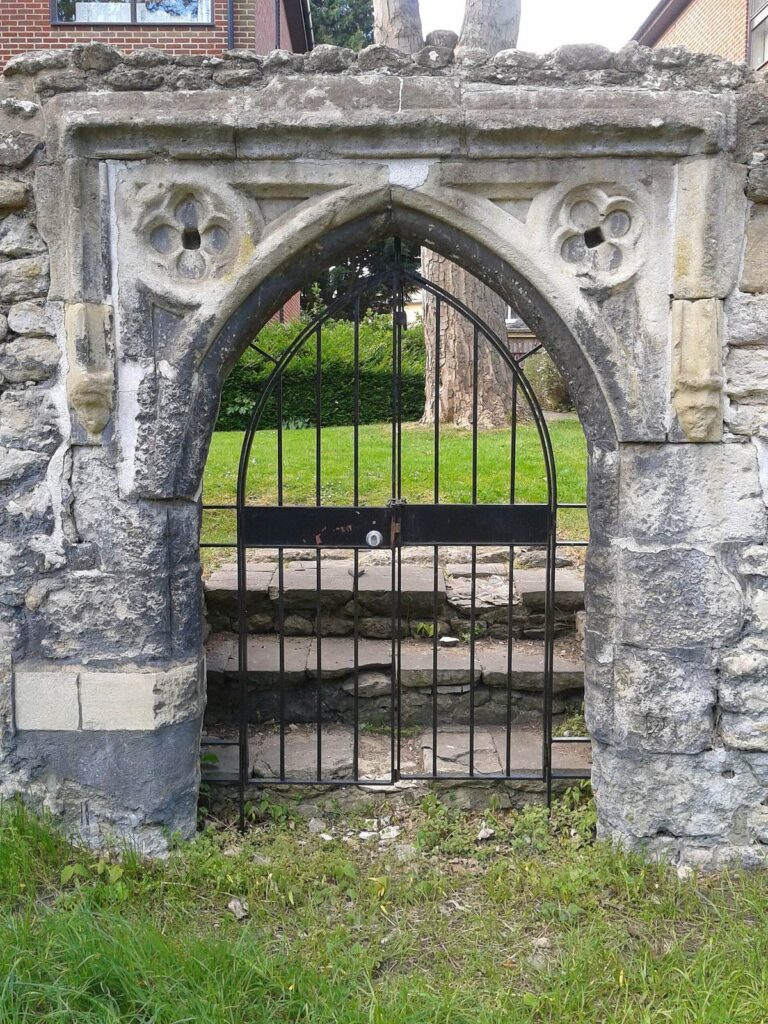
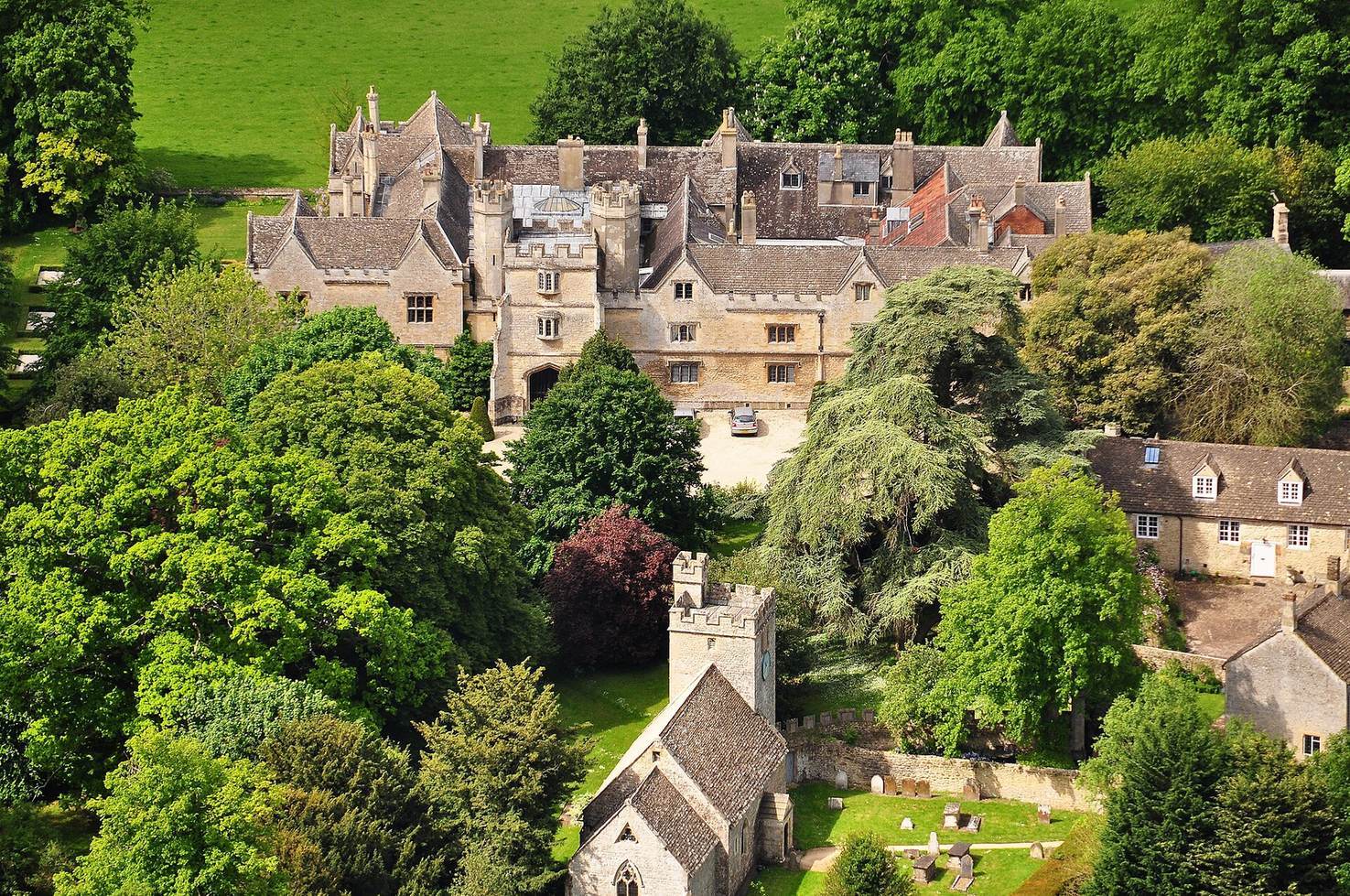
Wytham Abbey and Attached Wall is a historic manor-house property in Wytham, Oxfordshire, United Kingdom. Its house was built around 1480 and took on its Georgian-era Gothic character through a major remodelling in 1809–10. It served as Wytham’s manor house and became the principal residence of the 5th Earl of Abingdon in the early 19th century.
Medieval manor and monastic lands
Wytham, a village historically in Berkshire, was recorded as Wihtham around 957. Its name is thought to come from Old English words for a homestead or village beside a river bend, and may explain the modern pronunciation “White-ham.”
From the 12th century, Wytham formed part of the extensive lands held by the Abbots of Abingdon, the heads of the monastery there. The house was known as Wytham House until about 1850.
Estate transfers and remodelling
During the Dissolution of the Monasteries, the suppression of English monasteries under Henry VIII that transferred or sold their property, the estate passed to Sir Richard Harcourt, an English knight and landowner. It later came to the Earls of Abingdon, holders of a hereditary British noble title.
Queen Elizabeth I visited the house as a princess. In 1646, Oliver Cromwell, a Parliamentarian military and political leader in the English Civil Wars, stayed there during the second siege of Oxford. Princess Victoria, later Queen Victoria, visited about three centuries after Elizabeth. In the early 19th century, the 5th Earl made the house his principal residence and substantially remodelled it in Georgian-era Gothic style in 1809–10.
Twentieth-century ownership and restoration
In 1920, the 7th Earl sold the Abbey and its 2,500-acre estate to Colonel Raymond Ffennell, who later left the estate to the University of Oxford. The house received Grade I listing in 1952, the highest listed-building category in England, reserved for buildings of exceptional interest. In 1956, the University divided it into 14 apartments.
The house’s fabric deteriorated over the following three decades. After it and its grounds were offered for sale in 1991, a couple bought and restored it, returning it to use as a single-family home.
Remains
The manor house stands at the edge of Wytham Woods, near the River Thames and about three miles northwest of central Oxford. It retains its Georgian-era Gothic character. The long-established woodland is owned by the University of Oxford and protected as a Site of Special Scientific Interest, a UK designation for areas important for wildlife, geology, or landforms. The woods are also used for zoological and climate-change research.