Amsa-dong Prehistoric Site: A Neolithic Settlement in South Korea
Site at a Glance
- Rating
- 4.5
- Popularity
- Medium
- Country
- South Korea
- Primary era
- Stone Age
- Eras represented
- Stone Age, Medieval, Modern
- Civilizations
- Baekje
- Site type
- Settlement
- Remains
- Village
On this page11 sections
History
Amsa-dong Prehistoric Site is a Neolithic settlement in South Korea, with pit-house occupation dating to around 4000 BCE. The village’s history extends across several periods, and the site is a major known location for Stone Age materials in Seoul.
Neolithic settlement and later communities
Occupation at Amsa-dong is dated to about 6,000 years ago. Residents were consuming cooked grain and fish by around 3000 BCE. By about 1500 BCE, communities were moving toward the Bronze Age and large-scale farming.
Some interpretations associate the settlement with Japan’s prehistoric Jomon culture and place it before the spread of Korea’s Songguk-ri Bronze Age tradition. These proposed connections remain uncertain.
The excavated sequence also points to activity beyond the settlement’s principal Neolithic phase, including a later period associated with Baekje, an ancient Korean kingdom.
Discovery and investigation
A major flood in 1925 exposed and damaged part of the settlement, bringing its Neolithic remains to attention. A joint university team began excavating the site in 1967. The National Museum of Korea then carried out four excavations between 1971 and 1975.
Amsa-dong is a major known source of Stone Age material in Seoul. Urban development has limited the survival of similar evidence elsewhere in the city, while finds from smaller sites in Seoul and the Han River basin have often come from rescue excavations.
The site became a South Korean Historic Site in 1979, and its official name was changed in 2011.
Remains
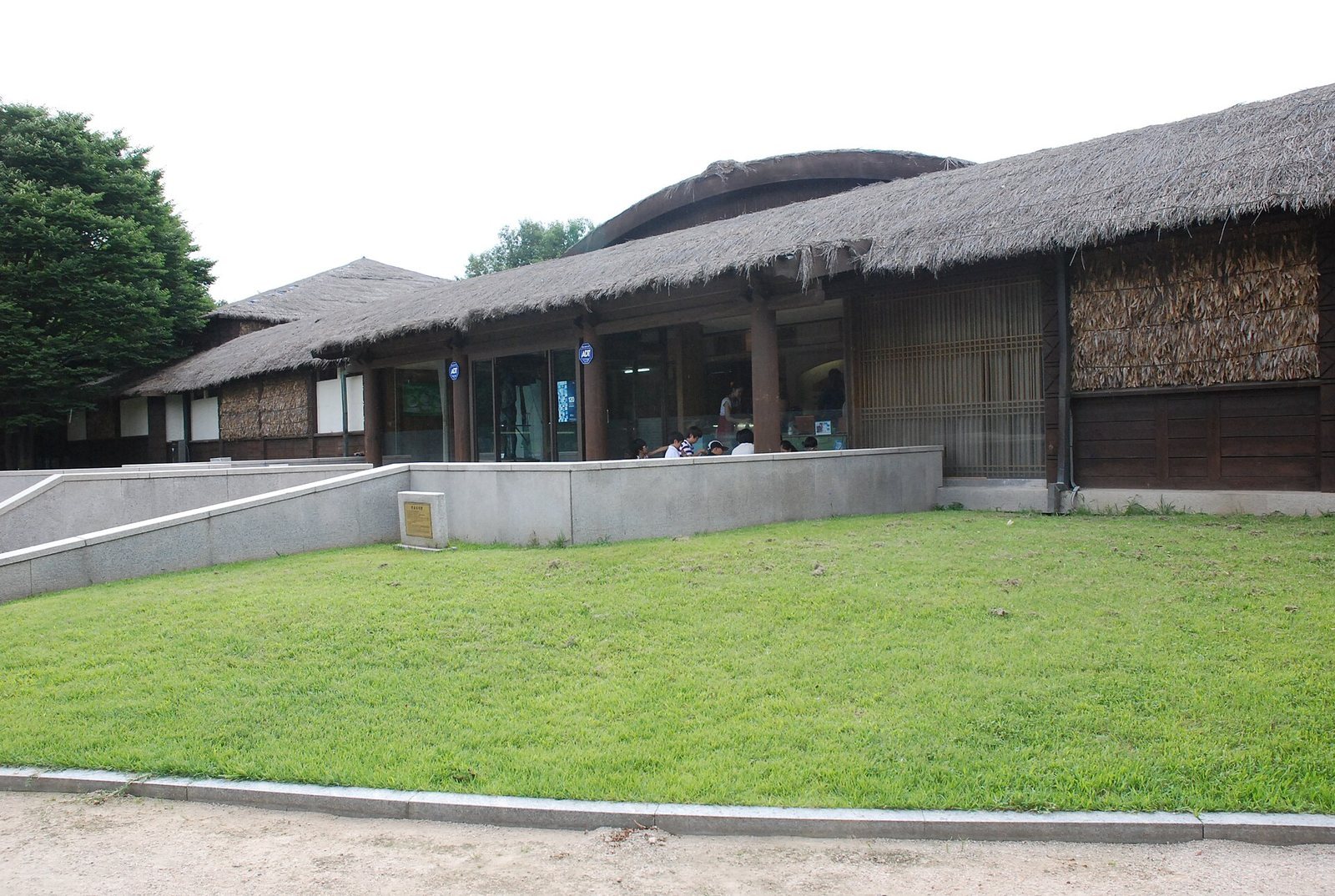
The site covers 98,354 square metres, including a prehistoric park of 78,793 square metres. Its physical features include excavated dwelling areas, reconstructed pit houses and two exhibition halls.
Excavated settlement layers
Neolithic dwelling areas
The flood of 1925 exposed five dwelling sites. Later excavation of a sandy cultural layer revealed 11 dwelling areas, with pottery decorated in comb patterns, bone fragments and posthole traces. The houses had rounded or chamfered-square plans, measured about 5.5 metres across and were approximately one metre deep. Hearths formed part of the dwellings.
A separate layer identified as late Neolithic contained comb-patterned and plain pottery. Another layer held more than 100 dwelling pits, together with plain pottery, comb-patterned pottery and half-moon-shaped stone knives.
Upper layer associated with Baekje
An upper, black sandy layer is associated with Baekje. Finds from it include fragments of comb-patterned pottery, stone tools and Baekje pottery, as well as two jar burials and building remains.
Reconstructed houses and exhibition halls
Reconstructed pit houses
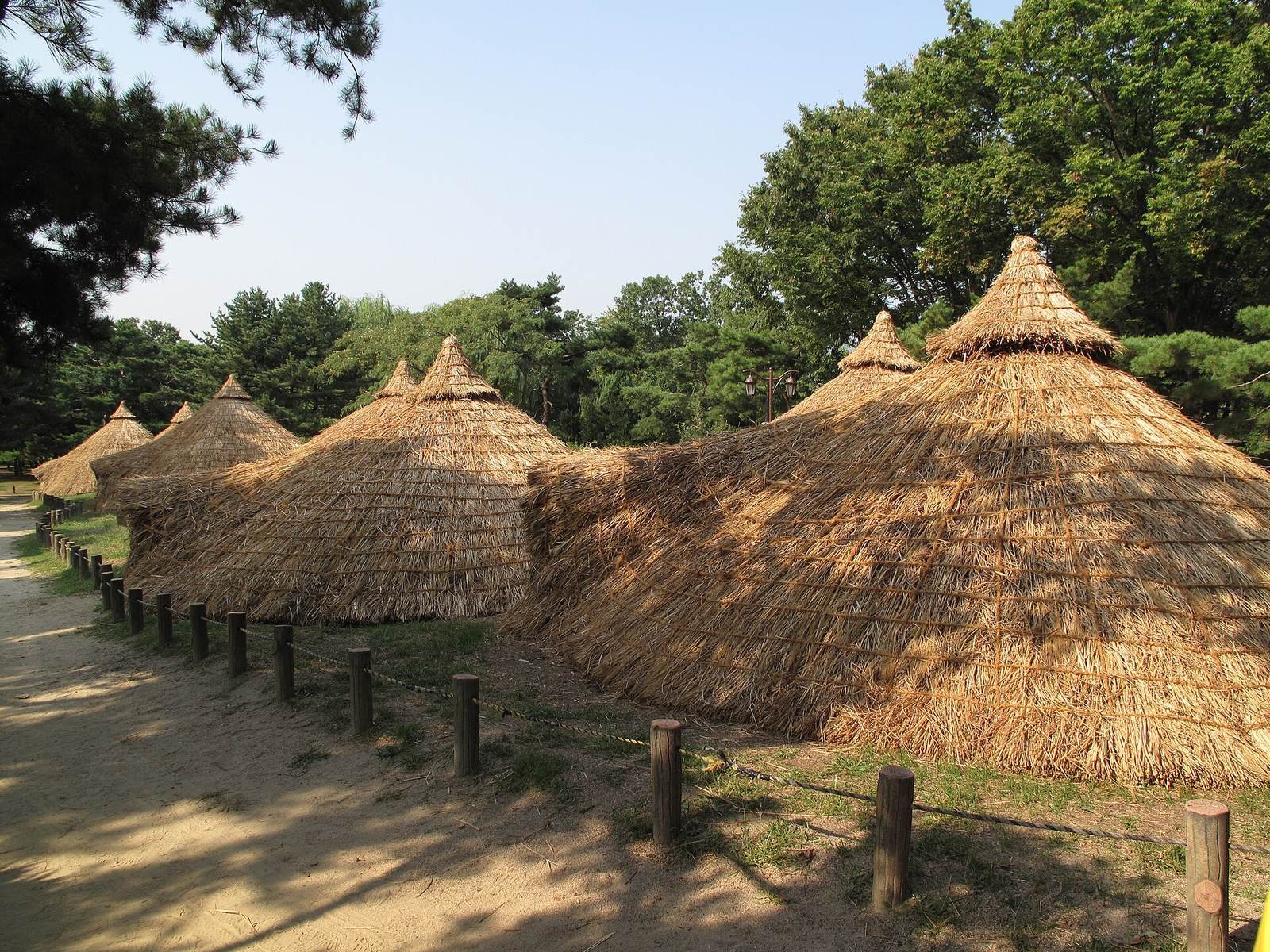
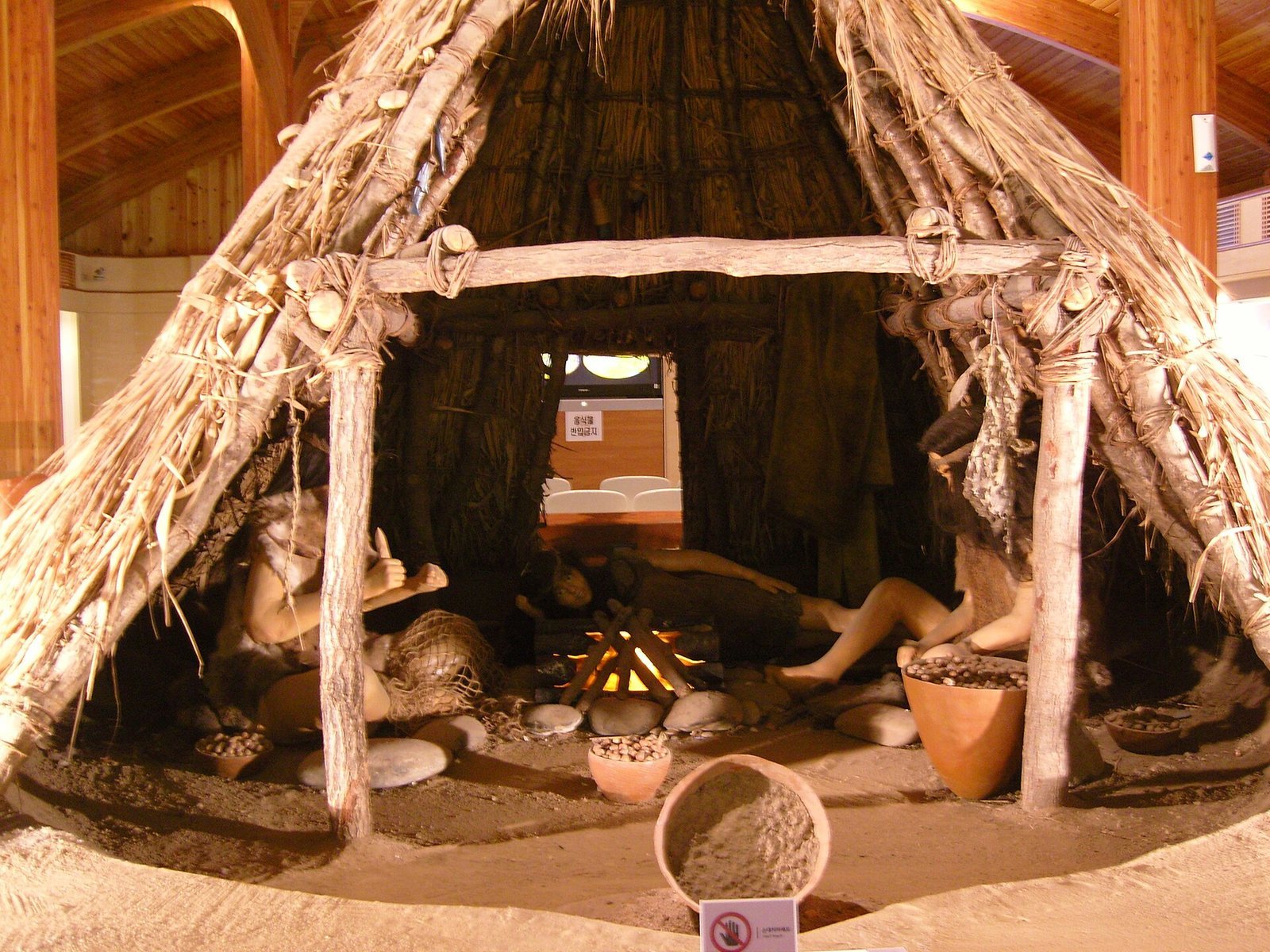
The prehistoric park contains nine reconstructed pit houses and an experiential house illustrating hunting, fishing and gathering. A small model of a pit house and a miniature of the site are displayed in the second exhibition hall.
First exhibition hall
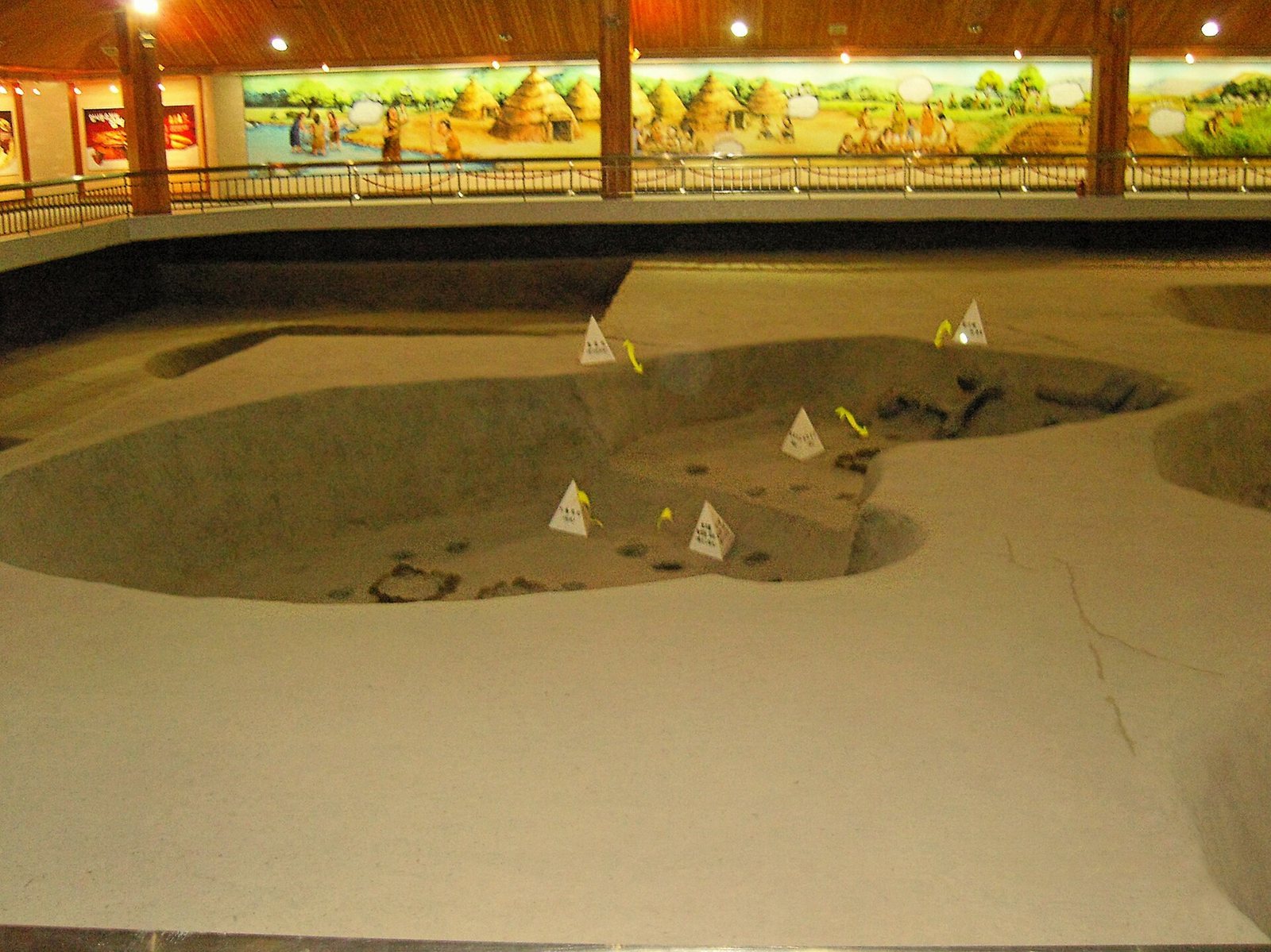
The first exhibition hall was built around an excavated area. A square viewing corridor, raised slightly above the ground, surrounds the excavation. Displays include grindstones, handstones, stone axes, arrowheads and comb-patterned pottery, alongside large murals depicting Neolithic life.
Second exhibition hall
Built in 1999 and opened in 2000, the second hall includes video displays about daily life and the excavations. The exhibition collection contains 408 objects, including 72 excavated at Amsa-dong.