St John’s Gate: The South Entrance to Clerkenwell Priory
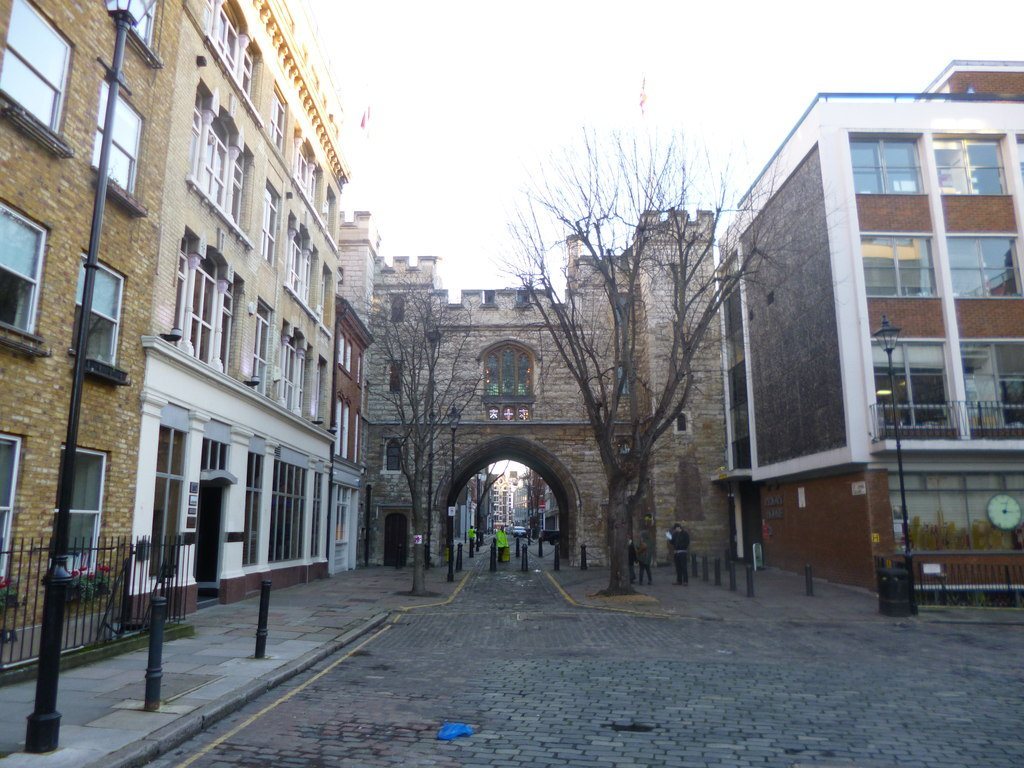
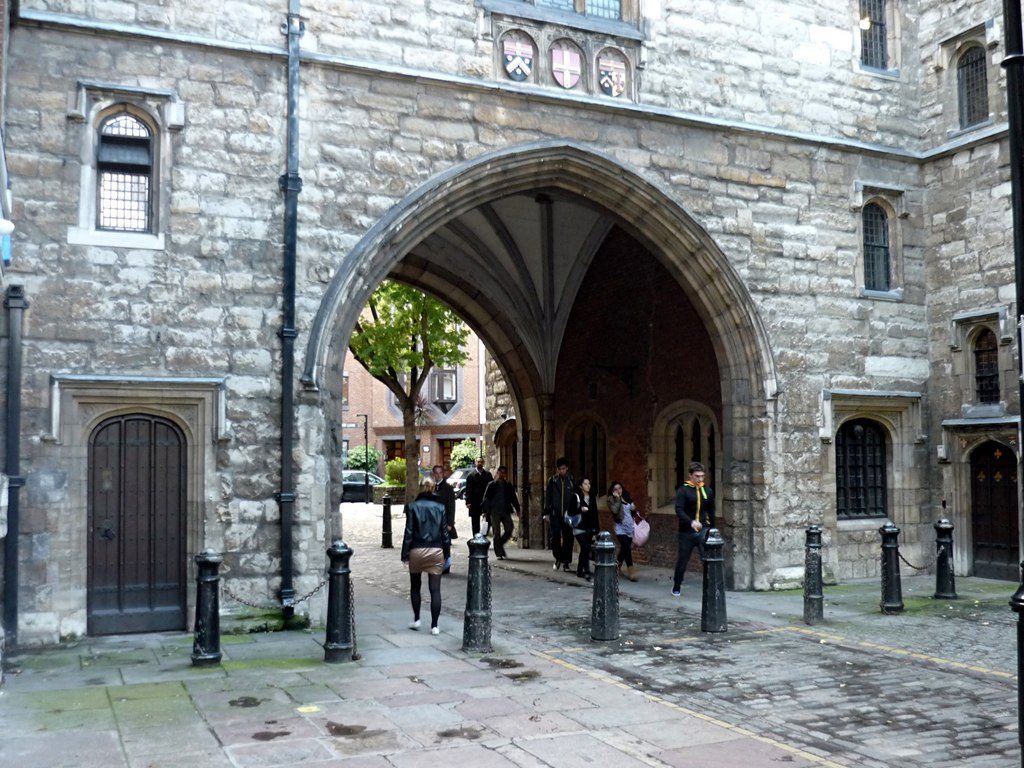
Site at a Glance
- Popularity
- High
- Country
- United Kingdom
- Primary era
- Early Modern
- Eras represented
- Medieval, Early Modern, Modern
- Civilizations
- British, English, Knights Hospitaller
- Site type
- Military
- Remains
- Gate
On this page8 sections
History
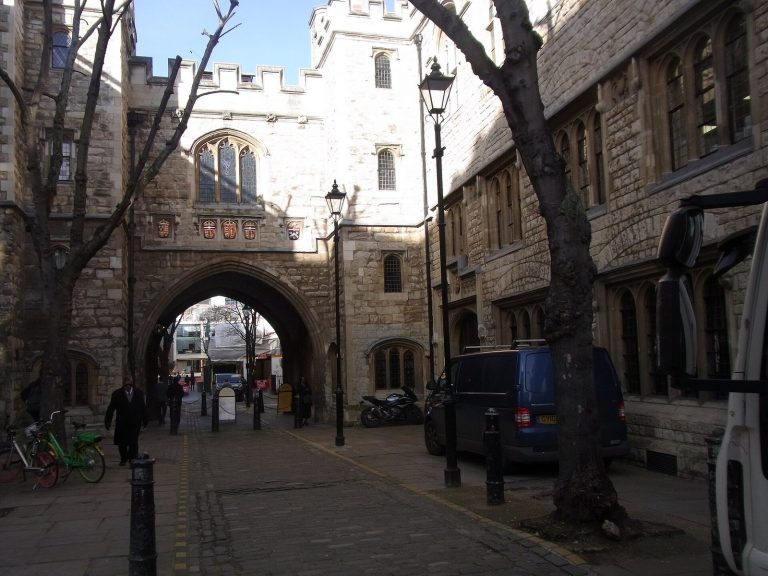
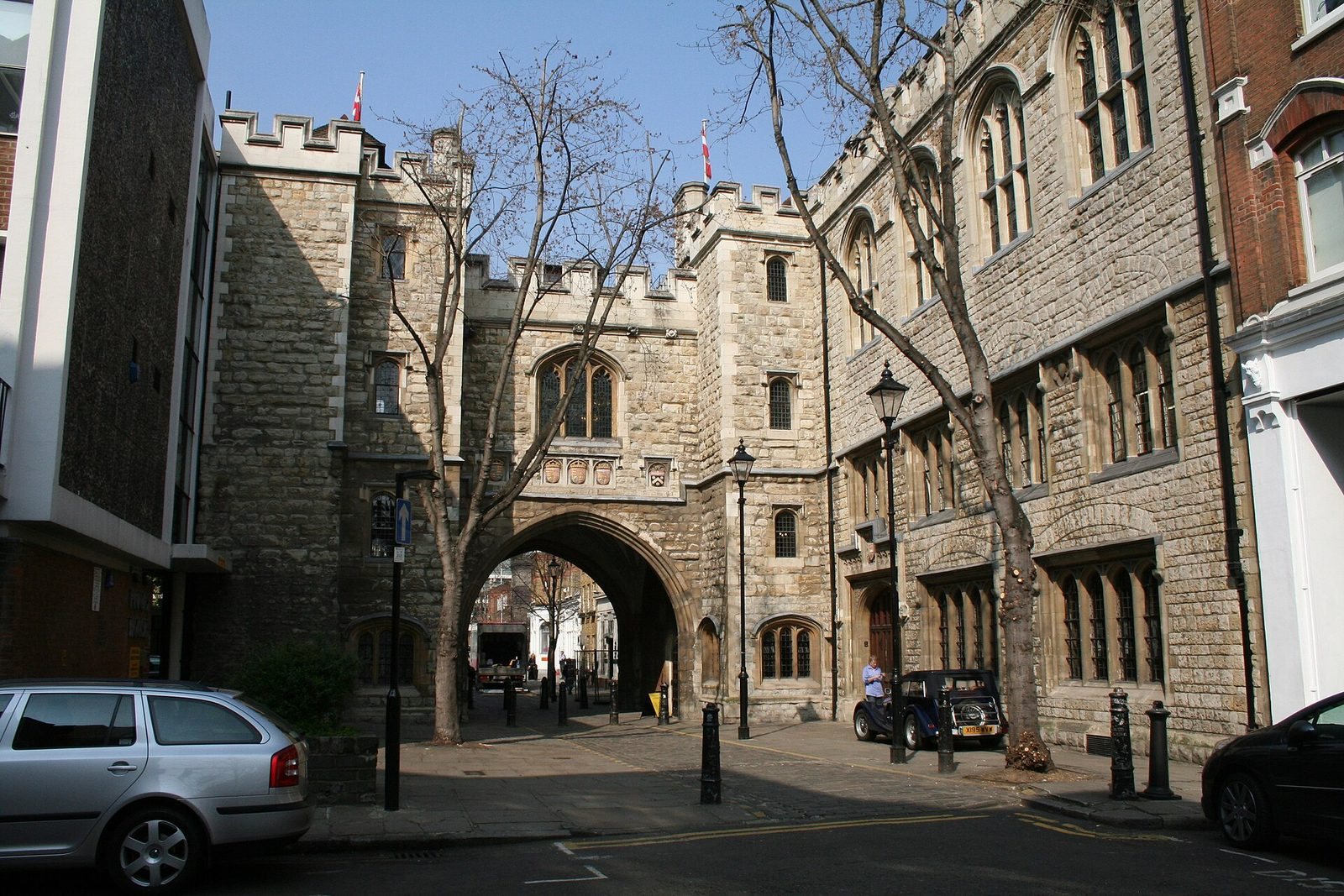
St John’s Gate is a gatehouse in Clerkenwell, London, United Kingdom, rebuilt in 1504 as the south entrance to the enclosed inner area of Clerkenwell Priory. Established in the 1140s, the priory served as the English headquarters of the Order of St John, a Christian religious and military order whose members were known as the Knights Hospitaller. The 1504 rebuilding gave the gatehouse its present form; later restoration shaped much of its surviving fabric, including its Tudor-style interior.
Priory and medieval rebuilding
A plaque on the building places the first gatehouse around 1148. It says that Wat Tyler, a leader of the 1381 Peasants’ Revolt in England, burned the gatehouse that year. Prior John Redington, a senior officer of the priory, restored it. Prior Thomas Docwra later rebuilt it in its present form in 1504.
Dissolution and changing uses
Henry VIII dissolved the Order in England during the Dissolution of the Monasteries, the suppression of religious houses under the Crown, and seized its lands and wealth. His daughter Mary I briefly restored the Order under a royal charter. After Elizabeth I succeeded her, the Order was dissolved again, and in 1559 the Crown took possession of the Grand Priory buildings.
From 1701 to 1709, the gatehouse was the childhood home of painter William Hogarth. His father, Richard, opened Hogarth’s Coffee House there in 1703, serving coffee and offering Latin lessons. The building also operated as a tavern for many years. Printer and publisher Edward Cave used it as the first printing house of his monthly The Gentleman’s Magazine, and writer Samuel Johnson sometimes worked there. In 1831, John Frost established a medical institution called St John’s Hospital. The word hospital also had an older meaning of a guesthouse.
Victorian restoration and the Order’s return
The Order was re-established in England during the Victorian era (1837 to 1901). It acquired the Gate in the 1870s and resumed possession in 1873. The building was gradually adapted as headquarters for the Order and its subsidiary, the St John Ambulance Brigade, and it also houses the Order’s museum.
Extensive restoration took place during the nineteenth century, with William Pettit Griffith, R. Norman Shaw and J. Oldrid Scott among the architects involved. Much of the Tudor-style interior is attributed to Scott’s work in the 1880s and 1890s. St John’s Gate was designated a Grade I listed building in 1950.
Remains
Exterior and materials
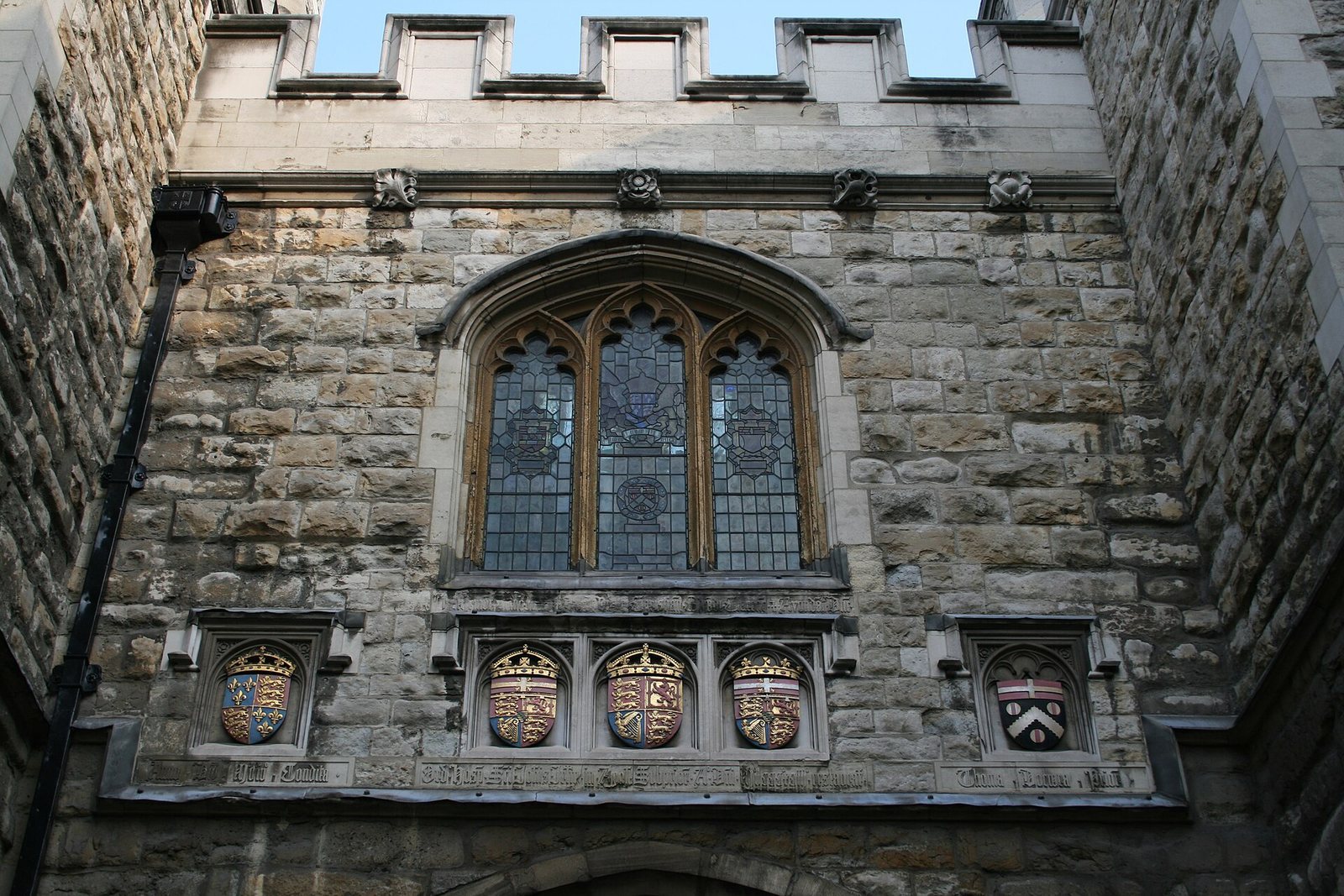
The gatehouse stands at the end of St John’s Lane by Clerkenwell Road. It is built in sandstone over a brick substructure, with stone façades on its north and south sides. Much of the present fabric dates from the nineteenth century.
Council Chamber
A Tudor-style Council Chamber occupies the space above the gate’s arch. Its interior reflects the building’s later restoration.
Commemorative plaque
A modern stone plaque fixed to the building commemorates its history and the Order’s return.