Holy Mother of God Church at Tatev Monastery: A Two-Storey Mausoleum-Church
Site at a Glance
- Popularity
- Medium
- Country
- Armenia
- Primary era
- Medieval
- Eras represented
- Medieval
- Civilizations
- Armenian
- Site type
- Religious
- Remains
- Chapel
On this page7 sections
History
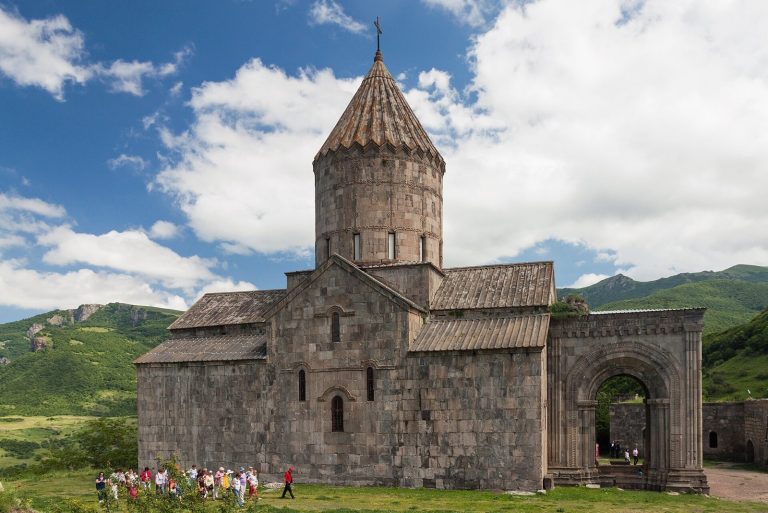
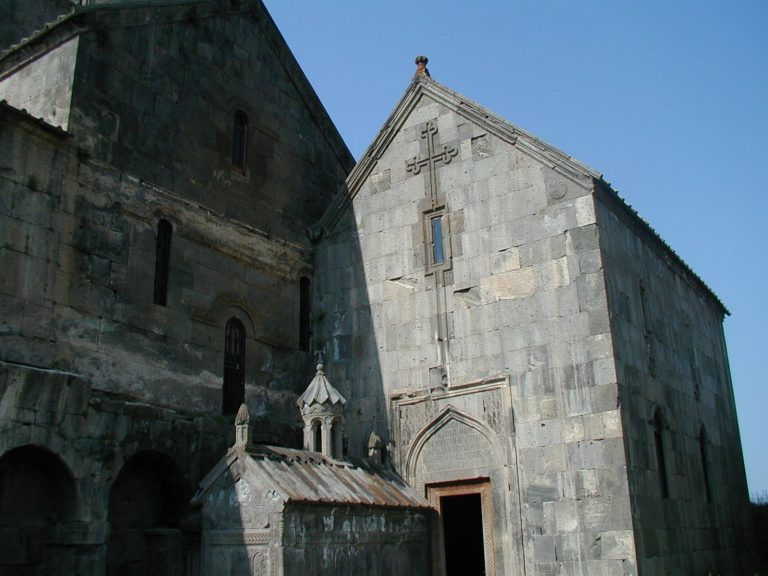
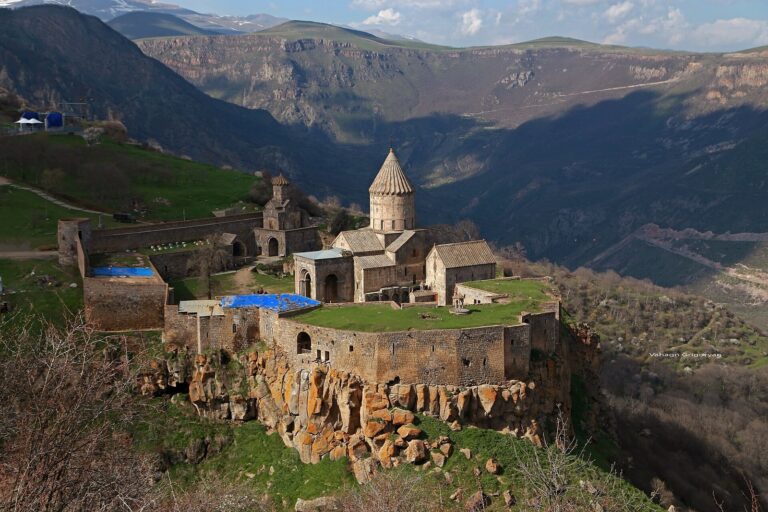
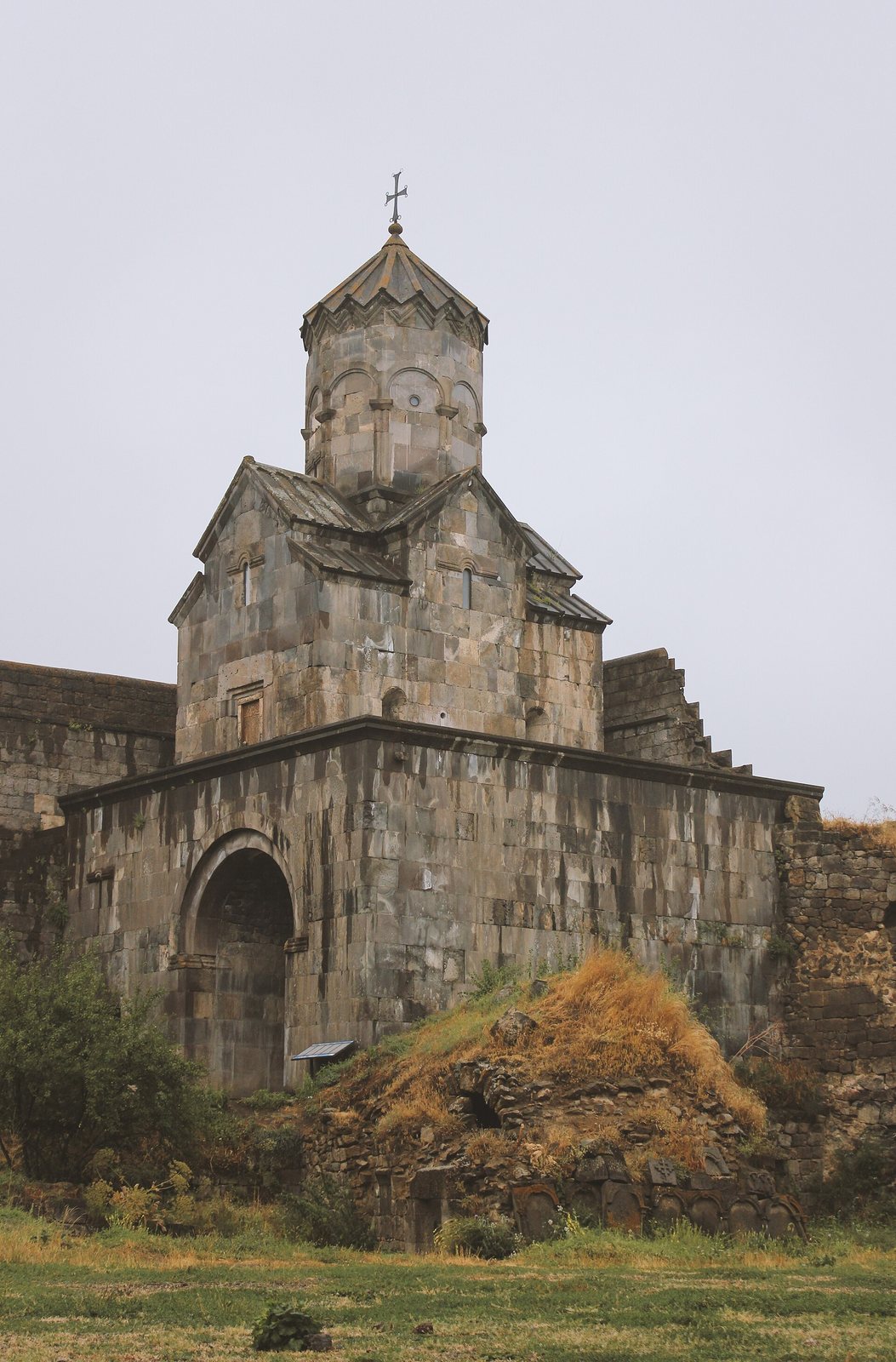
The Holy Mother of God Church at Tatev Monastery is a two-storey church and mausoleum in Armenia, and one of the monastery’s three churches. Built in 1087, it belongs to the Armenian Apostolic Church, rooted in the Armenian Christian tradition.
Construction at the Great Gate
In 1087, Bishop Grigor (1058–1116), a senior cleric responsible for a church district, moved the monastery’s Great Gate from the west side to the east. He built the church above the new arched entrance.
Earthquake damage and building work
An earthquake rated at eight points struck on 27 April 1931 and left Tatev Monastery in ruins. Further seismic shocks caused additional damage in 1968. Building work on the monastery complex began in the 1970s, and work on the Holy Mother of God Church and St Gregory Church was completed.
Remains
Two-storey plan
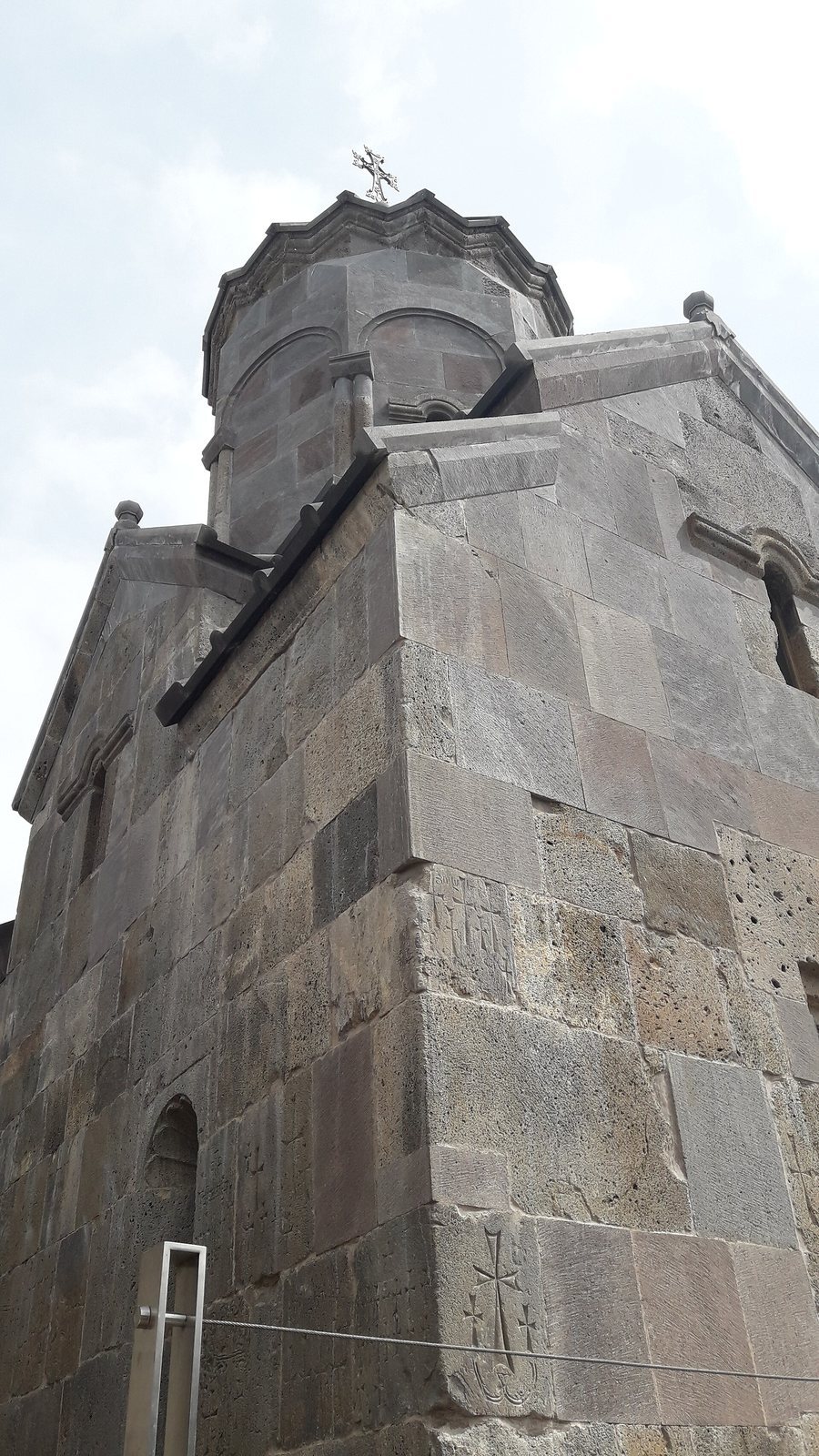
The church stands in the northwestern corner of the monastery’s defensive system, above the entrance and the mausoleum roof. Its arrangement places a burial level beneath a church, reached by stone stairs.
Lower burial level
The lower floor was intended chiefly for the burial of prominent princes and clergy.
Upper church
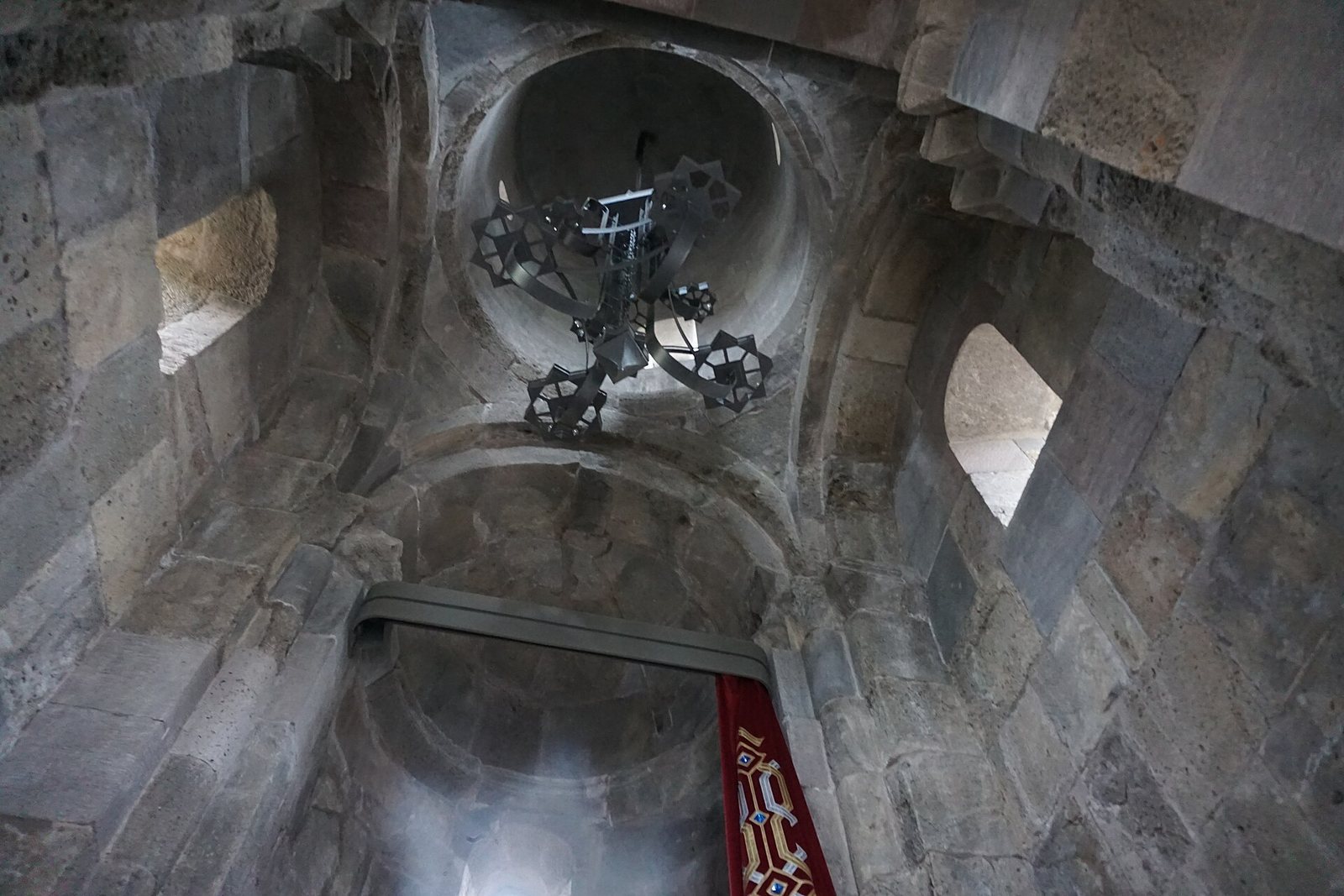
The small upper church has a dome supported by an octagonal drum, the wall section beneath a dome. Slender, shallow wall columns articulate the drum. The church has no apse, or projecting sanctuary end. Its architectural forms echo motifs used in the 10th and 11th centuries. The eastern window frame repeats decorative patterns from the monastery’s Apostles Church, including stylized leaves and almond-shaped forms. The drum may also reflect the form of the Apostles Church’s drum.
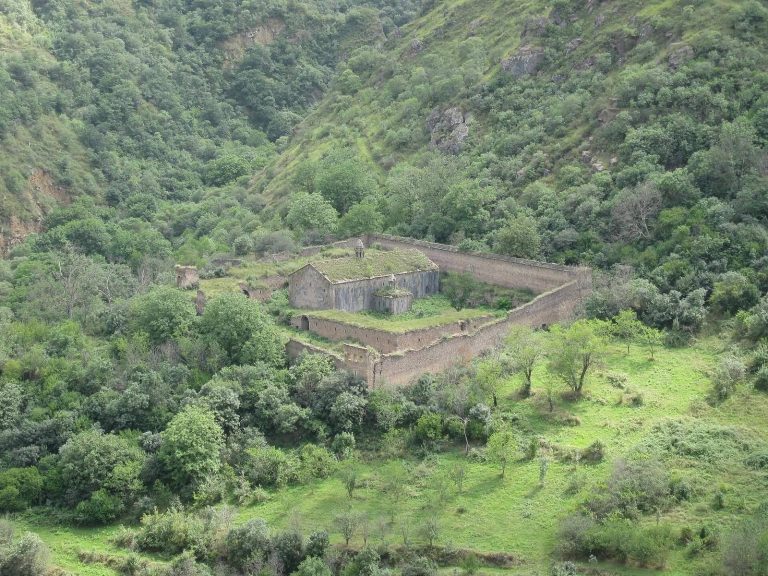
The church is one of three two-storey burial churches identified in Syunik. Each has a church above a tomb, but their plans and spatial arrangements differ. The other examples are at Vahanavank and Tsaghatskar Monastery in the Yeghegnadzor region.